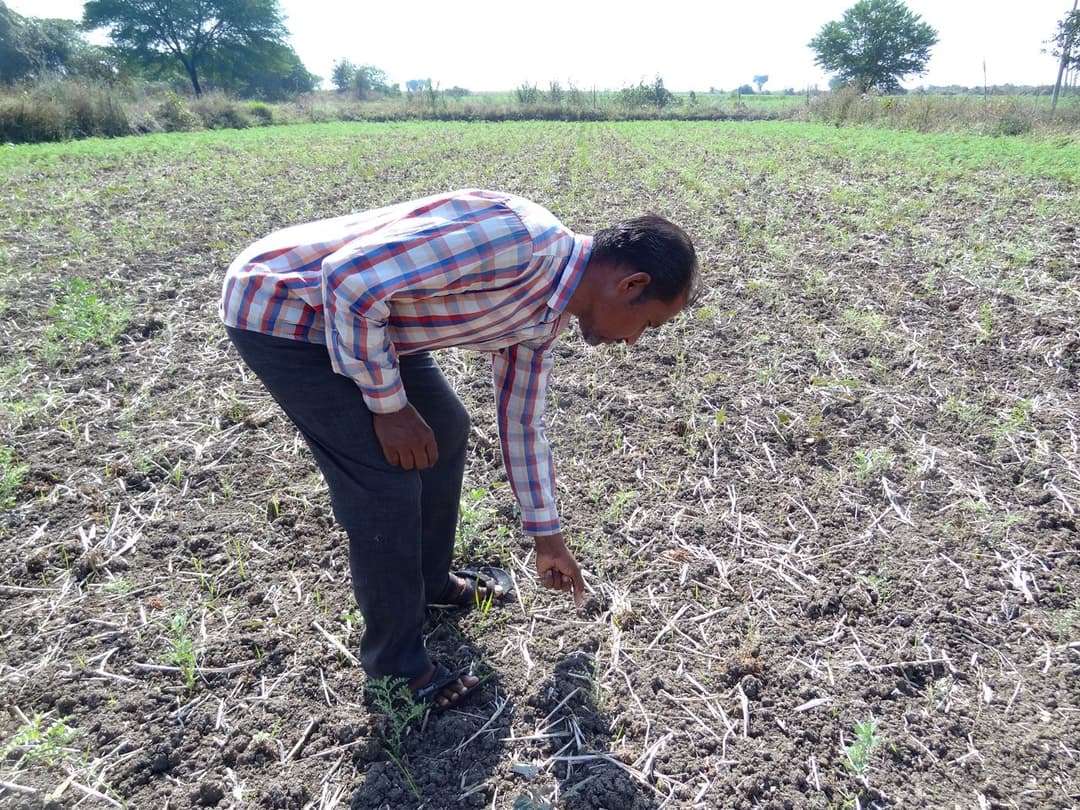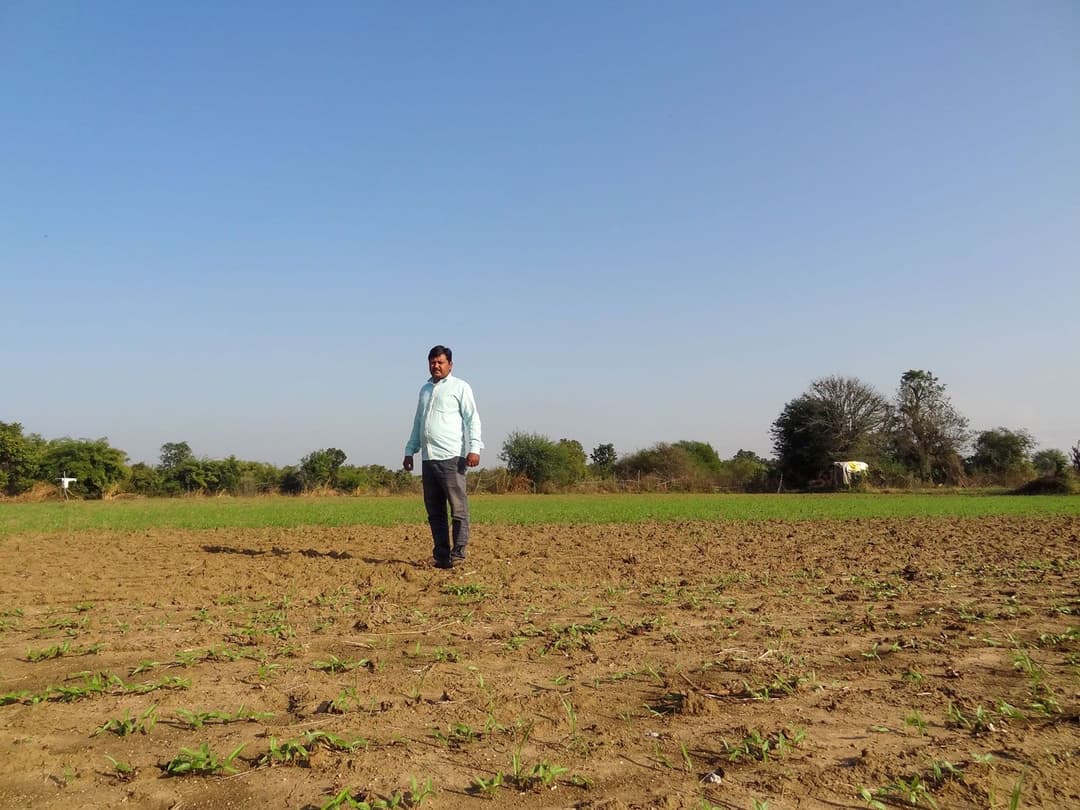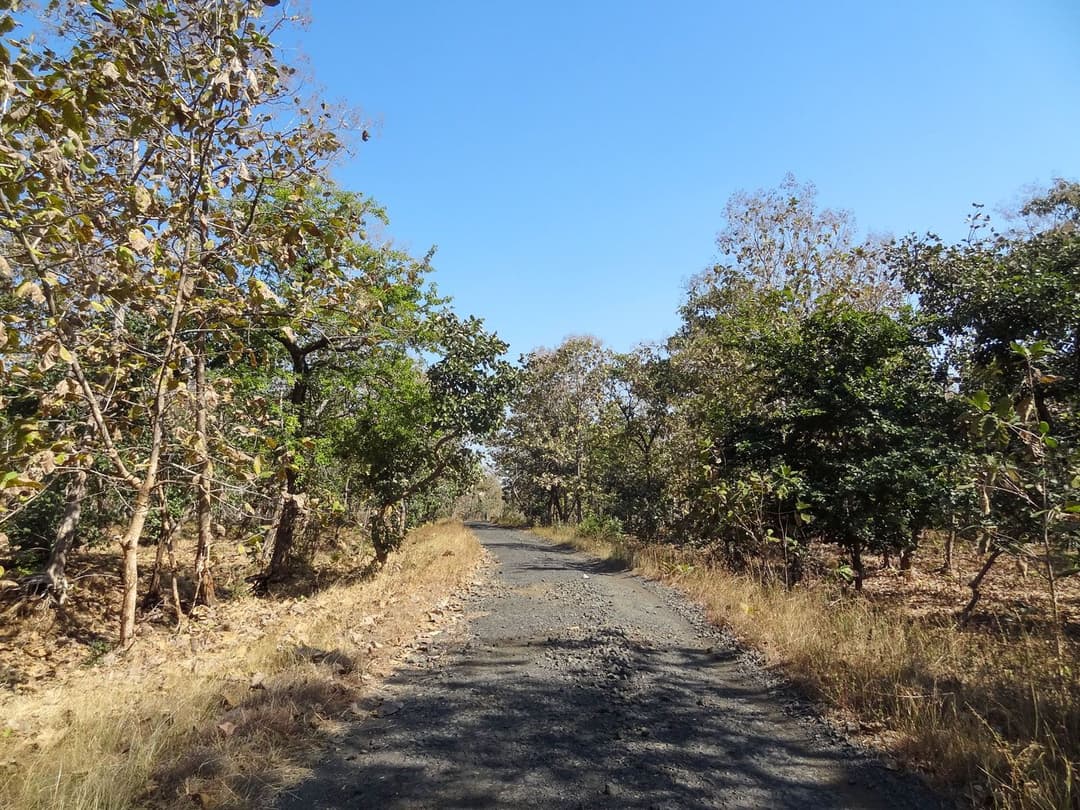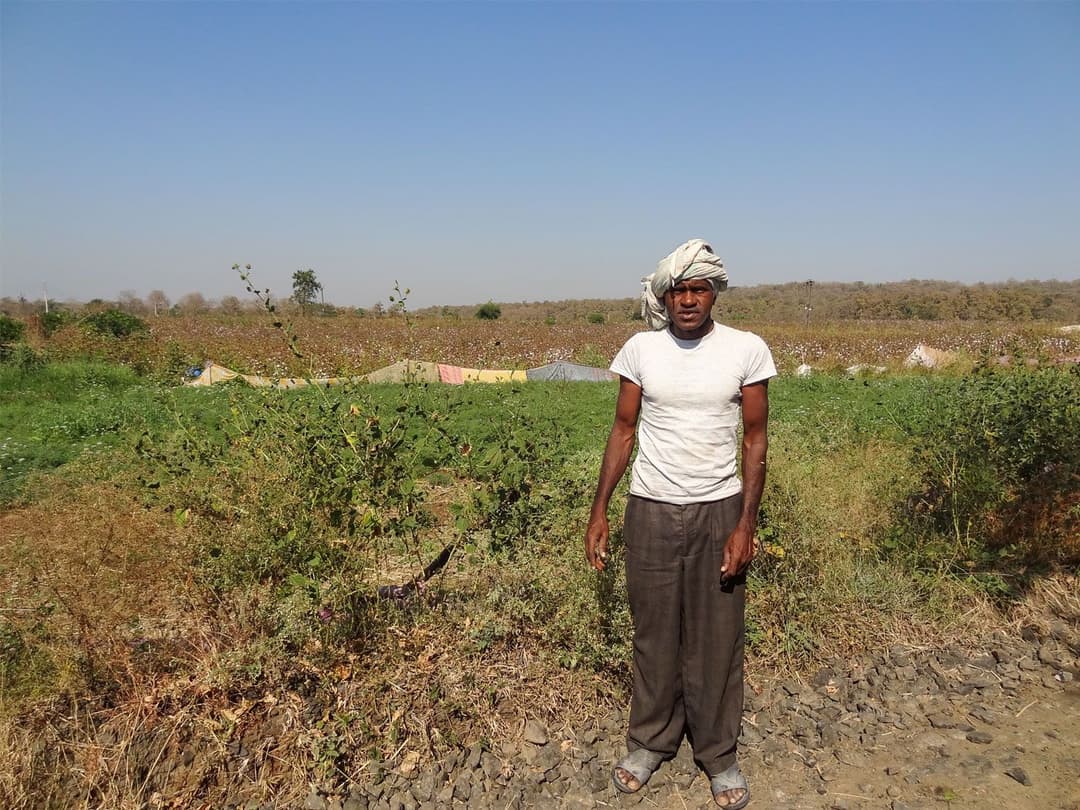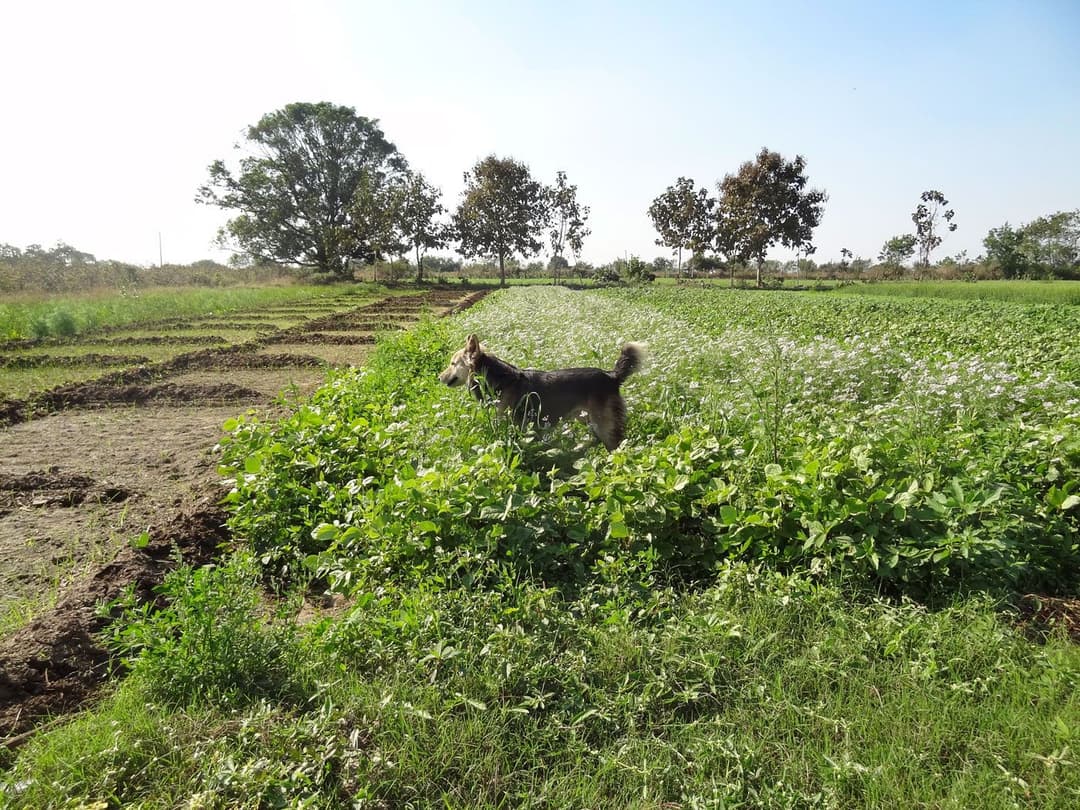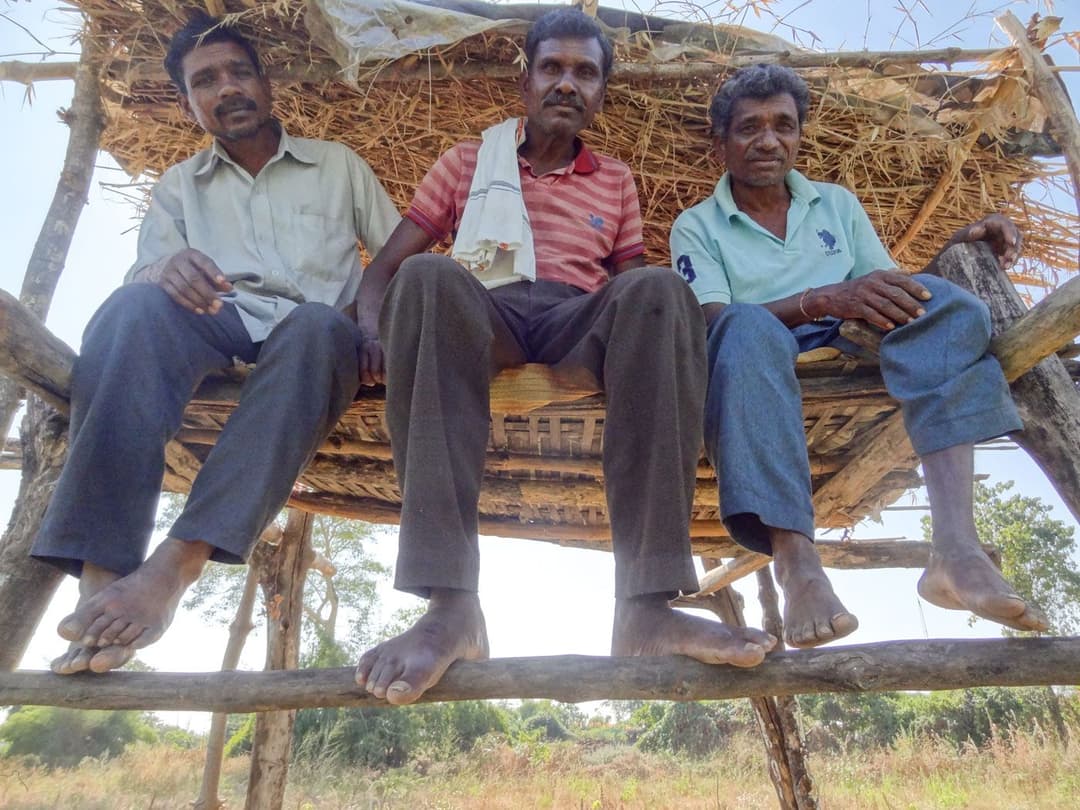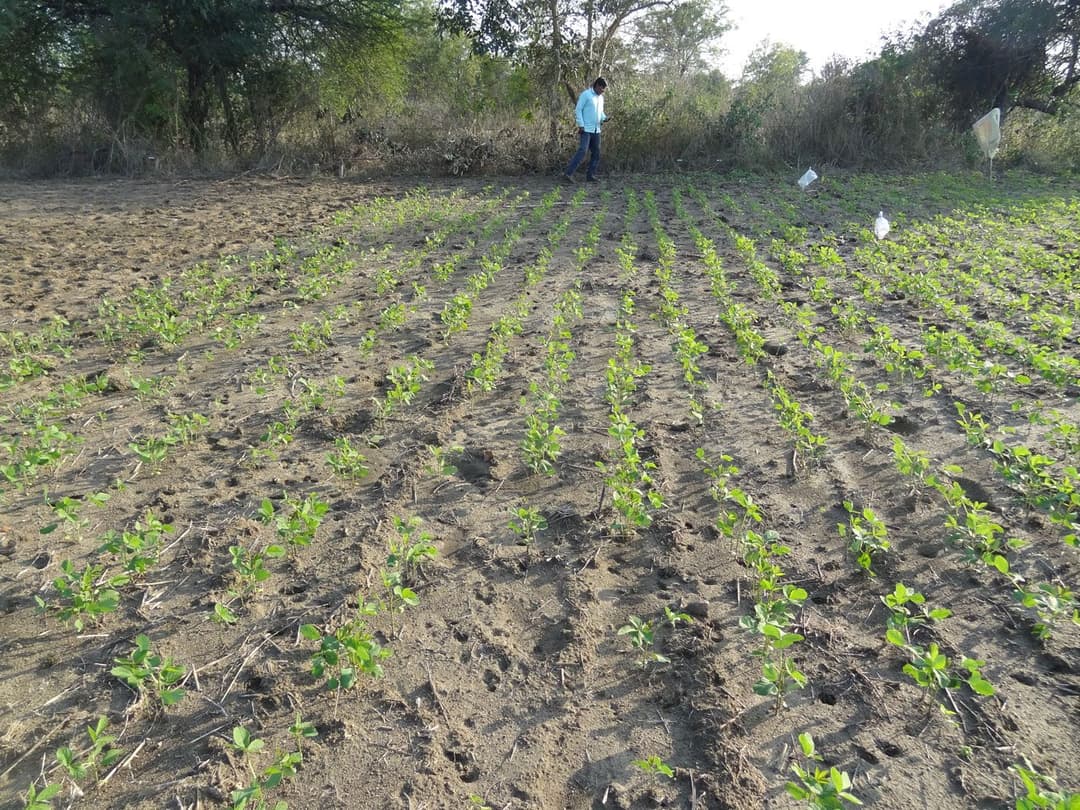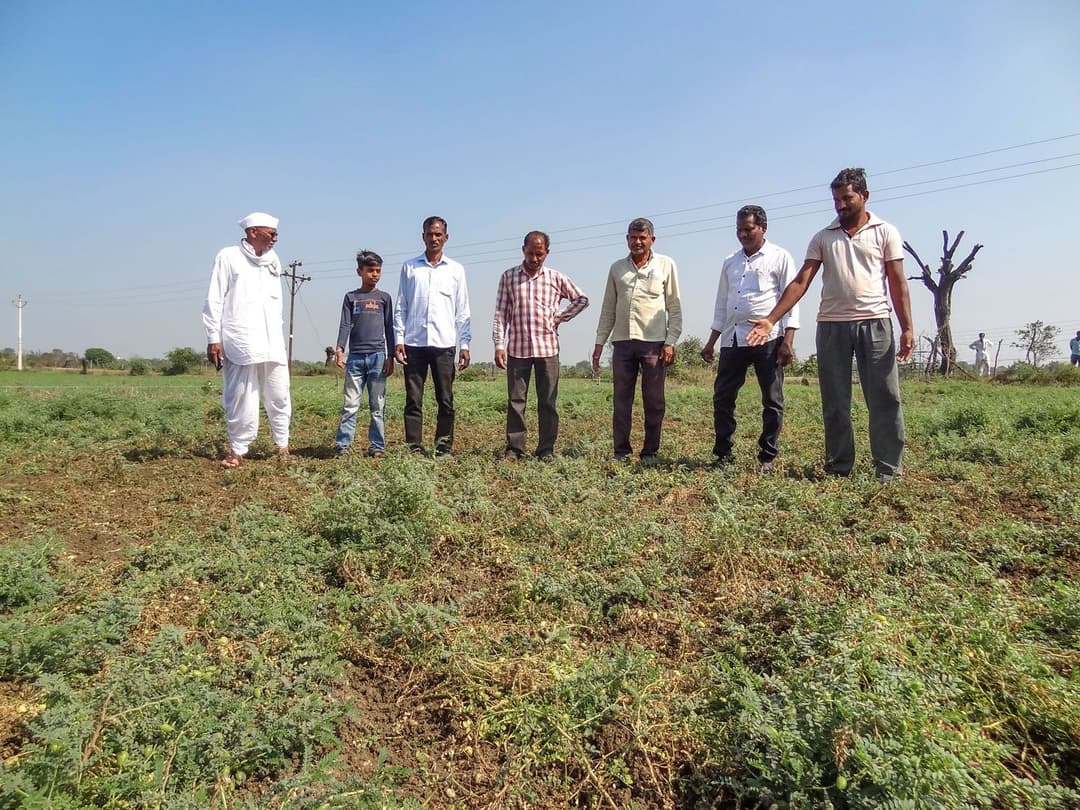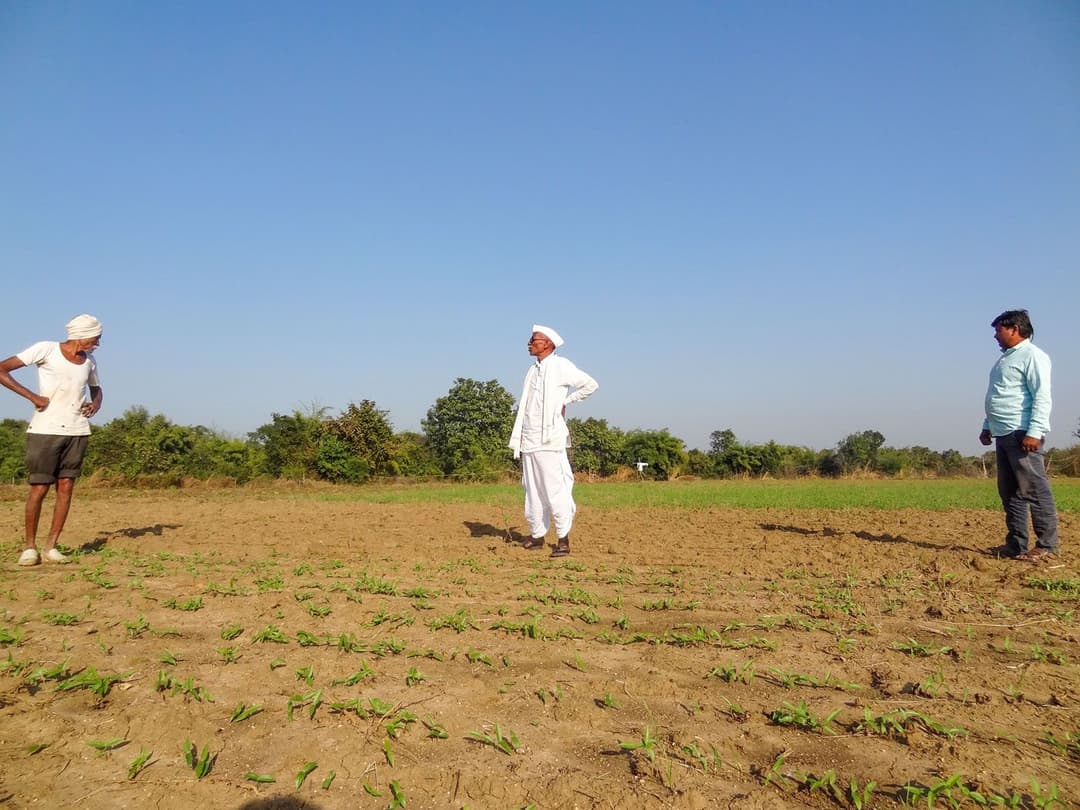


Namdeo Tarale slows down as he steps onto his field. The 48-eight-year-old farmer bends to take a close look at a patch of green gram plants that seemed to have been trampled and eaten. It’s a wintry but pleasant morning in February 2022; the sun is soft in the sky above.
“Ha ek prakarcha dushkalach aahe [It’s a new kind of drought],” he says tersely.
The statement sums up Tarale’s frustration and fears. A farmer with five acres of land, he worries about losing his standing toor and green gram crops that are ready to be harvested after three months of toil. In his 25-plus years of farming, he has witnessed different types of droughts – the meteorological, when the rains fail or are excessive; the hydrological, when the groundwater table recedes to alarming levels; or agricultural, when reduced soil moisture causes crops to fail.
Just when you think you’ve got a good yield, an agitated Tarale says, this calamity steals in on four legs or flies over the farm and flattens the crop, bit by bit.
“Water-hens, monkeys, rabbits in the daytime; deer, nilgai, sambar, boar, tigers at night," he says listing the threats.
"Amhale perta yete saheb, pan vachavta yet nahi [We know how to sow, not how to protect our crop], ” he says in a defeated tone.He usually cultivates green gram, maize, sorghum, and pigeon peas other than cash crops like cotton or soybeans.