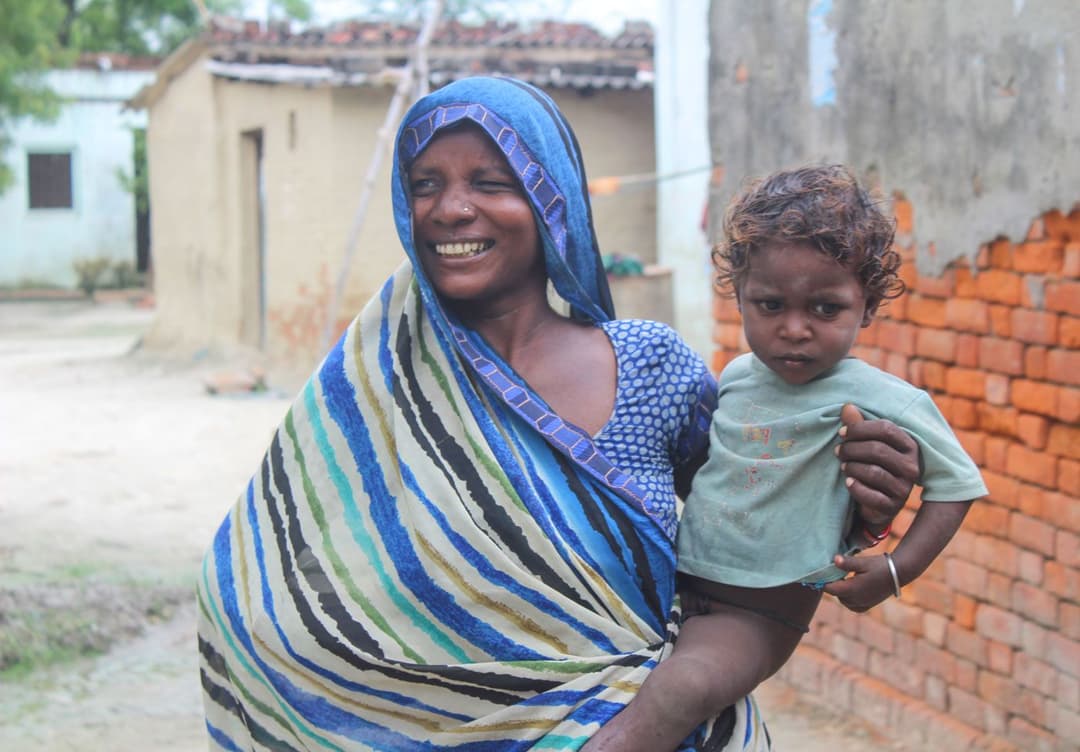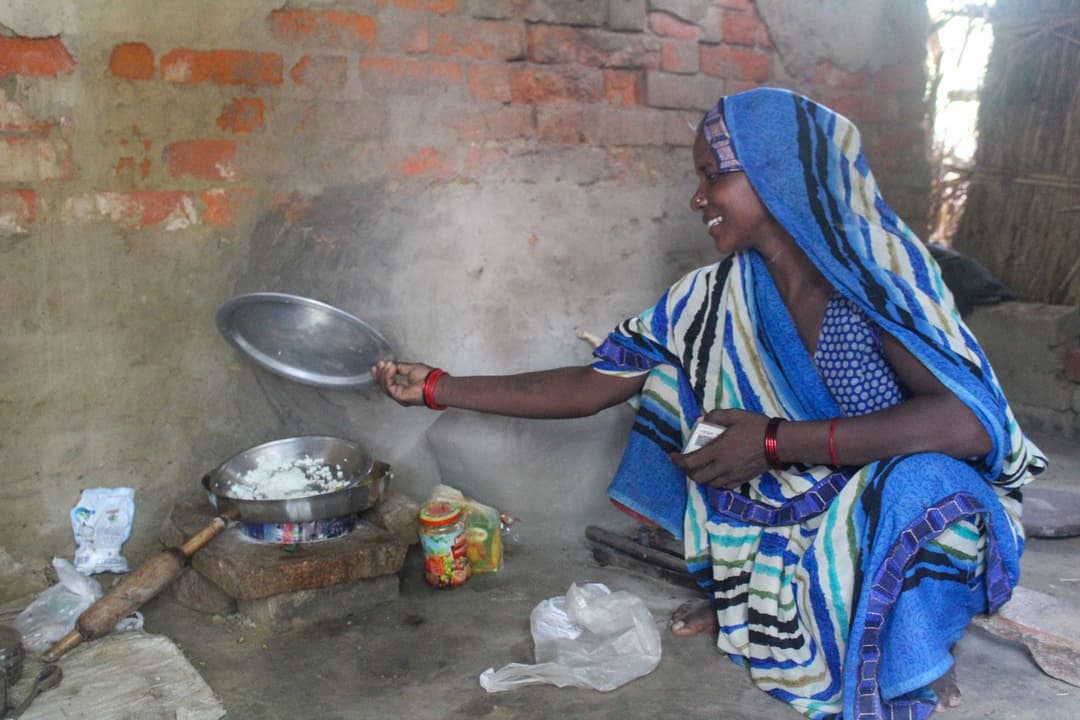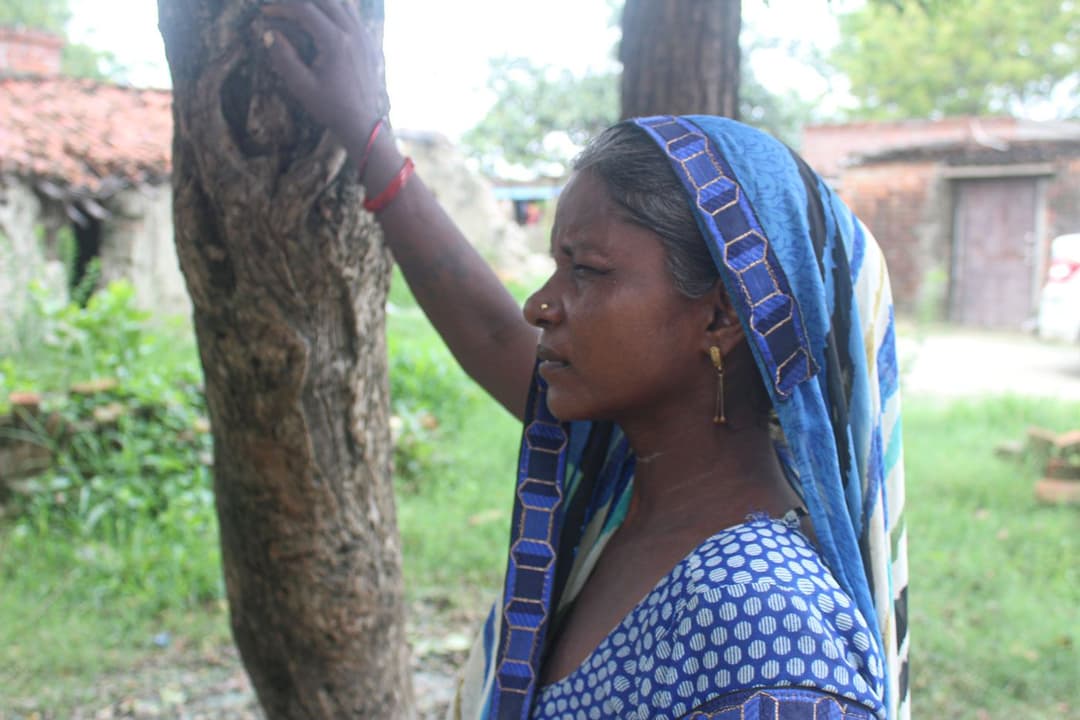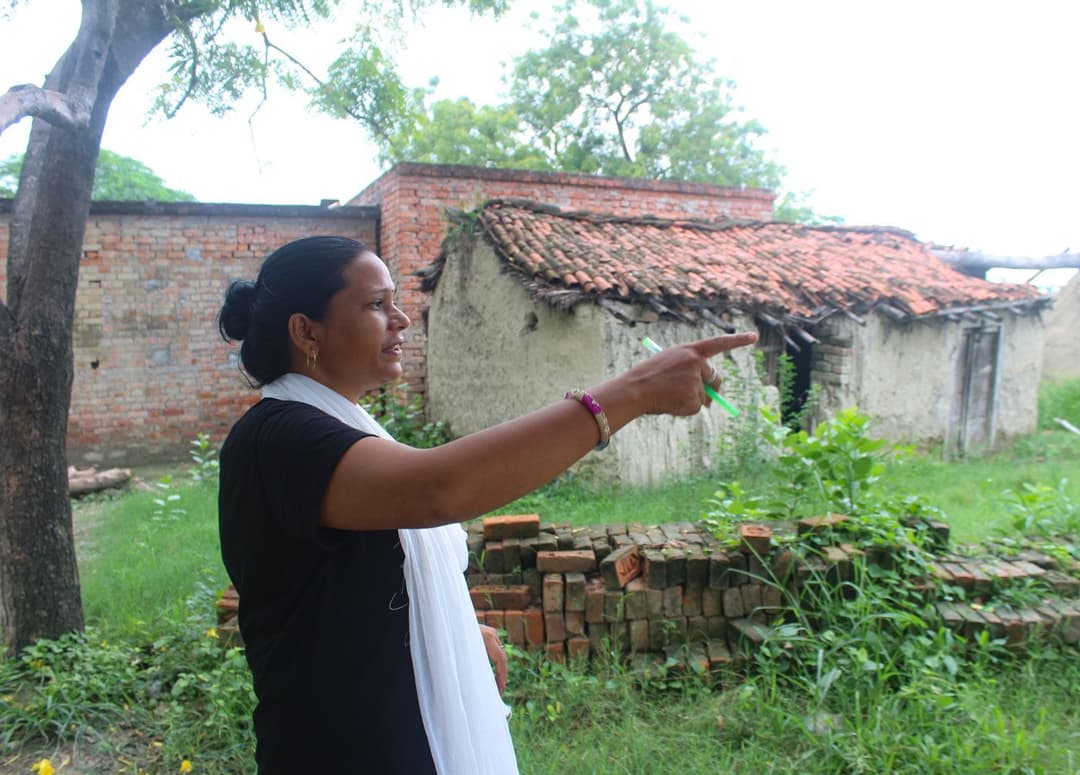


“If I had a choice, I would never go to the hospital.” She speaks unequivocally. “We are treated like animals there. The doctors do not attend to us themselves and the nurses say things like, ‘How do they live! Where do these stinky people come from?’” says Sudama Adivasi of Aneai village in Varanasi district, recalling how, when and why she delivered her first five children at home.
Sudama has had nine children in the last 19 years. At 49, she is yet to reach menopause.
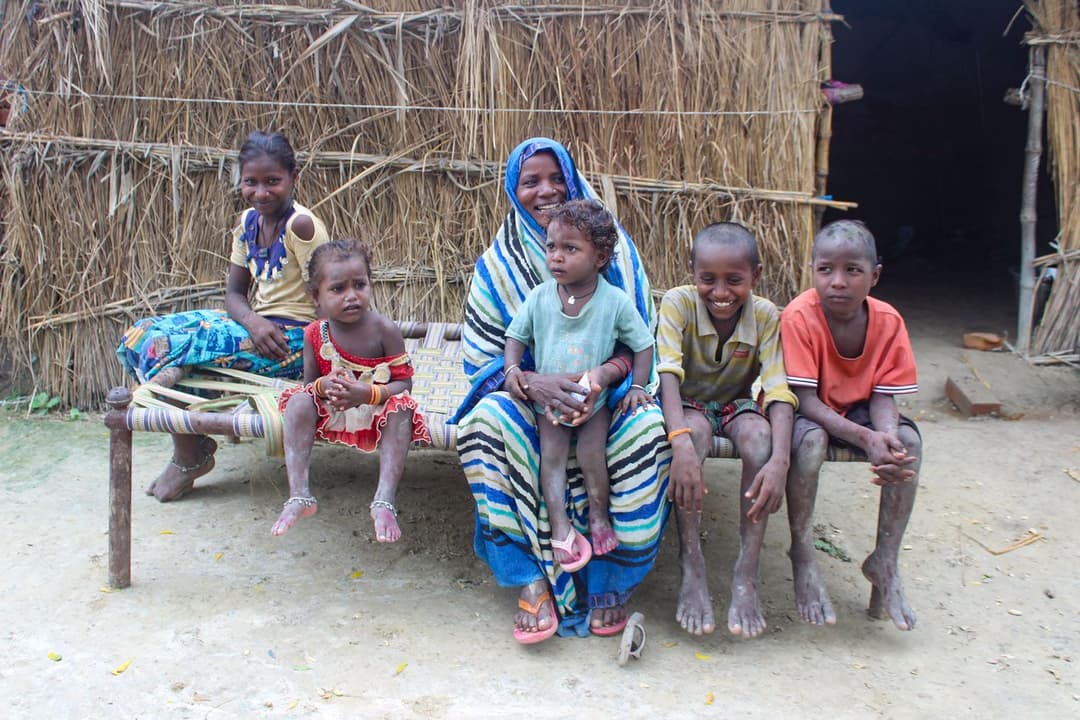
She lives in the Musahar basti of 57 families at one end of the village in Baragaon block, flanked by houses of the dominant caste Thakurs, Brahmins, Guptas. There are also a few Muslims homes and some other Scheduled Caste households – of Chamar, Dharkar and Pasi families. The basti appears to confirm various stereotypes associated with the community – half-clothed, dusty children, flies buzzing about their thin, food-smeared faces, and an utter lack of sanitation. But a closer look tells a different story.
Listed among the Scheduled Castes in Uttar Pradesh, the Musahars were originally skilled at catching rats that would otherwise plague agriculture. Over the years, their occupation became a source of stigma, and they came to be known as ‘rat eaters’ – that’s what the word ‘Musahar’ means. The community faces ostracism and humiliation by other social groups, as well as complete neglect by governments, and lives in utter deprivation. In neighbouring Bihar, they are classified as ‘Mahadalit’ – the poorest and most discriminated-against sections among the Scheduled Castes.