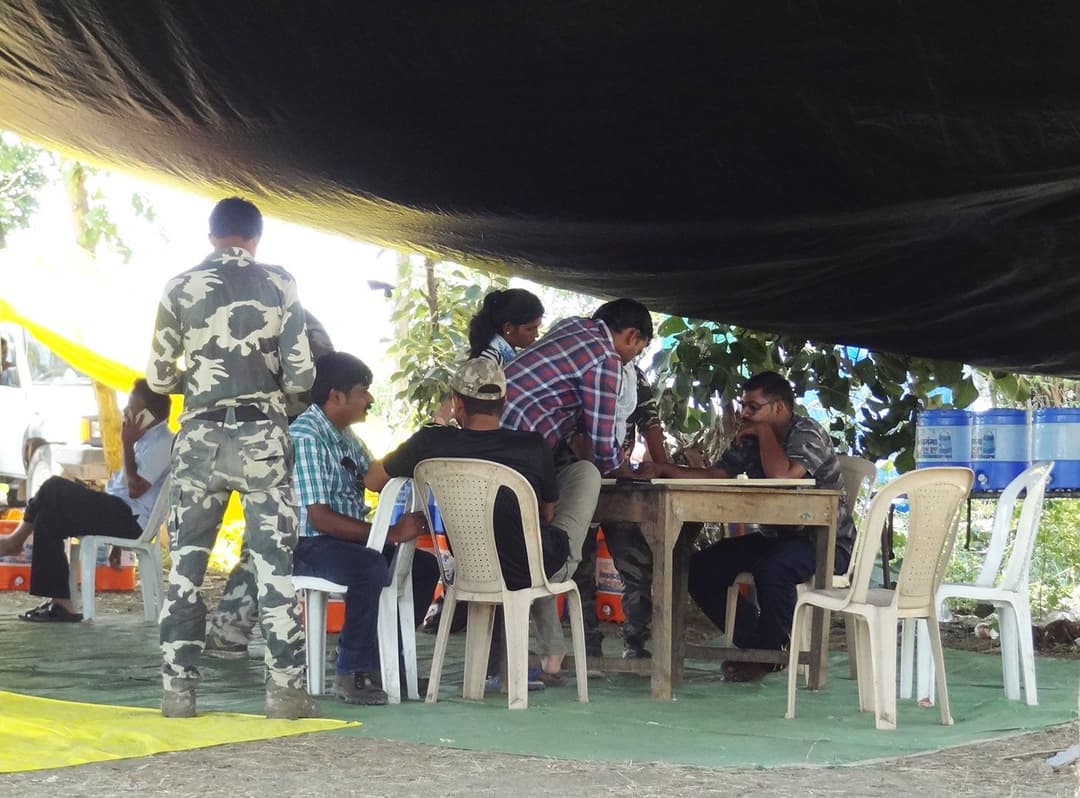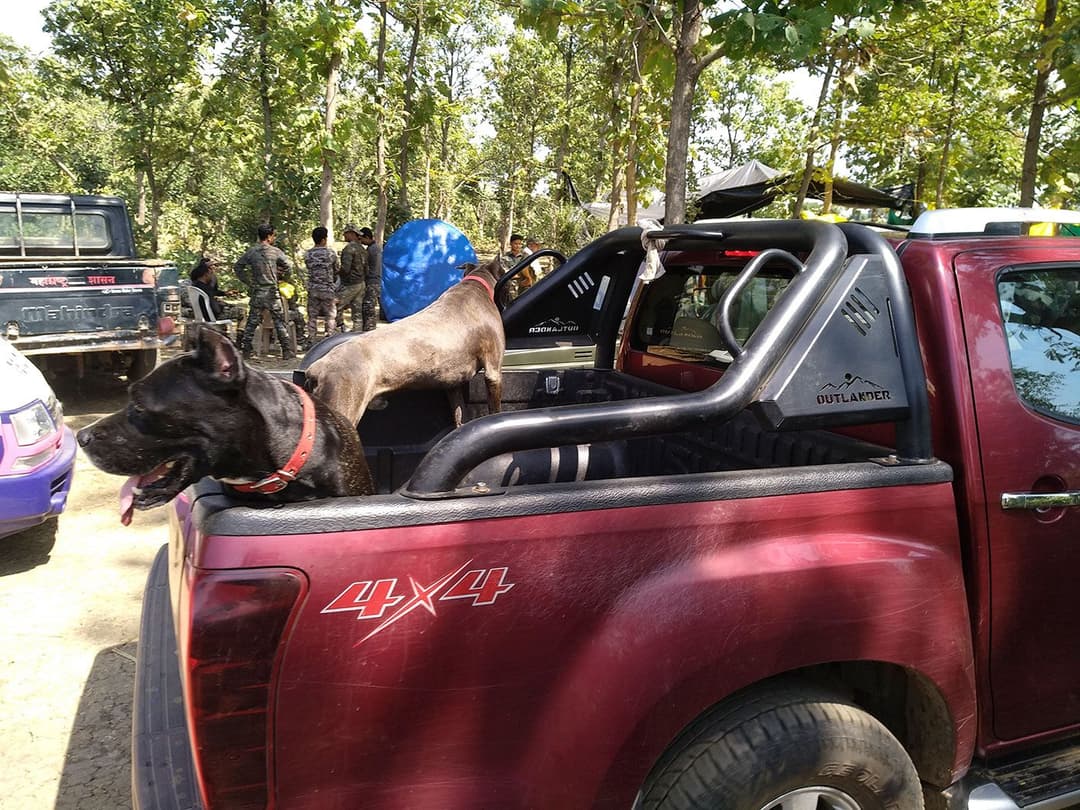
There was renewed hope and anxiety at the base camp where men and women in green fatigues were continuously monitoring messages, maps and photos on their cell phones.
Early that morning, a track team had found fresh pugmarks in a patch of forest close by.
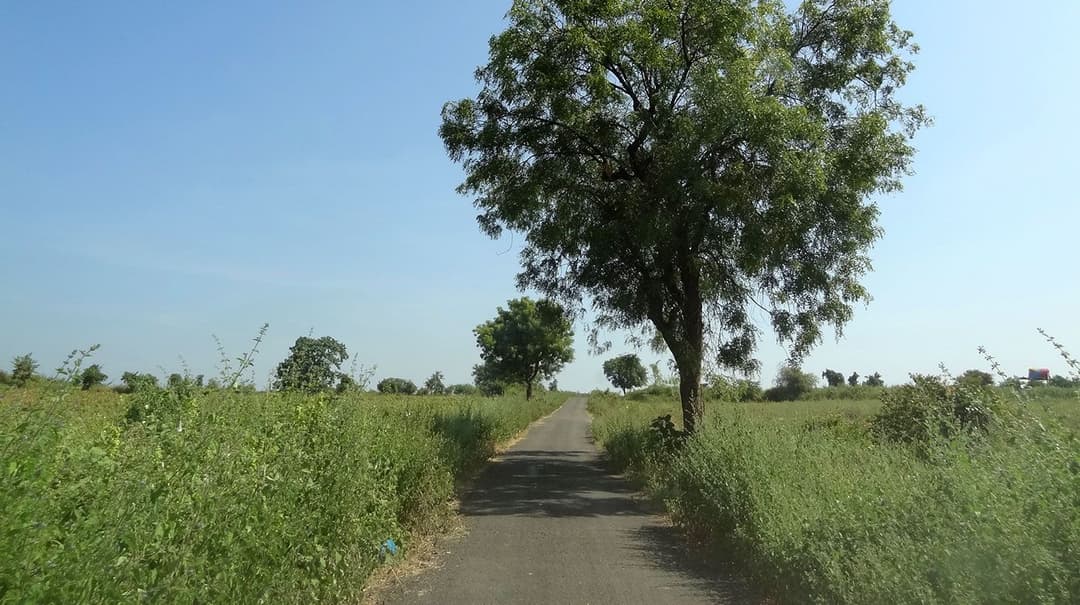
Another team came up with blurred images of a tiger in one of the 90 camera-traps, a forest department source said, set up across the 50-square kilometre area of deciduous shrub jungle interspersed with cotton farms and water bodies. “The stripes look like that of a female,” said a young forester in green fatigues, his voice tense. “The image is not clear,” his senior says, “we need more clarity on that.”
Could it be her? Could she be around?
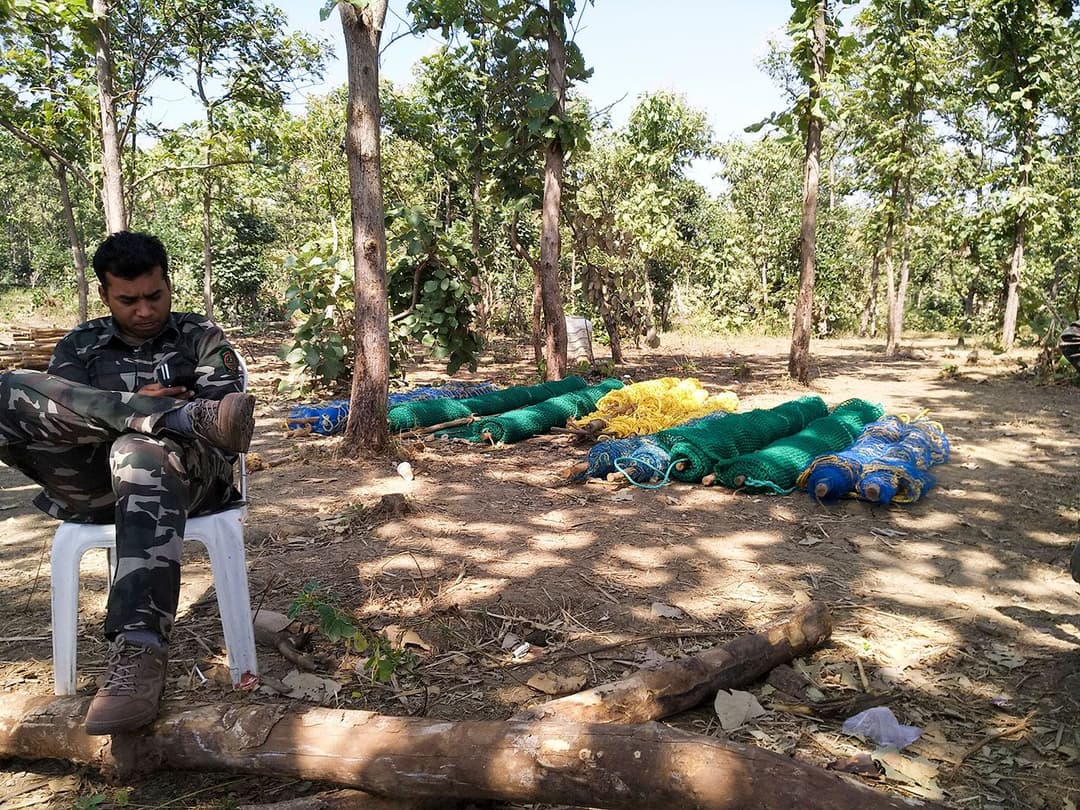
Teams of forest guards, trackers and sharp shooters were about to fan out in different directions for yet another arduous day, searching for a tigress that had, along with her two cubs, been elusive for almost two years.
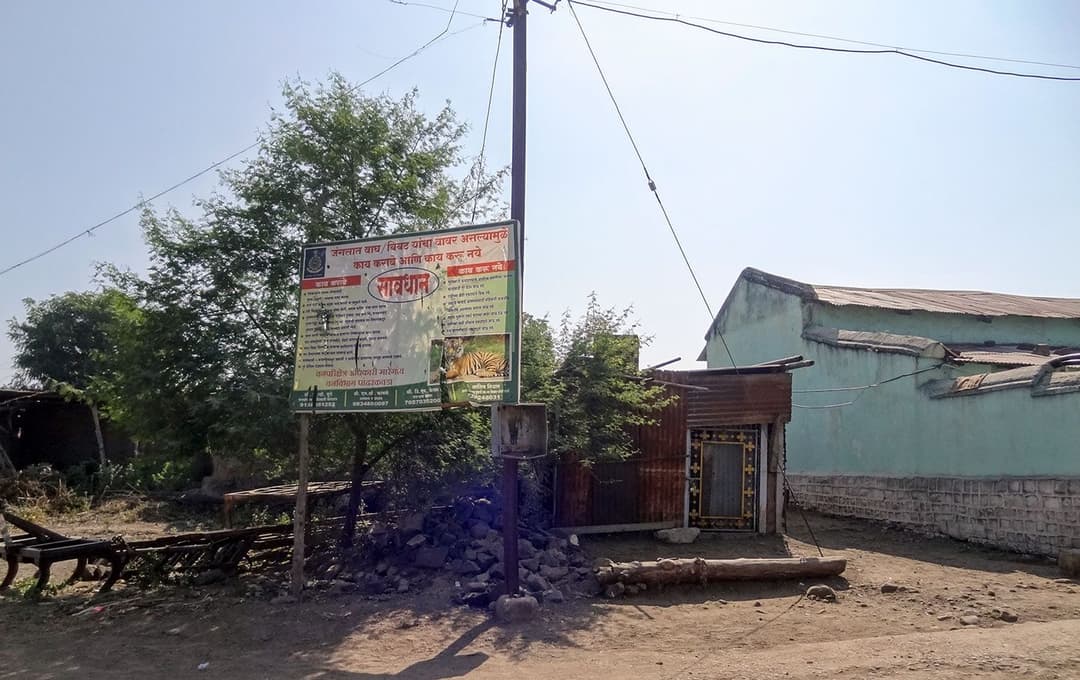
At least 13 villagers had been attacked and killed by tigers – she was the suspect in all the cases.
For two months, a massive operation was underway to either ‘capture or kill’ the tigress, the wildlife warden’s order said. But neither option was easy. Since August 28, 2018, she had not yielded a clue. A small beep on the camera, or signs of pugmarks, would raise hopes among the teams trying to track and nail her down.