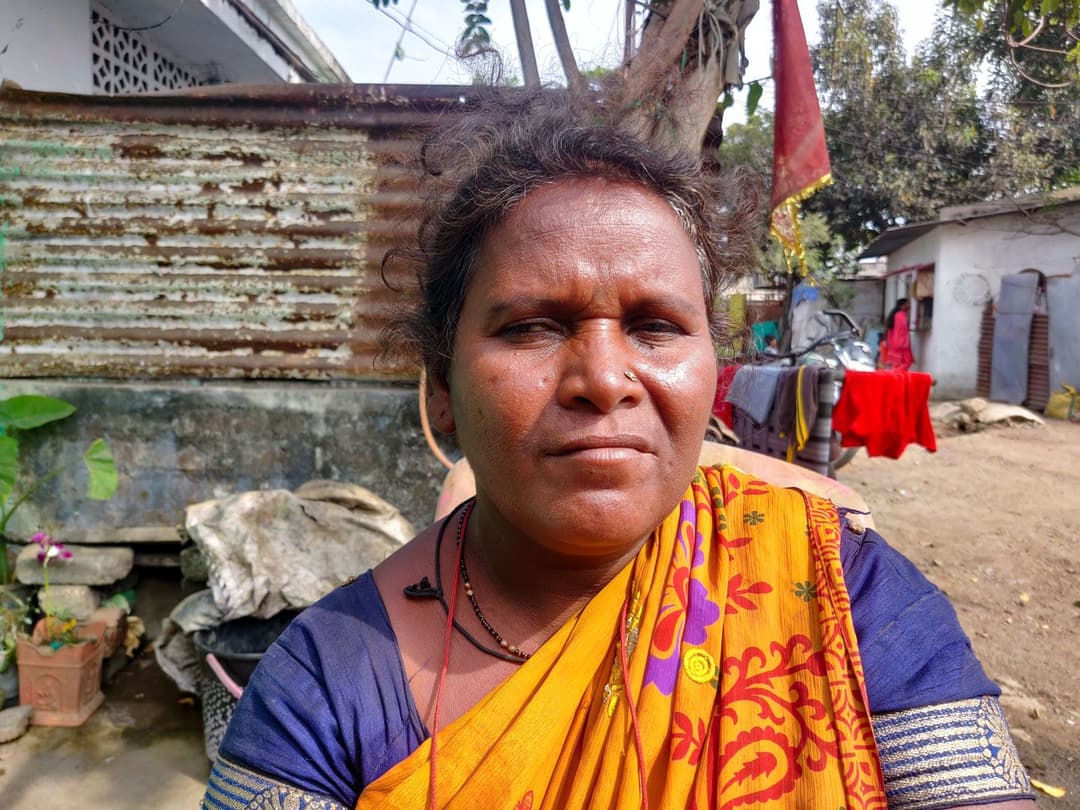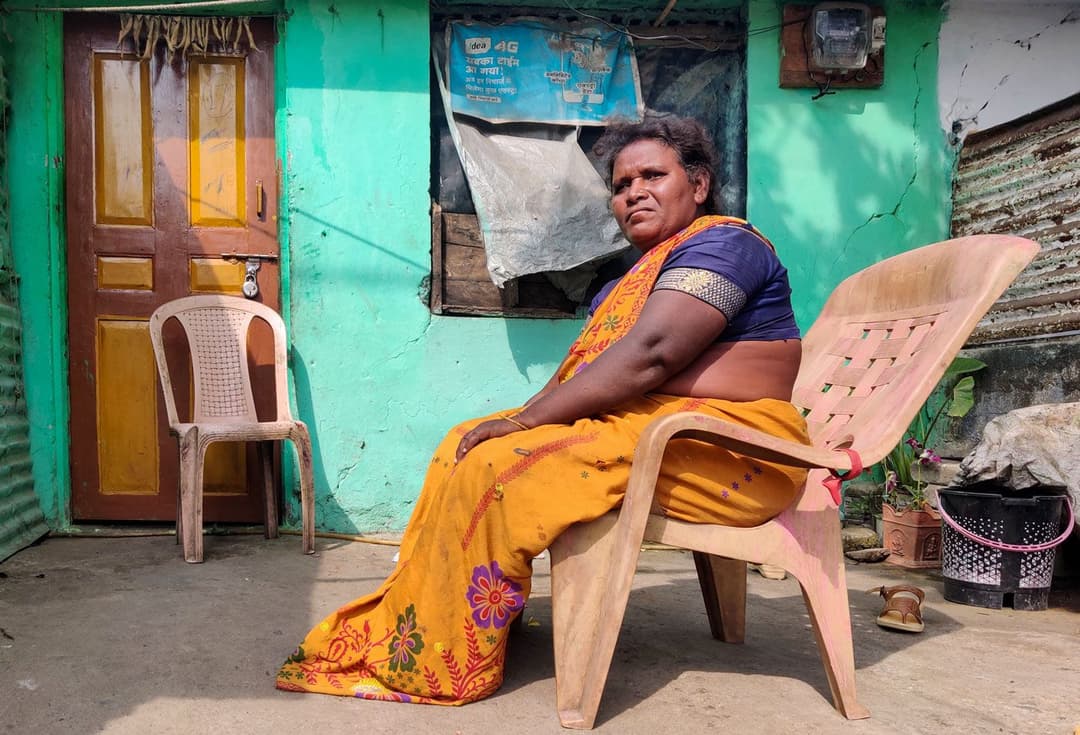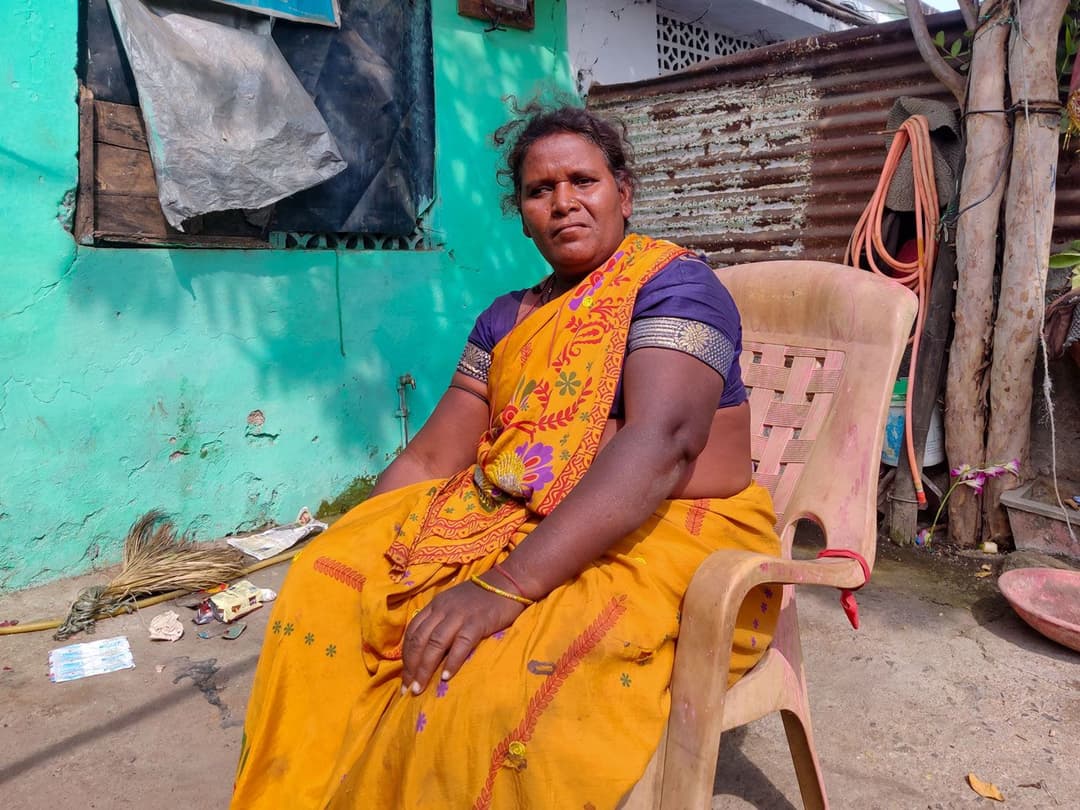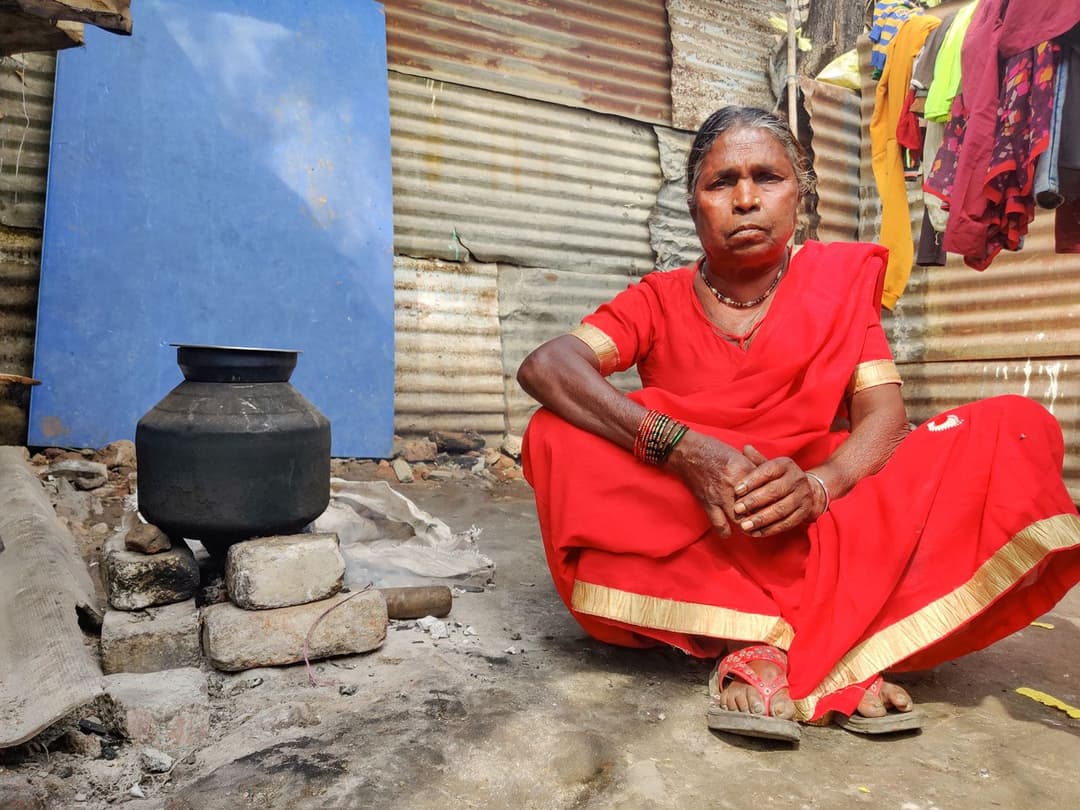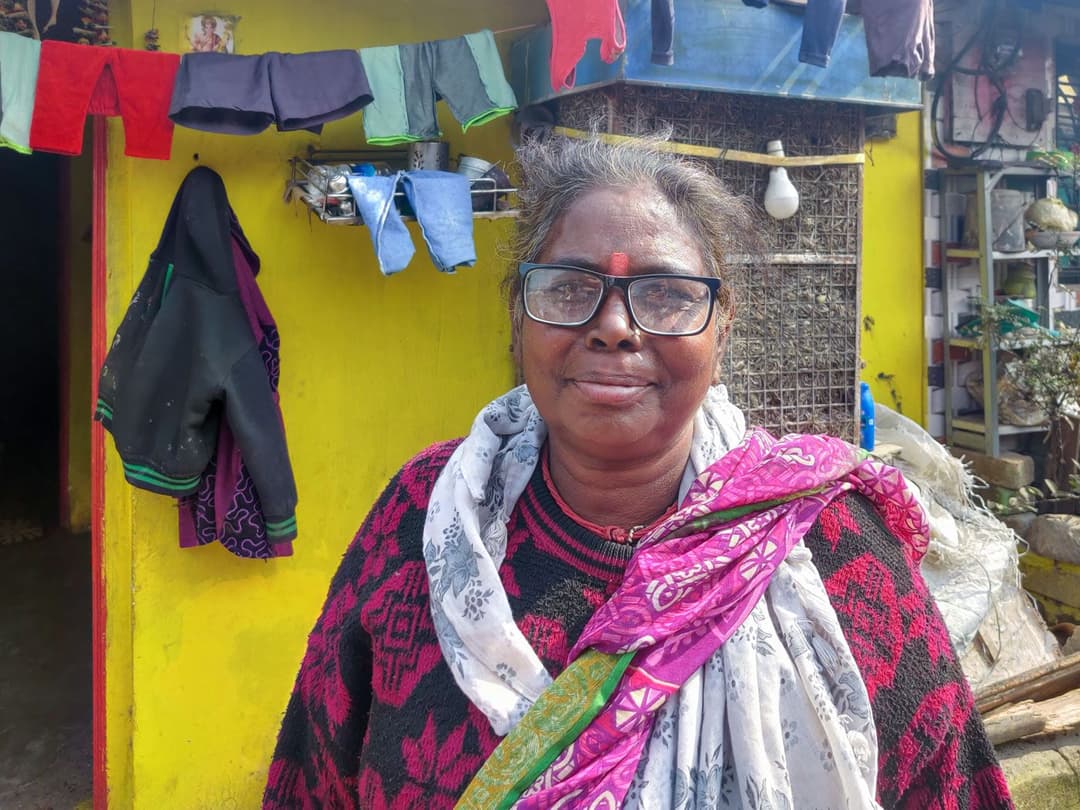

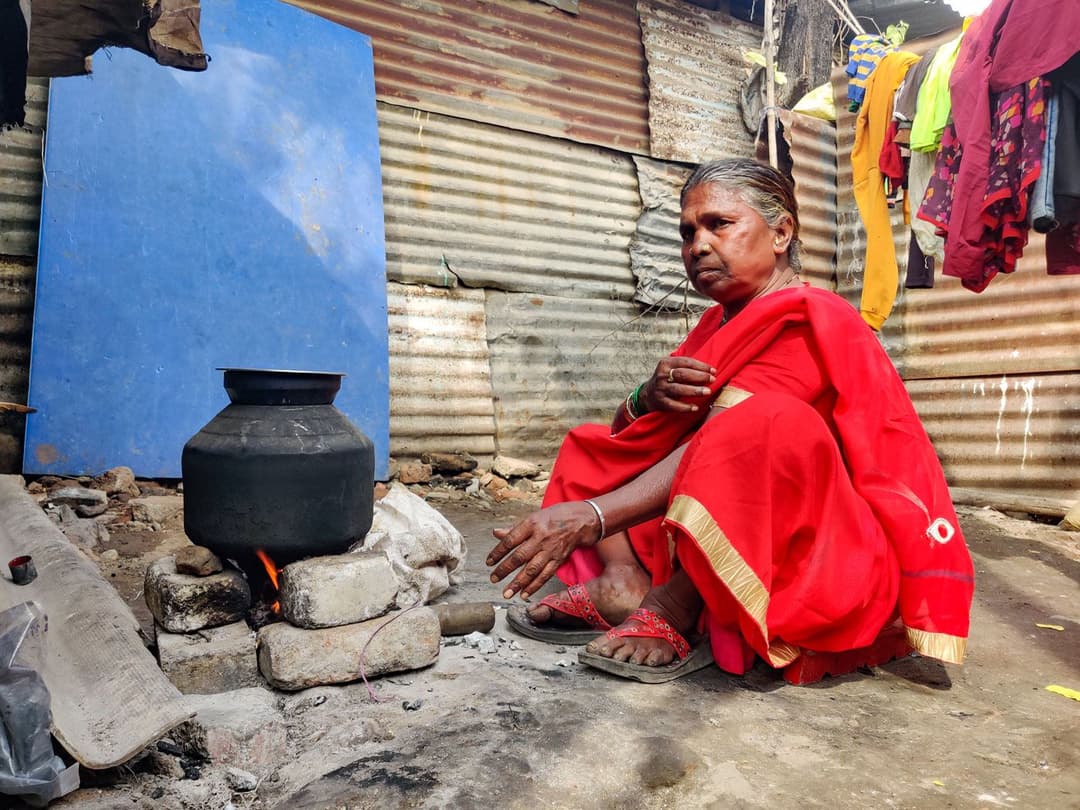
Her forehead creases when she speaks, the lines prominent against the sickly pallor of her face. She limps, slow and hunched over, halting to gather her breath after every few hundred metres. A gentle breeze rustles wisps of grey hair framing her face.
It is impossible to believe that Indravati Jadhav is only 31 years old.
Resident of a slum located on the outskirts of Nagpur city in Maharashtra, Jadhav suffers from Chronic Obstructive Pulmonary Disease (COPD), a potentially fatal condition causing restricted airflow in the lungs, breathing difficulties and, most often, a chronic cough that may eventually damage the lungs. Often called ‘smoker’s disease’, nearly 30 per cent to 40 per cent of COPD cases in low and middle income countries are patients with a history of tobacco-smoking, says the World Health Organisation (WHO).
Jadhav has never touched a cigarette, but her left lung is severely damaged. The WHO says a direct result of household air pollution is caused by cooking on a wood or coal-fired hearth.
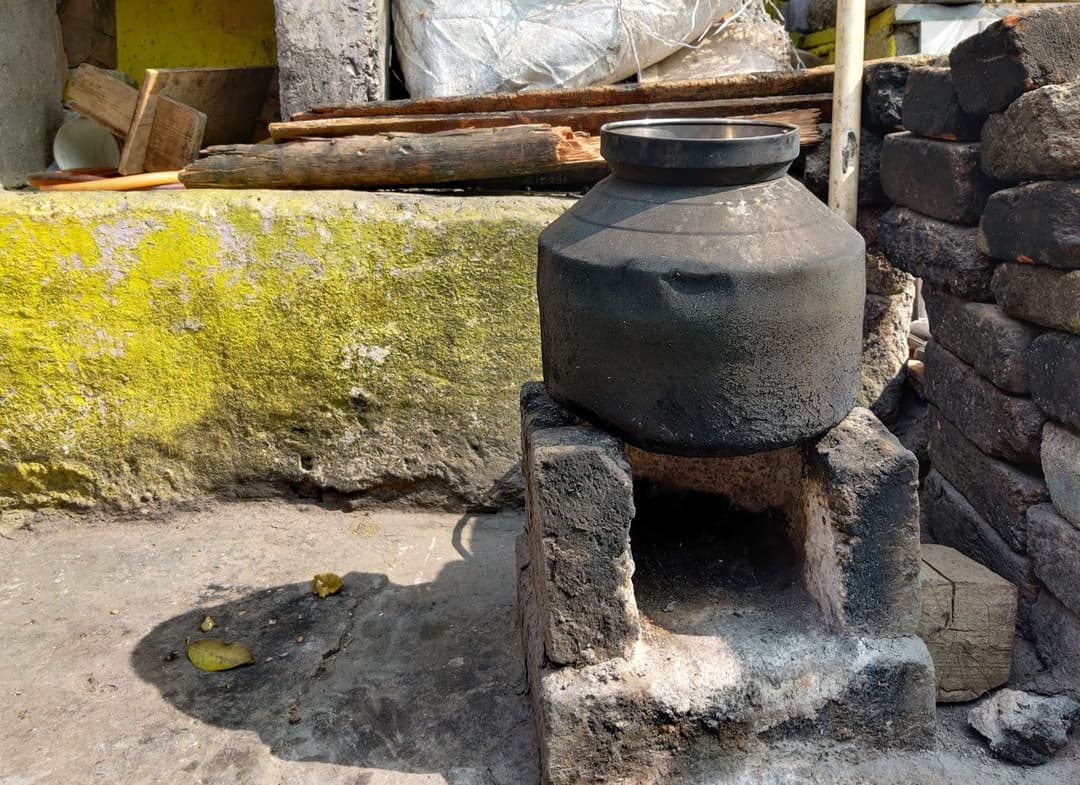
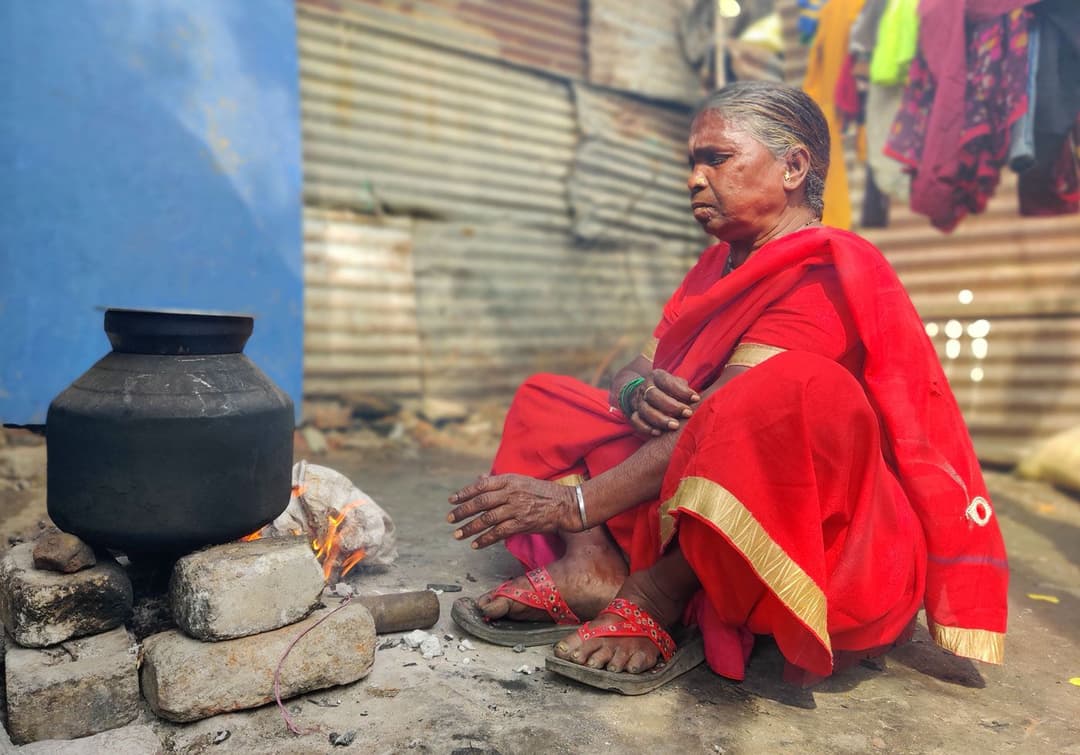
Jadhav has never had access to clean cooking fuel. “We always use firewood or coal on an open stove to cook food or heat water. “Chulivar jevan banvun majhi phuppusa nikaami jhaali ahet [My lungs have become useless by cooking food on the open stove],” she says, repeating what the doctors told her. The pollution from her biomass-burning stove has damaged her lungs.
Around six lakh Indians die prematurely every year due to air pollution, a 2019 Lancet study estimated, and household air pollution is a significant factor in ambient air quality.