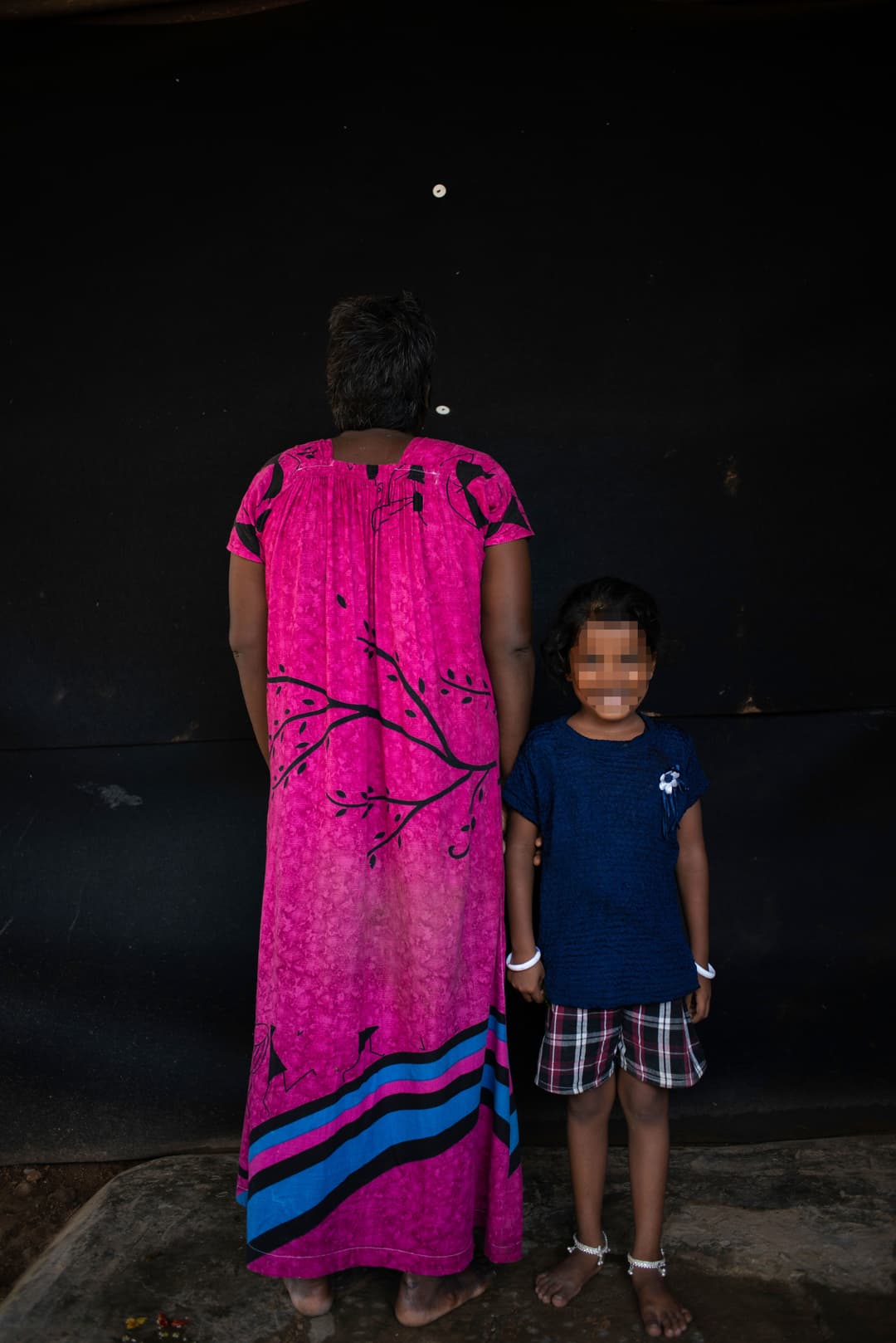


“They would have killed me...” says Aruna, 28, with a dazed look on her face as she watches her six-year-old daughter playing nearby. ‘They’ were members of Aruna’s family, and they could not fathom why she behaved the way she did. “I would fling things. I wouldn’t stay at home. Nobody would come near our house…”
Often, she would wander off in the hills near her home, in Kancheepuram district of Tamil Nadu. And while some would run away from her, fearing she might hurt them, others threw stones at her. Her father would bring her back home, and, at times, tie her to a chair to stop her from going out.
Aruna (not her real name) was 18 years old when she was diagnosed with schizophrenia. The illness affects how she thinks, feels and behaves.
Sitting outside her home in the Dalit colony in Kondangi village, in Kancheepuram’s Chengalpattu taluk, Aruna breaks off the conversation about the tough days. She moves away suddenly. Clad in a pink nightie and sporting closely cropped hair, the tall, dusky woman stoops while walking. She enters her one-room thatched hut and returns with a doctor’s prescription and two tablet strips. “This one puts me to sleep. The other one is to prevent nerve-related problems,” she says, showing the tablets. “I sleep better now. I go to Sembakkam [primary health centre] every month to get the medicines.”
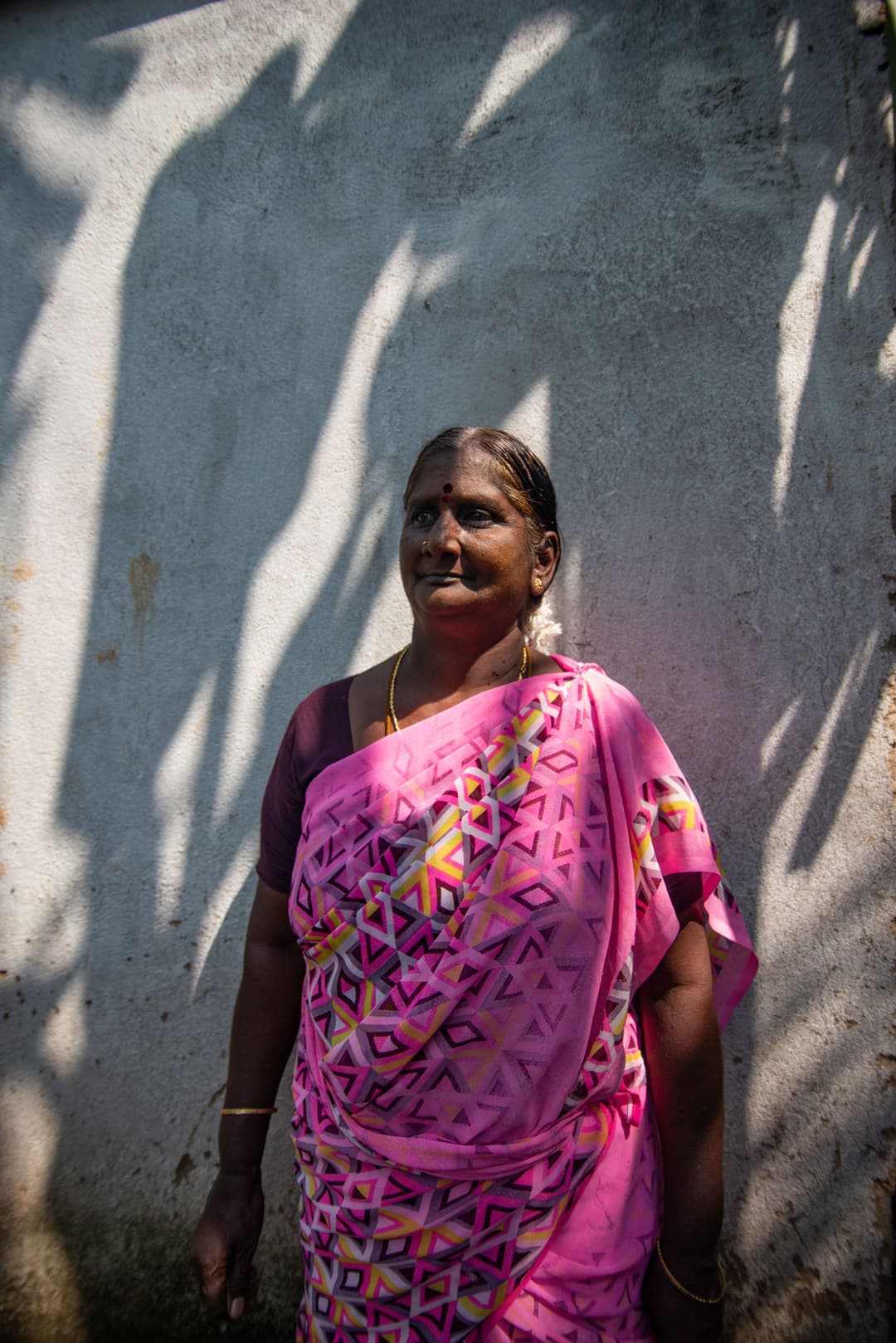
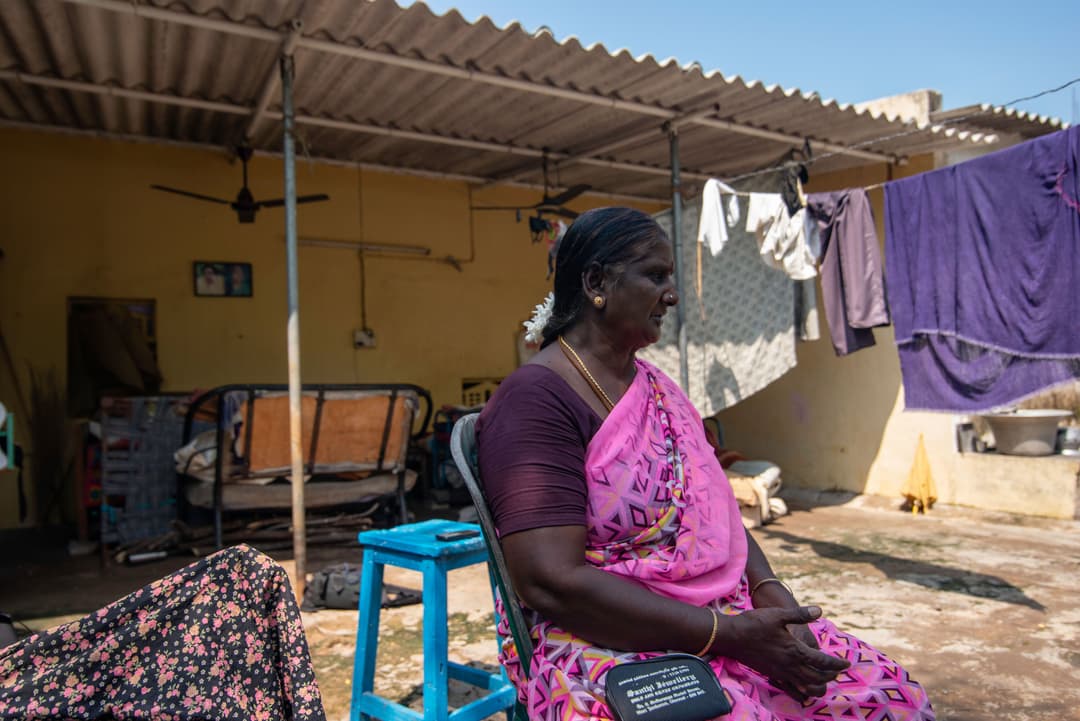
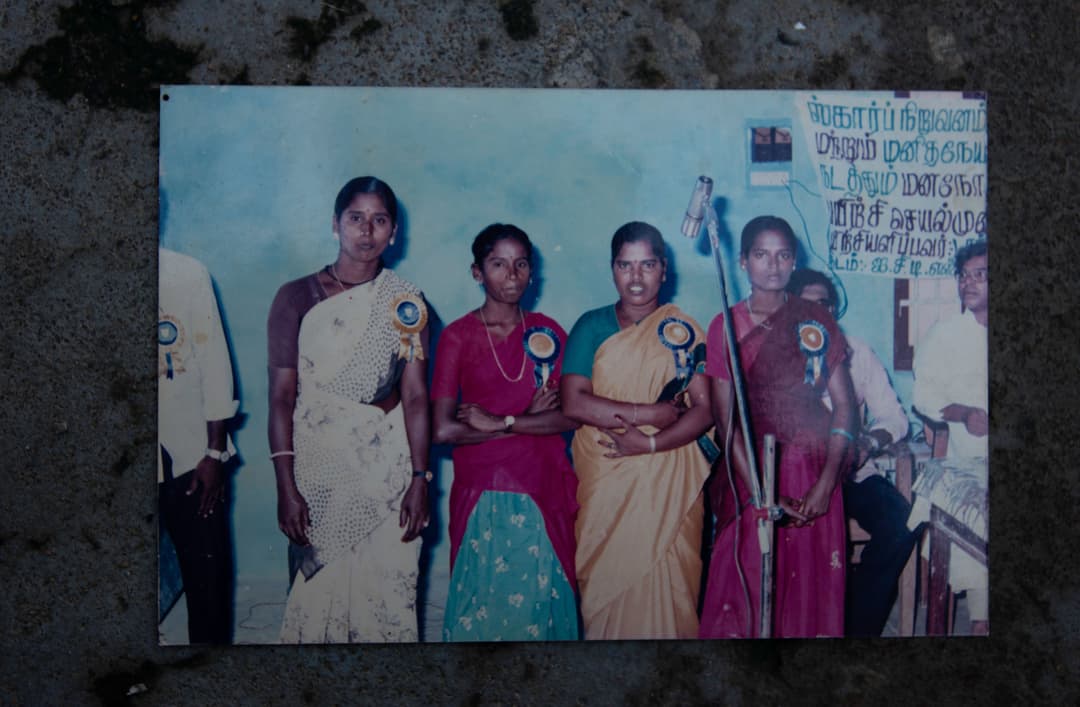
Aruna’s illness might have remained undiagnosed if it hadn’t been for Shanthi Sesha.