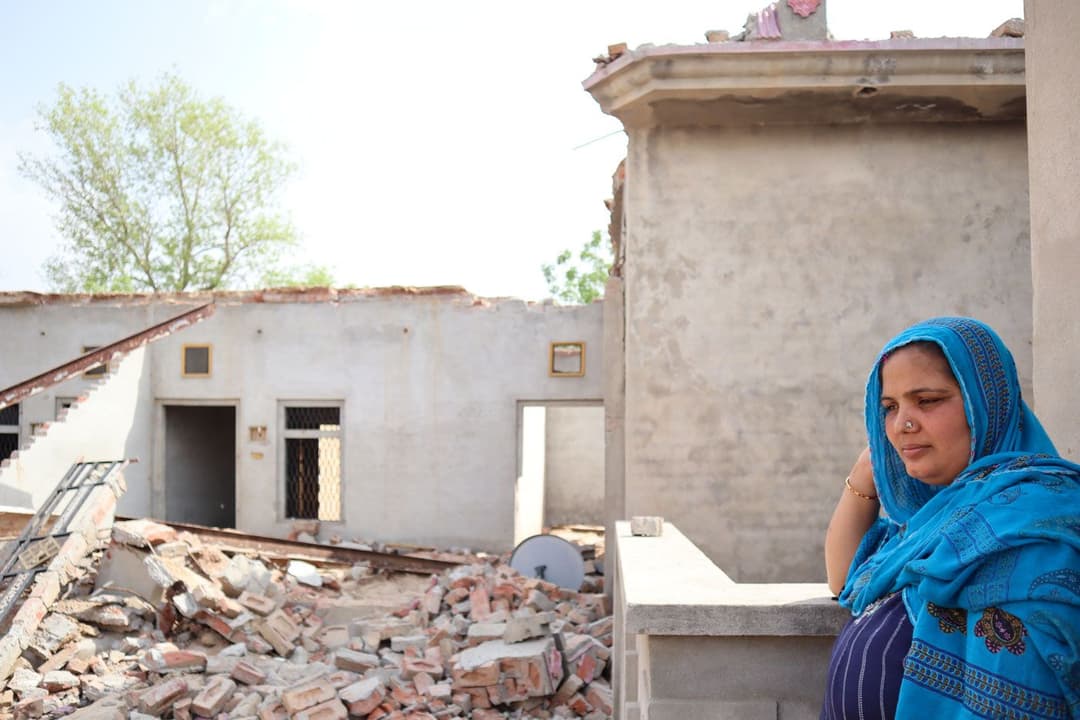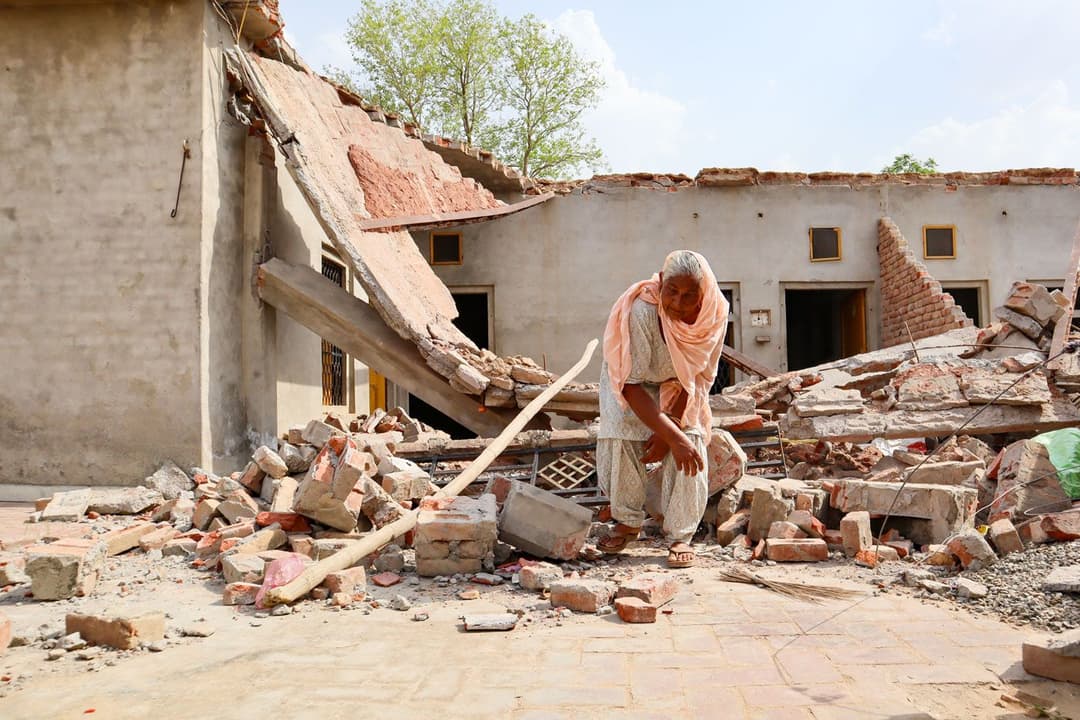

Baldev Kaur, 70, picked her way through the remains of what was once the house her family had built on their farmland. Large cracks ran down the walls of the rooms that still stood.
“When the rain and hail slammed the roof, all of us spent the night wide awake. We were not sure what was happening,” said Baldev, a grey-haired woman dressed in a cotton salwar kameez, her dupatta covering her head. “Then in the morning, when water began leaking through the roof, we all ran outside.”
As the sun came out, the house began to crumble, said Baldev’s younger daughter-in-law, Amandeep Kaur, 26. “Sare paase ghar hi paat gaya. [The house shattered all around us],” said Baljinder Singh, 35, Baldev’s eldest son.
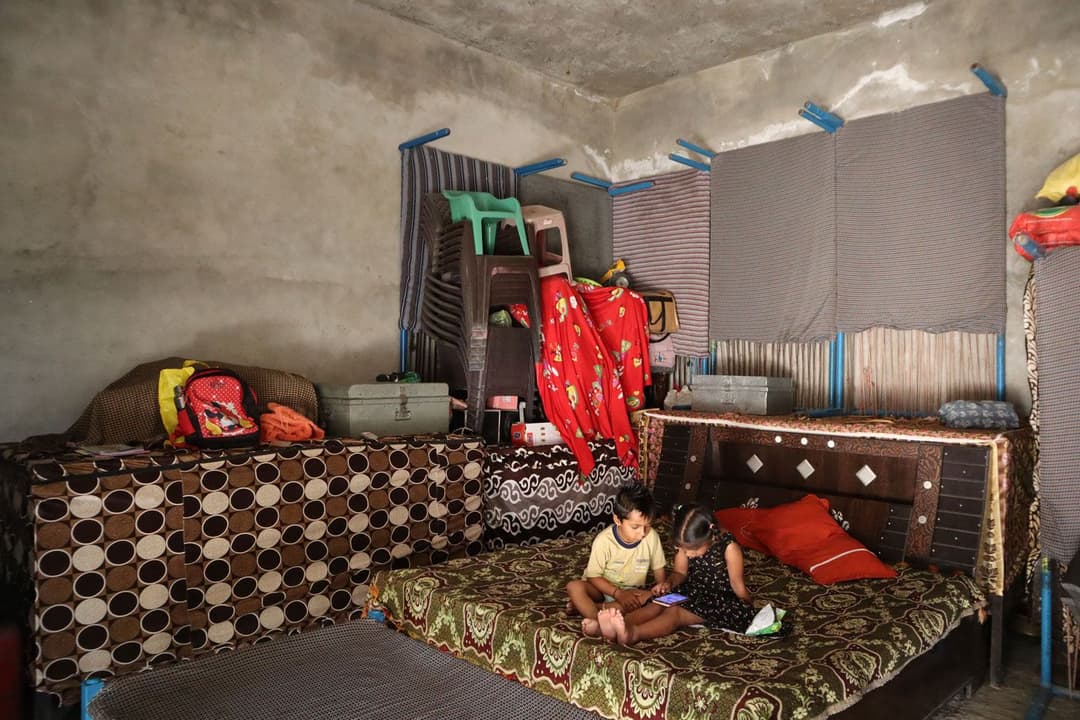
Baldev Kaur and her family of seven, including three children, had never witnessed such devastation before. Untimely rains in late March 2023 accompanied by a hailstorm left crops and homes destroyed in their village of Bhalaiana in Sri Muktsar Sahib district’s Gidderbaha block. This region of south-western Punjab shares a border with Rajasthan to the south and Haryana to the east.
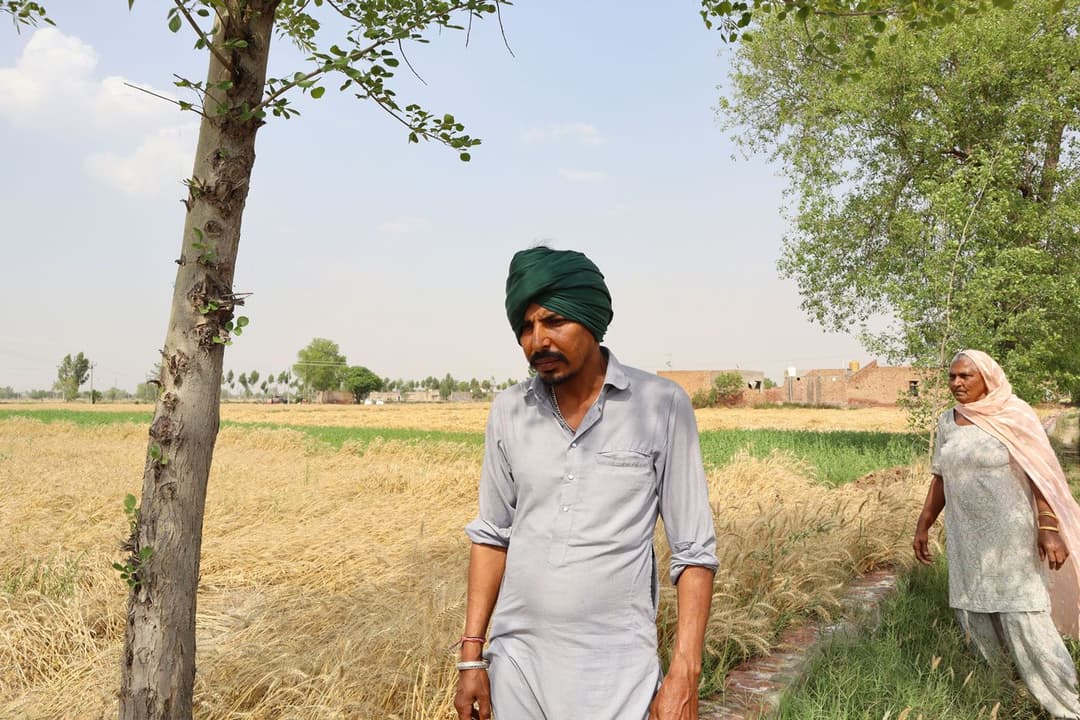
As rain and hail continued over three days, Baljinder was a troubled man. They had borrowed Rs. 6.5 lakh from an arthiya (agricultural produce agent) to rent 10 acres of farmland in addition to the family-owned 5 acres. Without their wheat crop, there was neither sustenance for the family nor a way to repay the loan.
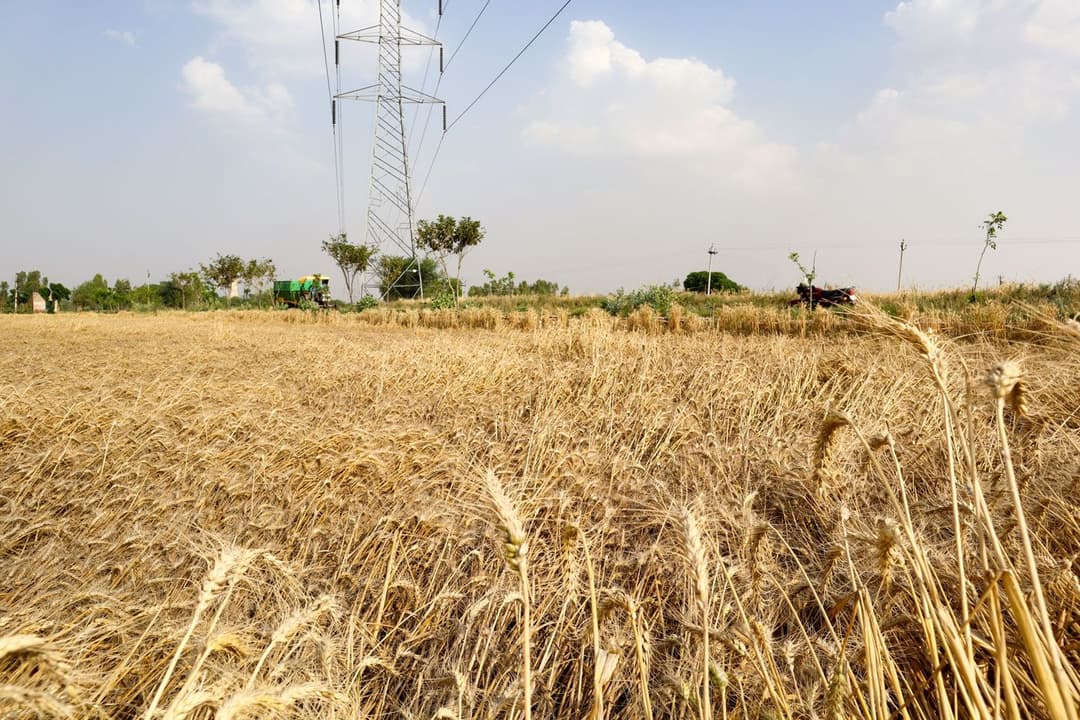
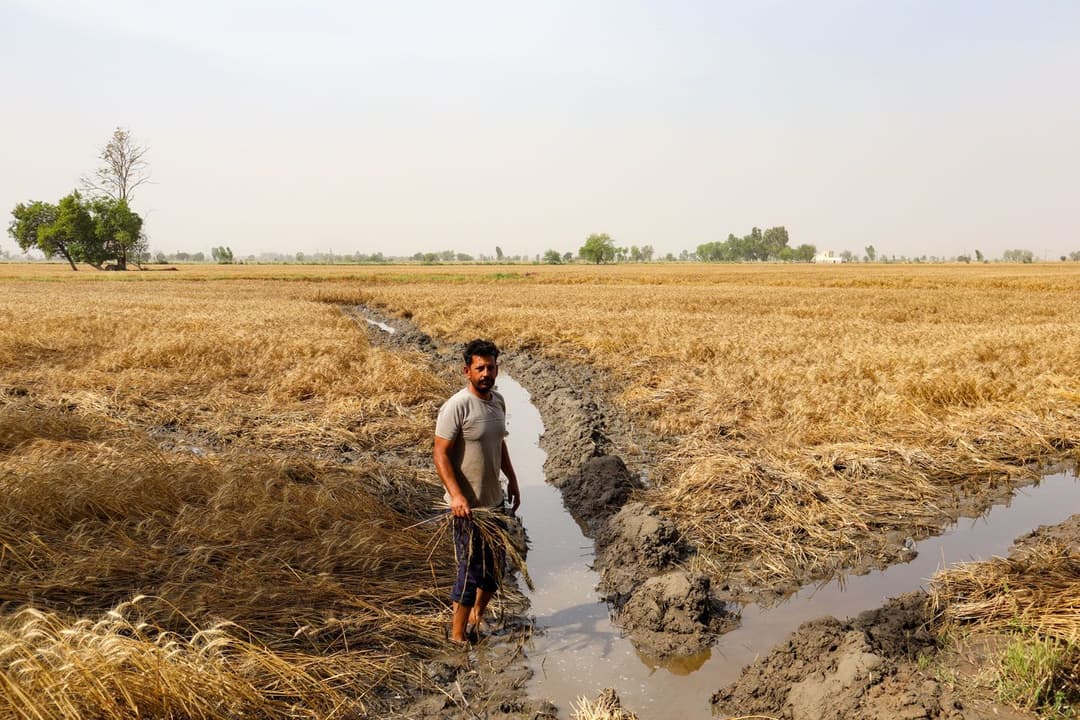
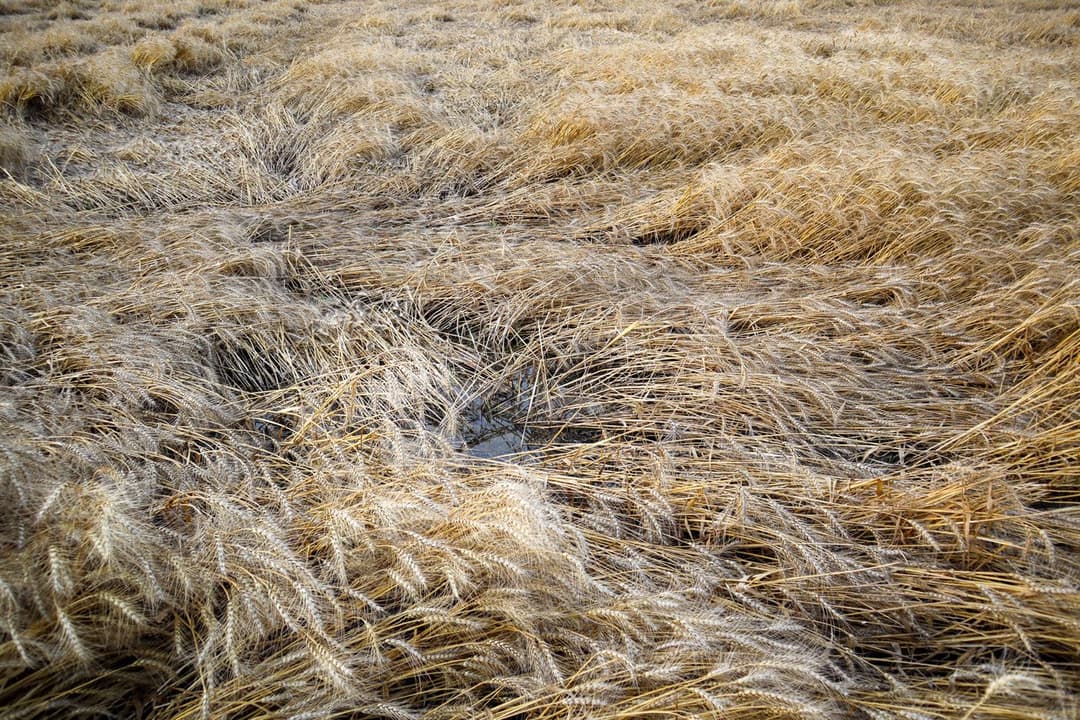
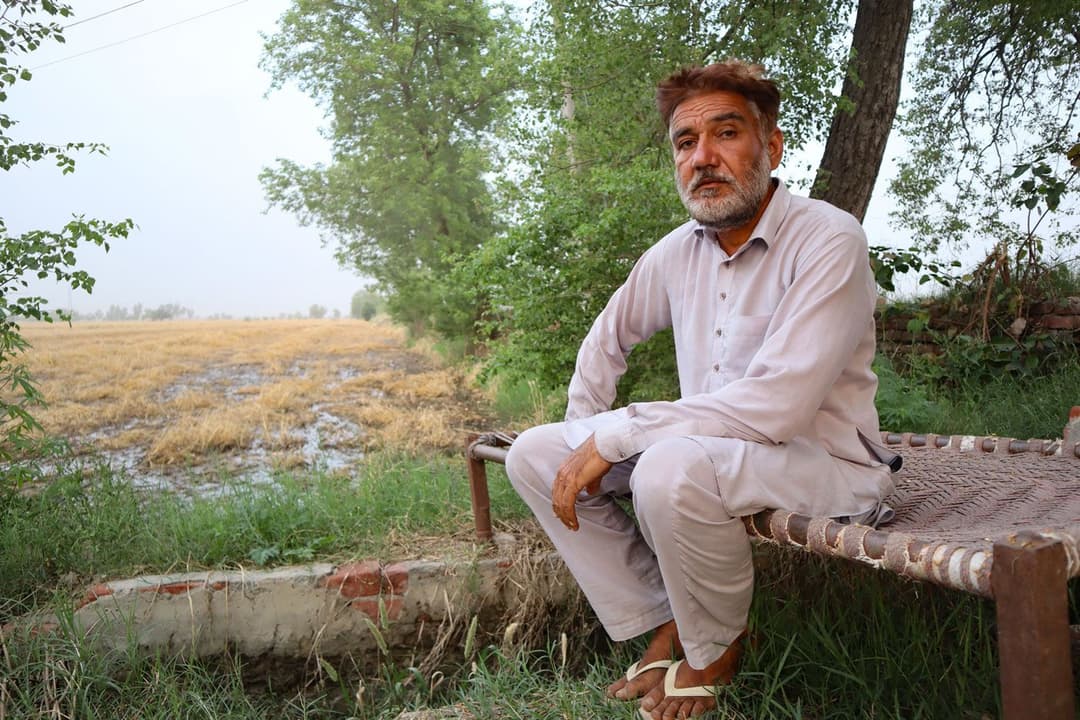
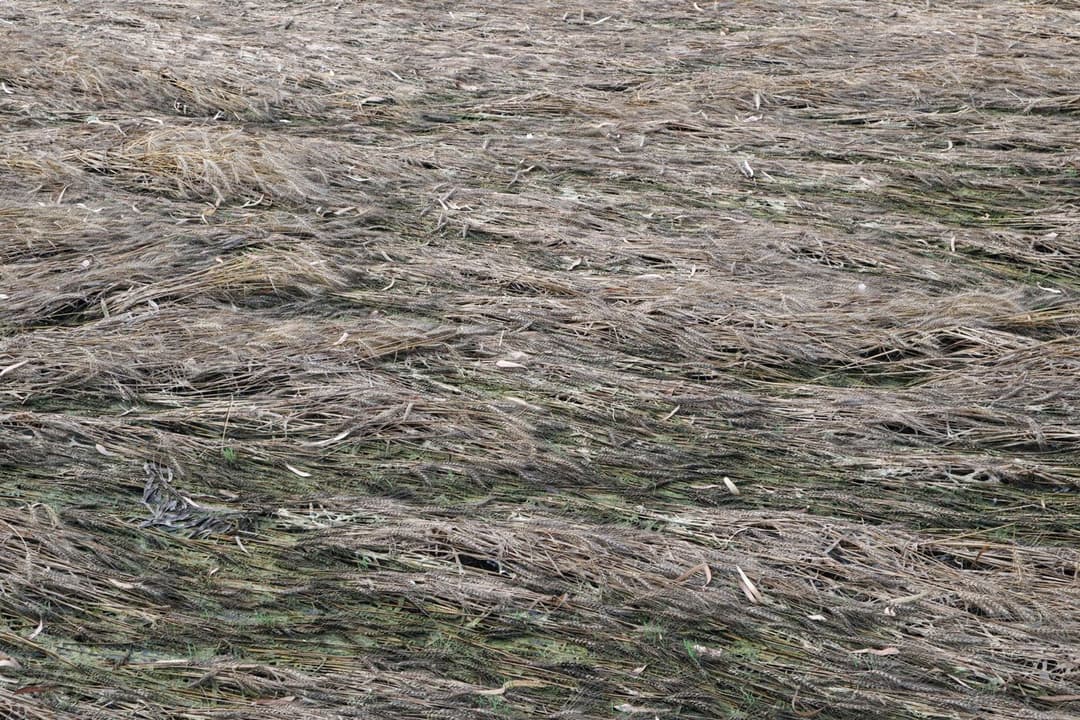
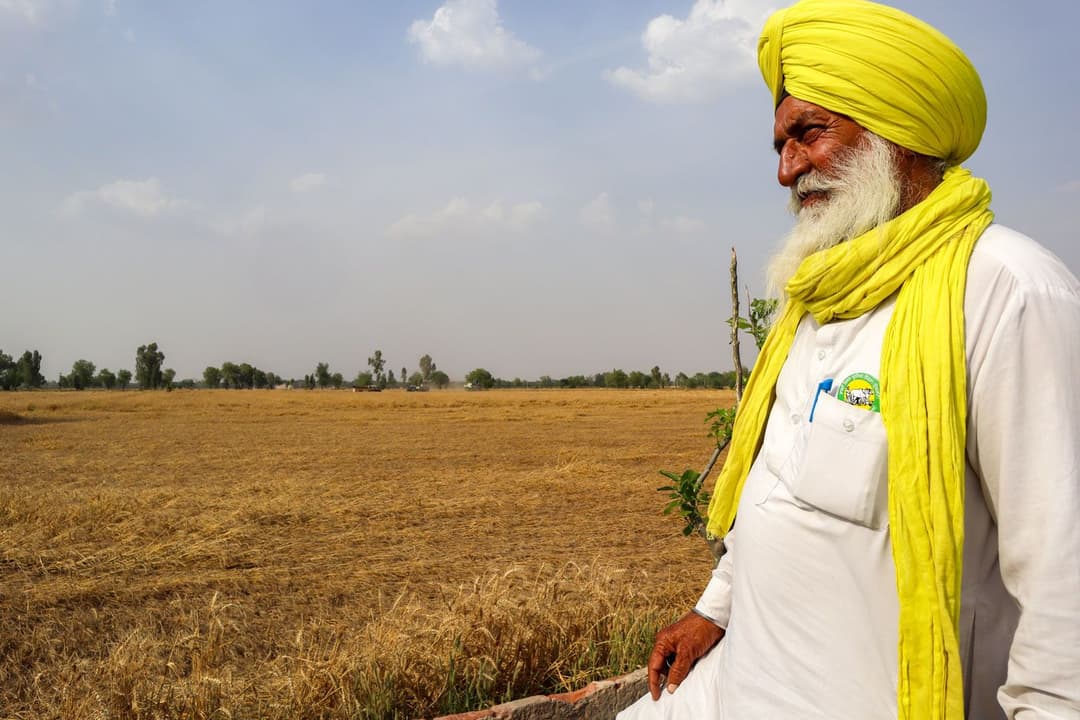
“The crop that had begun ripening was first ruined by the hailstorm. Then when it rained, the entire field was waterlogged for days. The water had nowhere to go, and the crop continued rotting in it,” Baljinder said. “Even now the crop lies flattened in the 15 acres of land,” Baljinder said in mid-April.