
Rushikesh Ghadge was emotional when wrestler Ravi Dahiya stood on the podium in Japan to receive his Olympic Silver medal on August 5. It had been a while since he had felt such absolute joy.
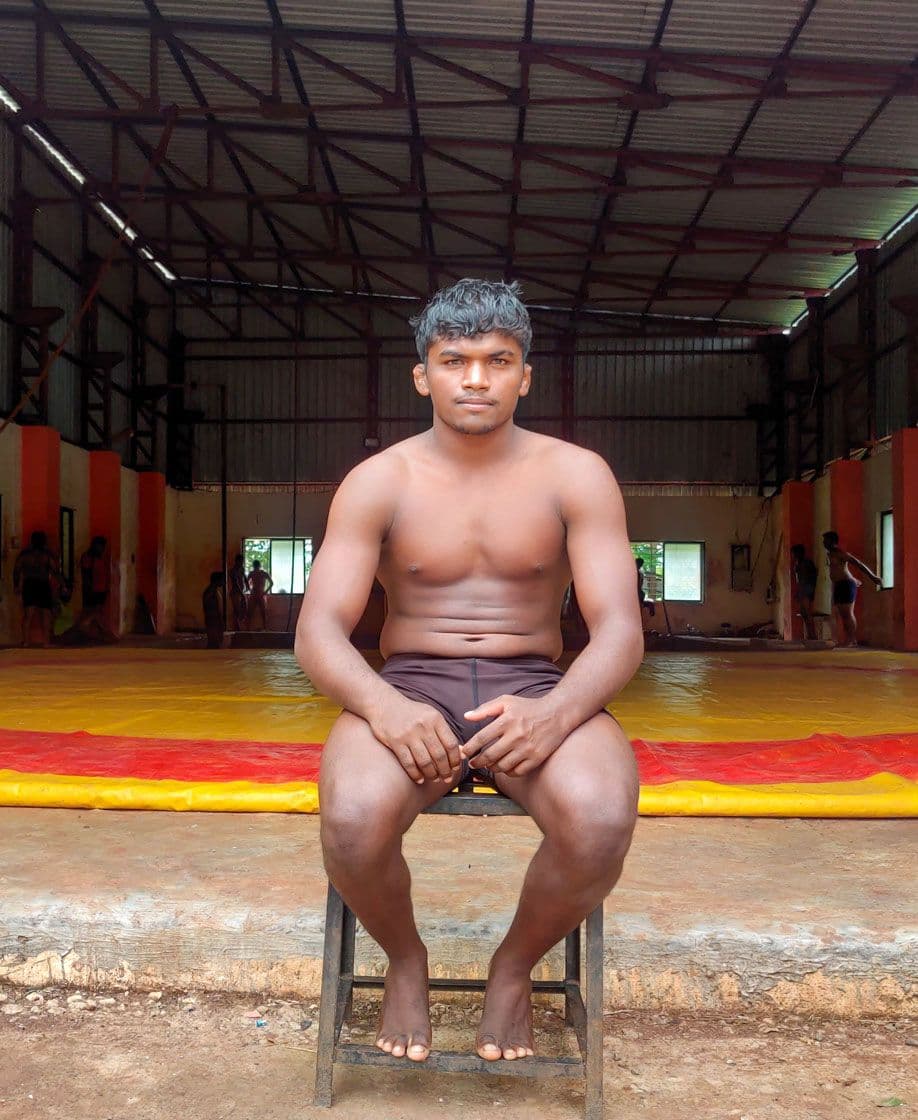
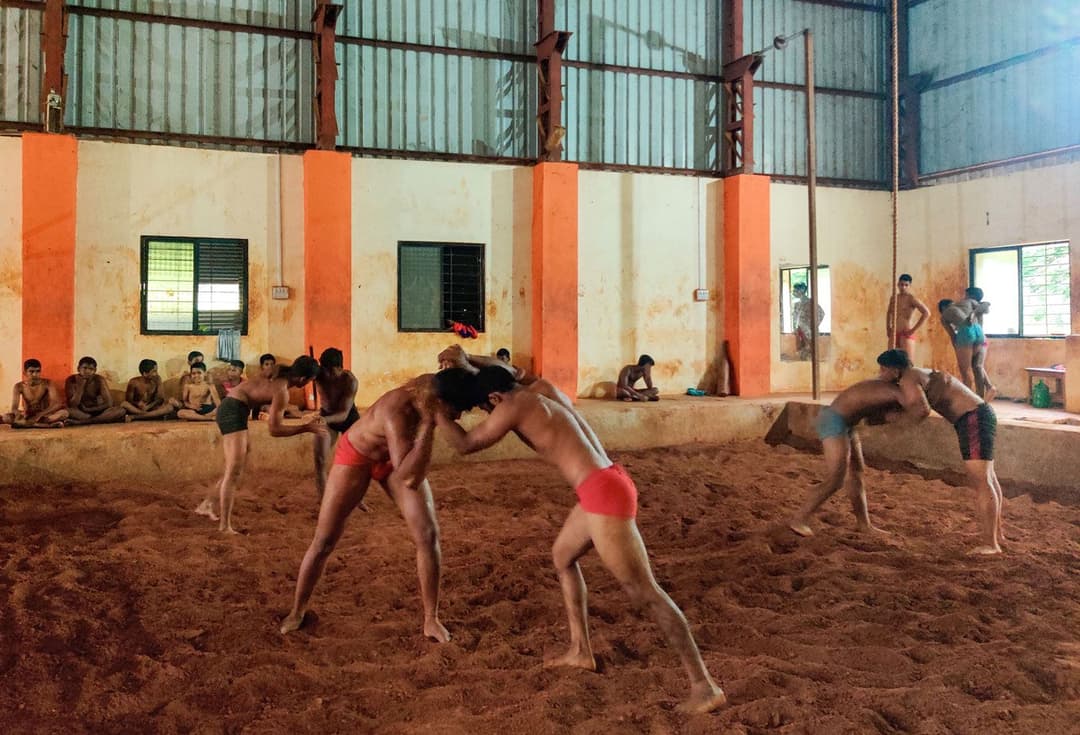
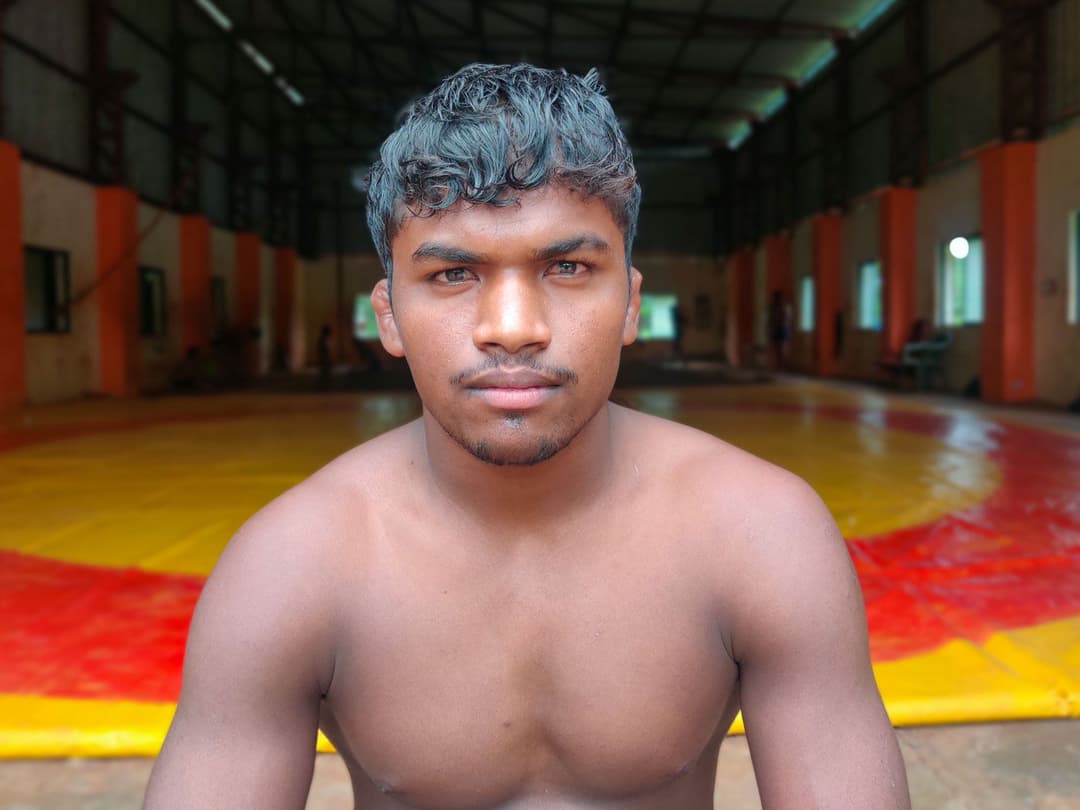
An aspiring wrestler from Maharashtra’s Latur district, Rushikesh, 20, has had a frustrating 18 months since the outbreak of Covid-19 in March 2020. And the situation is unlikely to change in the foreseeable future. “It is depressing,” he says. “I feel like I am running out of time.”
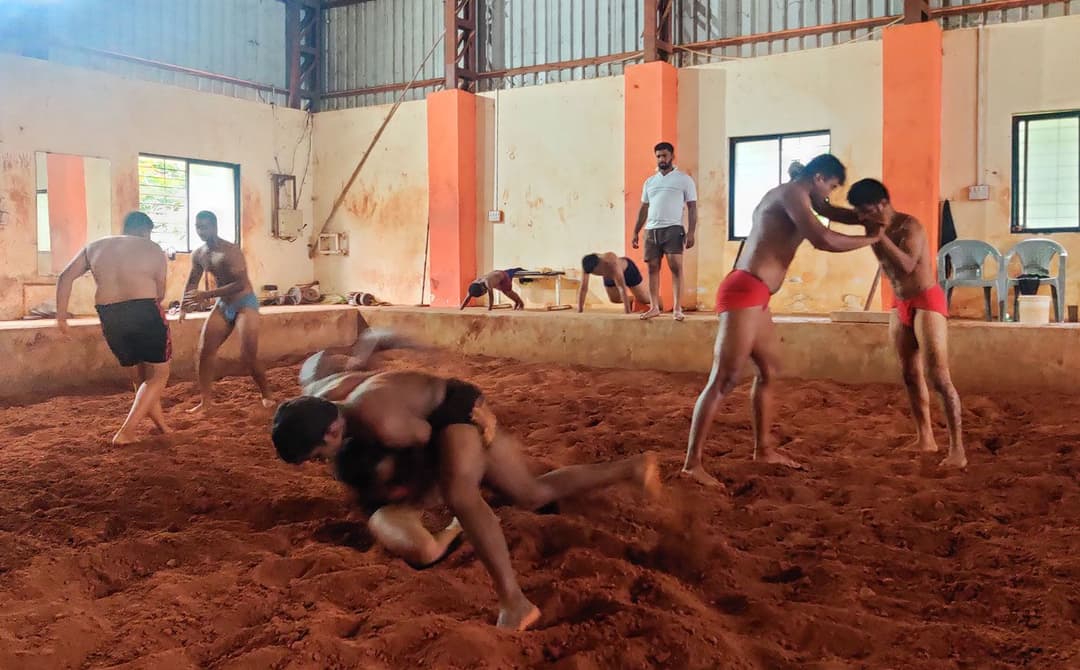
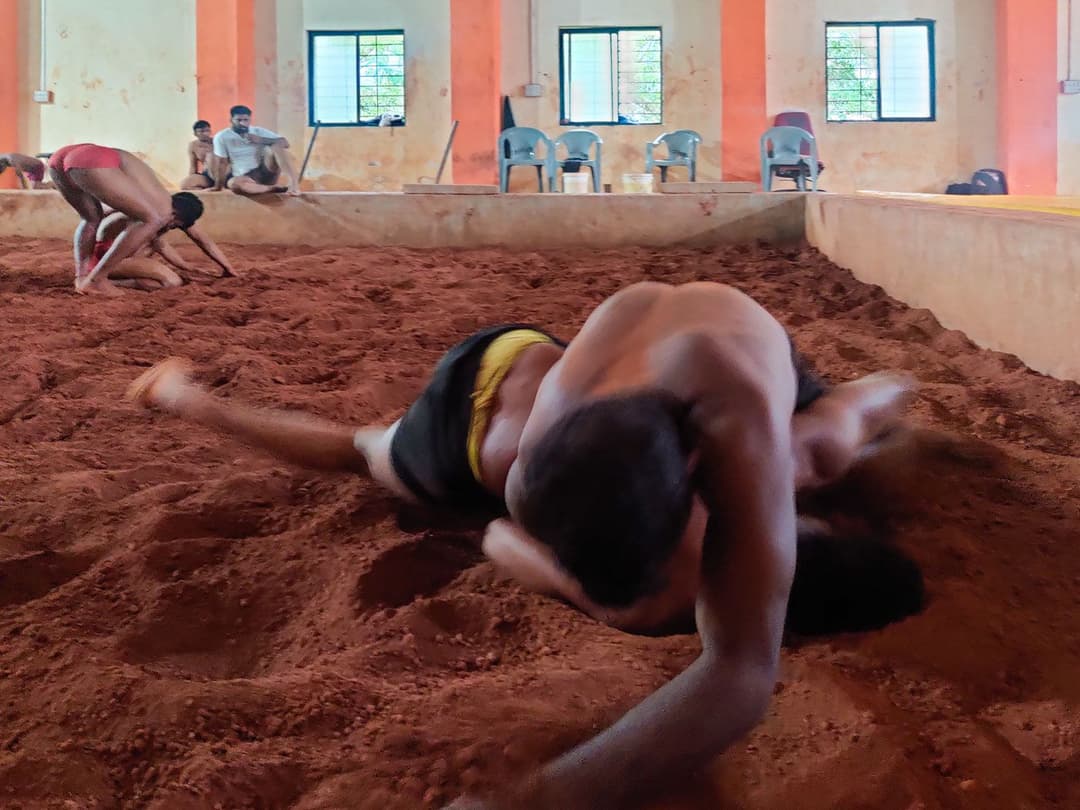
With a wistful smile, he points out the vexing problem: “How do you practice wrestling and physical distancing at the same time?”
To cheer himself up, Rushikesh keenly watched the Tokyo 2020 Olympics with his friends at Hatlai Kusti Sankul, a wrestling academy on the outskirts of Osmanabad city. When the Games concluded on August 8, India finished with its best ever Olympic tally of seven medals – two of which were won in wrestling.
Dahiya’s silver medal and Bajrang Punia’s bronze – in the men’s 57kg and 65kg freestyle wrestling events respectively – have inspired wrestlers like Rushikesh who belong to families with modest means. Speaking to the Press Trust of India in Tokyo after his win, Dahiya, 23, the son of a tenant farmer from Nahri village in Haryana, said that his family had sacrificed a lot to see him succeed. But his village, which had raised three Olympians, was lacking in basic facilities. “It needs everything… good schools as well as sports facilities,” he said.