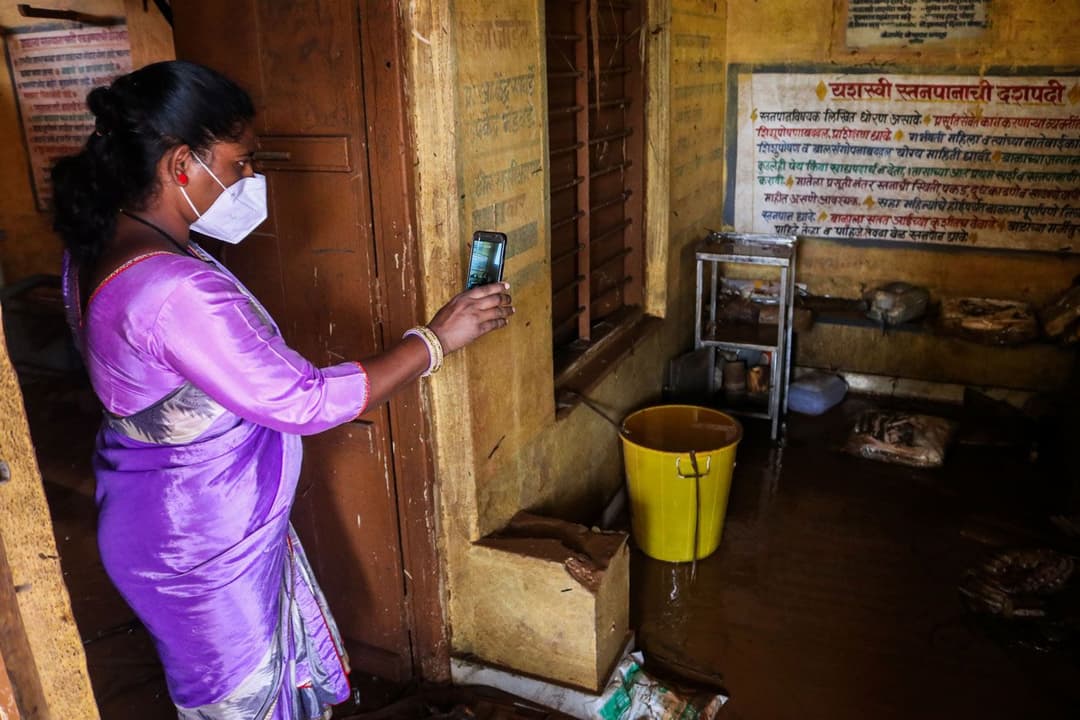
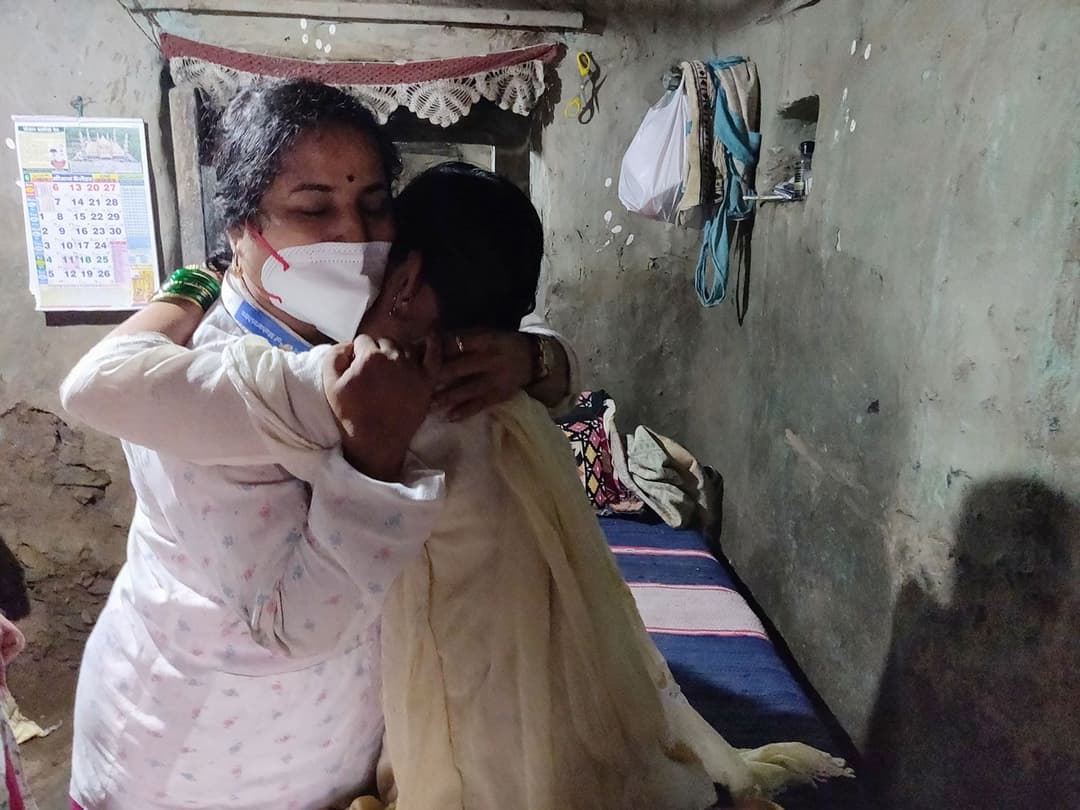
When flood water started entering her home in July 2021, Shubhangi Kamble fled leaving her belongings behind. On her way out, though, she quickly grabbed two notebooks.
Over the weeks and months ahead, these two books, 172 pages each, would help her save many lives.
For that was the time when her village, Arjunwad, in Maharashtra’s Kolhapur district, was already dealing with another calamity – a rapid rise in Covid-19 cases. And neatly written on the pages of Shubhangi’s notebooks was all the information related to the coronavirus cases in the village, including contact numbers, address, details of other members in the family, their medical history, health records, and so on.
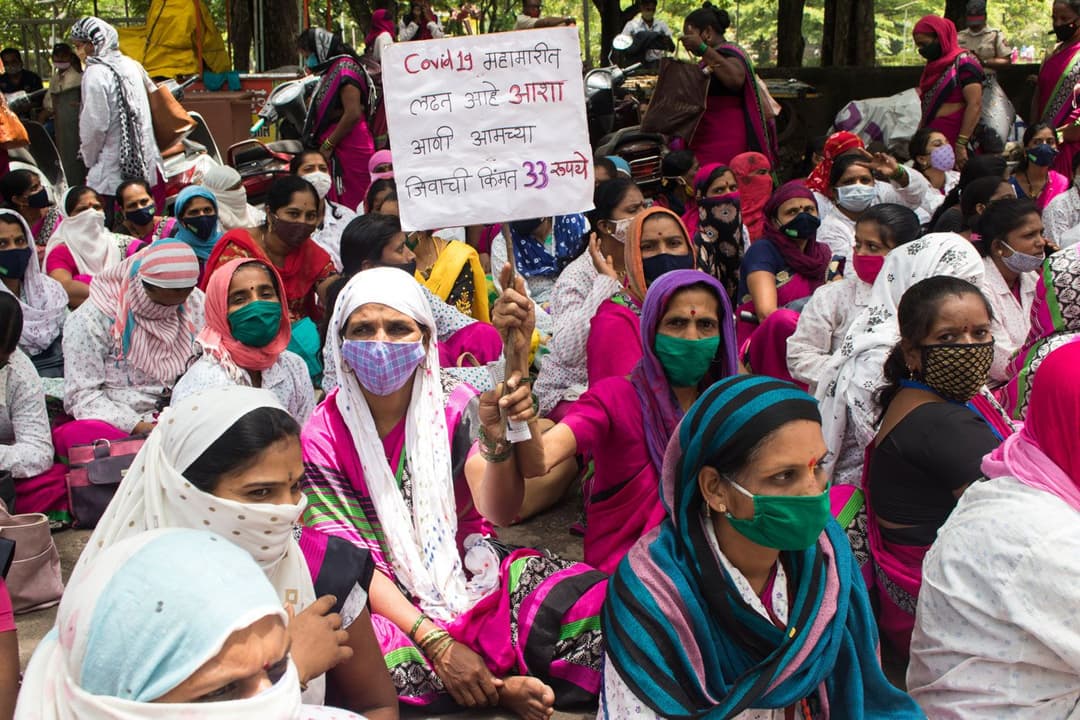
“Covid reports [of RT-PCR tests conducted in the village] would first come to me,” says the 33-year-old Accredited Social Health Activist (ASHA), one of a million women community health care workers appointed under India’s National Rural Health Mission of 2005. Her notes helped her track down a Covid-positive villager who had been moved to a flood relief camp in Shirol taluka, exposing at least 5,000 other people to the virus.
“Because of the floods, many people’s phones were switched off or out of network coverage,” she says. Shubhangi, who had moved to her mother’s house in Terwad, 15 kilometres away, immediately searched her handwritten records and found phone numbers of some others at the camp. “I somehow managed to contact the patient.”