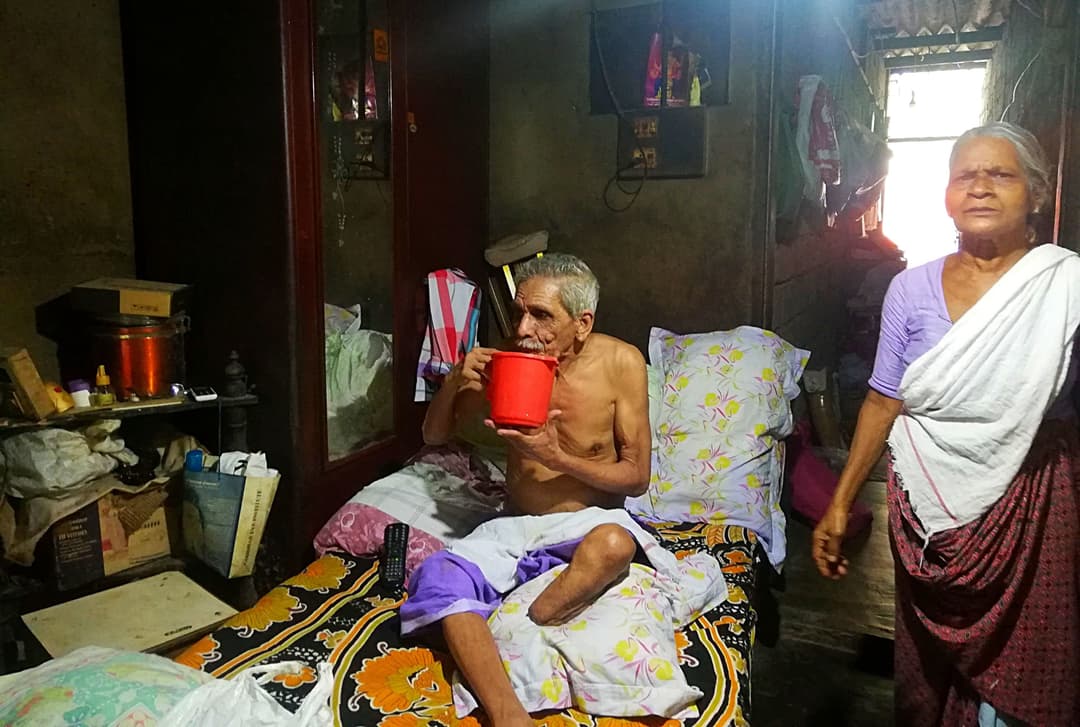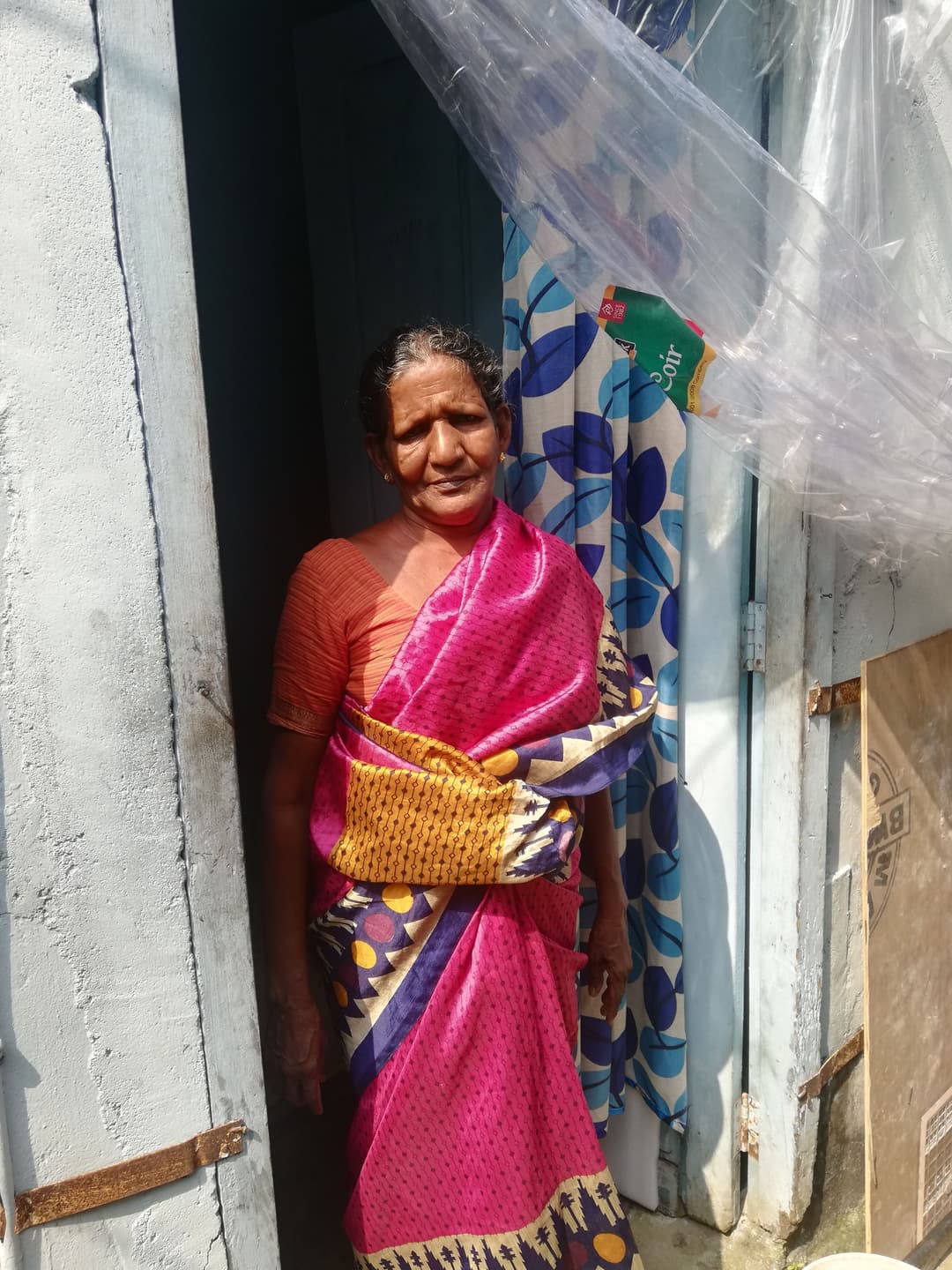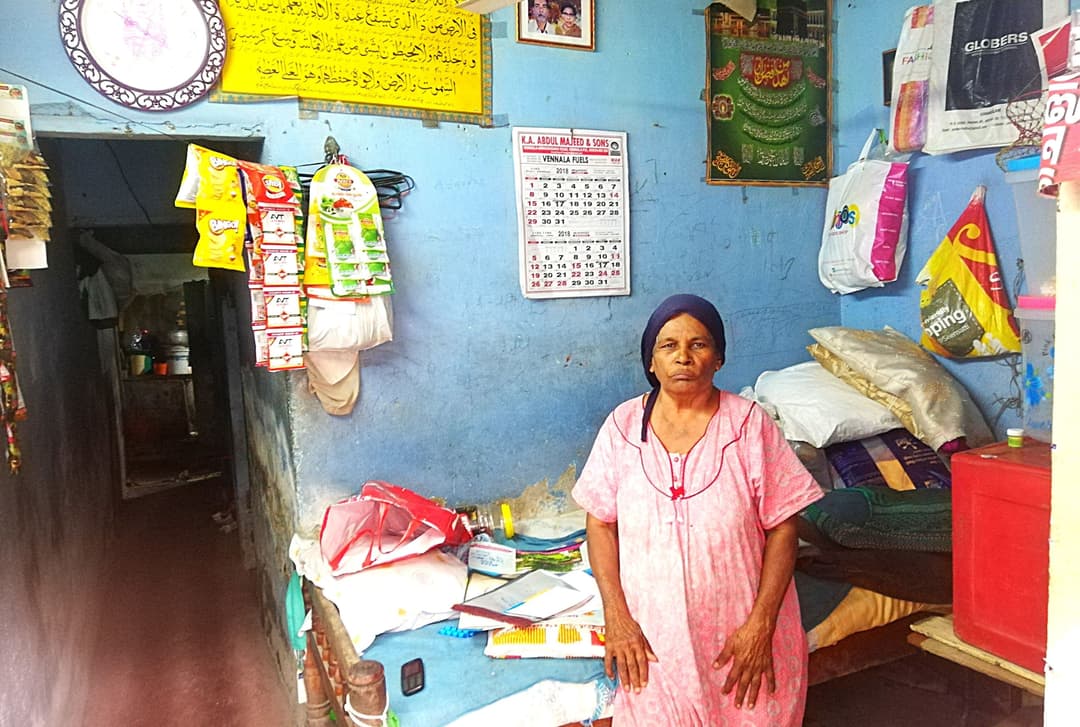

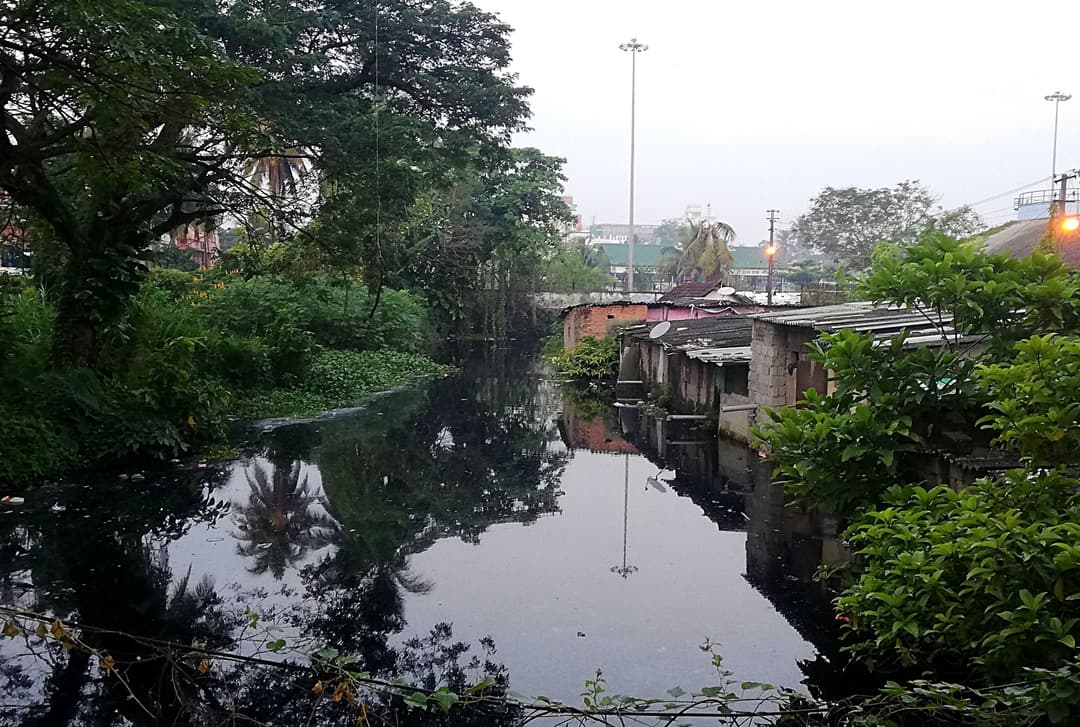
As Sathi Mani gets ready to turn in for the night, she looks around her house and does a quick check: her important documents and best clothes are wrapped in plastic and hung on the walls; cooking utensils are on cement slabs two feet above the ground.
“I have woken up many times at 2 a.m. to find water flooding my home. I’ve lost count of the pillows and bedsheets I have had to throw away because of black stains and the stench which remains even after washing,” said Sathi, a 65-year-old resident of P&T Colony in Gandhi Nagar, which runs along one side of the Thevara-Perandoor (TP) canal in Kochi, Kerala.
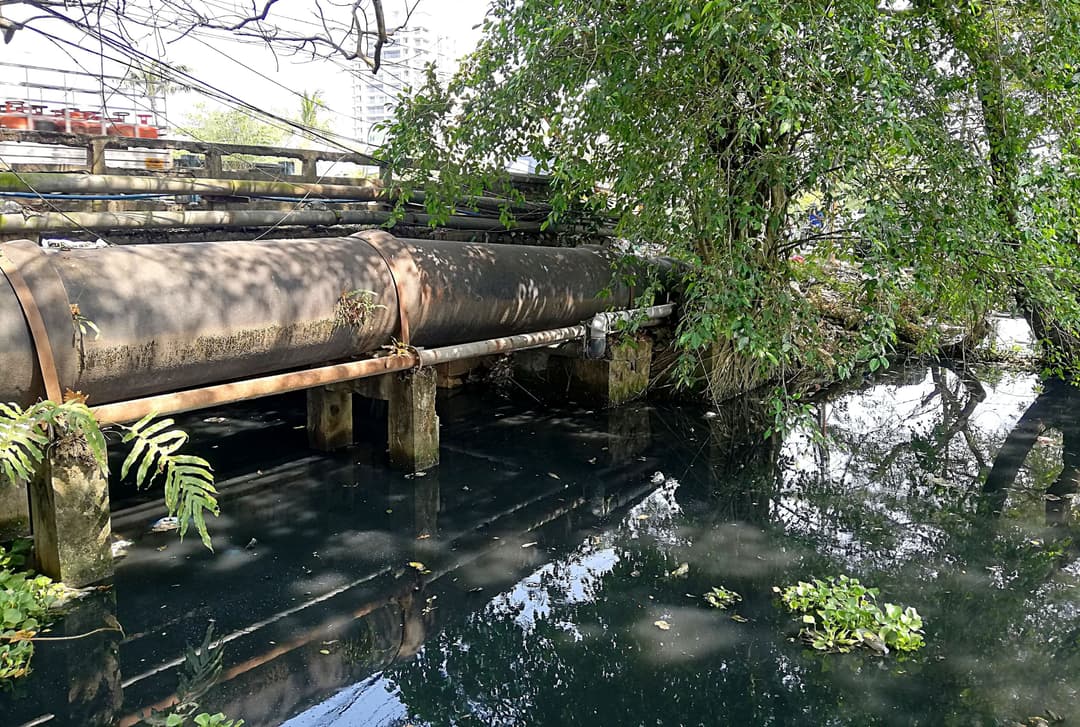
The TP canal flows from Perandoor Puzha in the north to Thevara in the south of Kochi. It travels a distance of about 9.84 kilometres before draining into the city’s backwaters. The canal is one of 11 major waterways that run through Kochi, some of which the state plans to promote as waterways to ease the traffic congestion in and around Ernakulam.
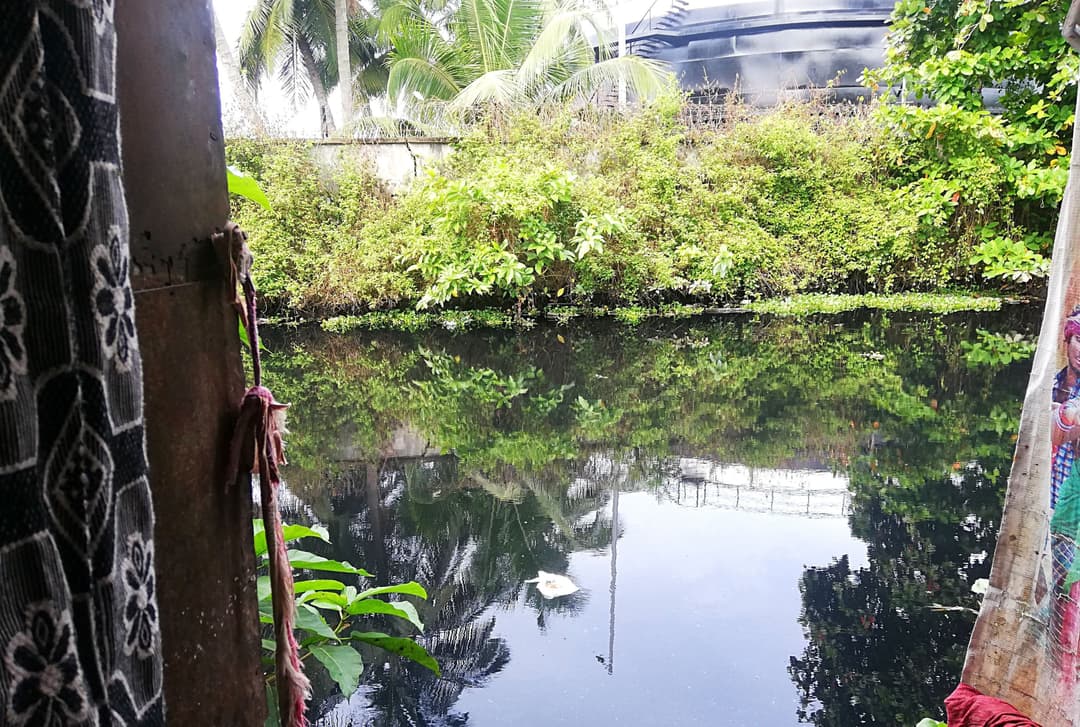
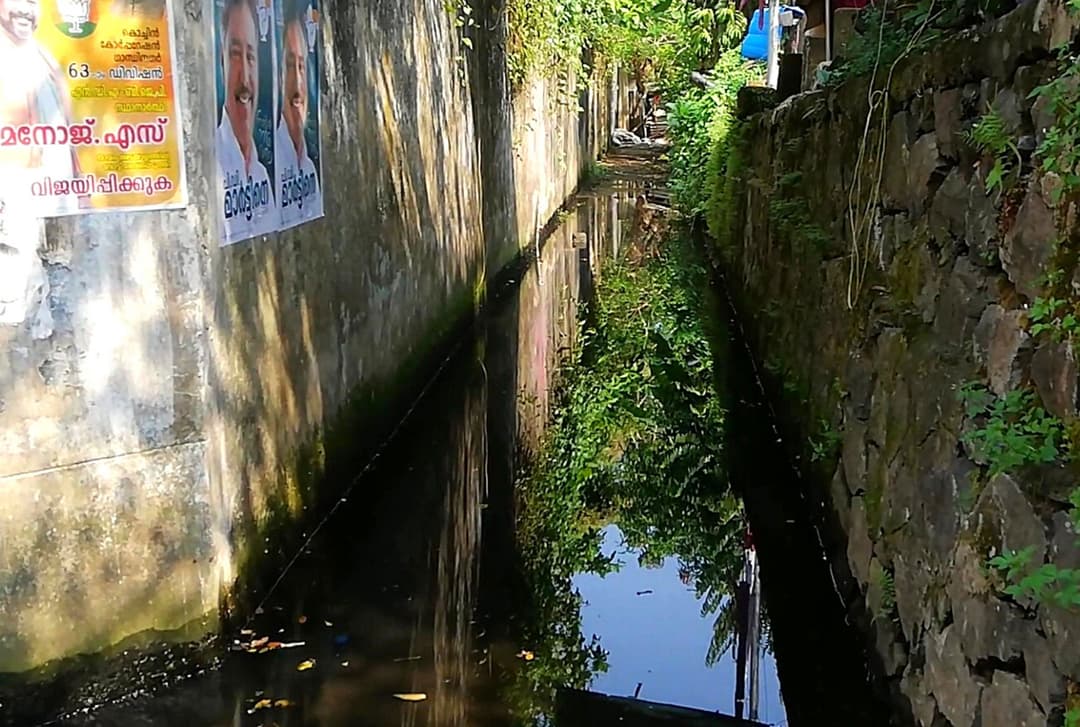
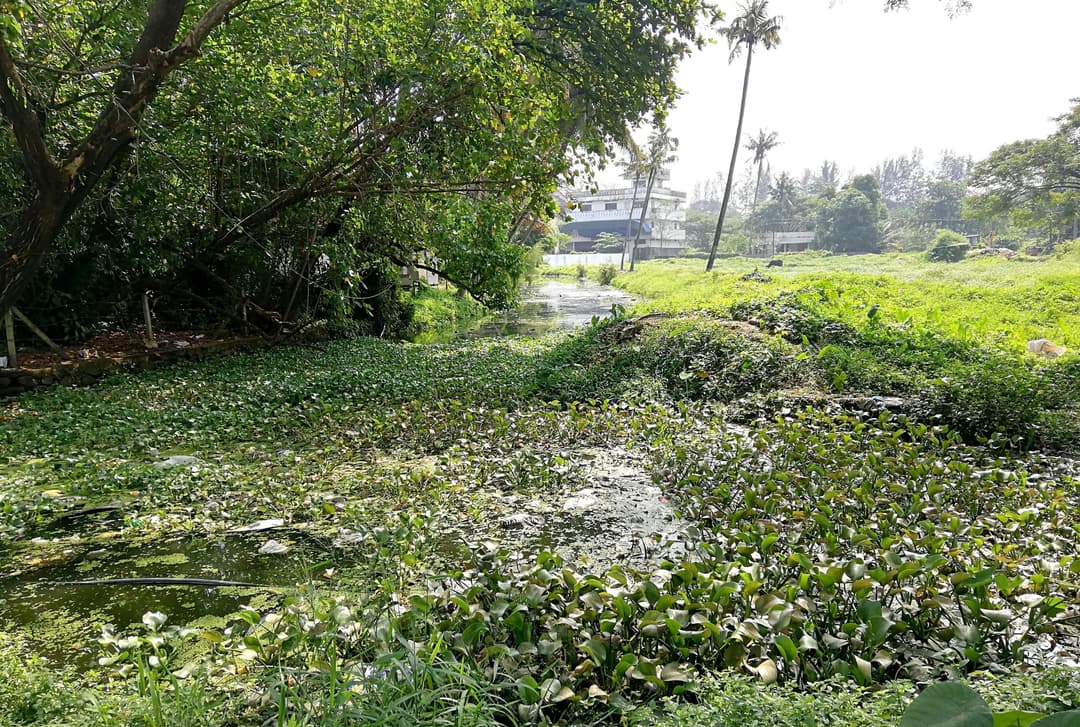
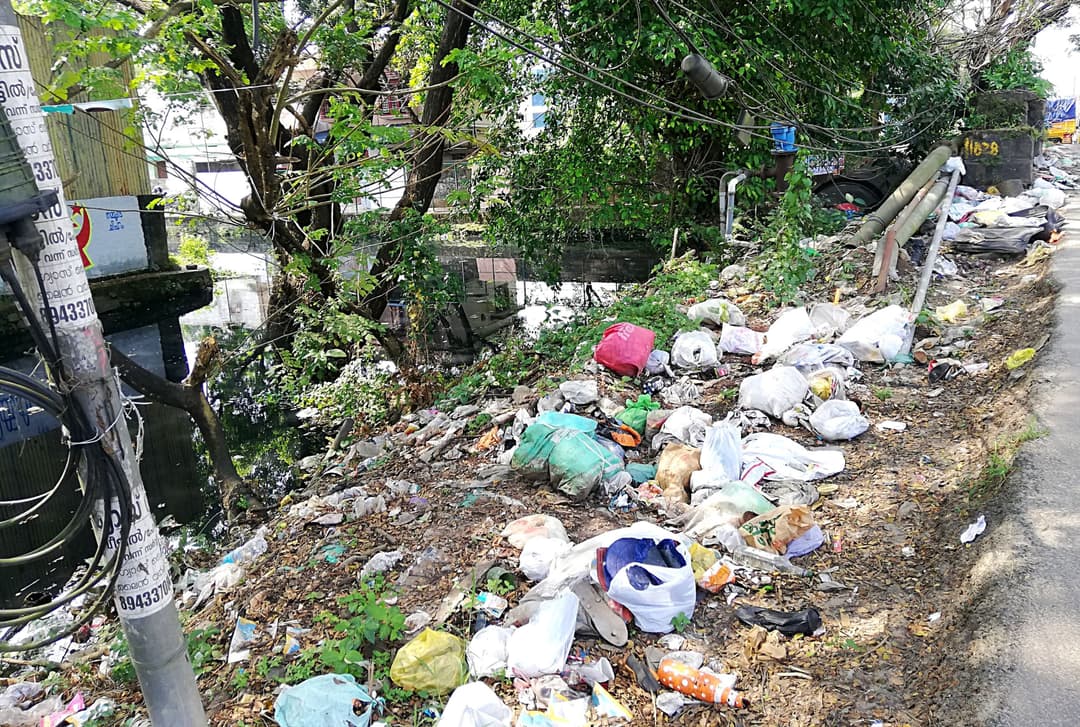
Over the last three decades, as Kochi city has doubled its population to 2.1 million, the less-than-a-metre-deep TP canal has deteriorated into an open sewer; it is blocked at two places by metro construction work and lack of inflows. The waste from hospitals, local markets, industries and houses that line the canal, empties directly into it. About 632 outlet pipes and 216 street drainage channels flush raw sewage, industrial effluents and rain water into the canal. With dry waste lining the banks, the width of the canal has shrunk to a mere 8 metres in places.
Sathi’s house, like all the others in the P&T Colony, is located on the canalside, behind the Ernakulam Junction railway station. The colony occupies a roughly 250-metre stretch of poramboke land (unoccupied tracts that are the property of the government or reserved for public purposes). Residents here say that building a makeshift home on poramboke land was a cheaper option than renting. Over time, they replaced their thatch and tarpaulin homes with semi pucca houses, using concrete blocks and tin roofing donated by the local parish two decades ago.