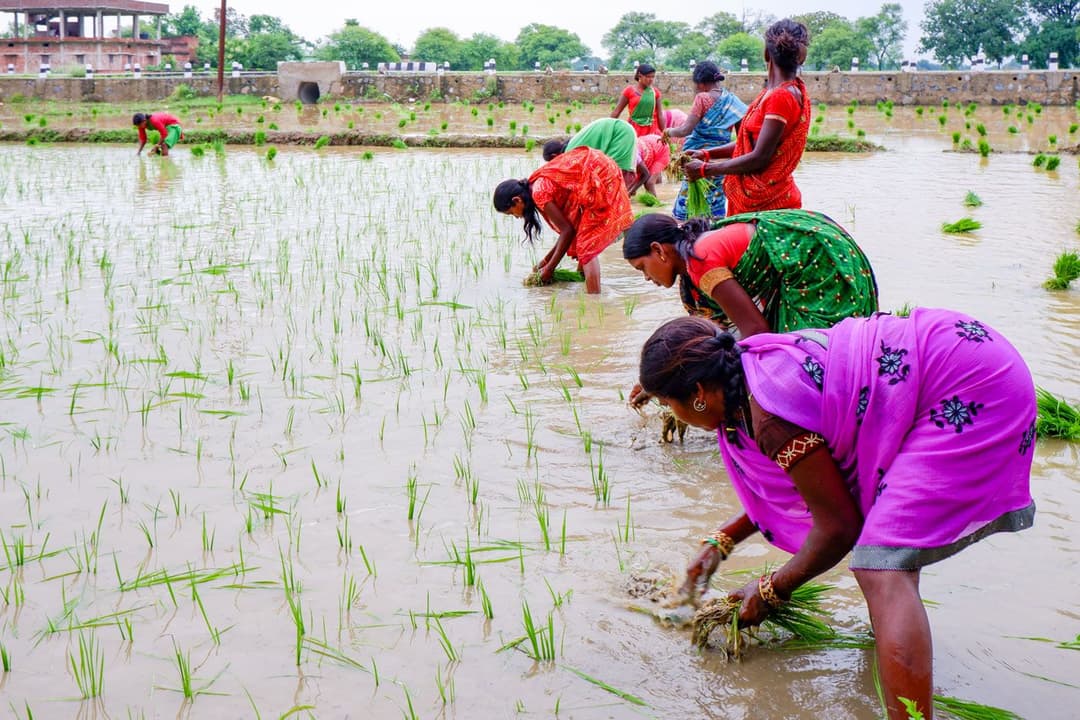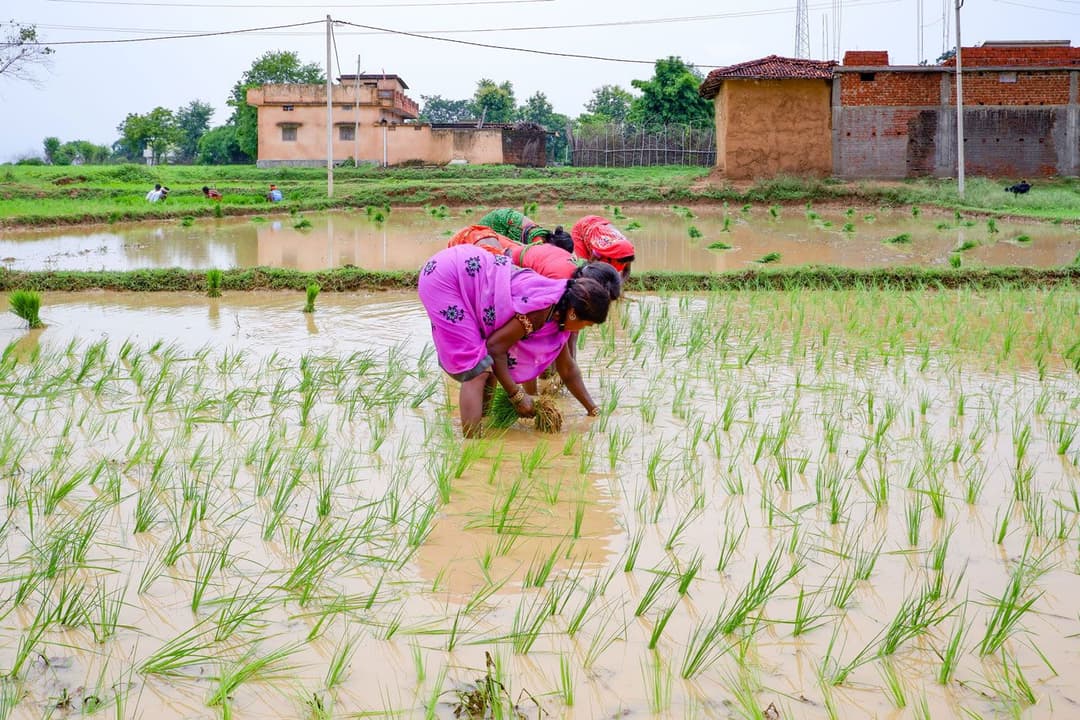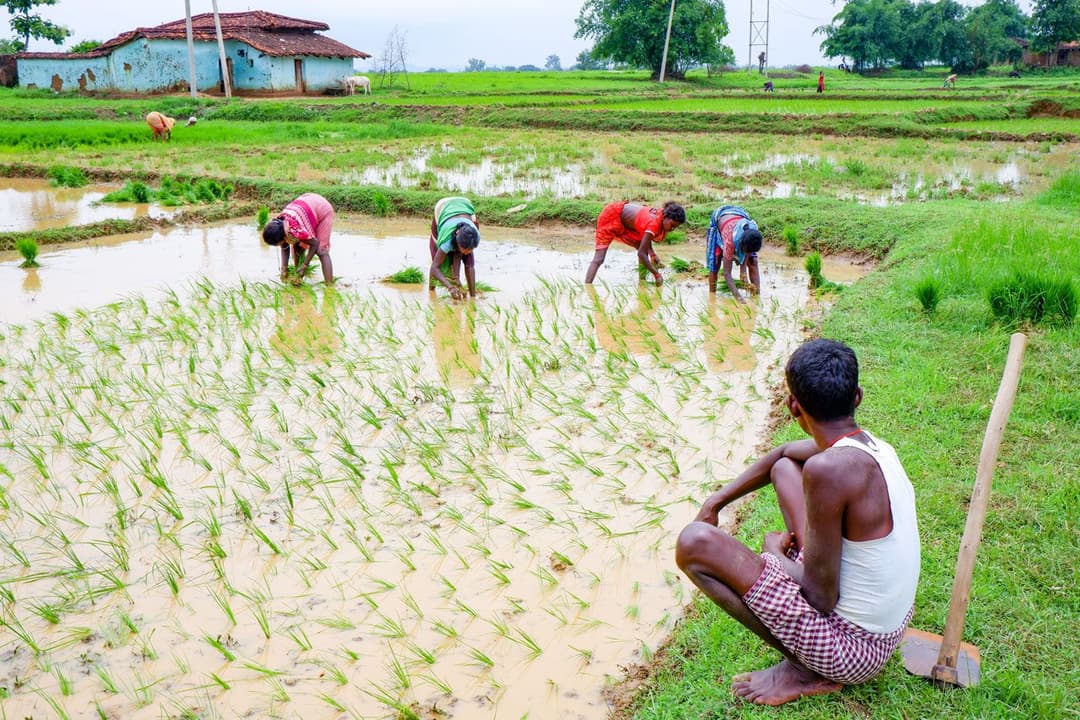

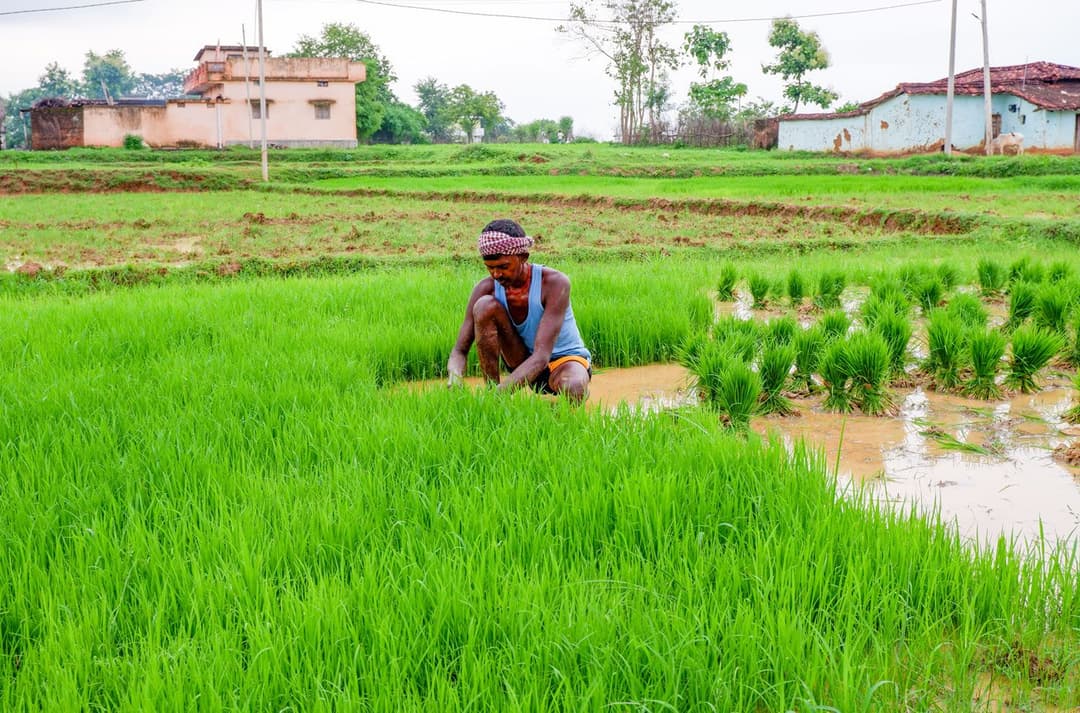
Teera and Anita Bhuiya are desperately counting on a good yield during this kharif season. They have planted paddy and some maize, and the time to harvest the crops is coming up.
A good yield this time is even more critical for them because the work they do at a brick kiln for half the year was cut short due to the lockdown that started in March.
"Even last year I had tried farming, but the crops were damaged due to insufficient rain and pests,” Teera says. “We farm for nearly six months, but it does not give us any money in hand,” Anita adds.
Teera, 45, and Anita, 40, live in Bhuiya Tadhi, a cluster of houses of the Bhuiya community – a Scheduled Caste – in the southernmost part of Mahugawan.
In this village in Chainpur block of Jharkhand’s Palamu district, since 2018, the family has been leasing land on a batiya arrangement – a local term for tenant farming – every kharif season. Through this verbal contract, tenants and landowners each invest half of the cost of production, and they each receive half of the harvest. The tenant farmers usually keep most of their share for their own consumption, and at times try to sell some in the market.