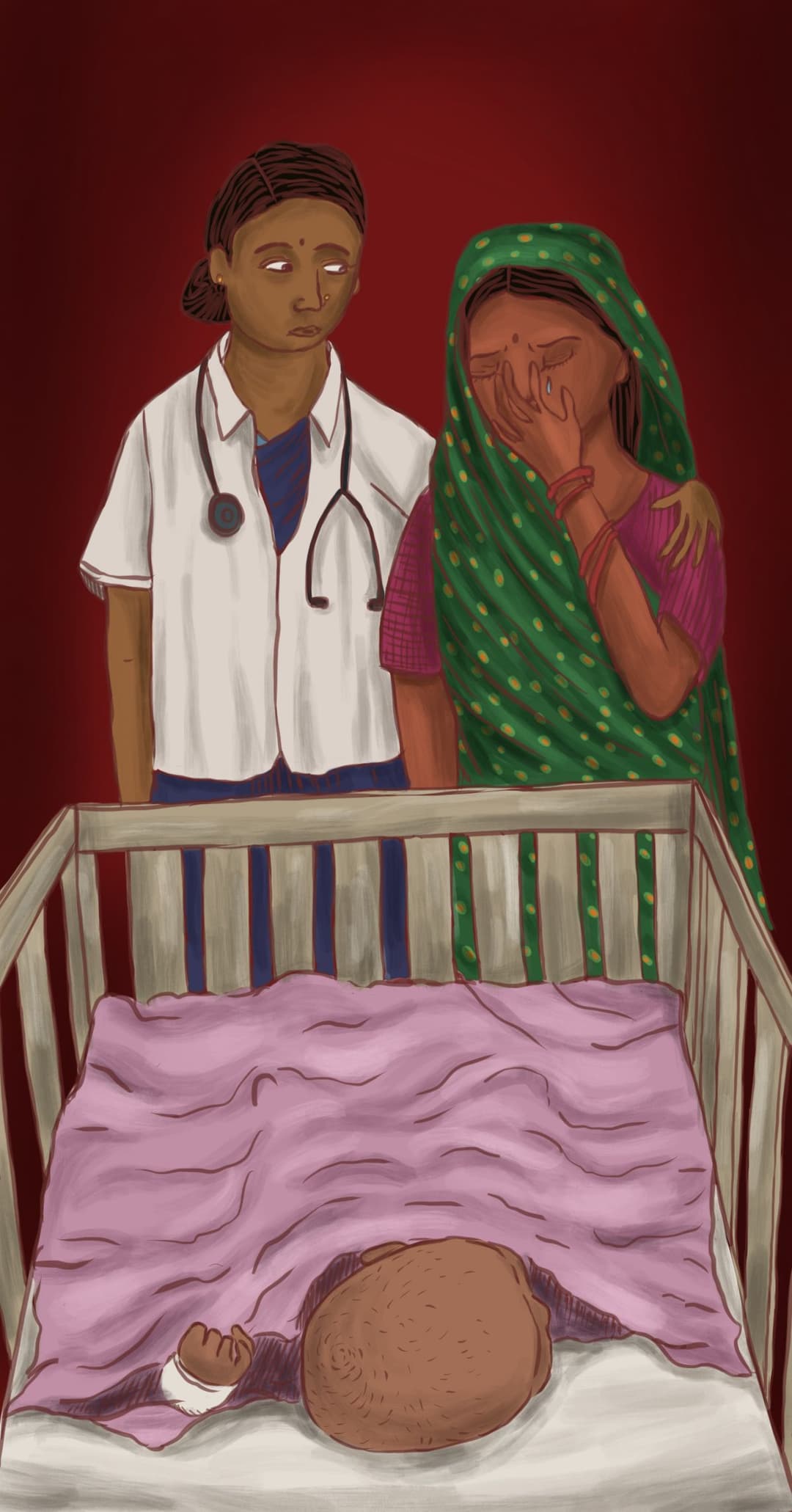

“It’s a girl,” said the doctor.
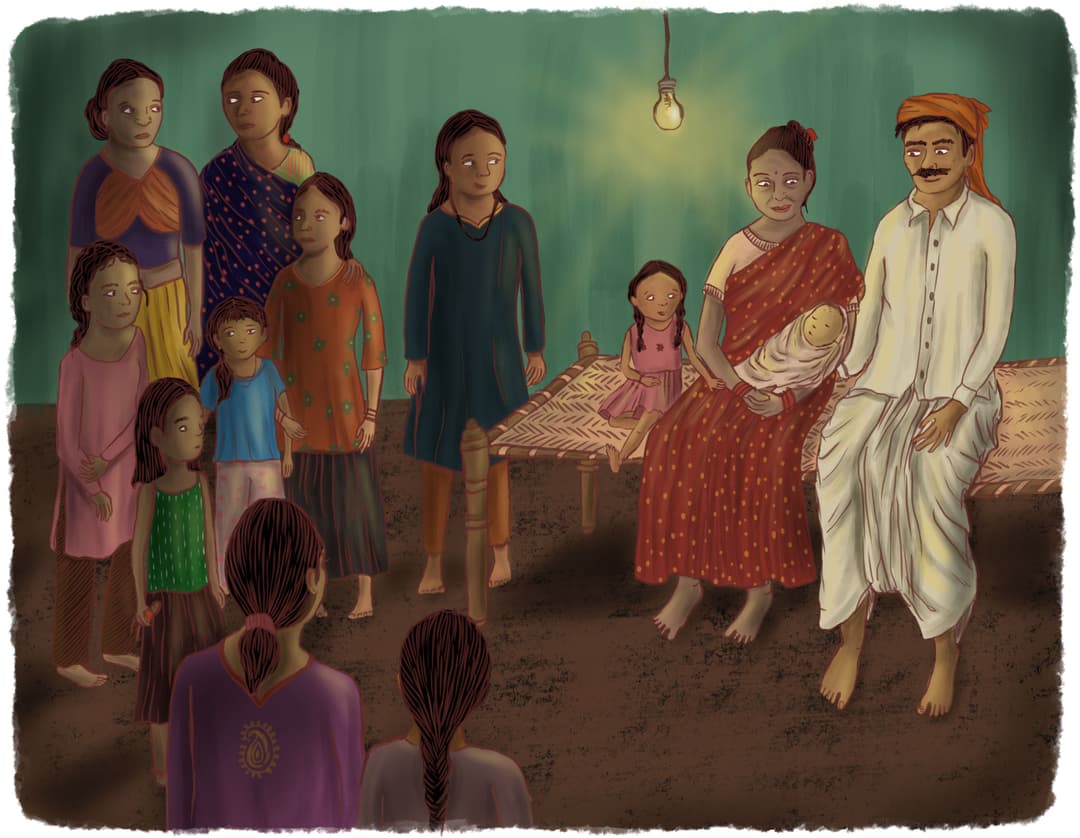
This would be Asha’s fourth child – but surely not her last. She could hear the gynaecologist consoling her mother Kantaben: “Ma, you don’t cry. I will do eight more caesareans if needed. But I am here till she delivers a boy. She is my responsibility.”
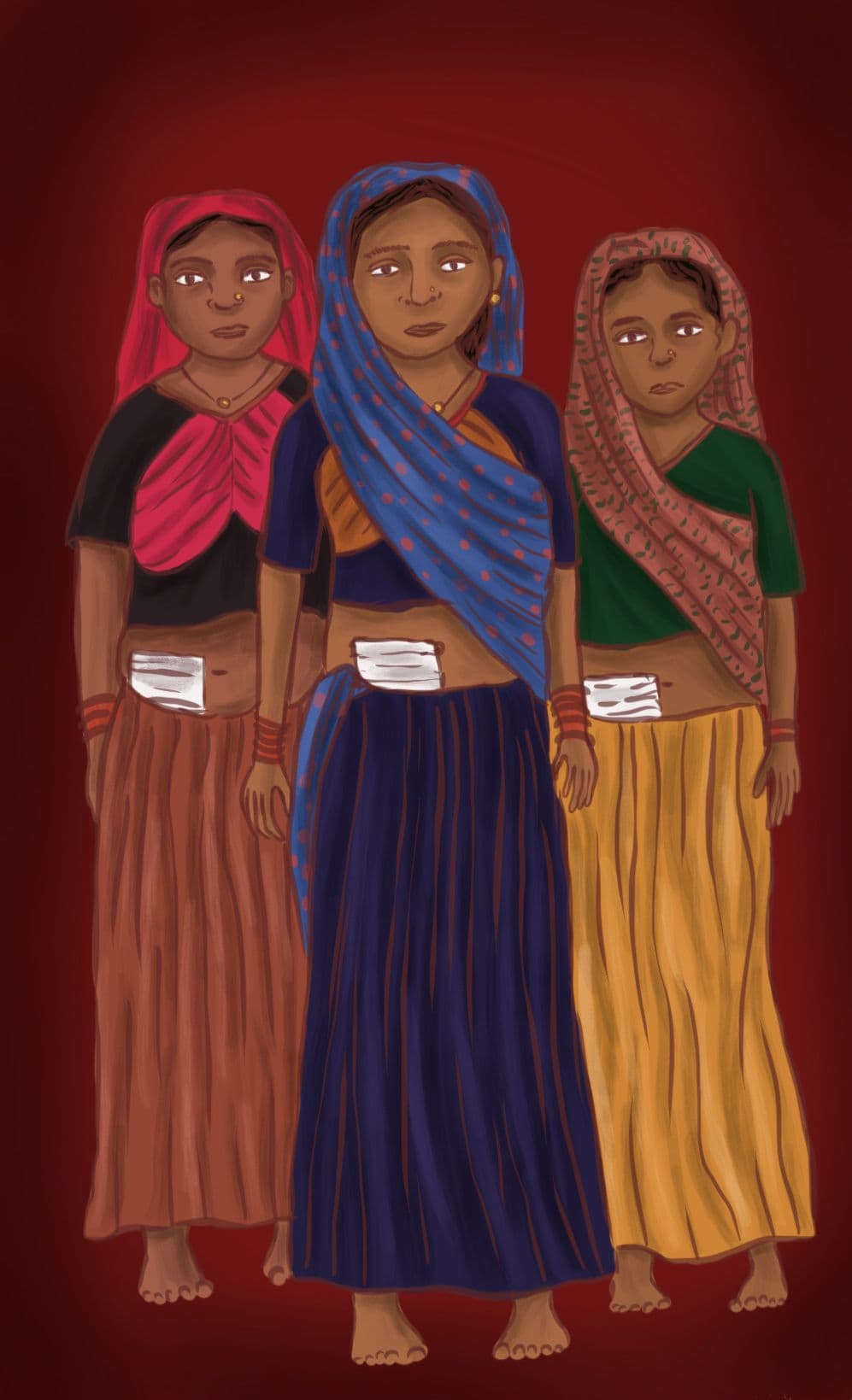
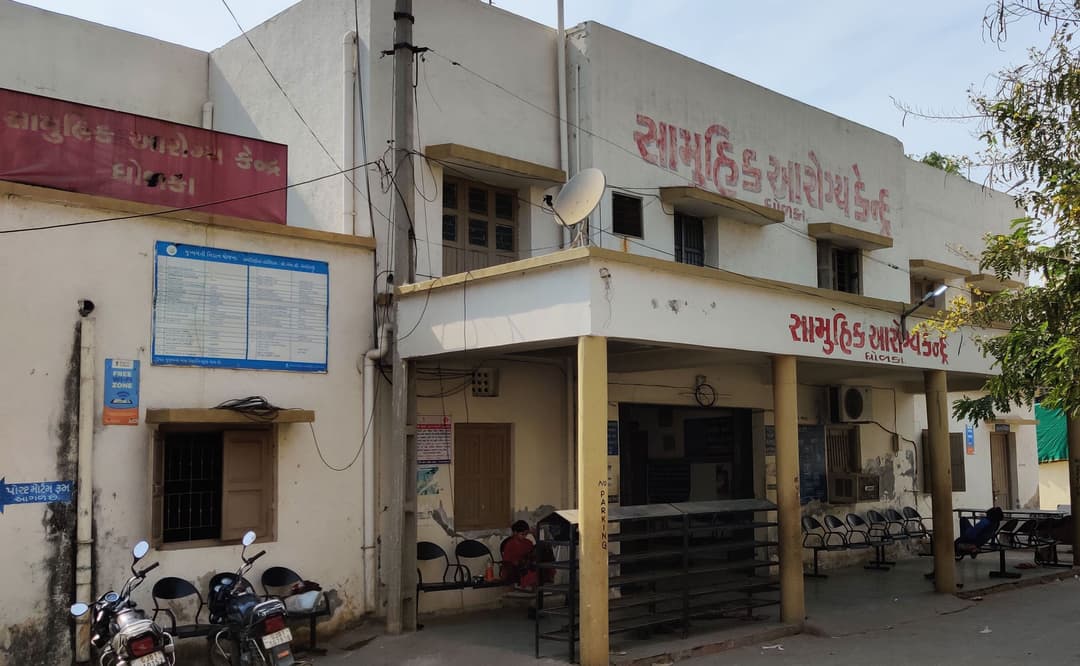
Before this, Asha’s three children were all girls, all of them delivered through caesarean surgery. And now she was listening to the doctor pronounce the verdict of the foetus sex detection test at a private clinic in the Maninagar locality of Ahmedabad city. (Such tests are illegal, but remain widely available.) This was her fourth pregnancy in as many years. She had come here from Khanpar village, 40 kilometres away, with Kantaben. Both mother and daughter were inconsolable. They knew Asha’s father-in-law would not allow her to have an abortion. “It is against our faith,” said Kantaben.
In other words: this would not be Asha’s last pregnancy.
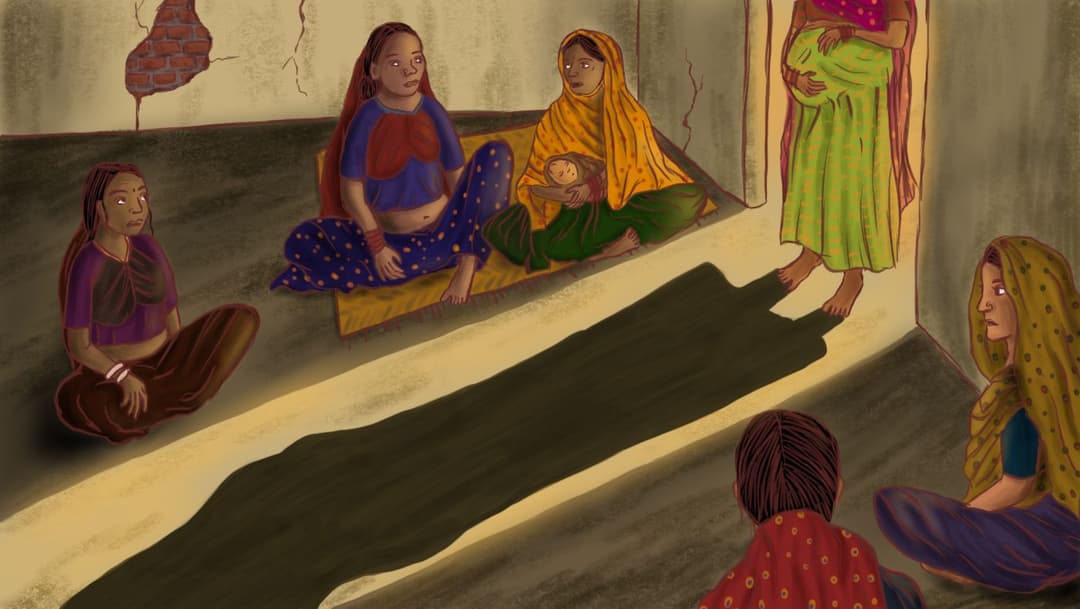
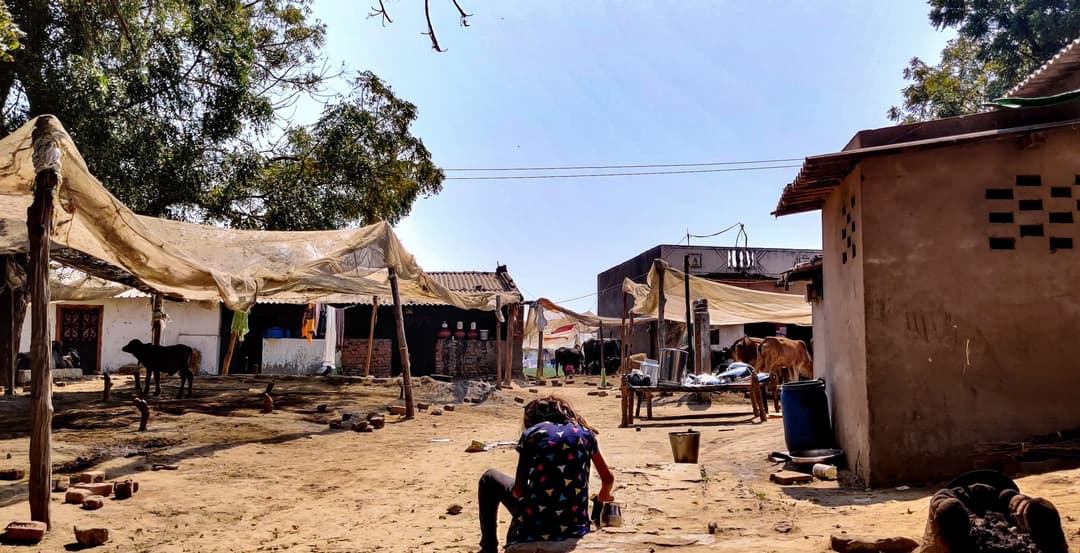
Asha and Kantaben are from the Bharwad community of pastoralists, who generally herd sheep and goats. However, most of them in Dholka taluka of Ahmedabad district – where Khanpar is located, their village with just 271 households and less than 1,500 people (Census 2011) – rear cows and buffaloes in small numbers. In traditional social hierarchies, the community is seen as the lowest among pastoral castes and is listed as a Scheduled Tribe in Gujarat.