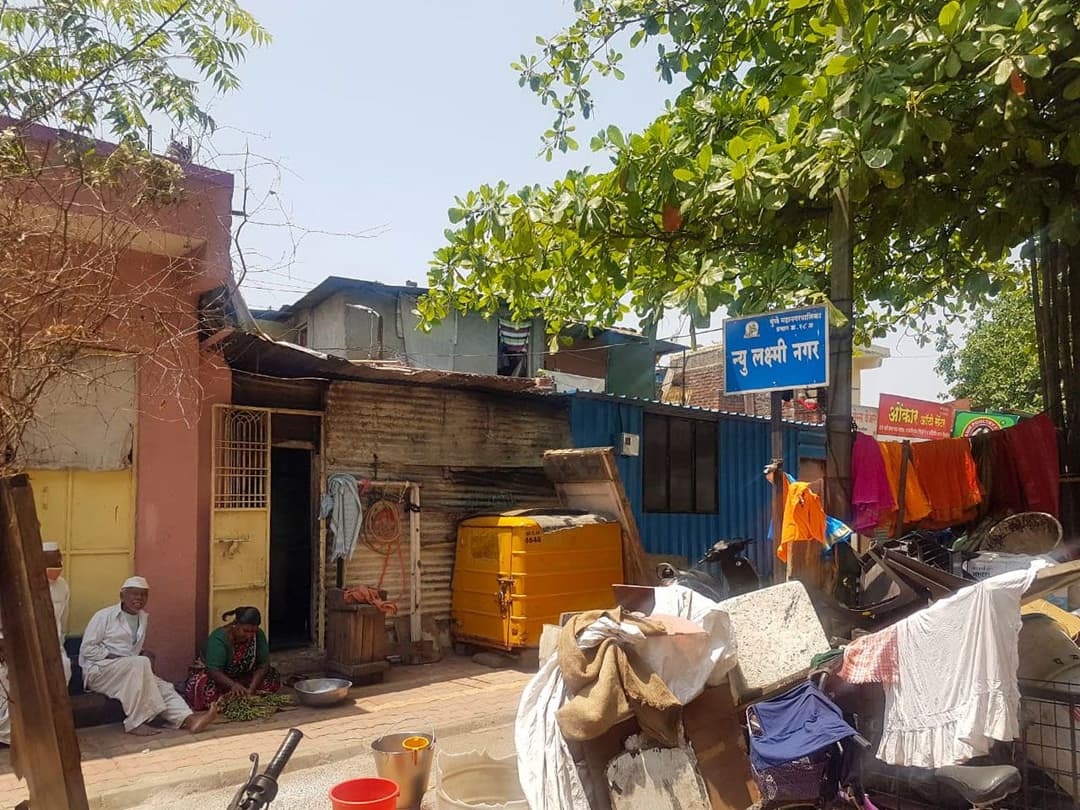

“We all exist hand-to-mouth and fill our stomachs by doing domestic work. But now there’s no work, so where will we get money?” said Aboli Kamble, a resident of Laxmi Nagar colony near Kothrud police station in Pune city. “There are no rations. If food is not available, how will the children live?”
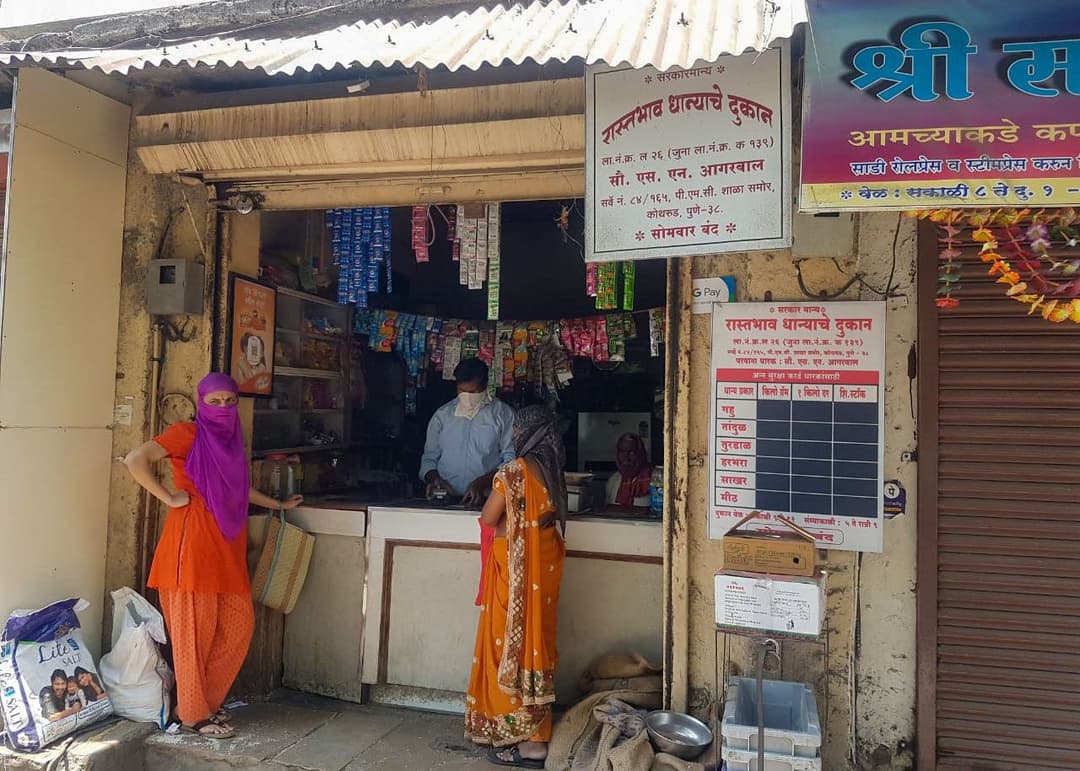
Aboli’s anger and despair were evident in her voice when, five days after the Covid-19 lockdown was announced, I visited the slum colony where she lives on March 30. “At least at such times we should get food grains at the ration shop,” said the 23-year-old. “All the women are at home. The police do not allow us to go out. If we can’t go out and work, we can’t buy provisions for ourselves. We are very worried about how to manage running our homes. If we don’t get food grains at such a difficult time, what is the use? If we don’t get rations, should we hang ourselves?” Aboli’s family came to Pune city from Akolekati village in Solapur district in 1995. Aboli was to get married on April 16, but her wedding has been postponed now.
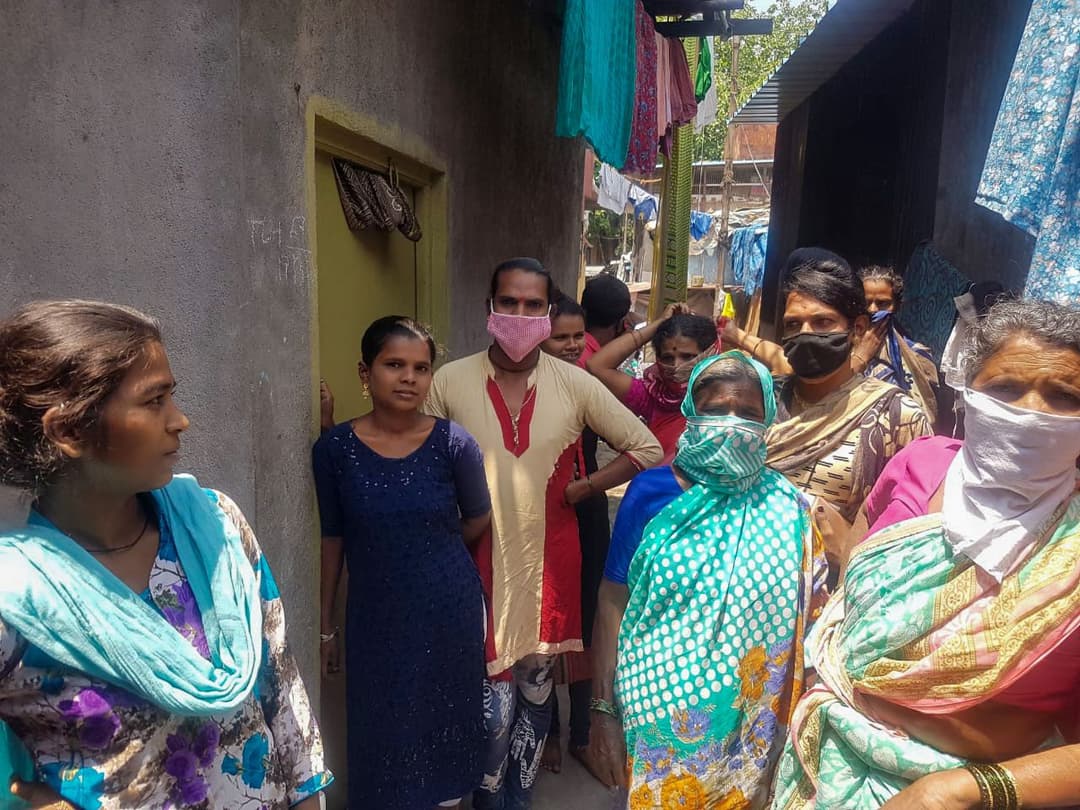
When I visited the colony, where around 850 people live in seven chawls (estimate NGO surveys), the women there had organised a meeting – many of them are domestic workers – to seek a solution to the scarcity of food and money. Most of Laxmi Nagar’s 190 families are migrants from Ahmadnagar, Beed, Solapur and Latur districts in Maharashtra, and from neighbouring Karnataka. Many of them belong to the Matang community, a Dalit caste.
When Prime Minister Narendra Modi announced the 21-day lockdown on the night before Gudi Padva, the Maharashtrian new year, it was not clear if essential items would be available the next day. People scrambled to buy whatever they could from the shops that were still open – but prices had gone up already.
The government later announced that food and other essential items would be made available, and also that families below the poverty line (BPL) would additionally receive three months of free rations from the public distribution system (PDS).