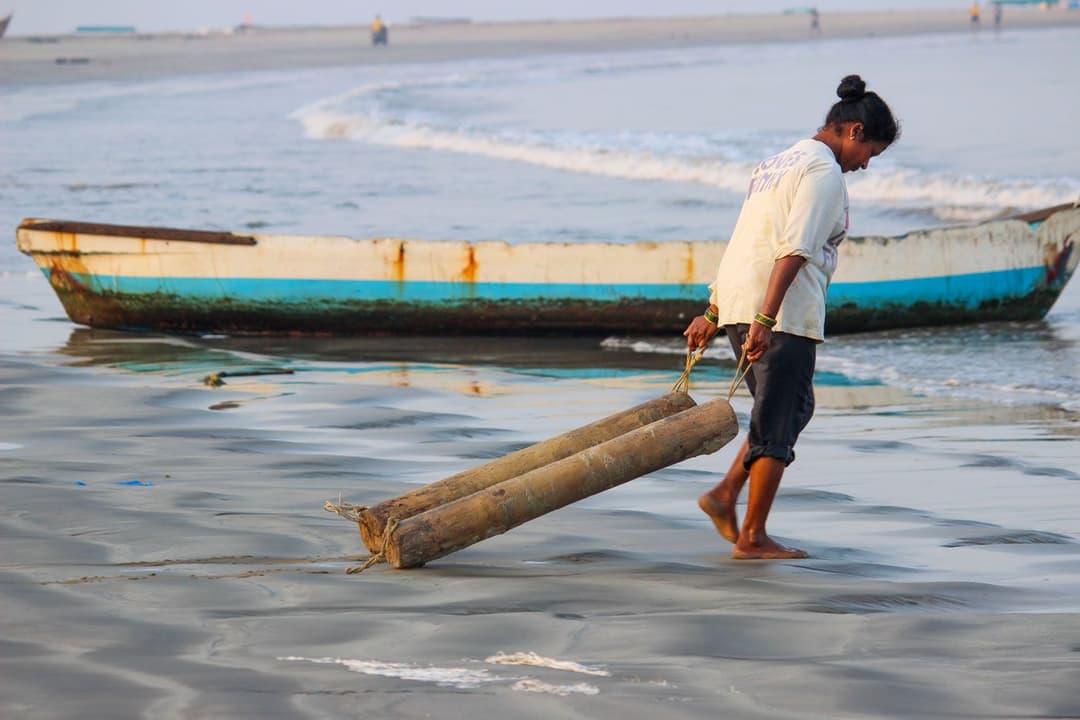

Every morning, Himanshi Kubal dons a pair of trousers and a t-shirt and, along with her husband, pushes their small rowboat on to the water. In the evenings, she’s in a colourful saree, often with an aboli (firecracker) flower in her hair, cutting and cleaning fish for customers.
Himanshi, now in her 30s, has been fishing from a young age, first in rivers and estuaries in Malwan taluka with her family, and three years ago, after they bought the boat, out in the Arabian Sea with her husband. She is one of the few women working at Malwan’s Dandi beach who can swiftly cast a net, and is among the 10,635 residents of the taluka’s total population of 111,807, who are engaged in fishing
"I used to work on other boats with my husband to sort fish,” she says, “but three years ago we had enough money to buy our own small [non-motorised gillnet] boat, and since then we've been fishing together."
Nearby, an auctioneer shouts “Teenshe, teenshe daha, teenshe vees!” [300, 310, 320 rupees] while several fishermen haul out crates of catch from their boats and stack them up on the beach for display. Traders and agents weave their way through the crowd and haggle for the best deals. Stray dogs, cats and birds dart in and steal their share of treats.
"We usually fish every morning,“ Himanshi adds. “And when we don’t go because of bad weather or other reasons, we go to the morning market to cut and clean fish. And every evening we're at the auction."
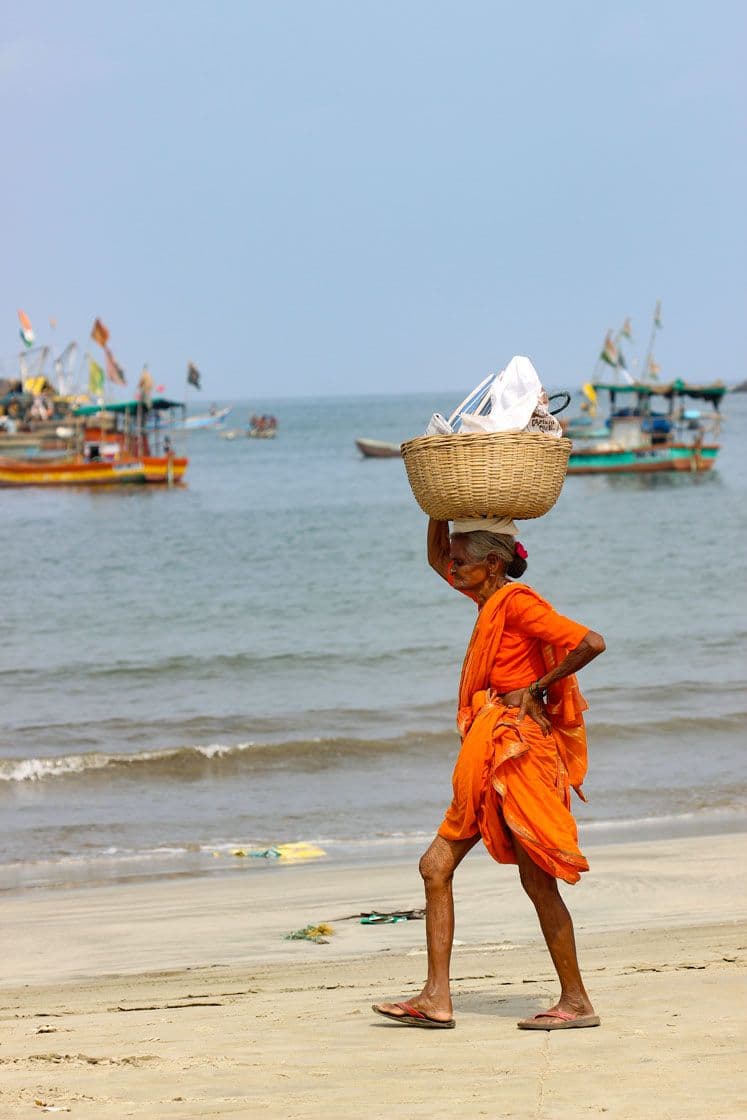
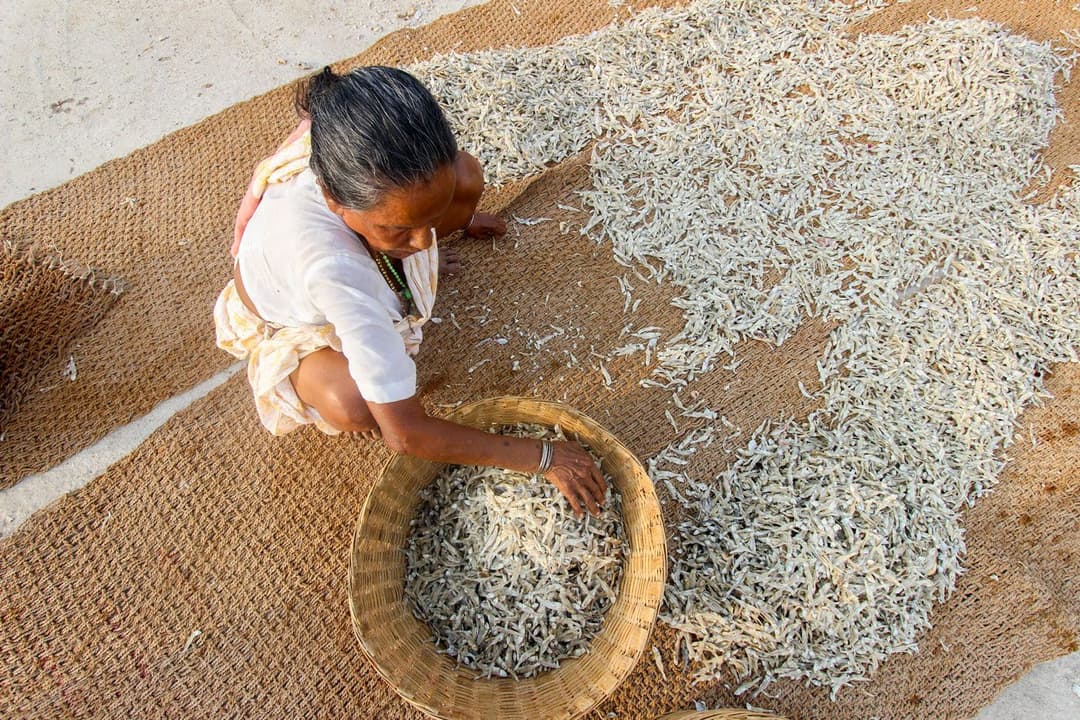
While fishing across much of India is usually done by men, it is typically women like Himanshi who are central to the other components of the trade, like the processing and selling of fish. They form around 66.7 per cent of the post-harvest workforce in fisheries across the country, and are integral to the industry. The last Marine Fisheries Census (2010) records about 4 lakh women in the post-harvest workforce (in all activities except the actual fishing process). In addition, nearly 40,000 women are involved in collecting ‘fish seeds’ (or eggs) for aquaculture.
“It’s exhausting work – buying, transporting, icing and storing the fish, and finally cutting and selling it. And we do it all on our own,” says Juanita (full name not recorded), a trader and widow, sitting in her one-room brick and asbestos house on Dandi beach, where several bills from her fish purchases at the auction are threaded through a metal wire hanging on a wall.