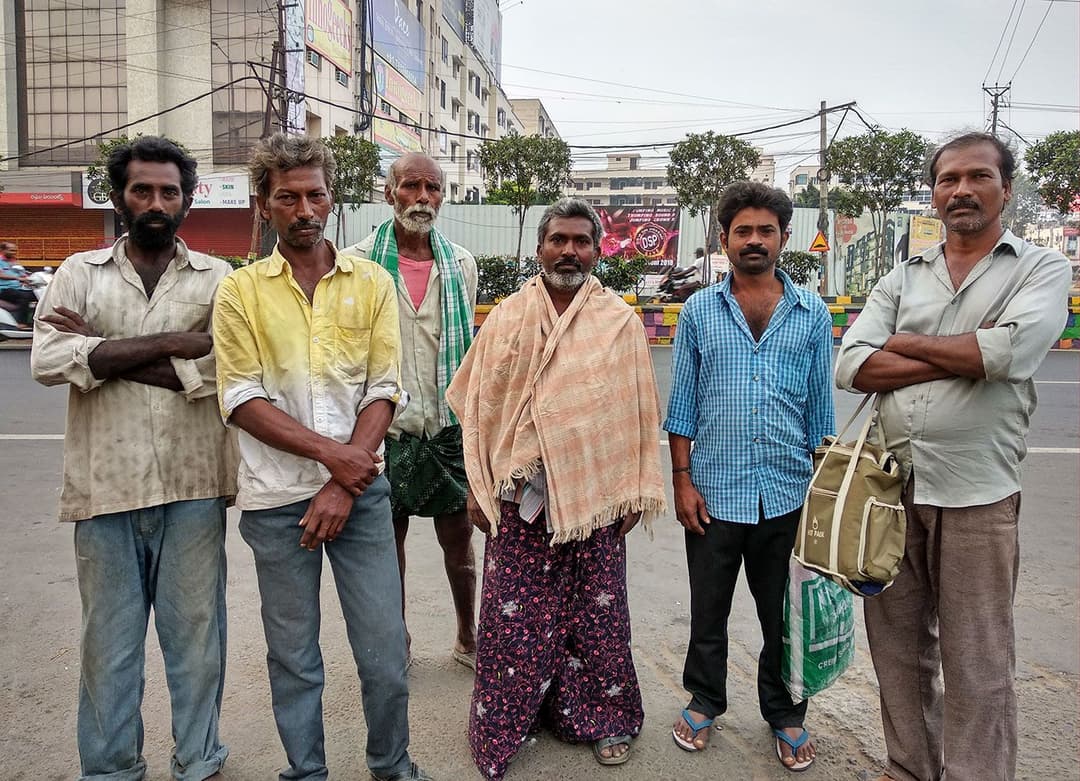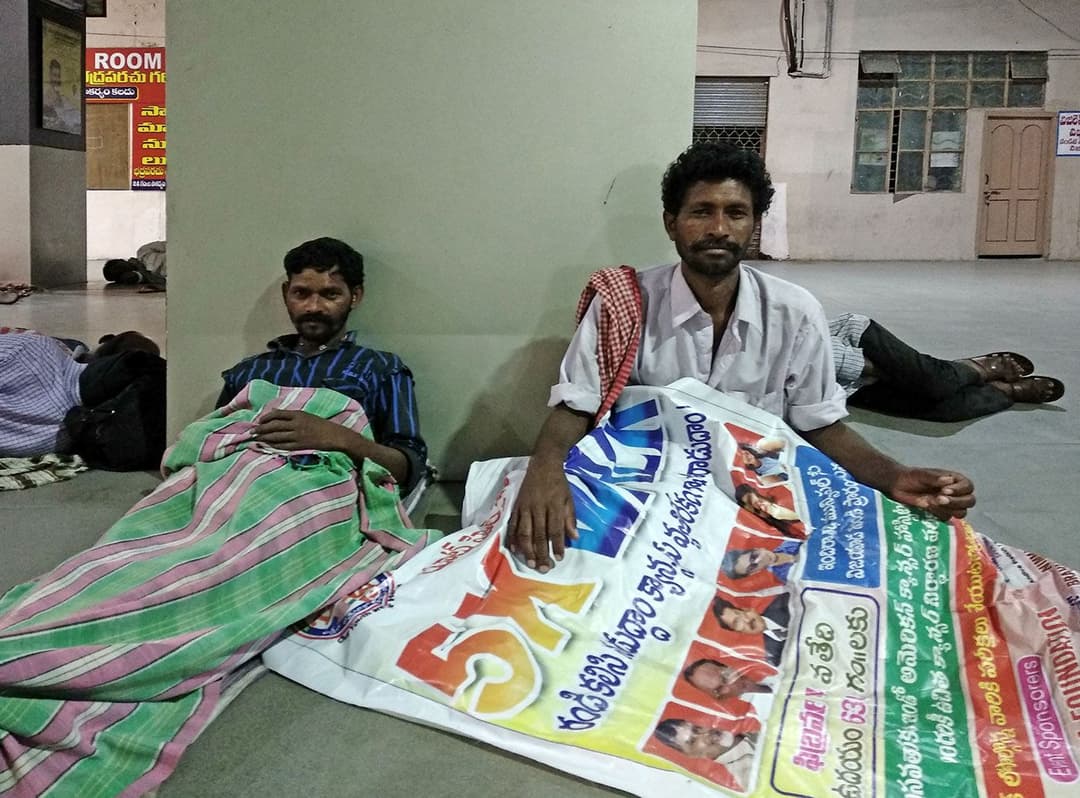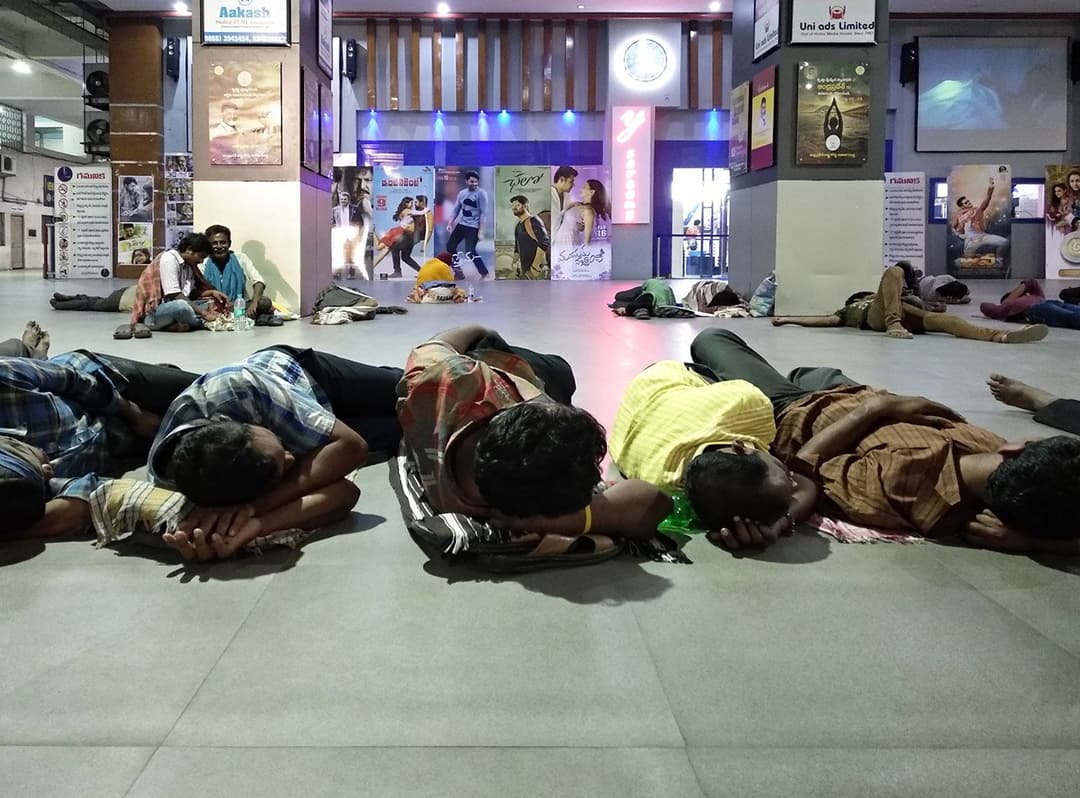

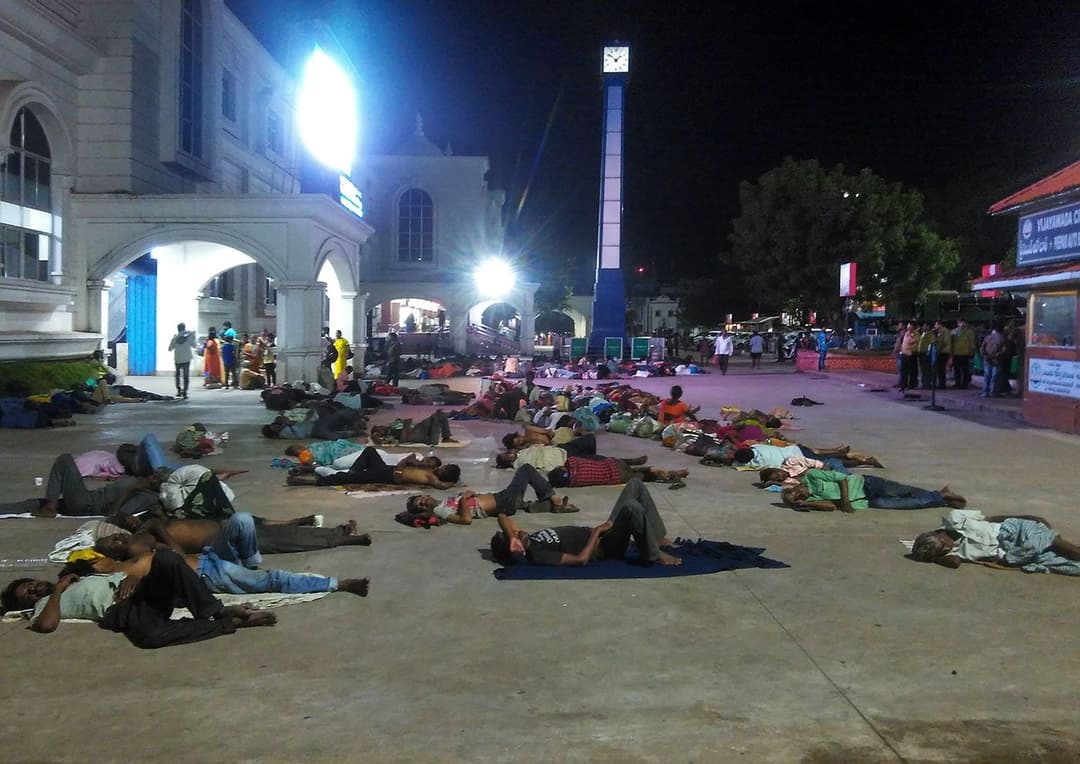
Every night, around 10 p.m., Setty Srikanth and Setty Gopichand spread out an old vinyl banner on the traffic divider of the Chennai-Kolkata National Highway that passes through Vijayawada. Then, using their towels as sheets, they go to sleep right there.
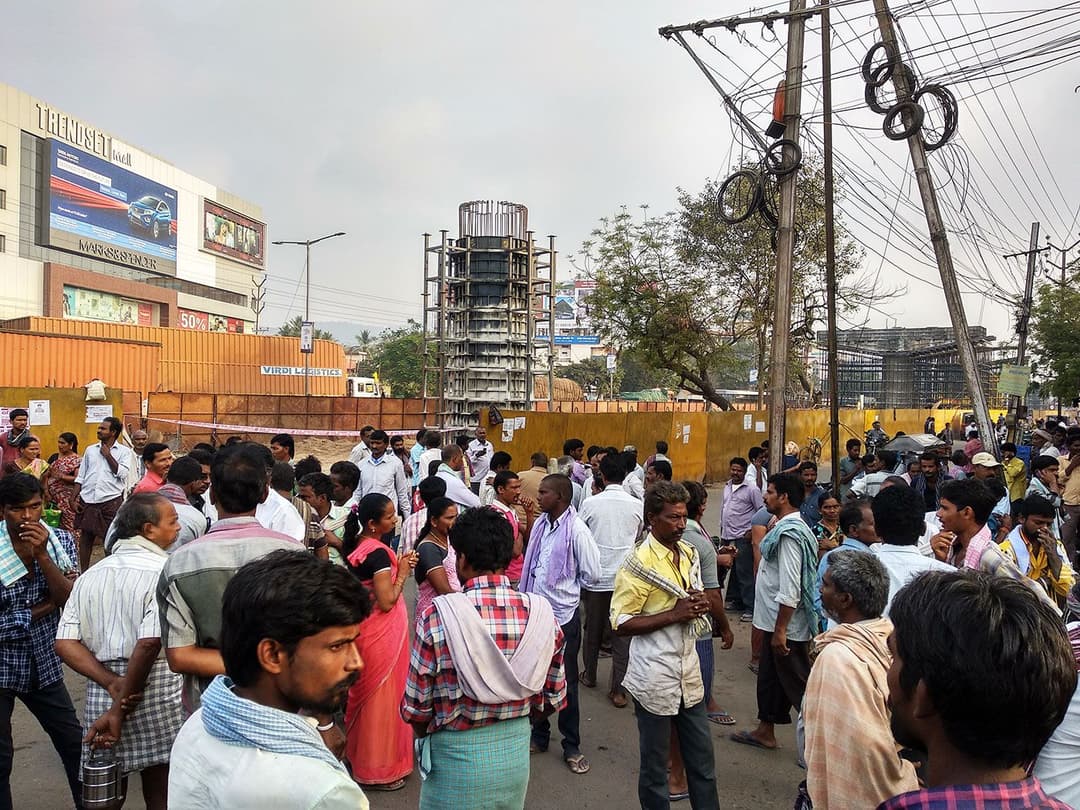
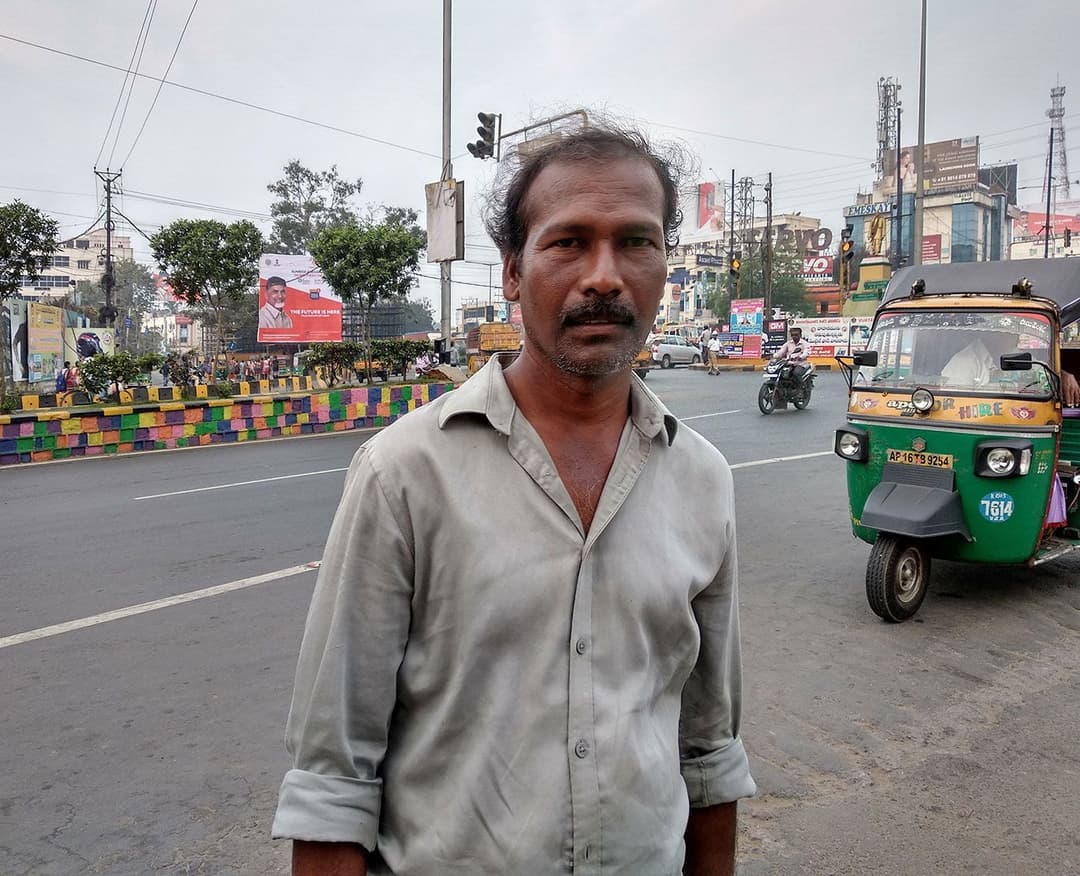
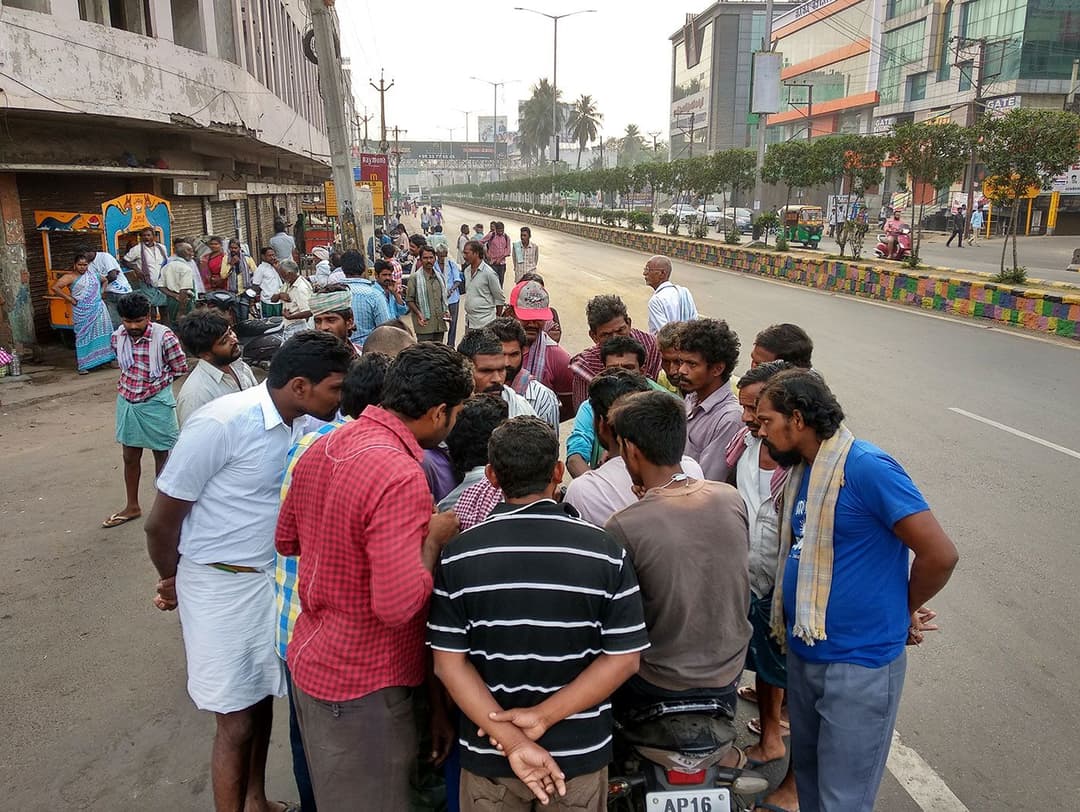
In the morning, they walk to the nearby Benz Circle, where daily wage labourers gather from 6 a.m., hoping to be hired. Sometimes, the Setty brothers eat idlis bought from vendors on cycles at the labour ‘adda’. Many times they go to work on an empty stomach.
“It has been a year since we came to Vijayawada,” says 16-year-old Srikanth. He and Gopichand, 22, left Madupalle village in Khammam district of Telangana soon after their family suffered huge agricultural losses in 2016, though they had managed to break even until then. “Our father cultivates five acres [on leased land] of chilli, cotton and turmeric. But we ended up with a loss of five lakh rupees that year [and that amount has now grown to seven lakhs due to the high interest rates charged by moneylenders],” says Srikanth. The turmeric harvest did not fetch a good price, their cotton crop got infested by the pink bollworm and the chilli crop failed because of bad seeds. “We were forced to migrate to find work and repay our debts,” says Srikanth, who dropped out of Class 10, while Gopichand left the polytechnic course where he was training to be an automobile mechanic.
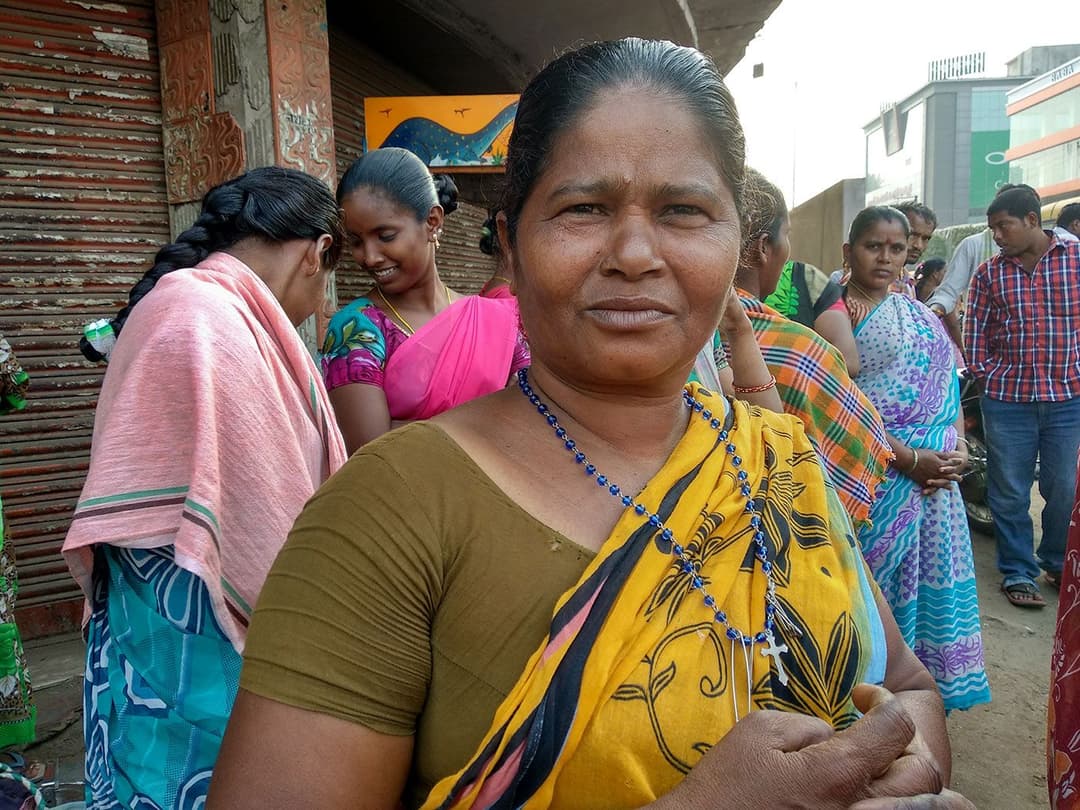
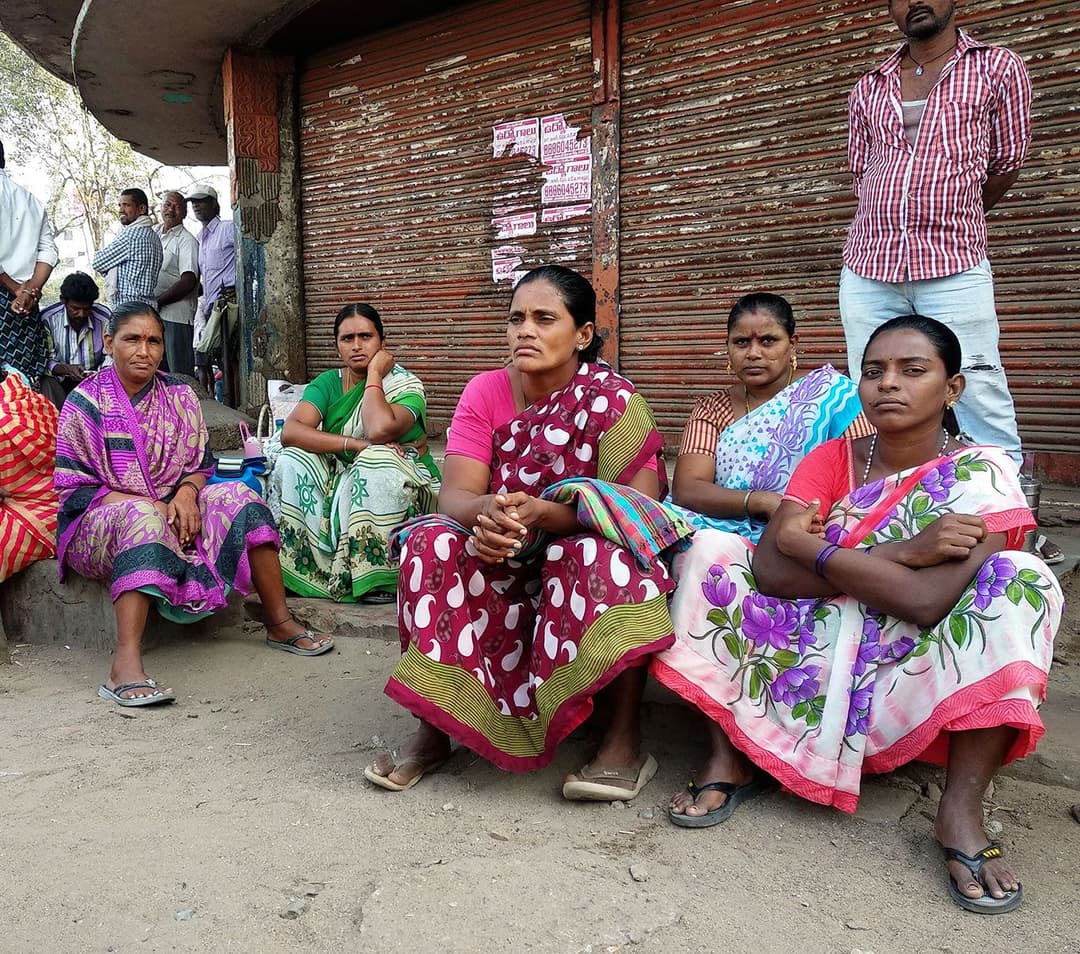
Every morning, like the Setty brothers, around 1,000 people wait at Benz Circle hoping to be hired for daily wages at jobs that require hard labour. While women commute from nearby villages and return in the evenings, most of the men sleep on the pavements or dividers within a three-mile radius of the Circle. They have migrated to the city from across the state – from the northern Srikakulam district of Andhra Pradesh to Nellore district in the state’s southern coastal region.