
Kiran cooks, cleans and runs the household. She also gathers firewood and water and lugs it home, the distances getting longer as summers advance.
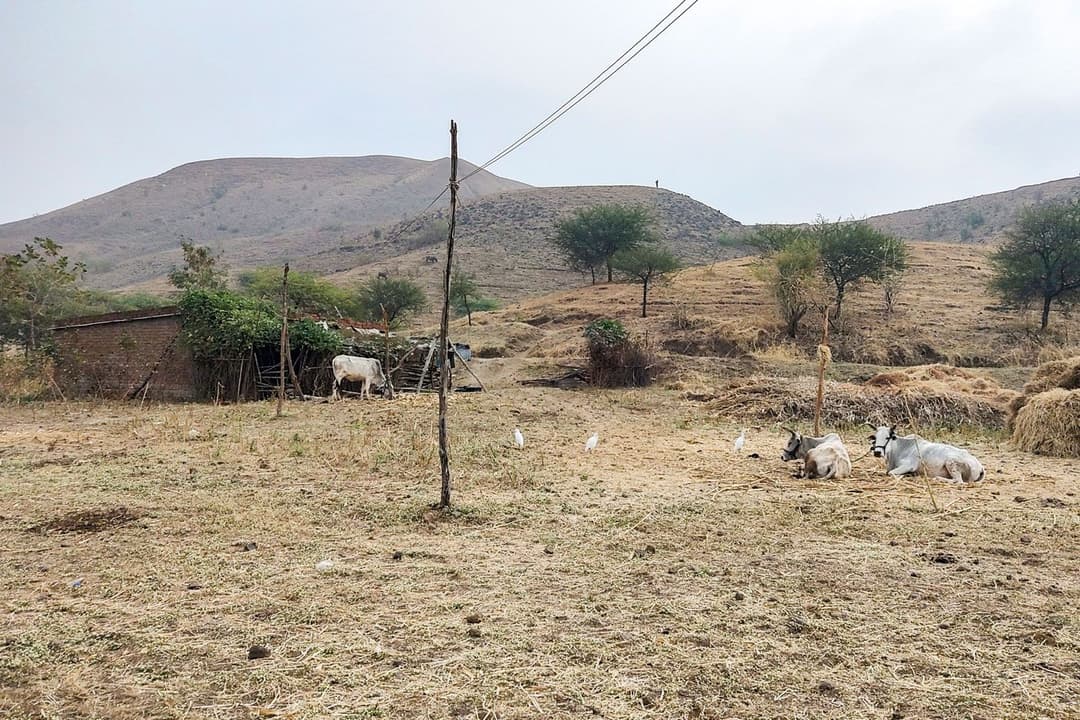
Only 11 years old, she doesn't have a choice – her parents migrate out annually and there is no one else at home in her village (name withheld) in Banswara district. Her 18-year-old brother Vikas (name changed) is around, but he could migrate anytime, as he has done in the past. Their three other siblings, aged between three and 13 years, live with their parents who work as labourers at construction sites in Vadodara, Gujarat. They are missing out on school, but Kiran (name changed) gets to attend.
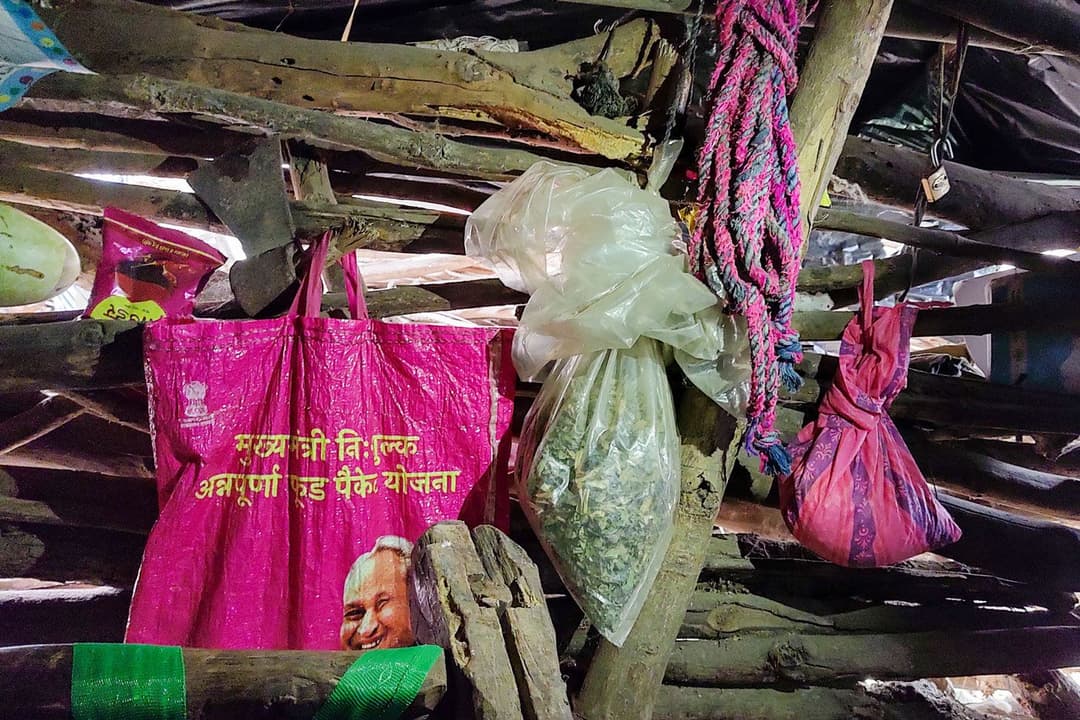
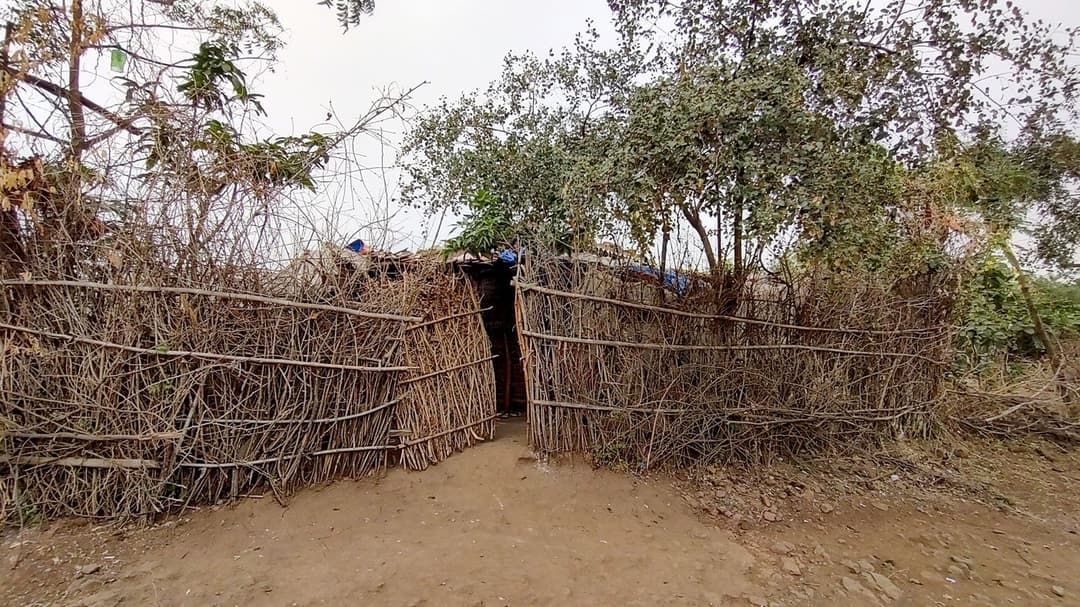
“I cook some food in the morning,” says Kiran, explaining her daily routine to this reporter. The kitchen area takes up almost a half of the one-room house and a lone flashlight suspended from the roof provides light once the sun goes down.
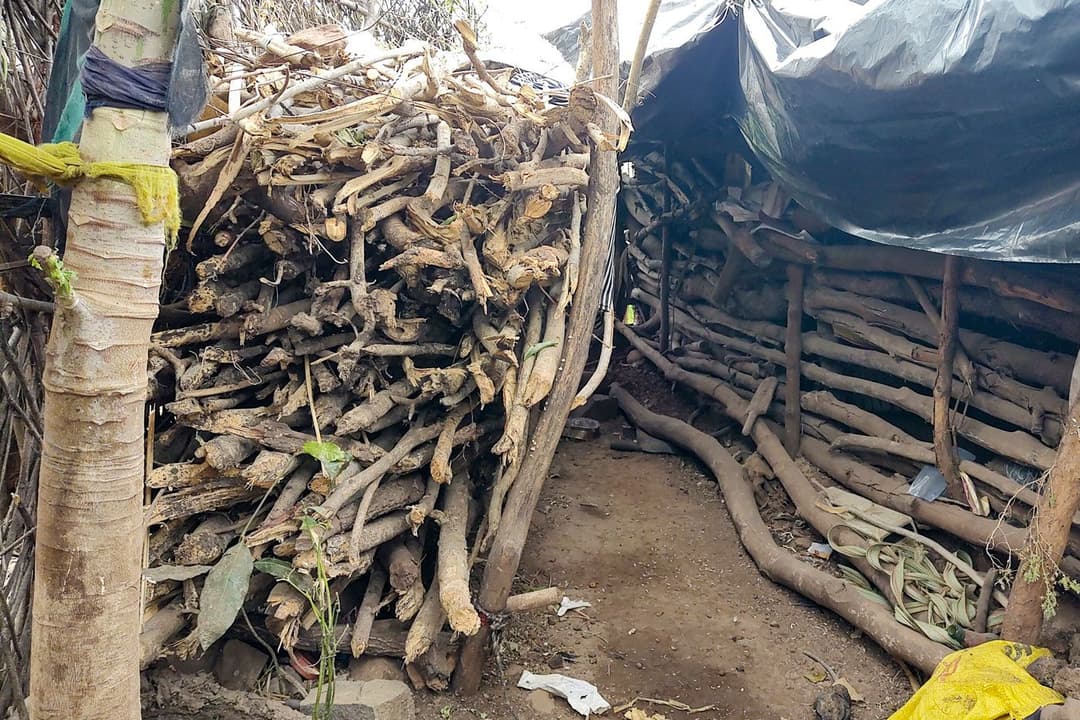
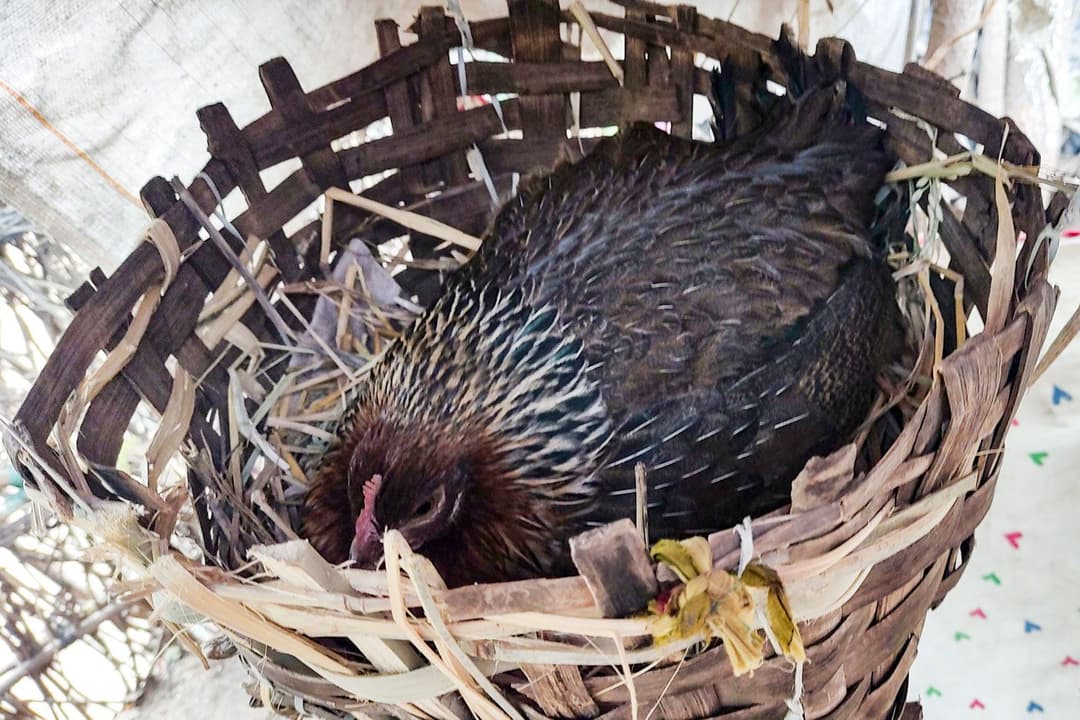
At one end is a wood-fire stove; extra wood and an old fuel can are placed close by. Vegetables, spices and other ingredients are stored in plastic bags and containers that are either arranged on the floor or hung from the walls – in easy reach of her small arms. “I also cook dinner in the evening after school. Phir murgi ko dekhna [Then I see to the hens and roosters] and then we go to sleep,” says Kiran.
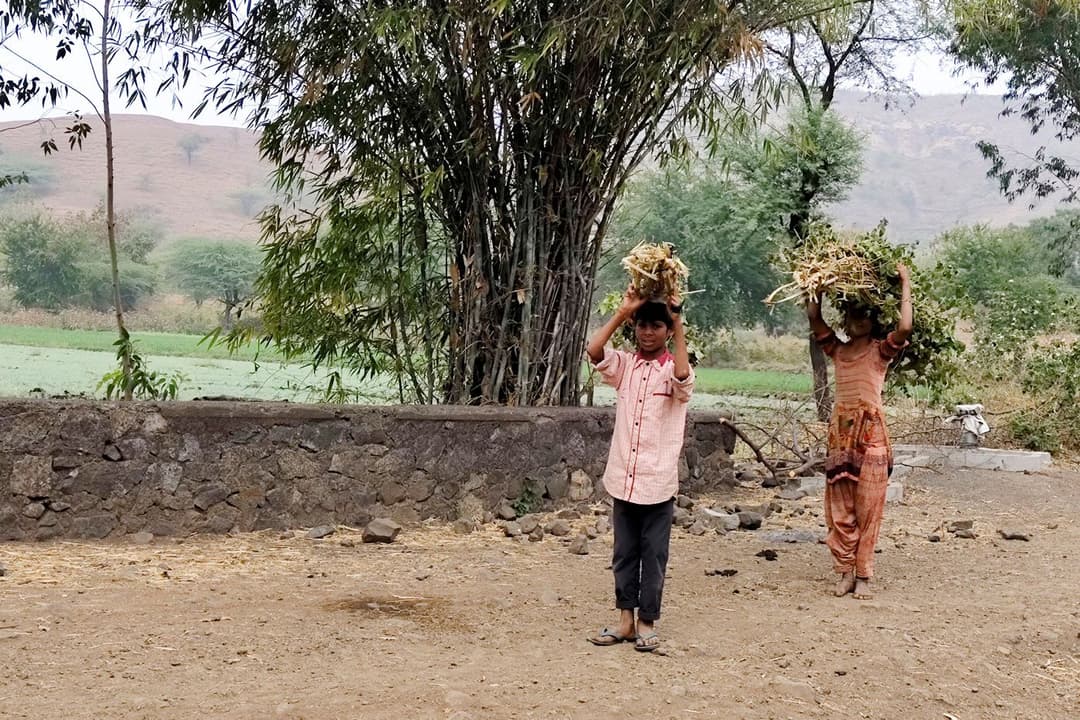
Her shyly narrated story leaves out the many other household chores such as collecting and carrying firewood from the jungles at the foot of the nearby hills, known to the locals as Bijliya or Davda Khora. It can take Kiran around an hour to go to the forest, another hour to cut, collect and tie the wood into a pile, and one more hour to return home with the kilos of wood, definitely taller and likely weighing more than the slightly built child.