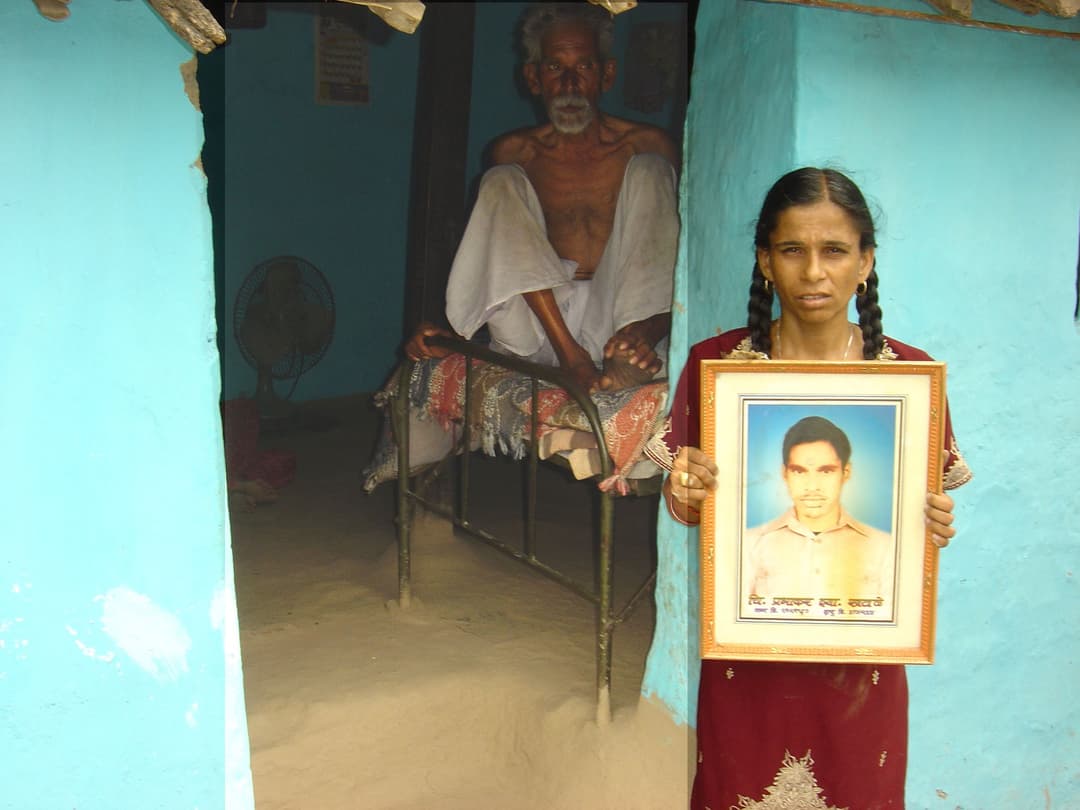

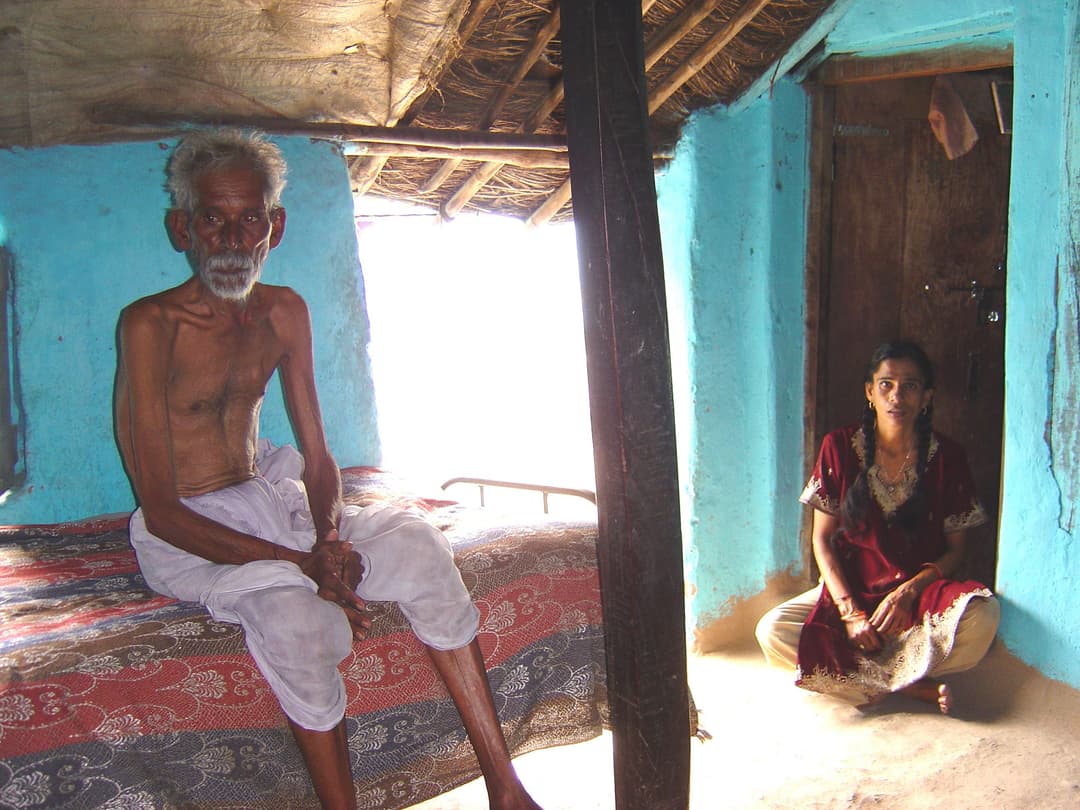
Shamrao and Anjamma Khatale are in very poor health. But the two have simply stopped trying to do anything about it. "Doctors? Treatment? It's all too costly," says Shamrao. The couple in Ashti village, Wardha, have joined tens of millions of others in that decision. Up to 21 per cent of Indians no longer seek medical treatment of any kind for their ailments. (That is up from 11 per cent a decade ago.) They cannot afford it. "And, if we went to the doctor, how do we buy medicines?" asks Shamrao.
Their son Prabhakar Khatale committed suicide last July. Like many others in farming, he was devastated by the ongoing crisis of that sector. "He ended his life because of his loans," says Shamrao. A second son, in deep depression following the tragedy, is in no state to look after his aged parents. He does not appear to be under treatment either.
The booming – and unregulated – private medical sector here gives a whole new meaning to the adage 'health is wealth'. The decline of whatever public health services there were means that poor people boost the profits of private hospitals and practitioners. Health is the second fastest growing component of rural family debt across the country. (India's per capita health expenditure is one of the lowest in the world. The state spends less than 1 per cent of GDP on health.)
In Waifad village of the same district, farmer Gopal Vithoba Yadav mortgaged his land to pay healthcare bills. "Just 40 minutes in hospital cost me Rs. 10,000," he complains. Many others have paid much more. But Yadav parted with the title deed to his nine acres as he needed cash. Successive bad years on the farm had ensured that. "I am in possession of the land," he clarifies. But "the title deed is in the hands of the moneylender."
His neighbour Vishwanath Jade has an eight-member family living off four acres. A spinal operation set him back by Rs. 30,000. MRI scans a further Rs. 5,000. Add Rs. 7,500 for his room at the hospital and Rs. 20,000 on medicines. And then a heap of travel costs. Within just a year, Jade had to pay bills of Rs. 65,000.
The kind of sums many such families deep in distress spend on health is staggering. Namdeo Bonde committed suicide last November unable to cope with the farm crisis. He, too, had large health bills. "He made three trips to Chandrapur, Yavatmal town and Wani," says his brother Pandurang, in Kothuda village, Yavatmal. "In all, he spent around Rs. 40,000 on health problems."