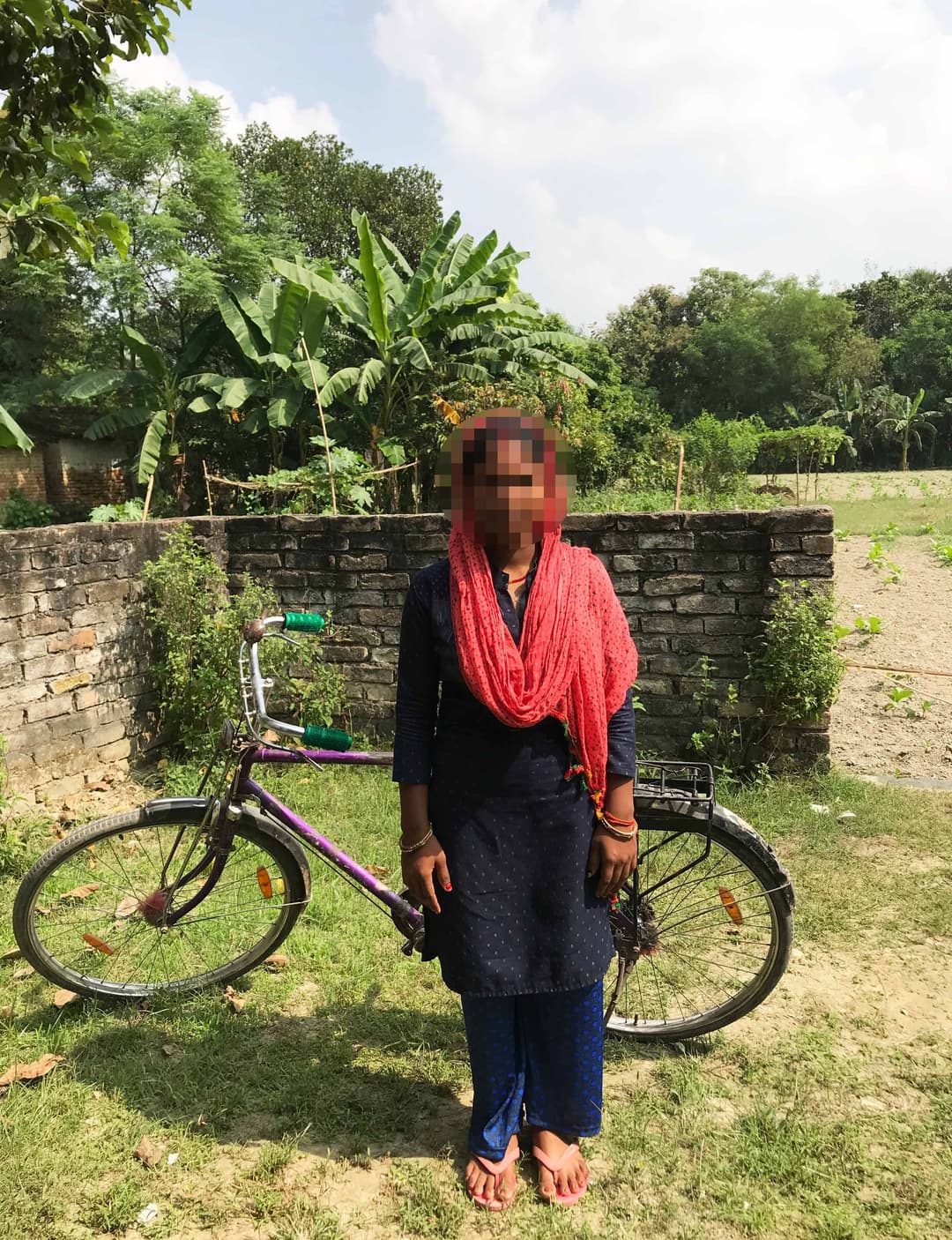

She is just 19, but Shivani Kumari feels her time is running out.
She has already managed to keep her family from arranging her marriage for four years now – a luxury she believes she won’t be able to enjoy for too long. “I don’t know for how long I can stop them,” she says. “It has to end someday.”
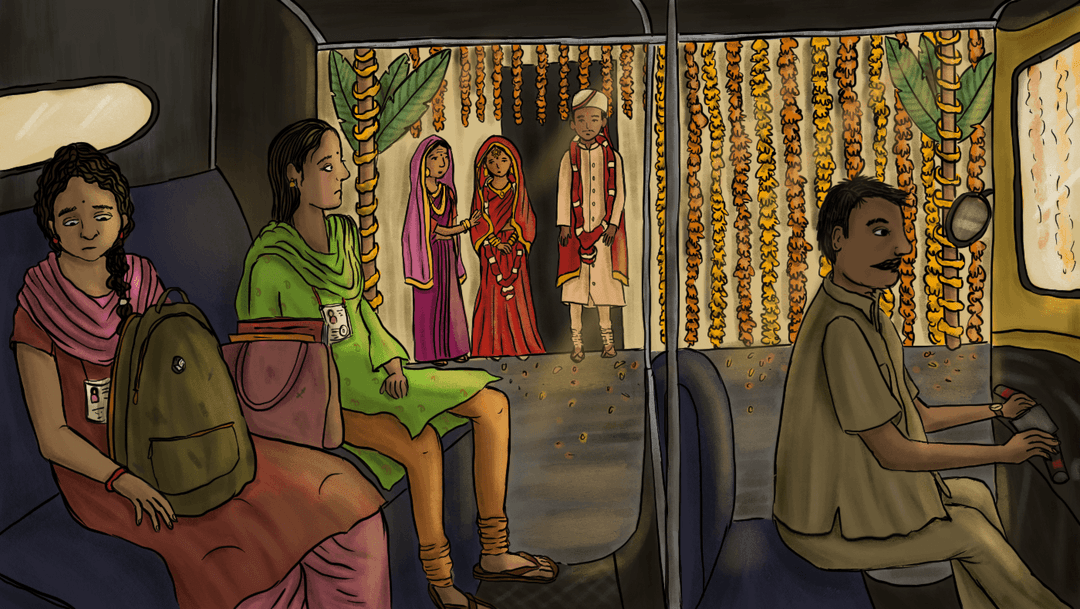
In Gangsara, her village in Bihar’s Samastipur district, girls are usually married before they even complete Class 10 in school, or by the time they are around 17-18.
Shivani (all names in this story have been changed) has managed to hold out, and is in the second year of a BCom degree course. Going to college is something that she always wanted to do, but she didn’t imagine it would be so lonely. “All my friends in the village are married. All the girls I grew up with and went to school with have left,” she says, speaking one afternoon in a neighbour’s house because she couldn’t talk openly in her own home. Even here, she insisted on talking in the backyard, where the family goats rested. “During corona, my last friend in the college also got married,” she adds.
In her community, she says, girls rarely get a chance to go to college. Shivani belongs to the Ravidas community (a sub-group of the Chamar caste), a Mahadalit – a collective term given in 2007 by the Bihar government to 21 severely disadvantaged Scheduled Caste communities.
Her loneliness is compounded by the social stigma of being unmarried and the constant pressure from family members, neighbours and acquaintances. “My father says I’ve studied enough. But I want to become a police officer. He doesn’t think I should be so ambitious. He says if I keep studying, who will marry me?” she says. “Even the boys in our community get married early. Sometimes I wonder if I should give up, but I’ve come this far and want to achieve my dream.”