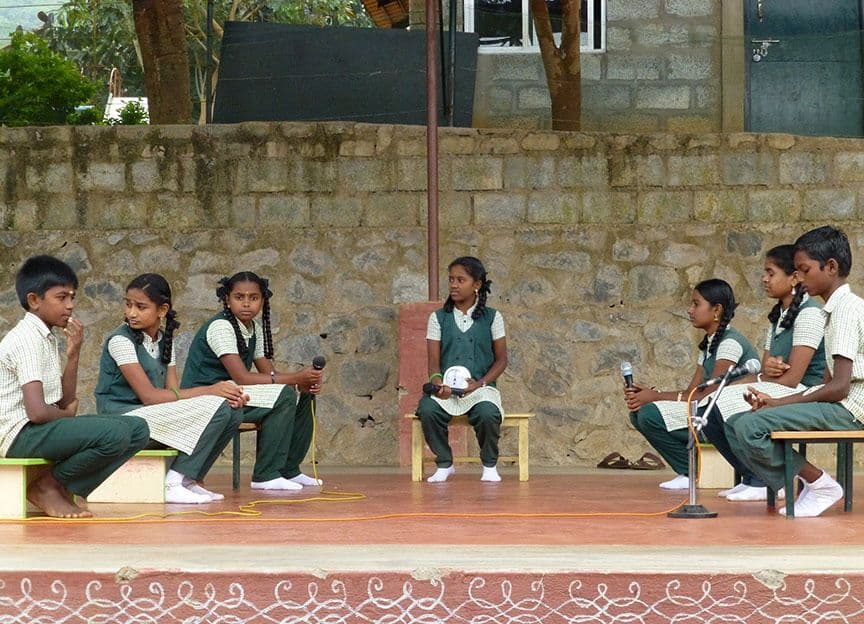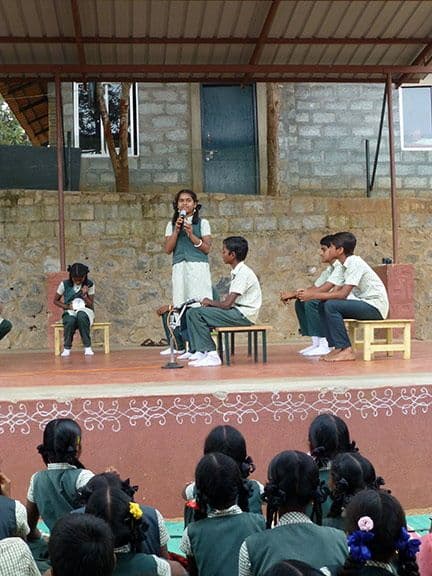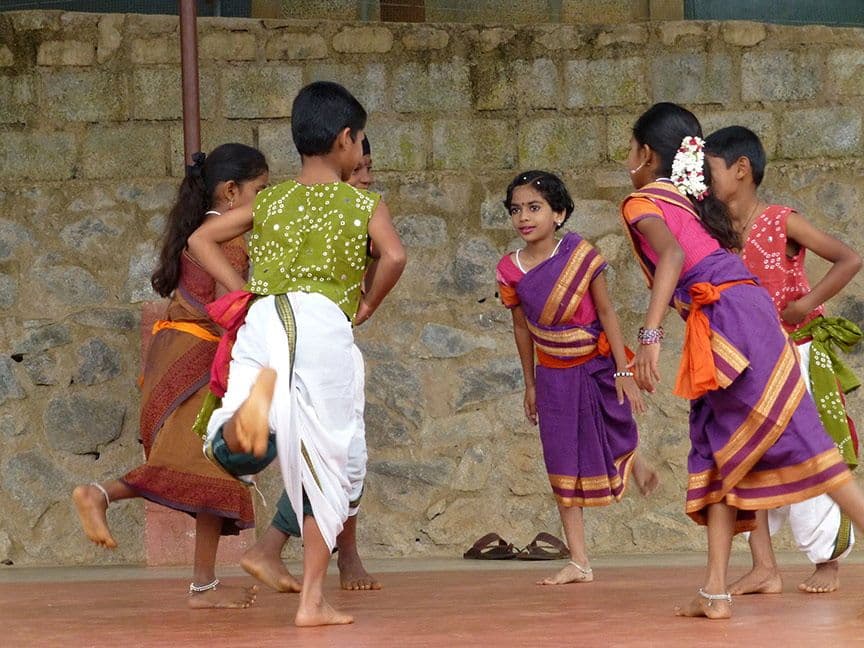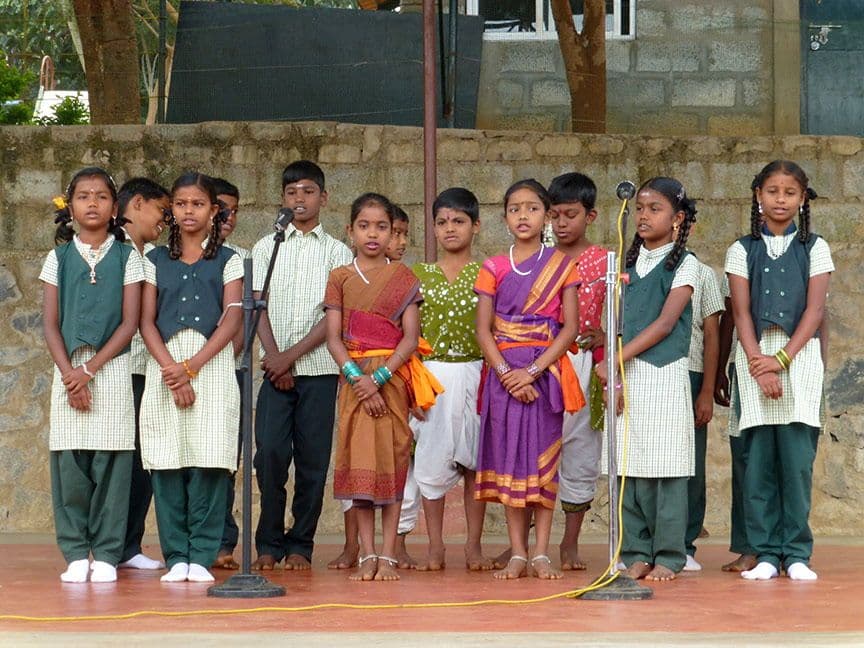

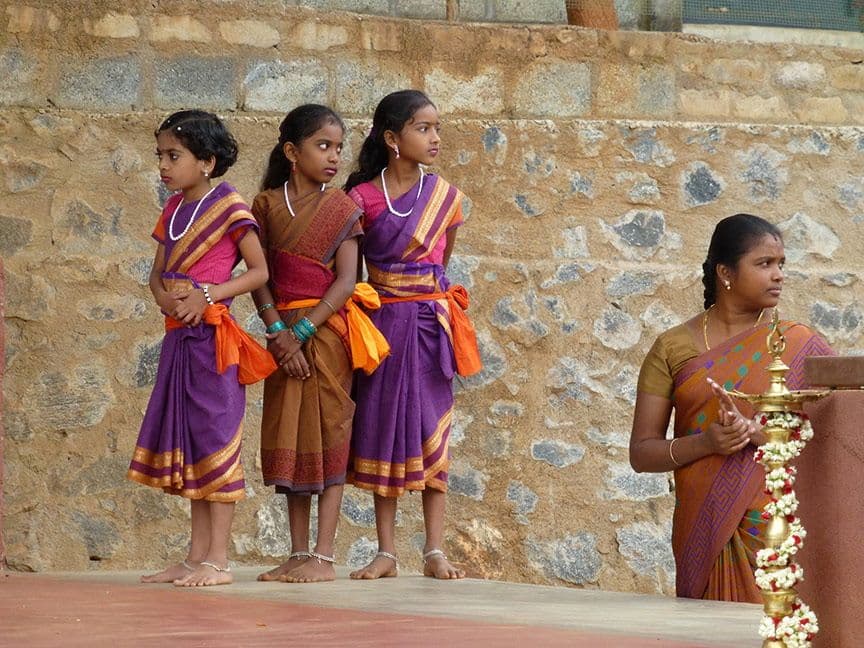
The oldest of them was 13. The rest between 10 and 12. And barring 'panel discussions' on English television channels, there are few things more boring than a school 'debate'. Typically, you get articulate English-speakers aged 14-16, figuring out if "Gandhi is still relevant." Plus strung-together clichés delivered by rote. As chief guest at one of those, you suppress a sigh and wait for it to be over.
Here, I sat on the edge of my seat. The 10-13 year-olds were debating genetically modified crops. Both sides were brilliant. Each speaker knew her or his stuff and felt strongly about the issue. The content, the quality, the passion - these had to be seen and heard to be believed. So see and hear them yourselves in the video (above). The exchanges were often sharp, sometimes polemical, always civilised. Golden Rice, vitamin deficiencies, bollworms and other pests, organic farming, Cry genes, perverse pollination and contaminated crops. You name it, they weighed it. And how.
The debate's moderator was actually moderate, and very firm. She sat there with a stopwatch and speakers broke off midway through a sentence when she called time. We pondered asking the principal of the school if TV anchors could be granted admission in a re-education camp to be run by her students.
Many of the debaters here are first-generation English speakers. Yet they argued fluently in that language. (The full transcript of the GM debate is here ).
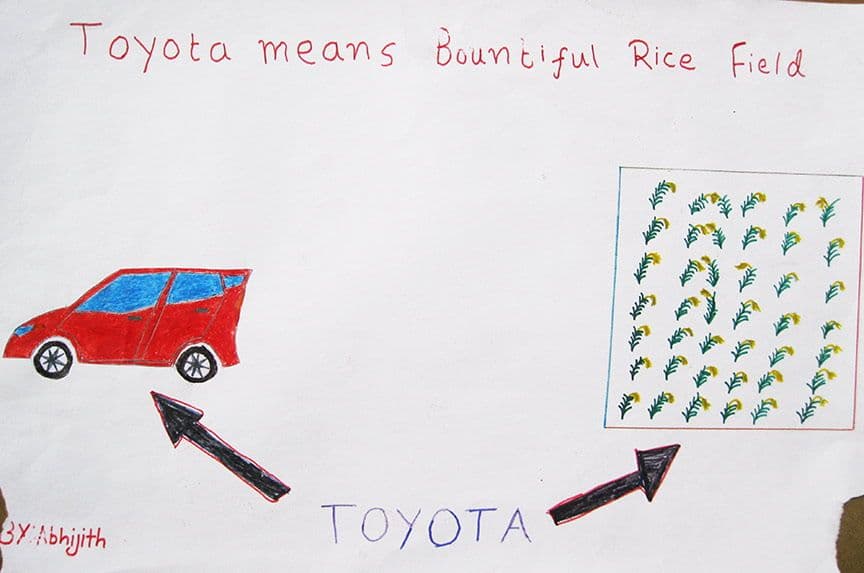
The larger theme of 'Project Day' at the Vidya Vanam school in Tamil Nadu was rice. And I learned stuff I'd never known, from a bunch of school kids aged between eight and 13. I did not know that the word 'Toyota' – so emblematic of automobile culture – had originated in agriculture. That it was originally 'Toyoda' and meant 'fertile' or 'bountiful paddy fields'. Or that the company's pioneers had dropped the 'd' and changed it to a 't' in order to delink themselves from the humble world of farming.
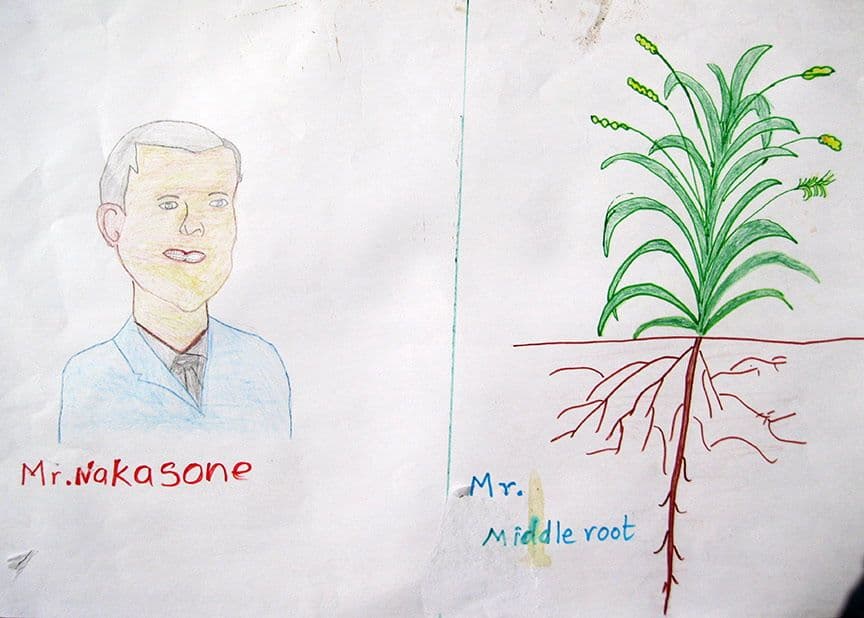
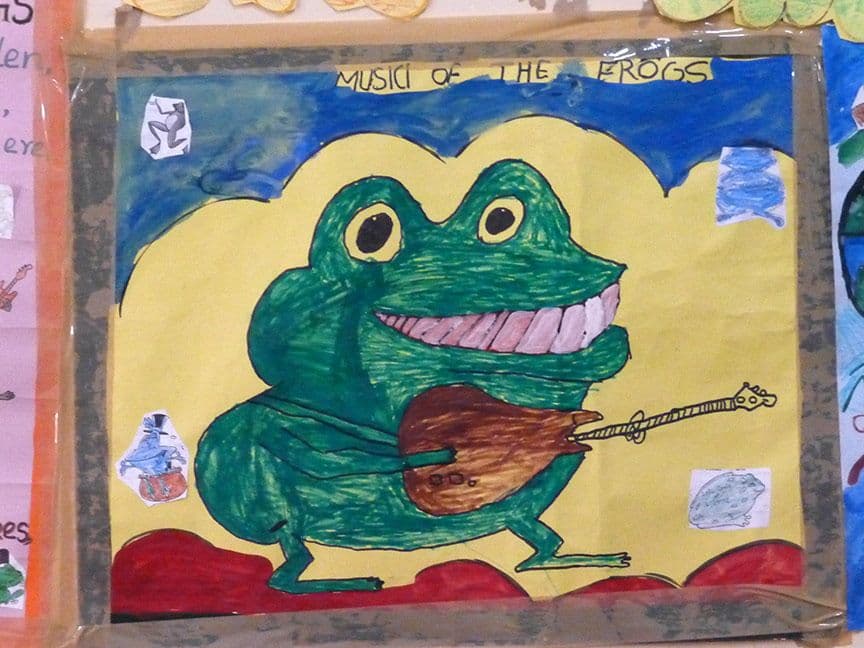
Nor did I know that Honda means 'original rice paddy'. Or 'source of the rice fields'. And if you're about to claim that you knew Nakasone means 'middle root', or that Fukuda means 'rich rice field', spare me. I didn’t. The children did, though. They had posters and sketches on this in their annual exhibition on Project Day.
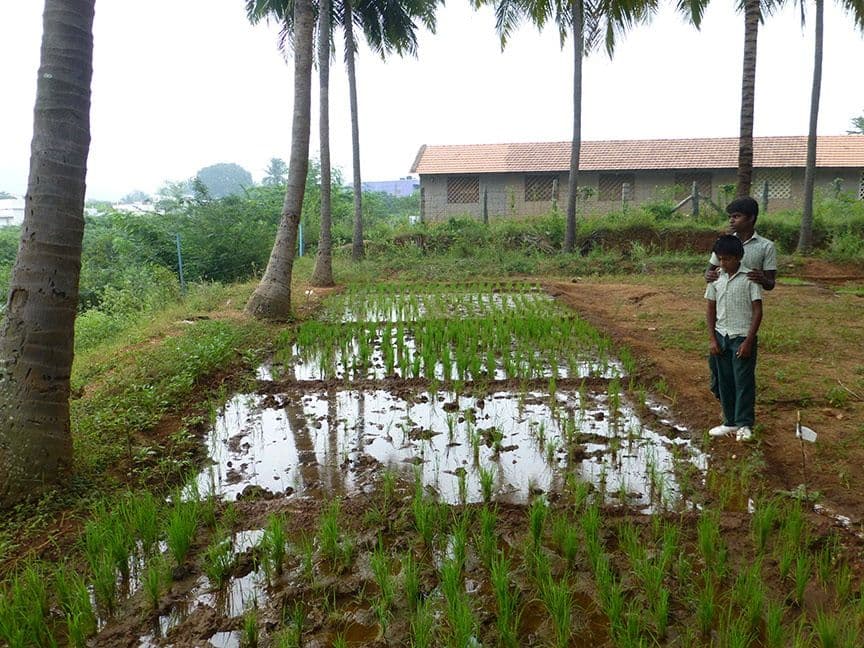
Tiny guides also showed us around five micro plots on which they were growing paddy. And told us of the different varieties and varying stages of cultivation these were in. No prompting, unaccompanied by teachers. Some of them are the children of marginal farmers and landless labourers.