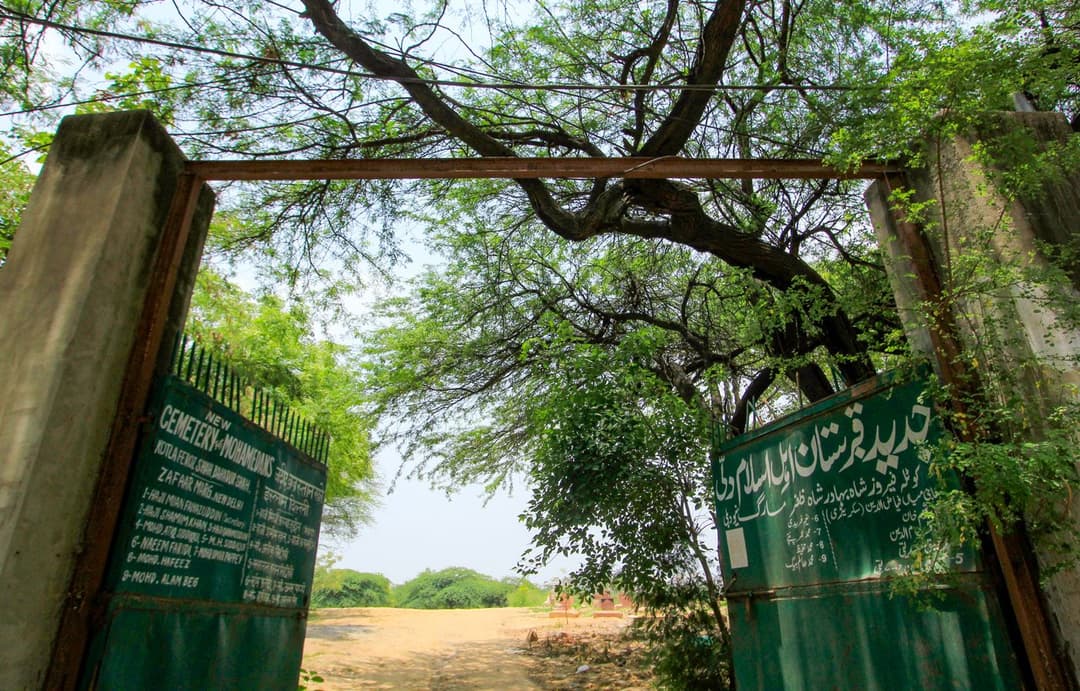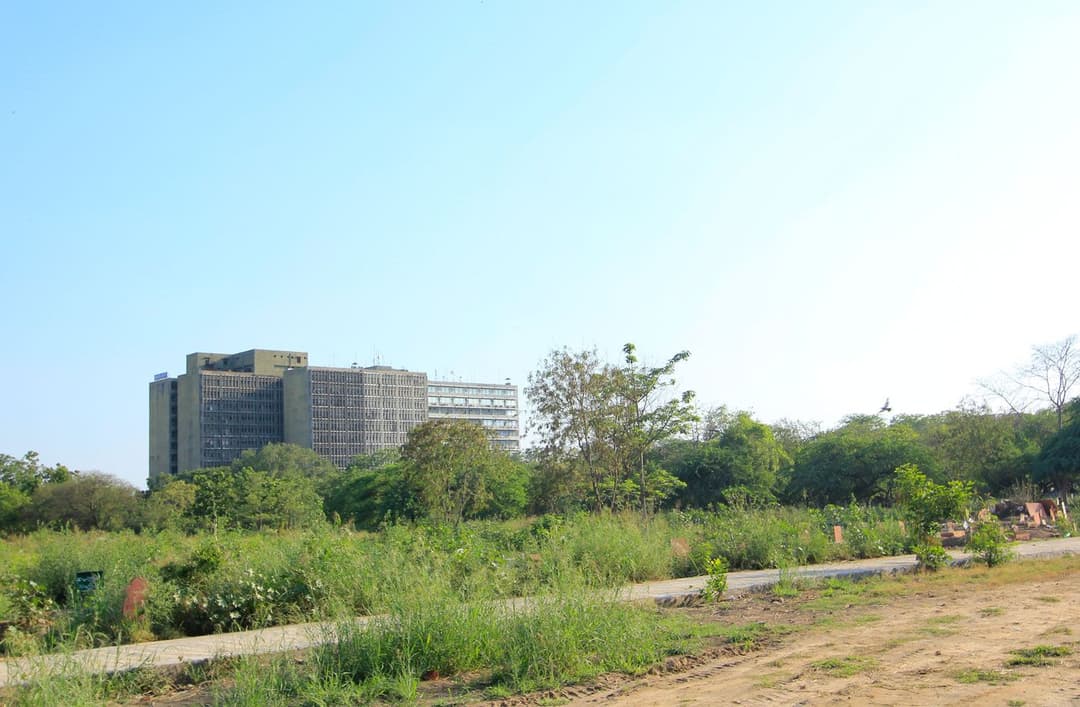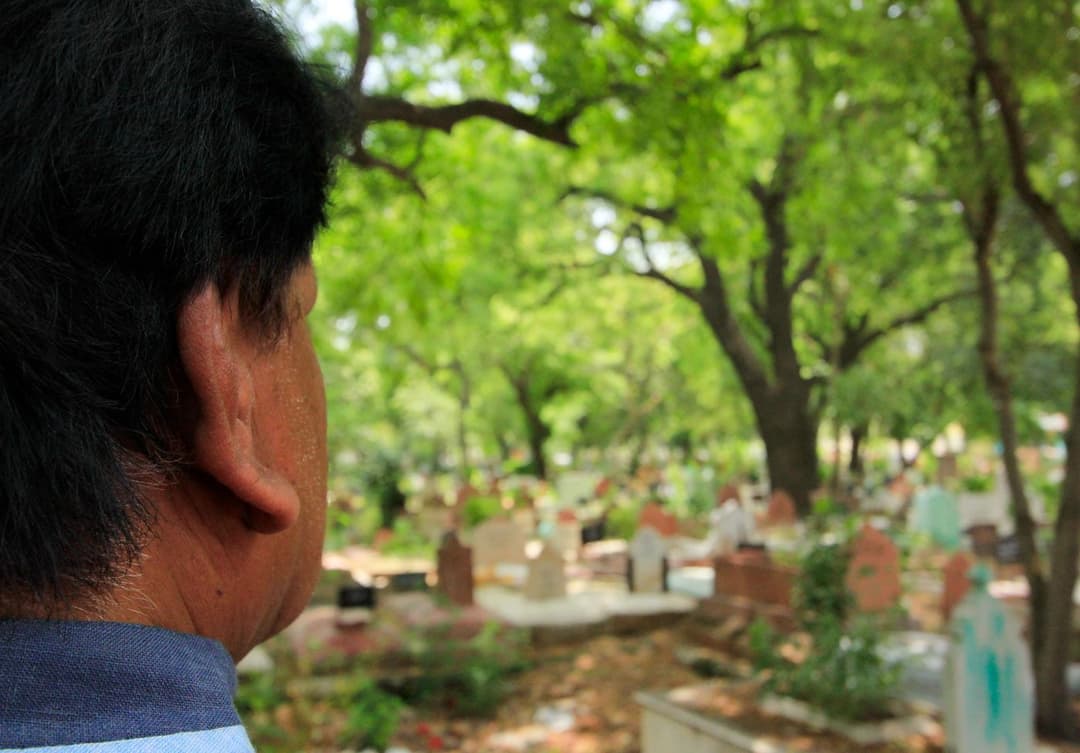
“Every soul will taste death,” reads the inscription. Not so much in prophecy as in epitaphs on most of the gravestones in one of New Delhi’s largest cemeteries, the Jadeed Ahl-e-Islam Qabristan.
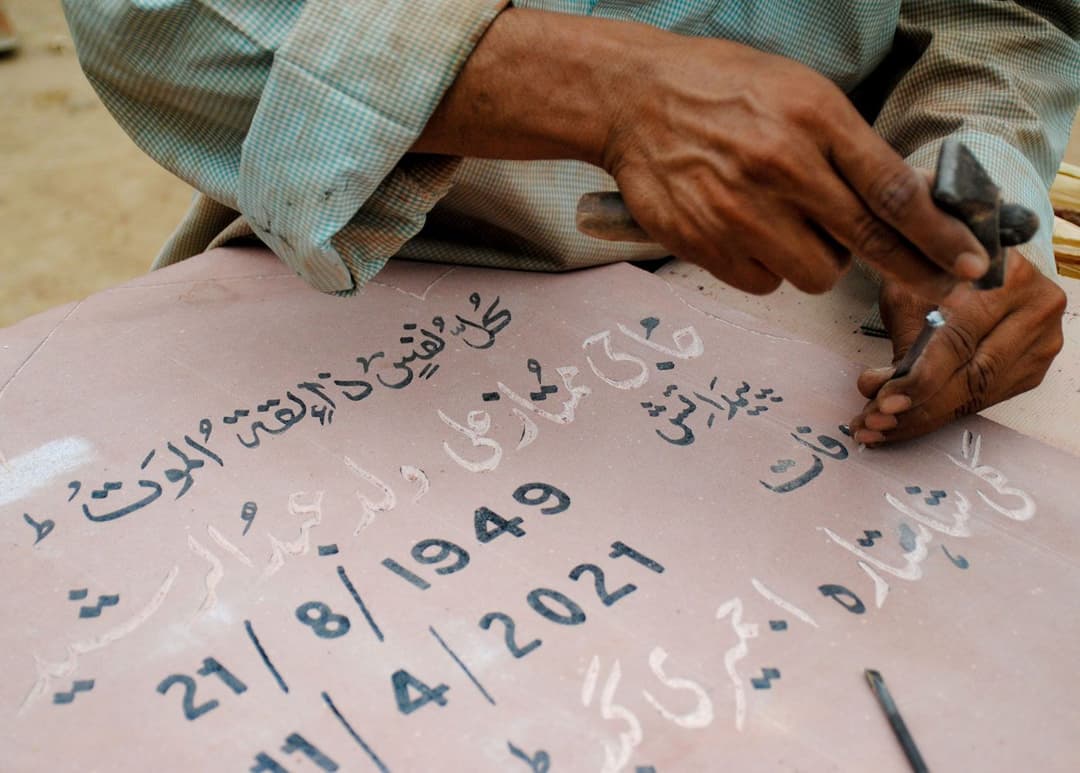
The line — كُلُّ نَفْسٍ ذَائِقَةُ الْمَوْتِ – is from a Quranic verse and adds serenity and sombreness to the gloom of this predominantly Muslim graveyard. An ambulance drives in with another dead person whose dear ones offer last prayers for the departed. Soon the van is empty, and a grave occupied. A machine then fills the grave with earth.
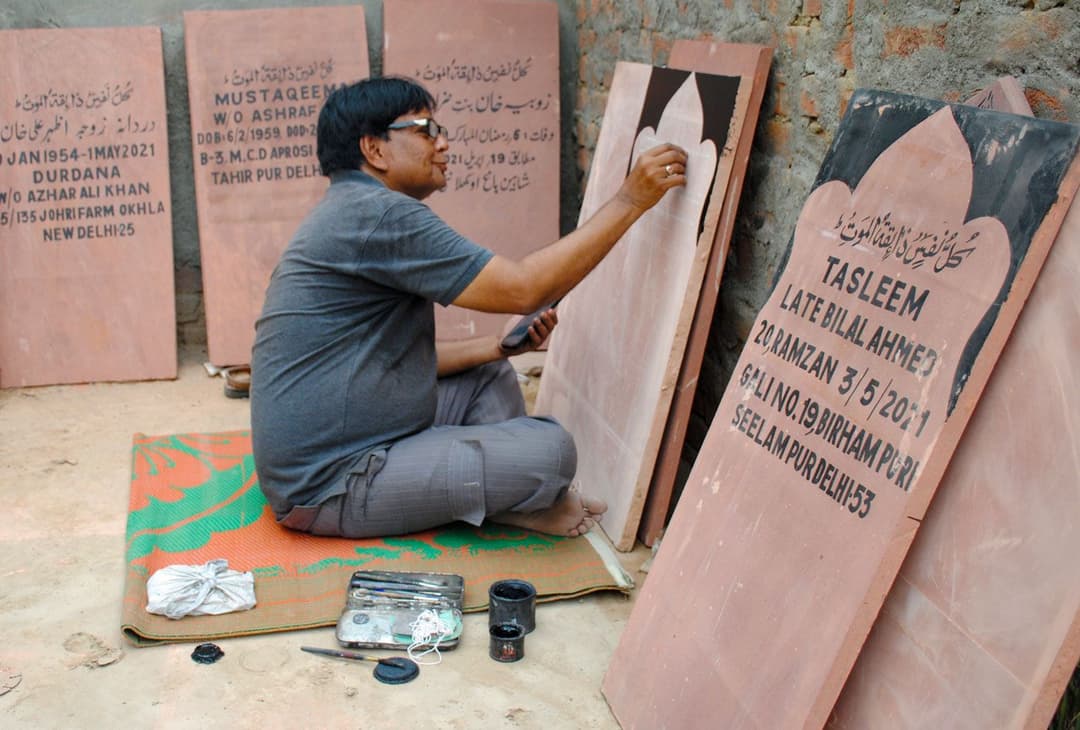
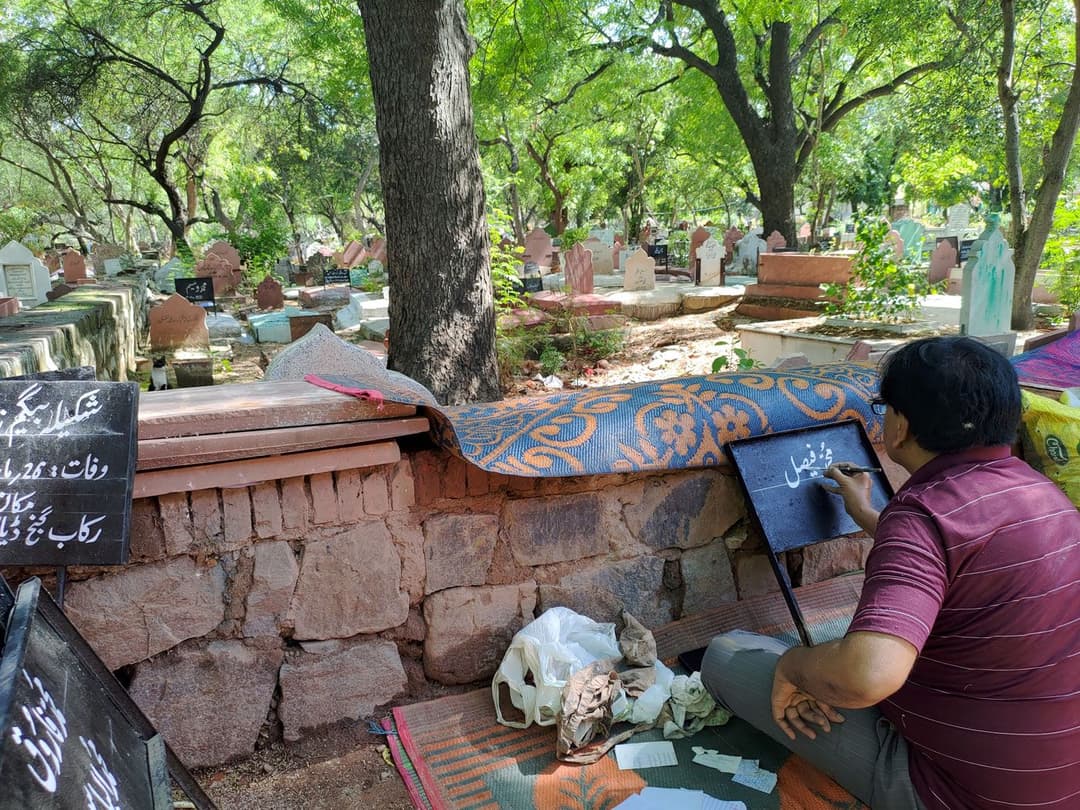
In a remote corner of this cemetery — located adjacent to the buildings housing media companies at Bahadur Shah Zafar Marg — sits Nizam Akhtar, 62, writing the names of the deceased on the gravestones — mehrab as he calls them. With his parkaza (calligraphy brush) held delicately between his fingers, he strokes a nuqta—a dot on certain letters of Urdu that give them their particular pronunciation. And the word he is writing is ‘Durdana’ – the name of a victim of Covid-19.
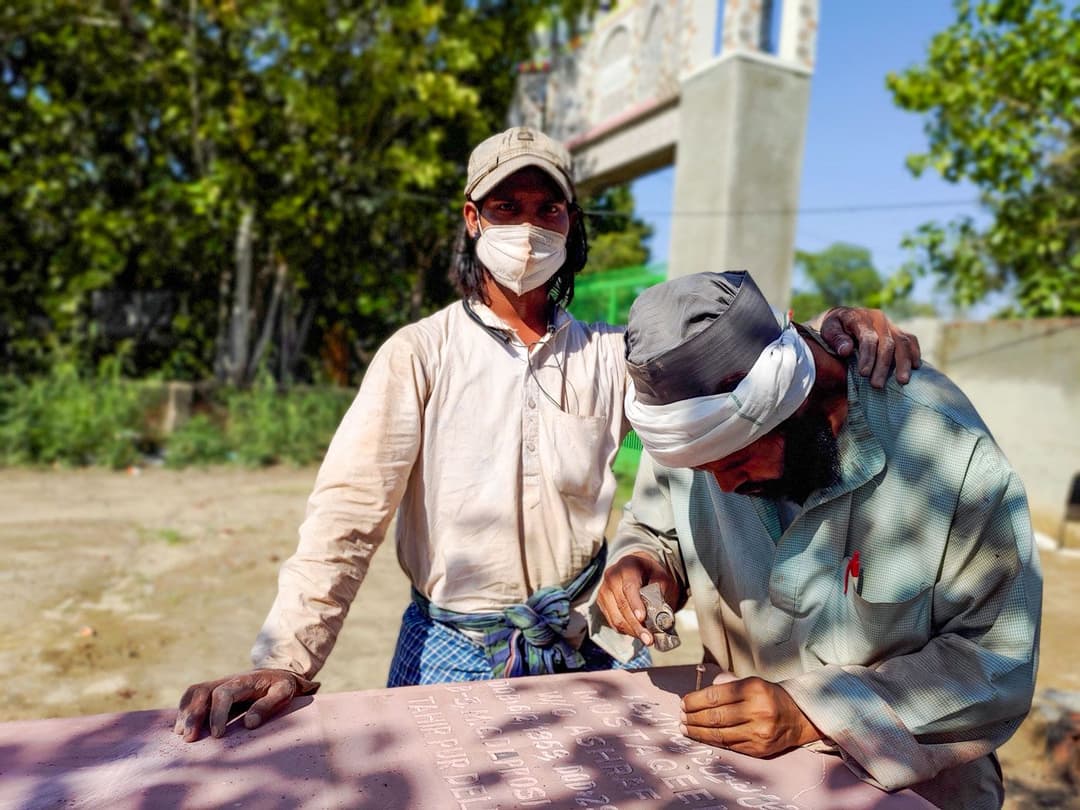
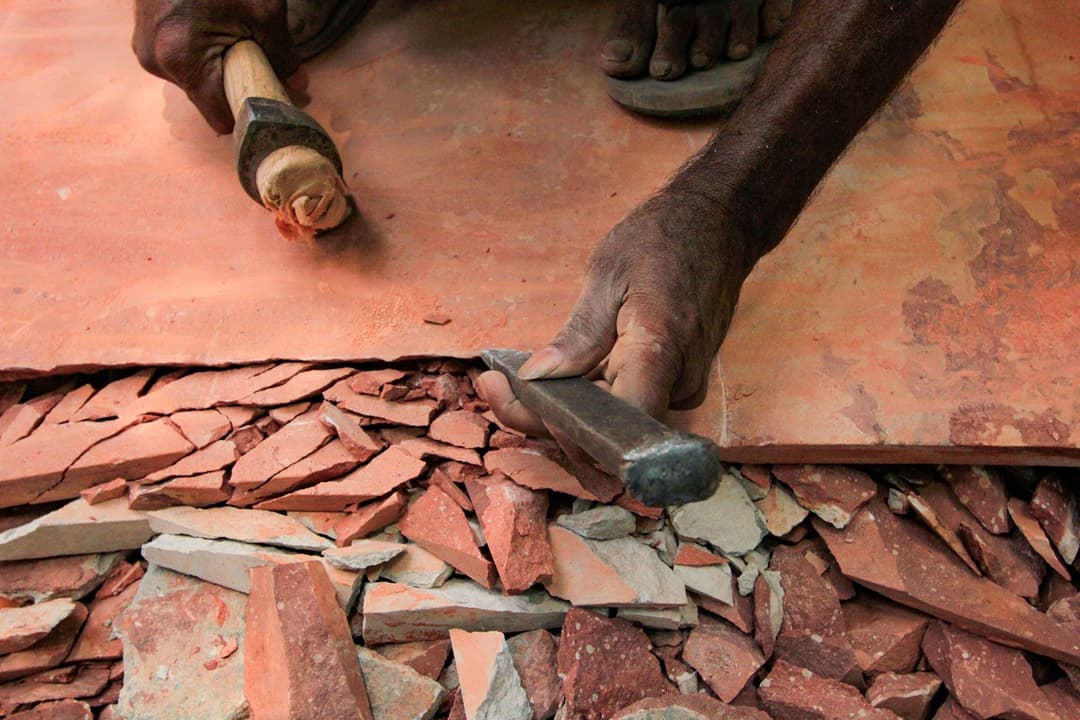
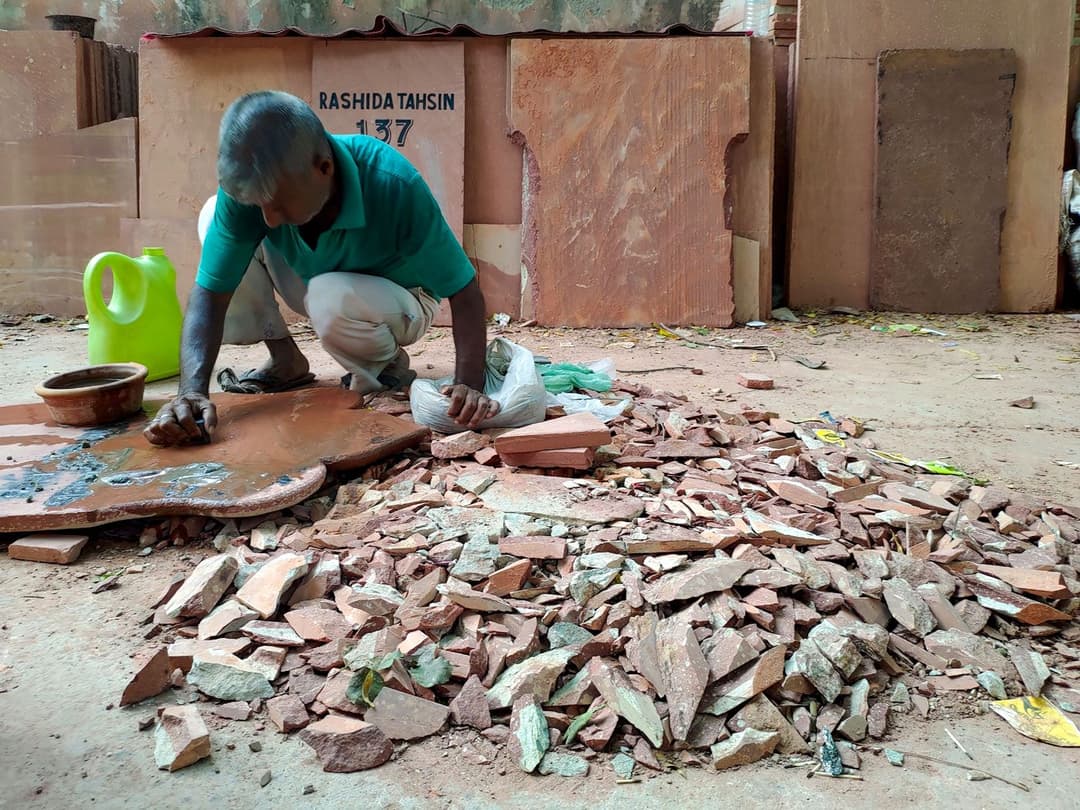
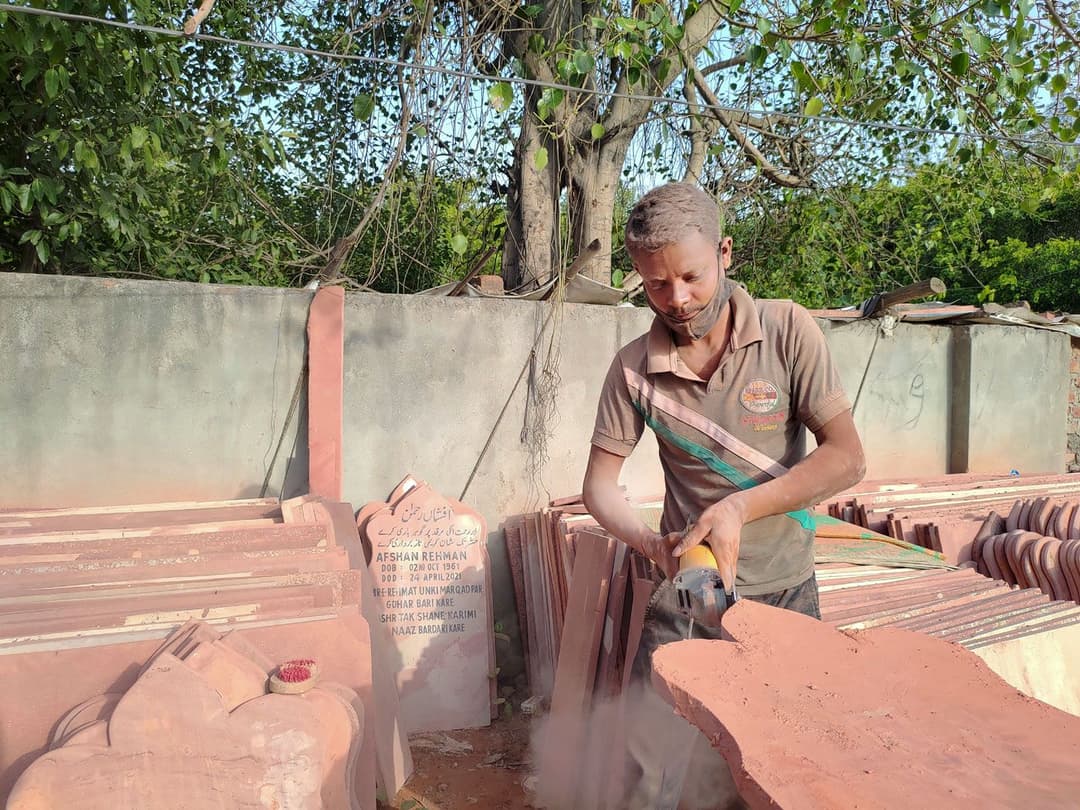
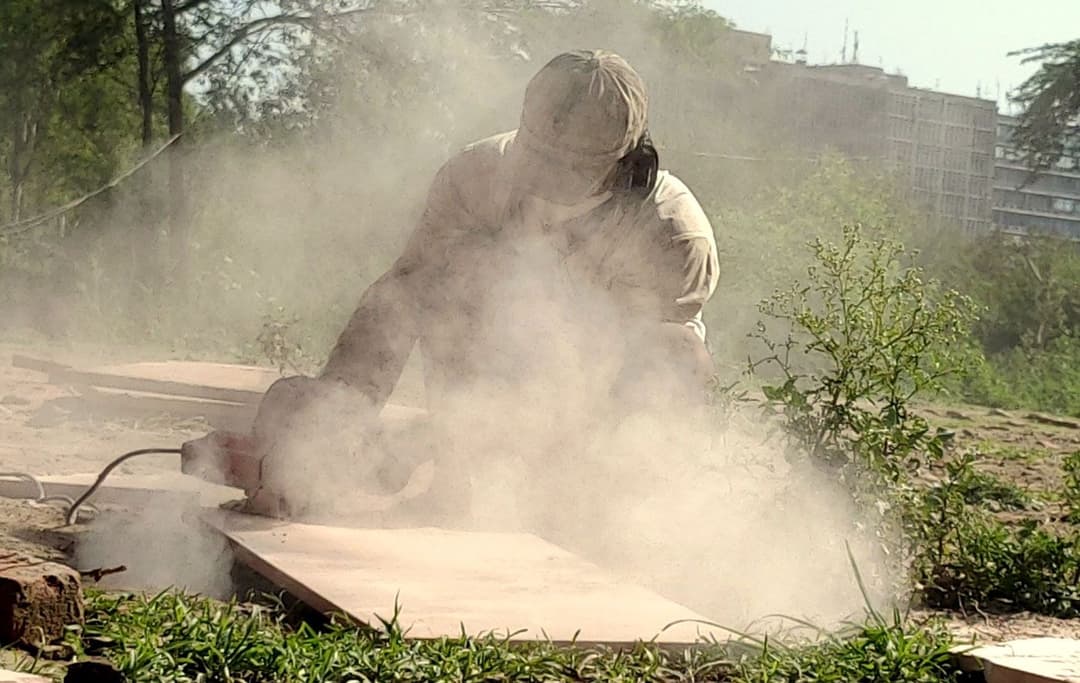
Nizam is actually painting the names and accompanying text on the gravestones in fine and complex calligraphy. Later a co-worker will use a hammer and chisel to engrave the text exactly along his inscription – the paint disappearing when he does that.
Nizam the katib (scribe or calligrapher) has been printing names of the deceased on gravestones for over 40 years now. “I cannot remember the total number of gravestones I have worked on,” he says. “This April and May, I wrote about 150 names of people who had died of Covid, and the same number of non-Covid ones. Each day, I complete three to five stones. It takes about an hour to write on one side of a stone,” he says. That is, in Urdu. On the other side, usually, just the name of the departed appears in English. “It is not like filling a page in seconds,” he smiles, gently mocking my notetaking.