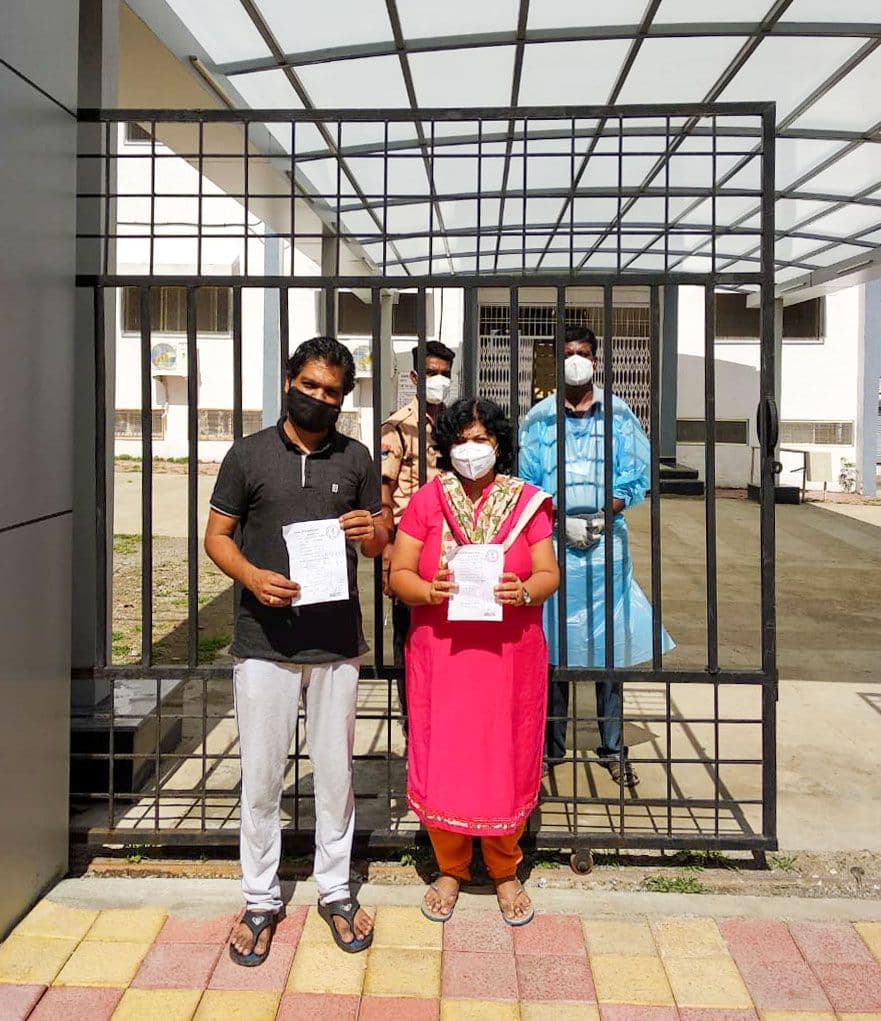

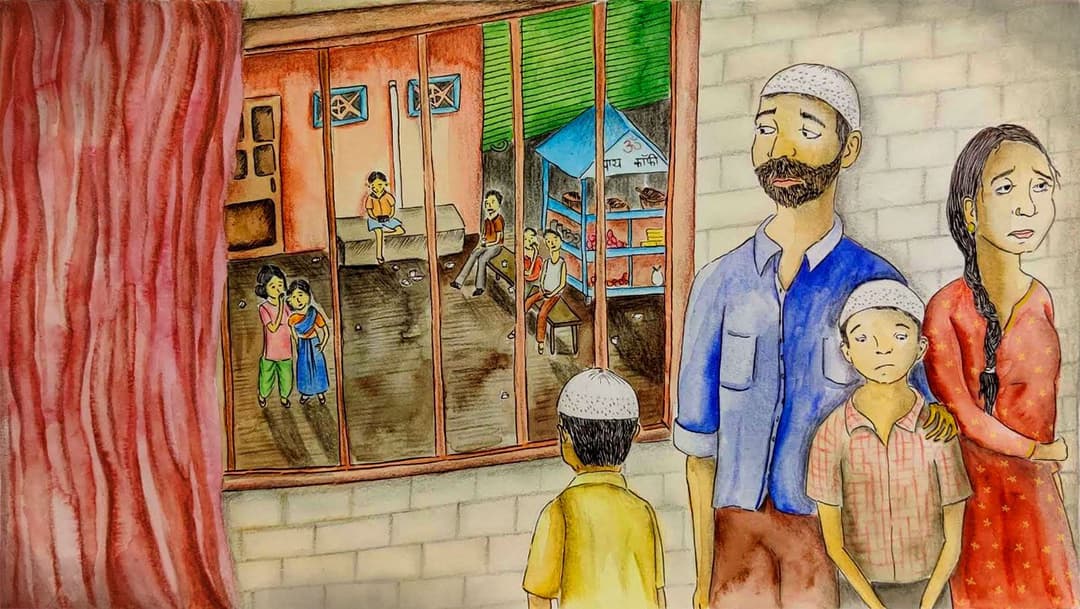
It didn’t matter that all but one of them had tested negative for coronavirus. The sarpanch, in agreement with the villagers, had issued a diktat. The family couldn’t leave their home for a month – though the mandatory quarantine period was 14 days. One of them had been infected with the virus.
To make things worse, his was the first reported case in the district of Osmanabad. And he had returned from Panipat, Haryana, after attending a Tablighi Jamaat congregation.
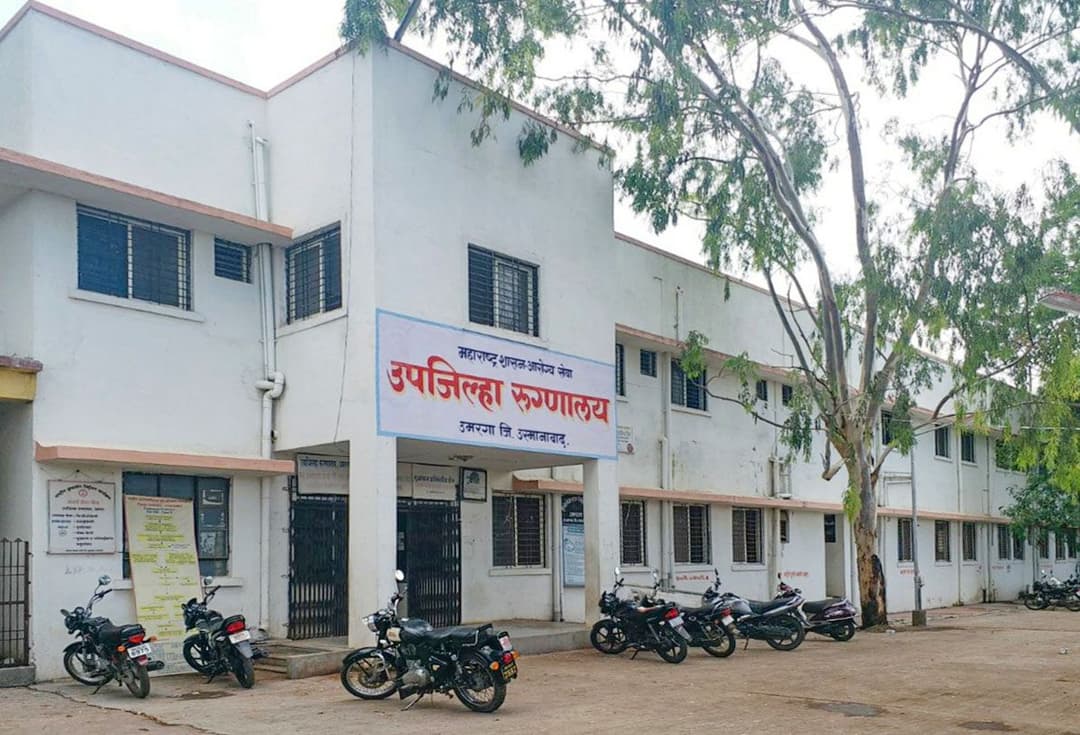
While he recovered in the government hospital at Osmanabad’s Umarga taluka in Maharashtra, his family was placed under virtual house arrest. “It meant we couldn’t even harvest our crops,” says 31-year-old Mohammad Salman (name changed). “The crops ready to be harvested kept rotting as my family remained inside the house. Animals destroyed some of those crops and the rest dried up. We couldn’t salvage anything. The losses came up to Rs. 50,000.”
Salman had returned from Panipat on March 24 – the day Prime Minister Narendra Modi announced a nationwide shutdown to contain the spread of Covid-19 in India. That same week, authorities in Delhi found 2,000 people were staying at Markaz Nizamuddin, the city headquarters of Tablighi Jamaat, one of the older Islamic organisations in the capital, founded in 1926. They had gathered for a congregation that took place in Delhi from March 13 to 15, which turned out to be a hotspot of the virus. After that event, a dark campaign began, seeking to defame the whole community.