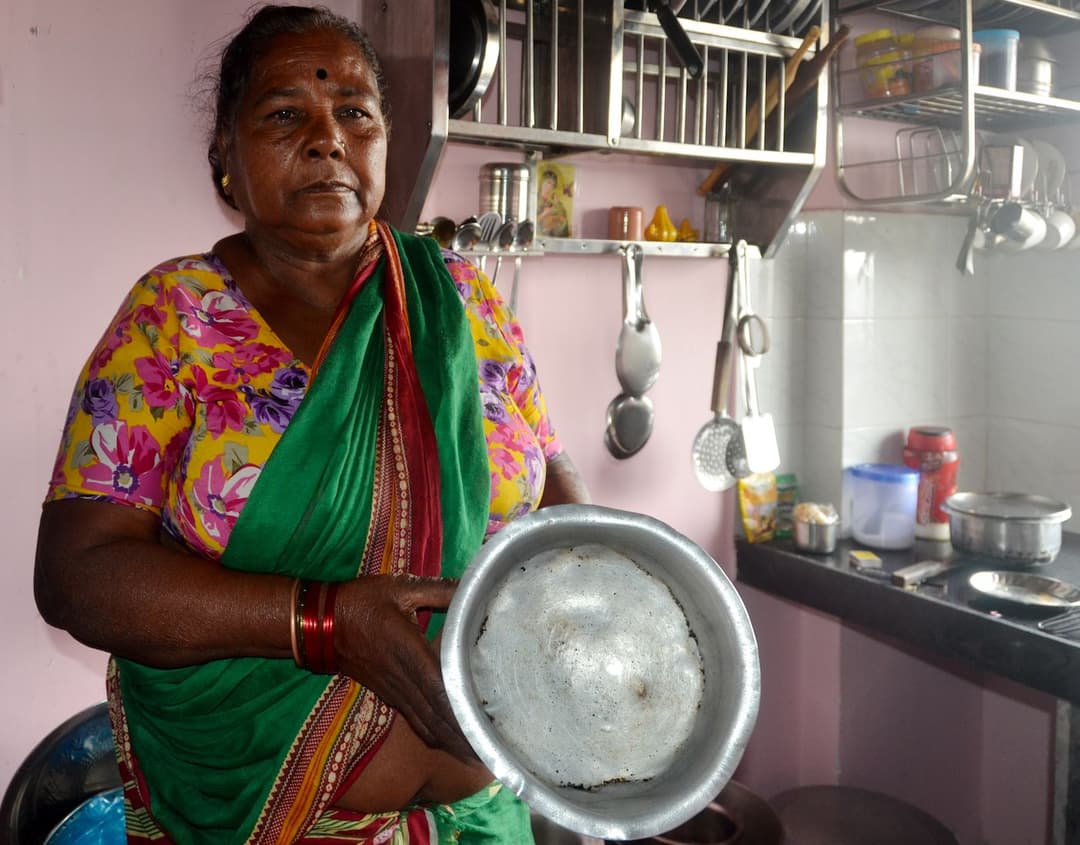

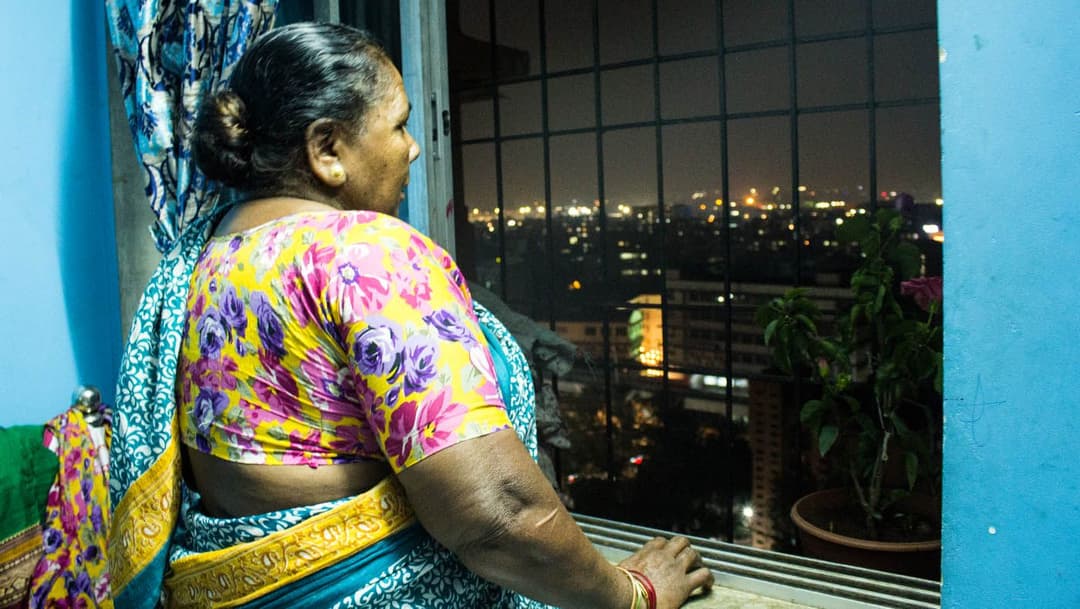
"We are people who live on the soil, not on concrete tiles or inside tall buildings," says Laxmi Gayakwad. Right now, she’s sitting high above the ground – on the 12th floor, in a 269-square foot flat allocated to her in exchange for her two-acre farmland in the tribal hamlet of Prajapurpada.
"Whenever I look down, it scares me. I feel like I might fall off. We don't belong here. I am not able to walk as freely as I could in the pada," says Laxmi, around 75 years old, with tears in her eyes.
Her tiny new ‘home’ is part of Mumbai’s Slum Rehabilitation Authority (SRA) scheme, in a building complex in Chakala in the western suburb of Andheri. It’s around 3.7 kilometres from Prajapurpada in suburban Aarey Milk Colony.
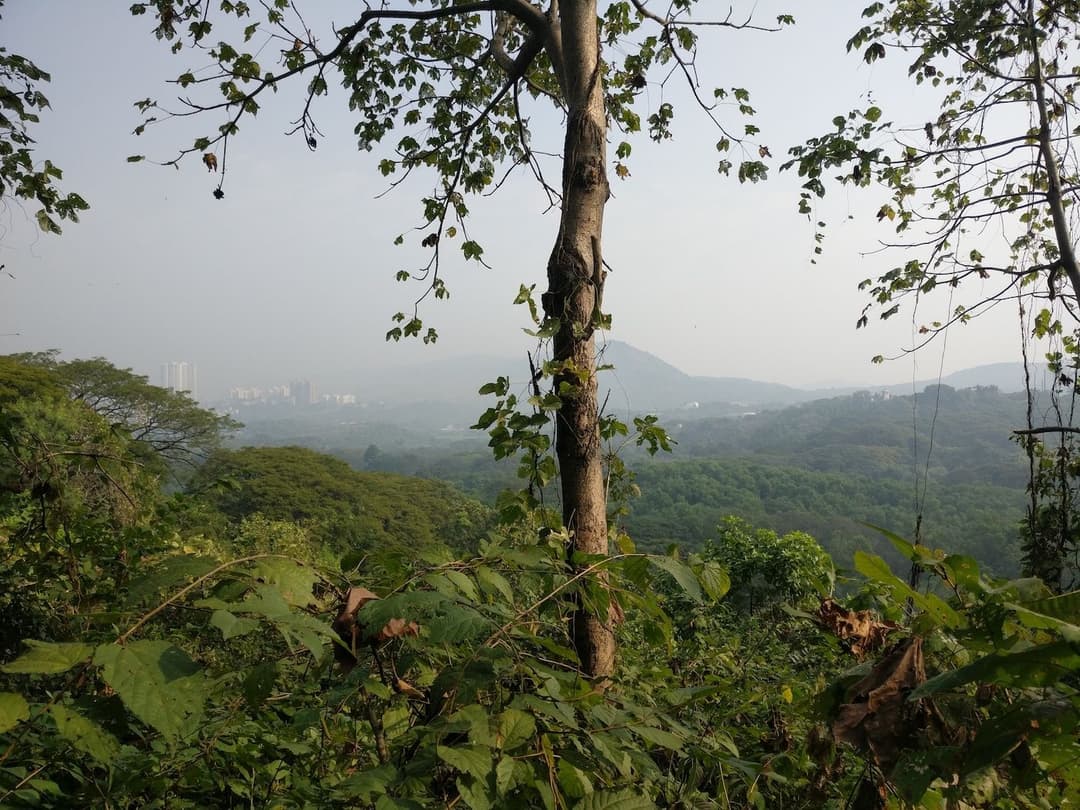
The milk colony was established by the central government in 1949 – it includes a milk factory and grazing pastures for cattle on 3,160 acres. The area has 27 Adivasi padas with a total population of over 8,000. Since the early 1990s, slums colonies too have come up here.
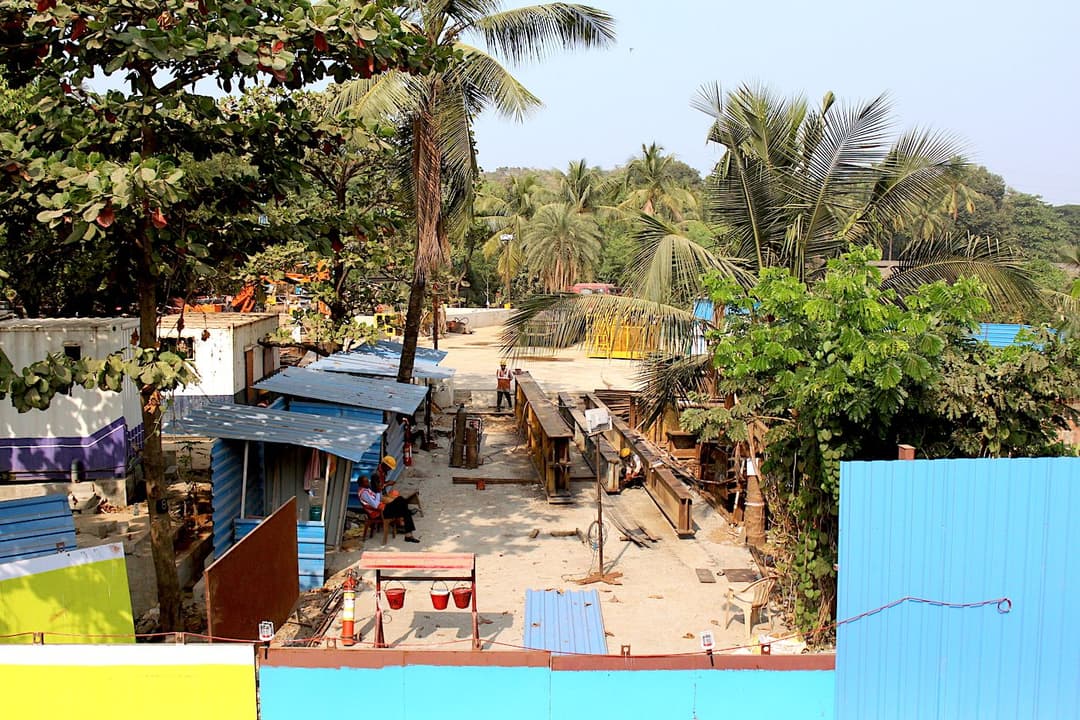
Gayakwad’s family is one of 70 Kokna Adivasi households – around 300 people – displaced from their pada in April 2017, when the Mumbai Metro Rail Corporation Limited (MMRC) took over the land to build a depot and sheds covering an area of 26 hectares.
The 70 families, along with around 100 families from Sariput Nagar in Aarey, were moved into a 16-floor SRA building. The SRA is a government of Maharashtra scheme, started in 1995 to rehouse families in 250-300 square feet flats in return for their slum homes.