
“If everyone grew food on their balconies and terraces, we would have enough food to eat.”
We are in a classroom, invited to sensitise urban students about rural India. The student’s statement drops like a silent bomb. If we let it go, it has the potential to cause irreparable damage – it will stealthily define ‘everyone’ to a class full of entitled young Indians. Instead, we can use it to ignite a discussion on something meaningful. Are there homes without a balcony, terrace or any open area?
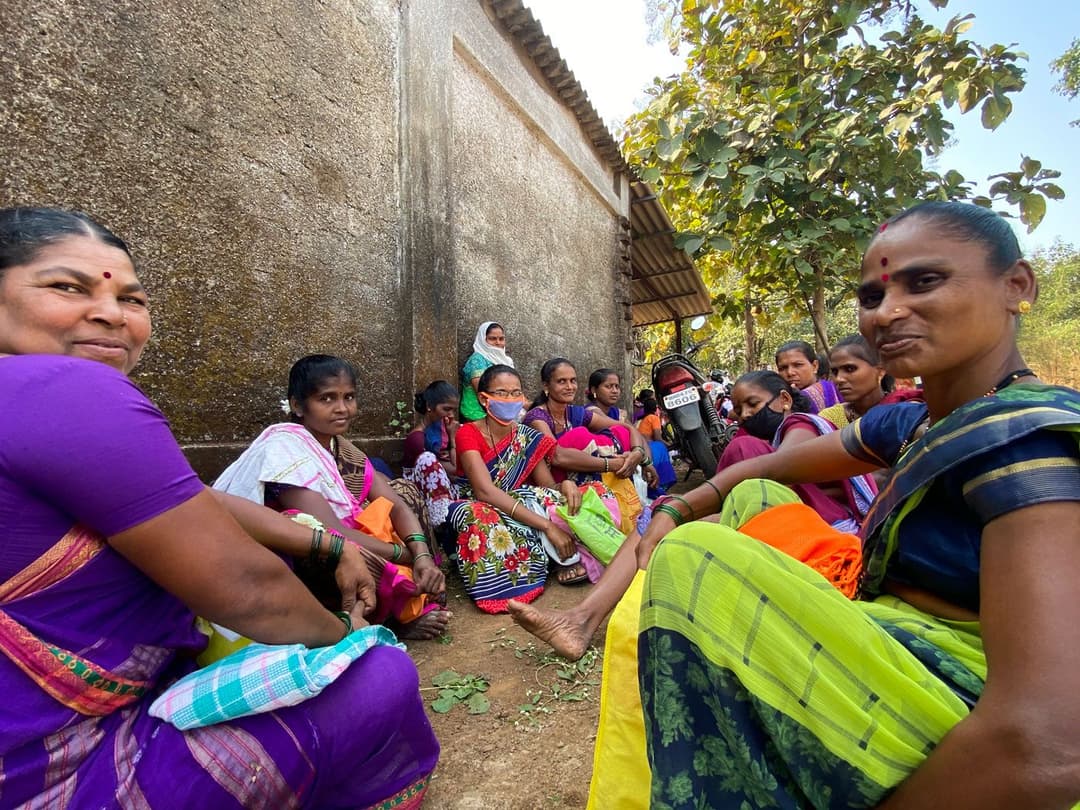
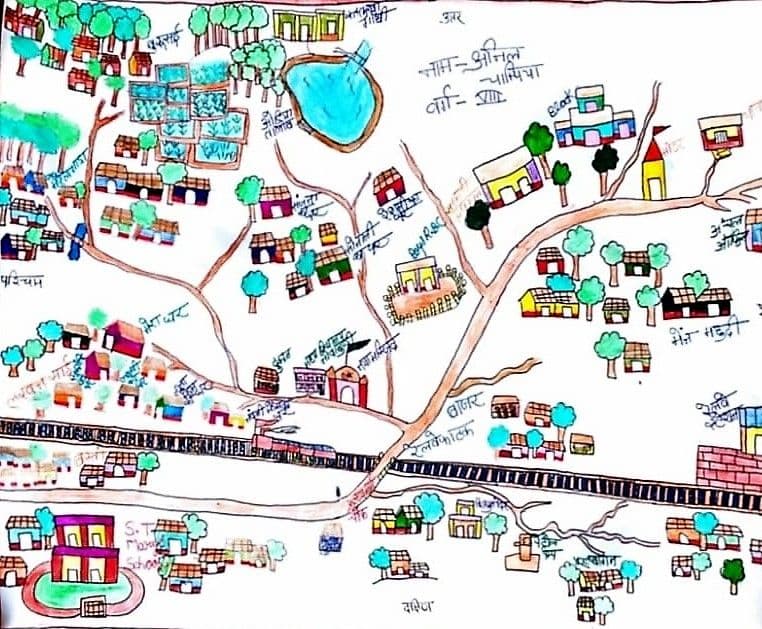
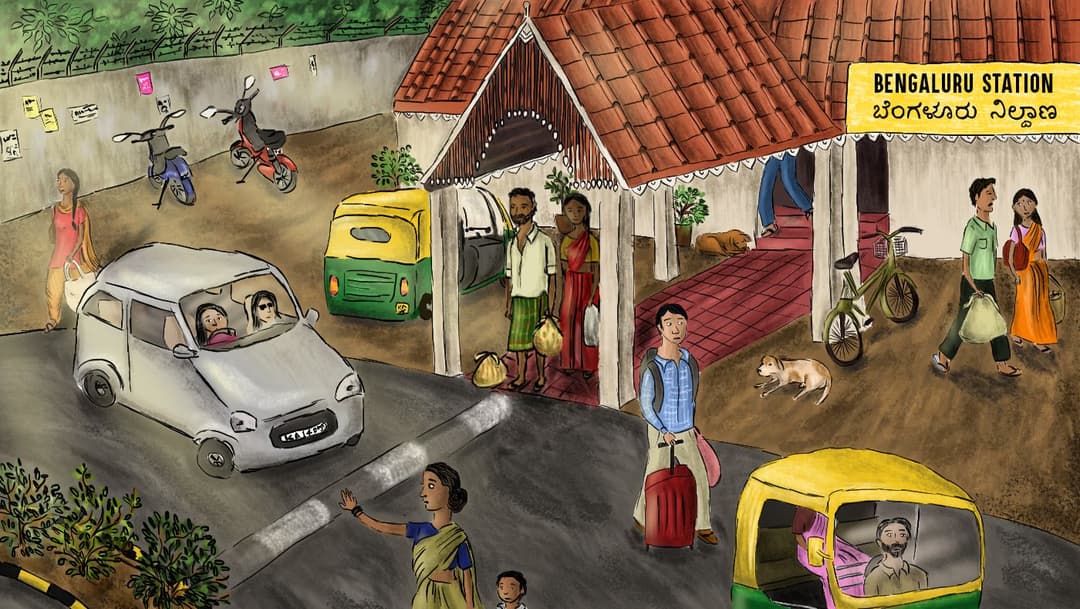
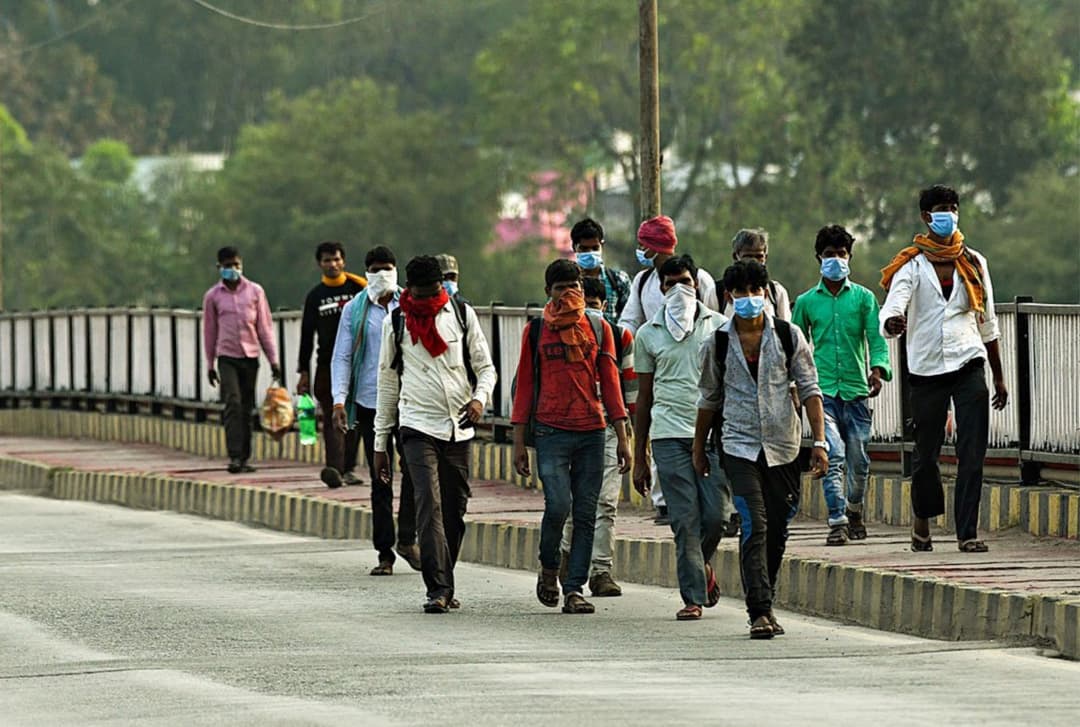
PARI Education, the education arm of the People’s Archive of Rural India (PARI), wants to seize these moments to discard stereotypes and widen references. By using PARI stories we want to get students in urban schools and colleges to explore, engage and empathise with rural and marginalised communities. Equally, we want rural students to document and record their communities and participate in building textbooks which include their lives. Maria Montessori held that the ‘reconstruction of society’ will come from the reconstruction of education – where students get to see, hear and learn about the multiple realities in our country.
As teachers we recognise that in the rush to make our students 'global citizens’ they have become alienated from their immediate surroundings and India beyond big cities. By ignoring the many Indias, dismissing their place in the curriculum, we send out the message that they don’t matter. P. Sainath, Founder Editor of PARI says: ‘There is an entire generation growing up in India, foreigners in their own country.’