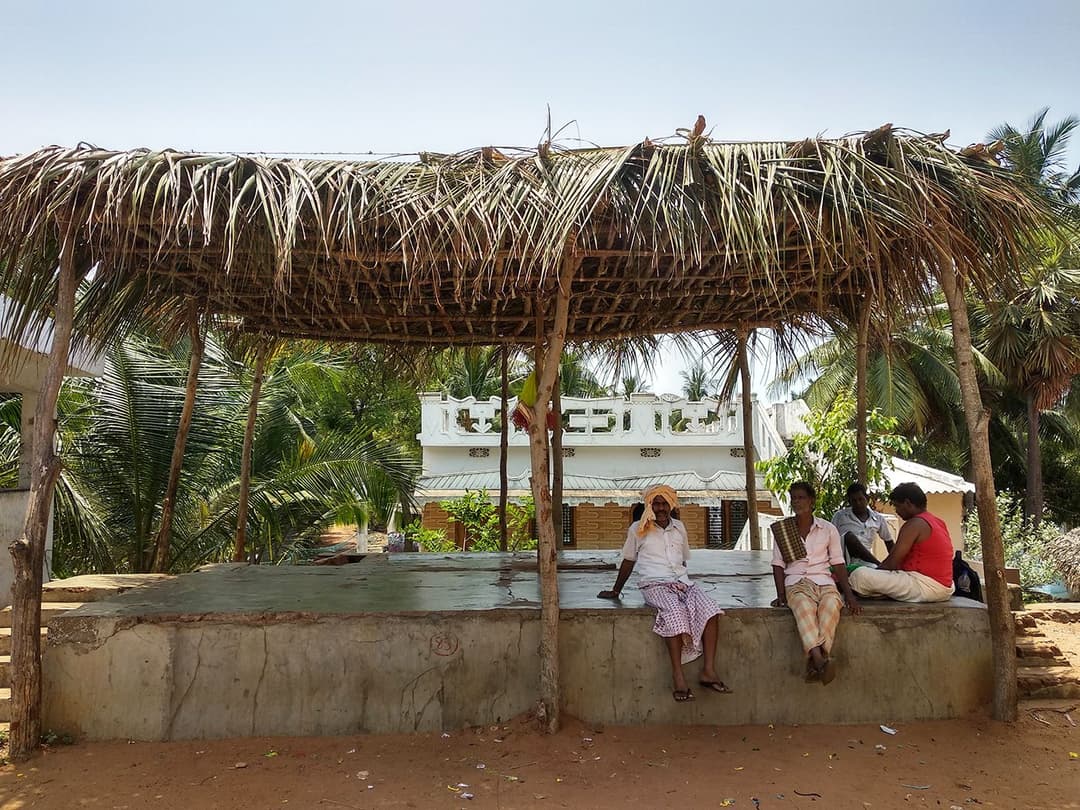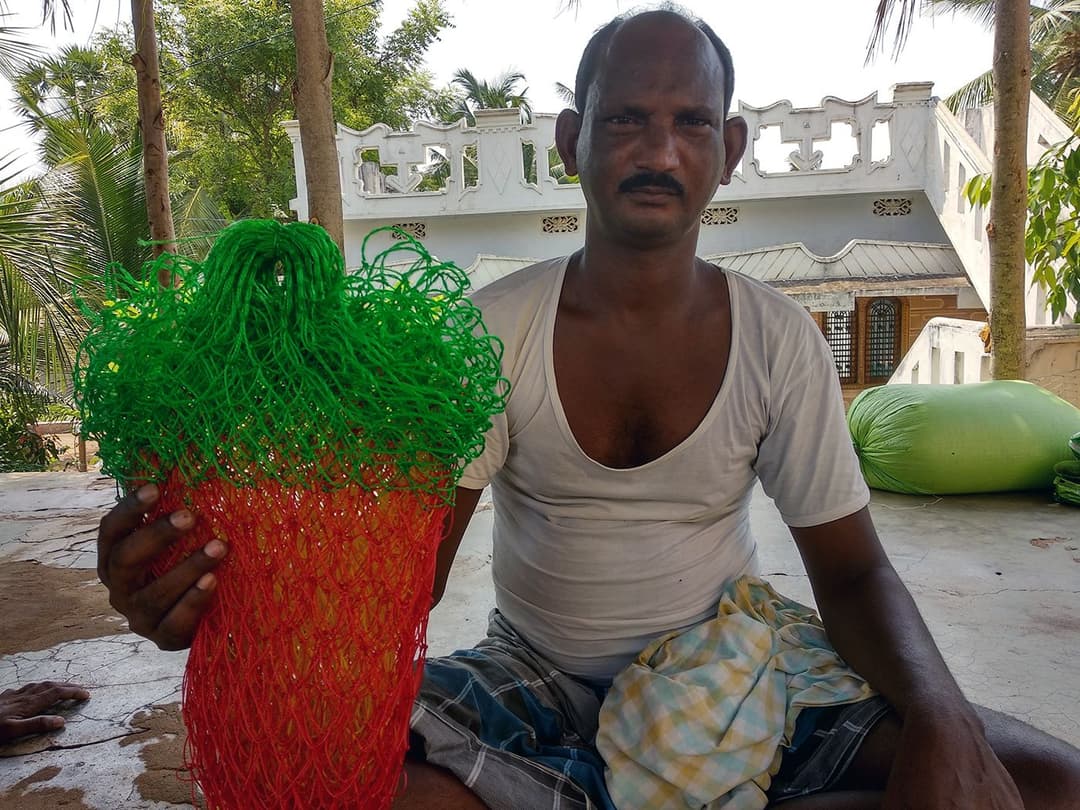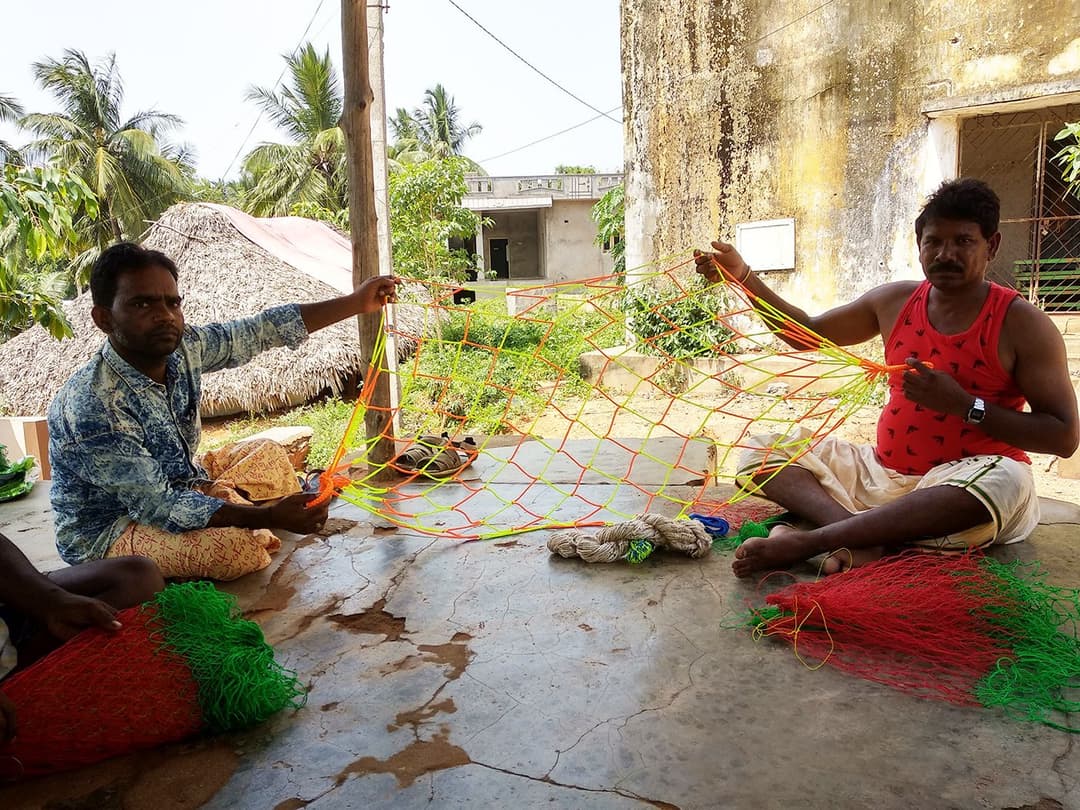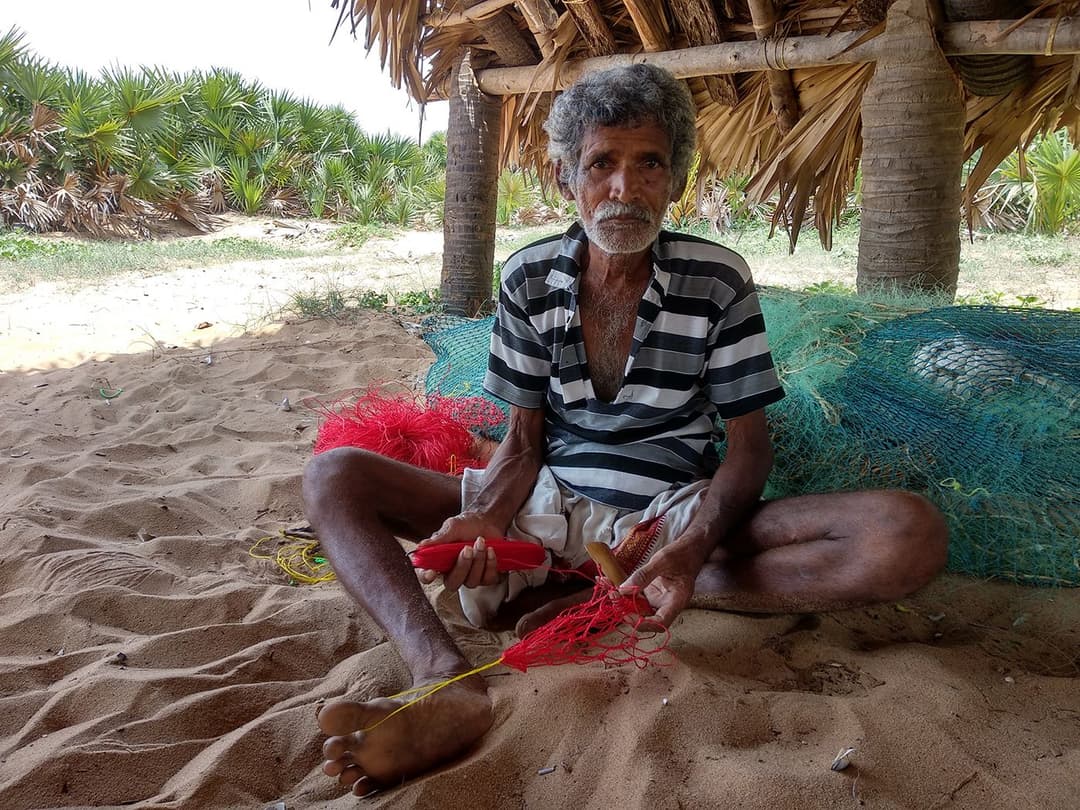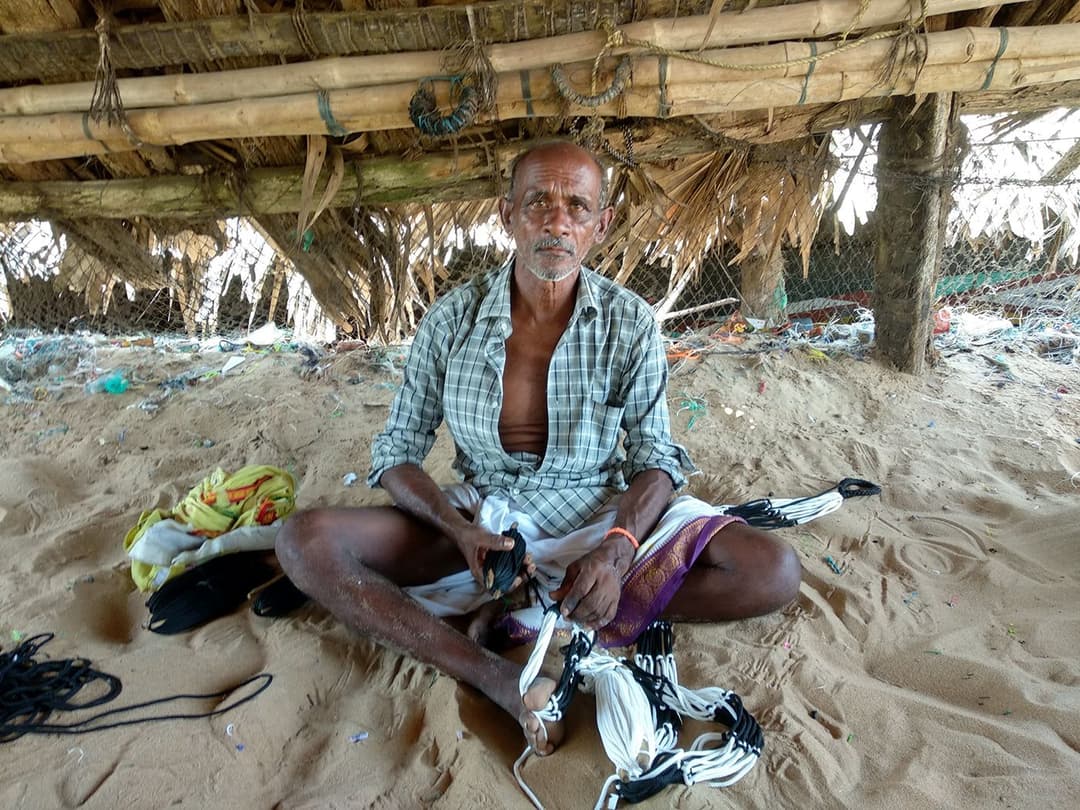
“At any given time, half of the men are usually outside the village. Some in the Amberpet market in Hyderabad, some at Besant Road in Vijayawada, others in Vashi market or near the Gateway of India in Mumbai, or in Pahar Ganj in Delhi – all of them selling baskets and hammocks,” says Myalapilli Pattayya, who himself has just returned from a sales trip in Uttaranchal.
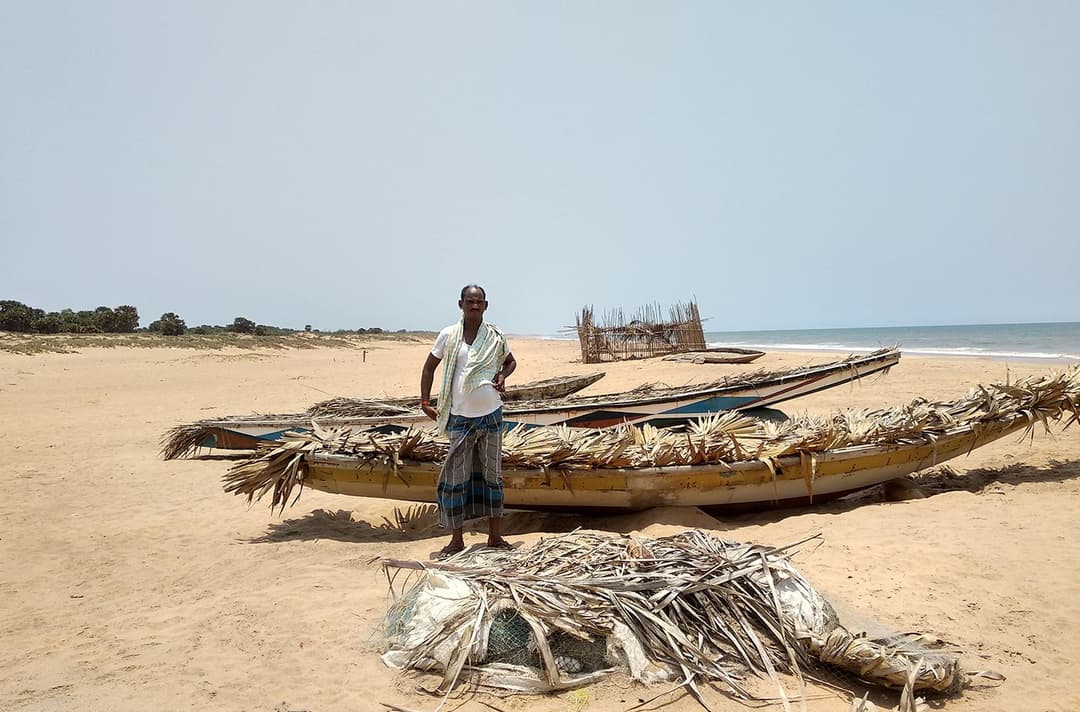
Pattayya, 42 years old, like others in his village, started making nylon-rope baskets, bags, swings and hammocks around 20 years ago. Until then, fishing was the main occupation in Kovvada (listed as Jeerukovvada in the Census), a small coastal village of around 250 people adjacent to the Bay of Bengal in Ranastalam mandal of Srikakulam district.
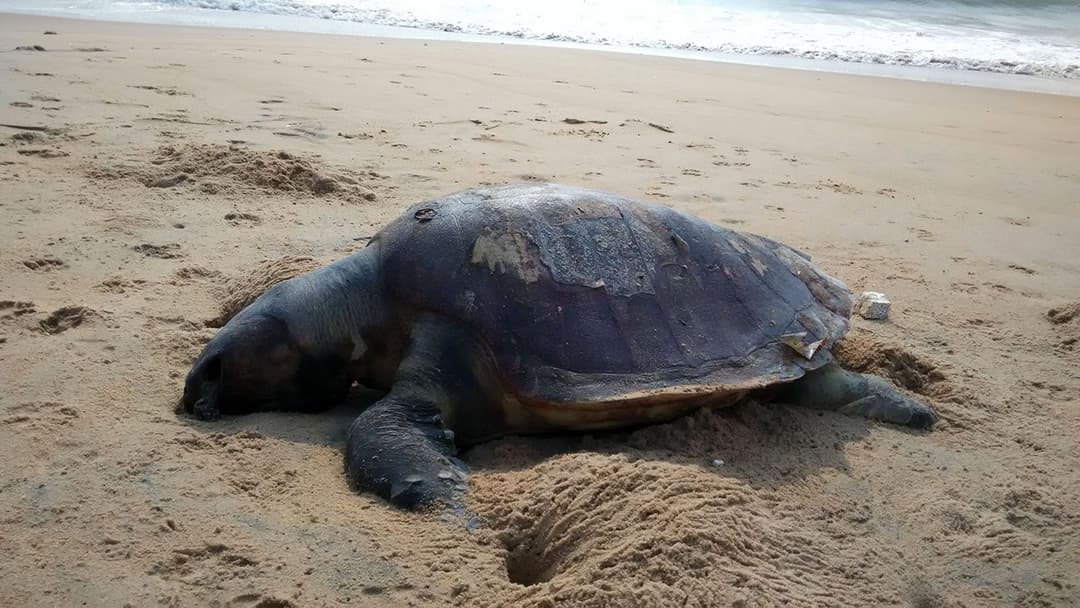
Then, water pollution started ravaging the aquatic wealth of the region. Pharmaceutical industries came up in Pydibhimavaram village barely 10 kilometres away, in the 1990s. They have polluted groundwater as well as sea water, studies show.
India’s Ministry of Environment classifies pharmaceutical manufacturing as a ‘red category’ activity due to its hazardous waste. After a globalised pharma sector began proliferating from the early 1990s, the industry has become “one of the fastest growing segments of the Indian economy,” notes a report titled Impacts of Pharmaceutical Pollution on Communities and Environment in India. Among the industry’s hubs are Andhra Pradesh and Telangana. The report speaks of the “sustained negative impacts as a result of the pharmaceutical industry's unbridled expansion in Telangana and Andhra Pradesh.”