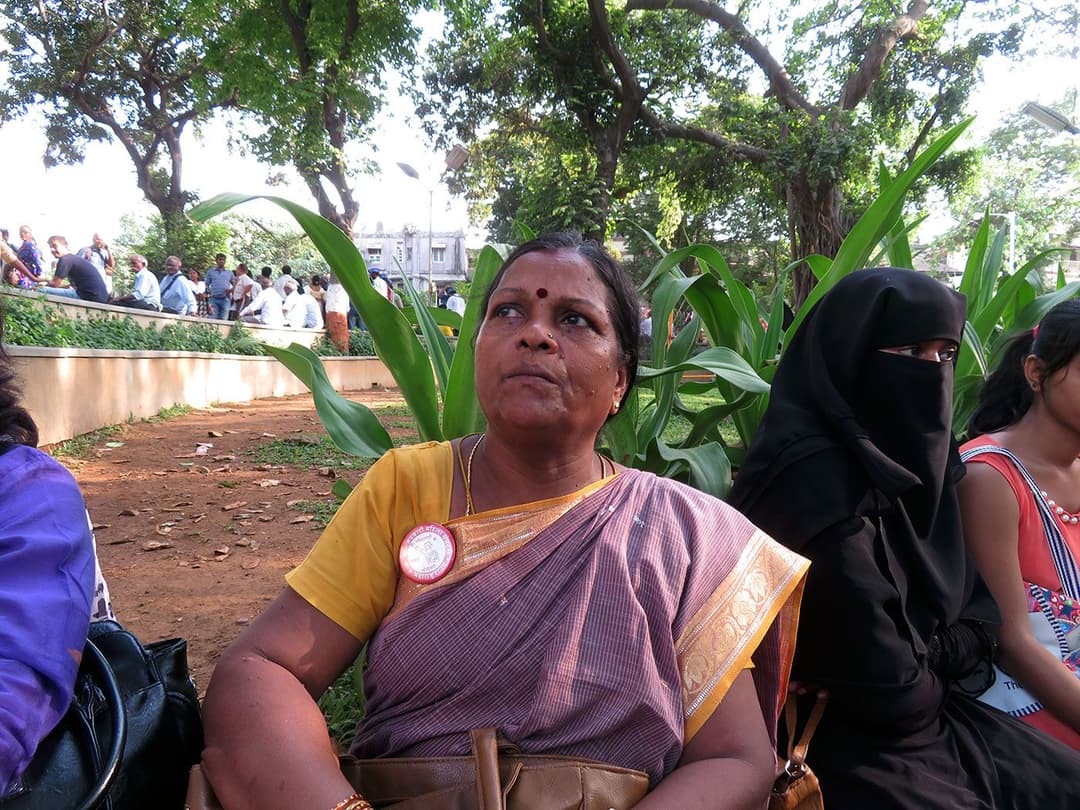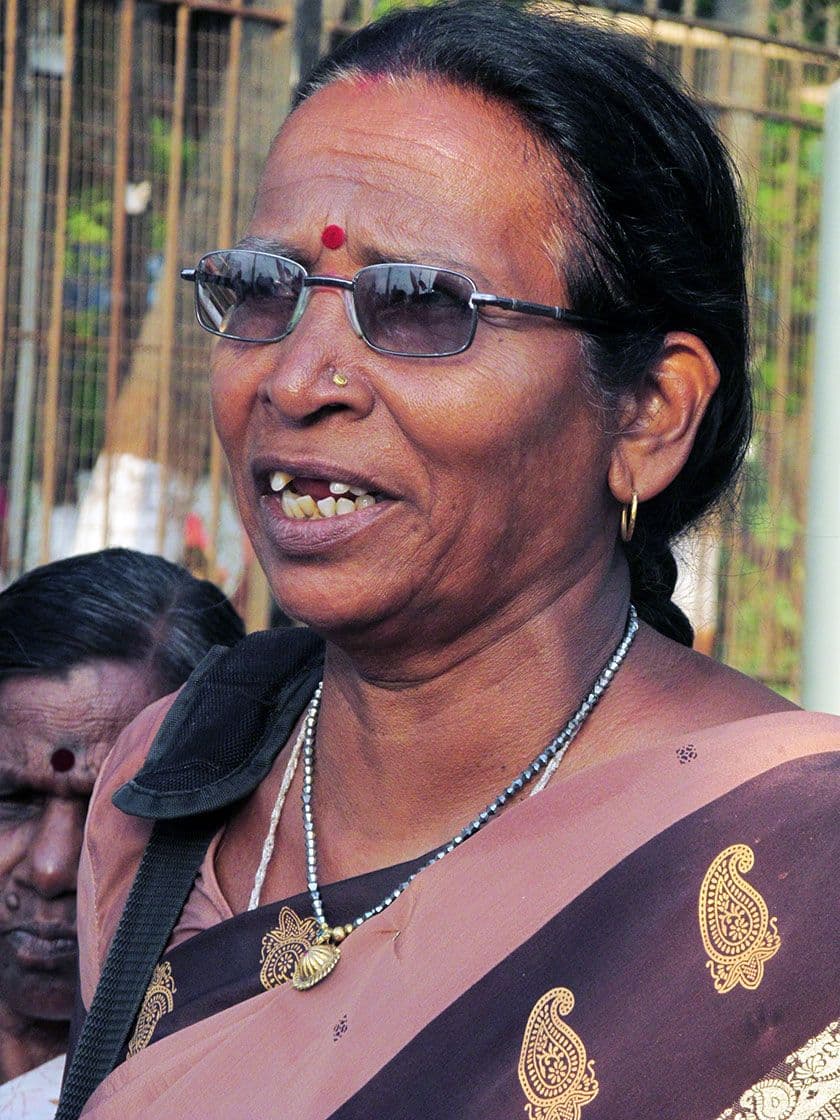

"This [Supreme Court] ruling will only increase the crime rate against us!”
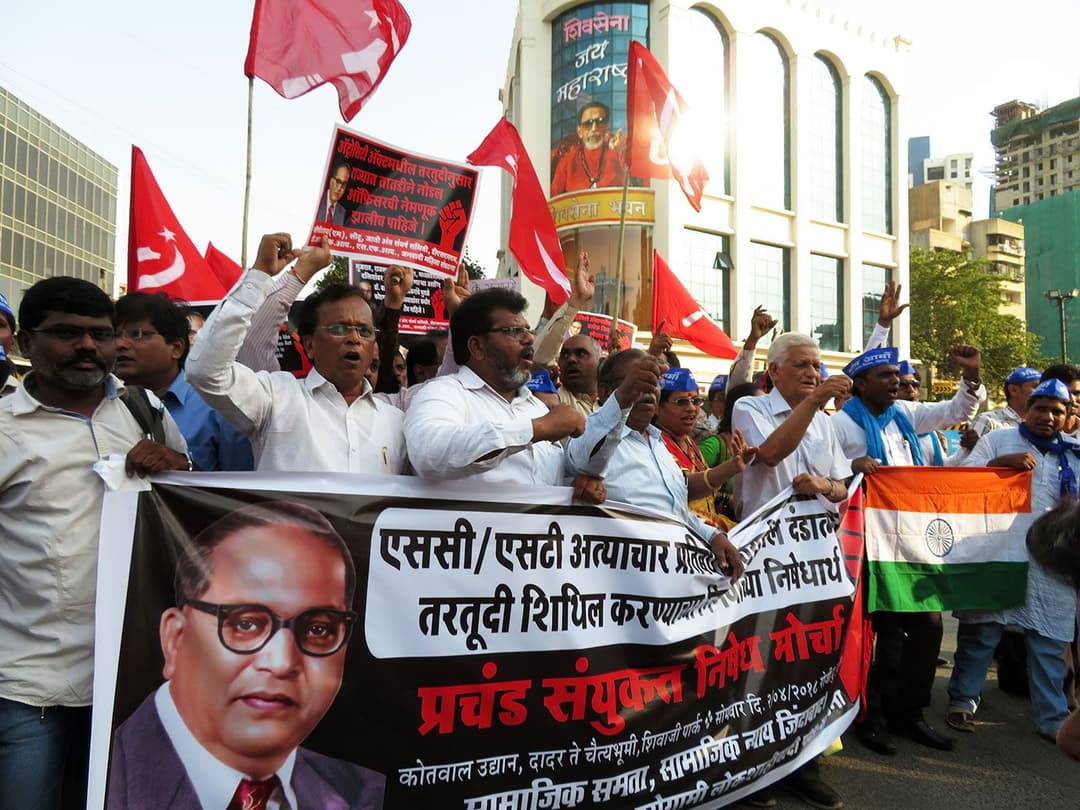
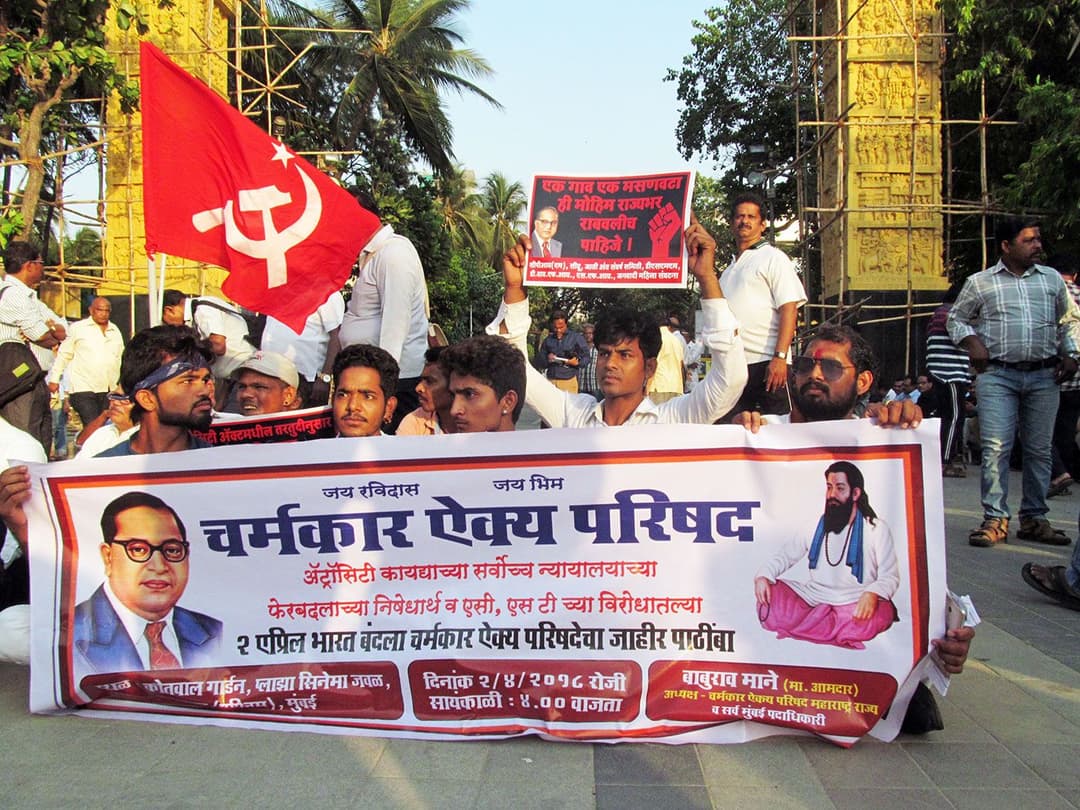
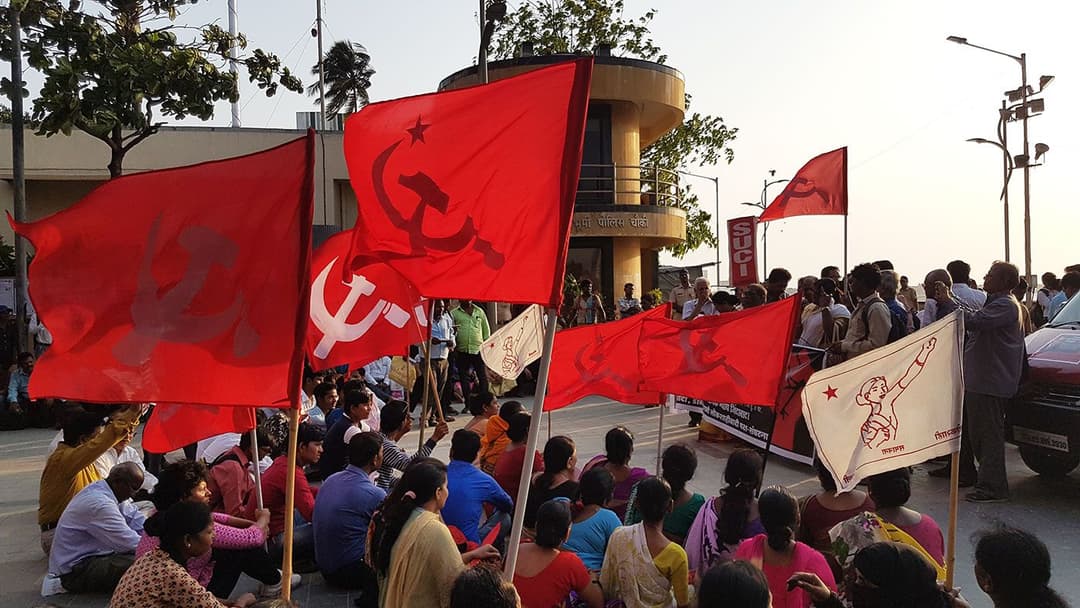
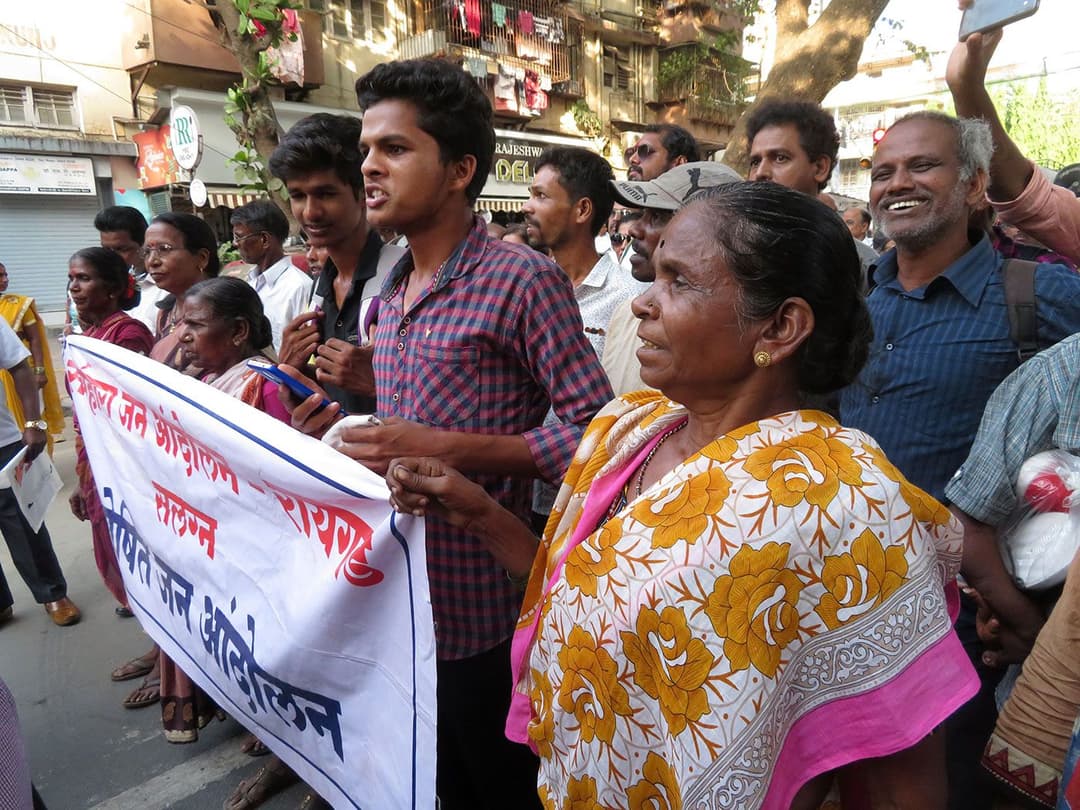
Listen to Saroja Swami. She reflects the anger of all those gathered at the Dalit and Adivasi protest on April 2 in Mumbai – and the anger of millions nationwide.
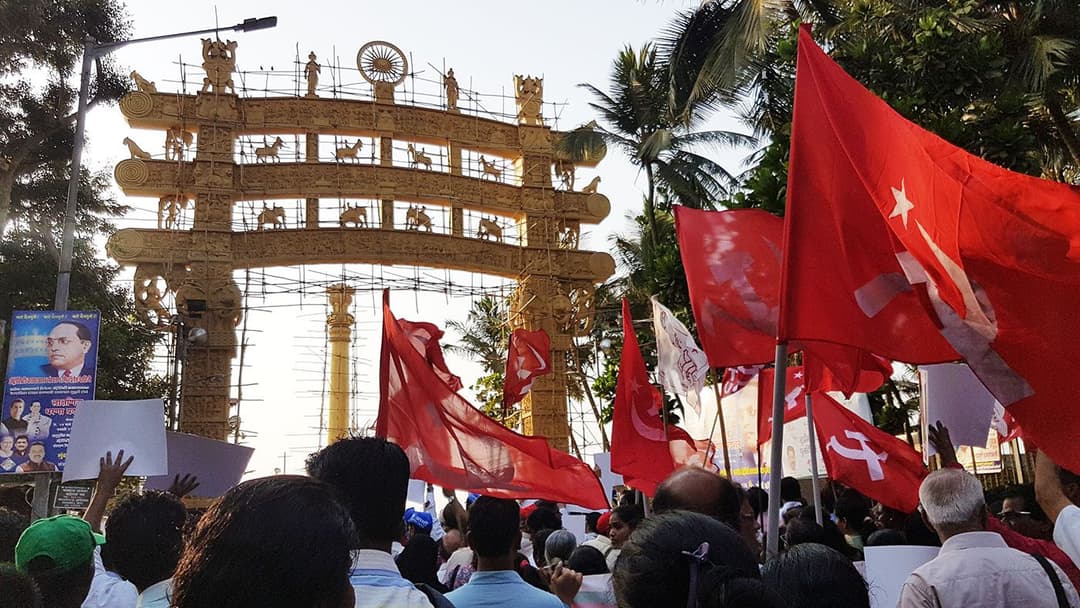
“We still live in times where a Dalit boy is killed for riding a horse,” says Swami, 58, a political activist, while walking with the protestors from Kotwal Udyan in Dadar towards Chaitya Bhoomi near Shivaji Park, both in central Mumbai.
The protestors were appalled by the Supreme Court ruling of March 20 that dilutes some provisions of the Scheduled Castes and Scheduled Tribes (Prevention of Atrocities) Act, 1989. The apex court’s ruling means that hereon, public servants accused of discriminating against Dalits or Adivasis can only be prosecuted after prior approval from their appointing authority.
Further, a Deputy Superintendent of Police would have to conduct a prior inquiry into the charges to determine whether they are genuine or frivolous. The Union government has filed a review petition to contest the ruling. The court has agreed to an immediate hearing on the matter.