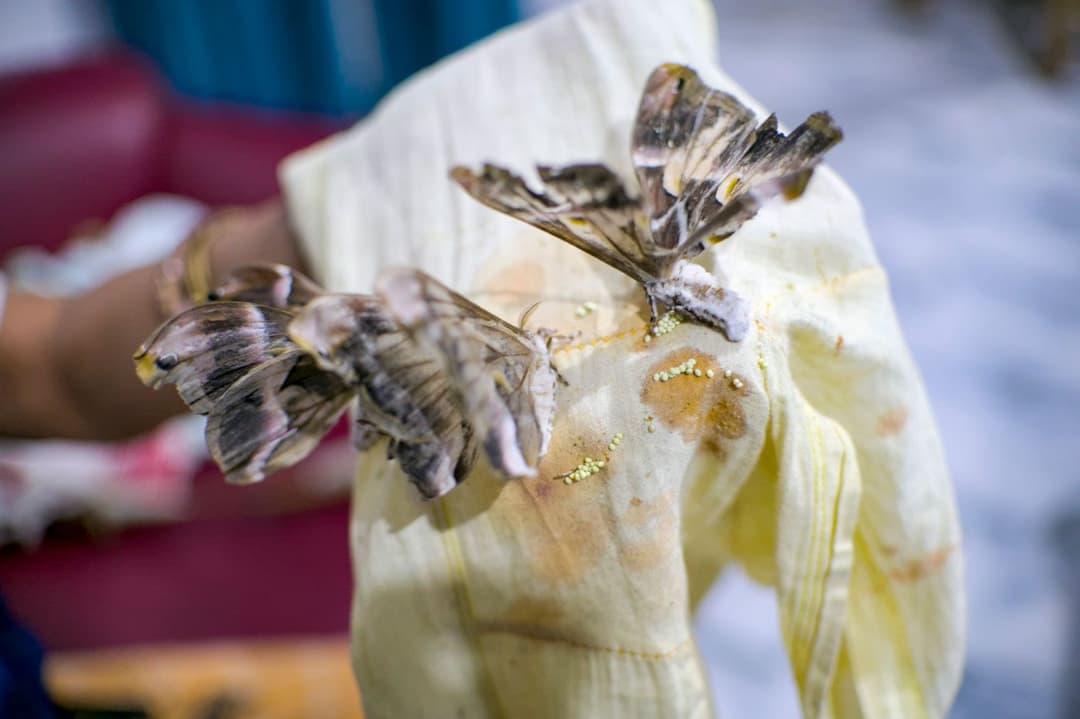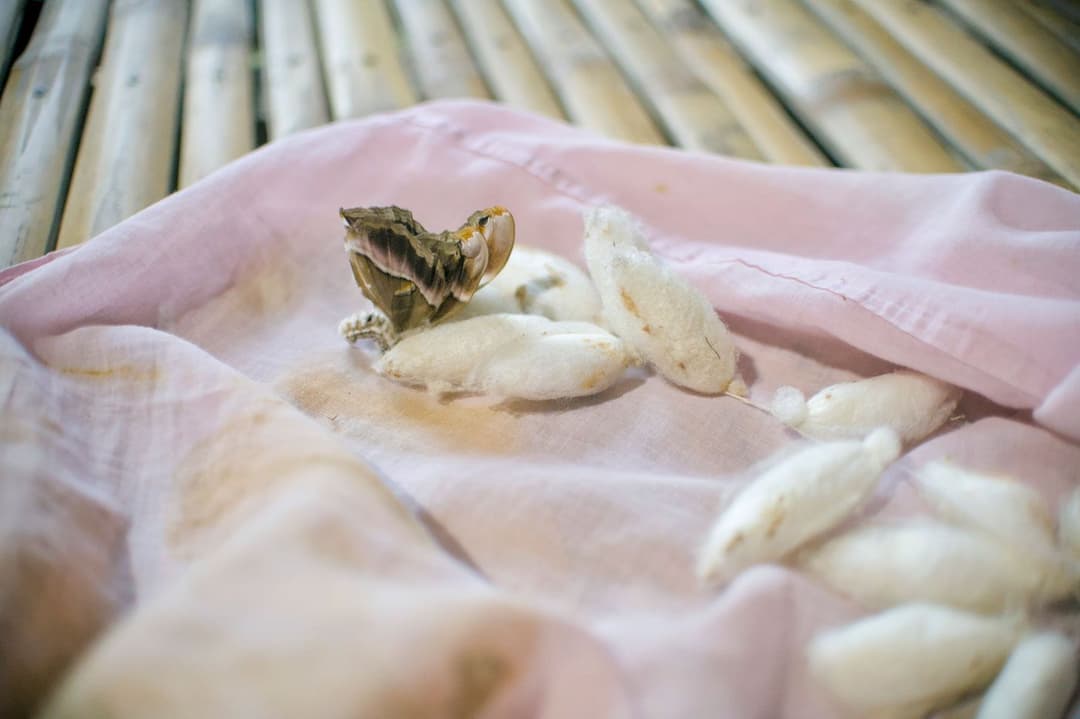

Deepika Kaman’s trained eye can distinguish between the almost identical looking male and female moths. “They look alike, but one is longer than the other. That is the male,” she says, pointing to the brown and beige creatures with a wingspan of around 13 centimetres. “The short, thicker one is the female.”
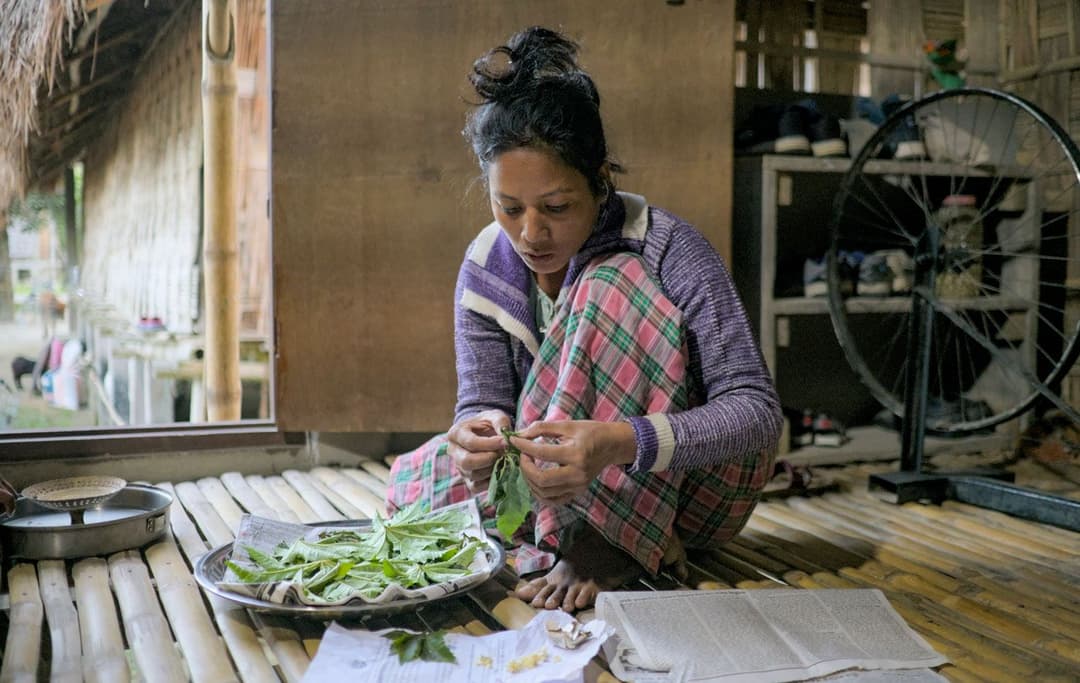
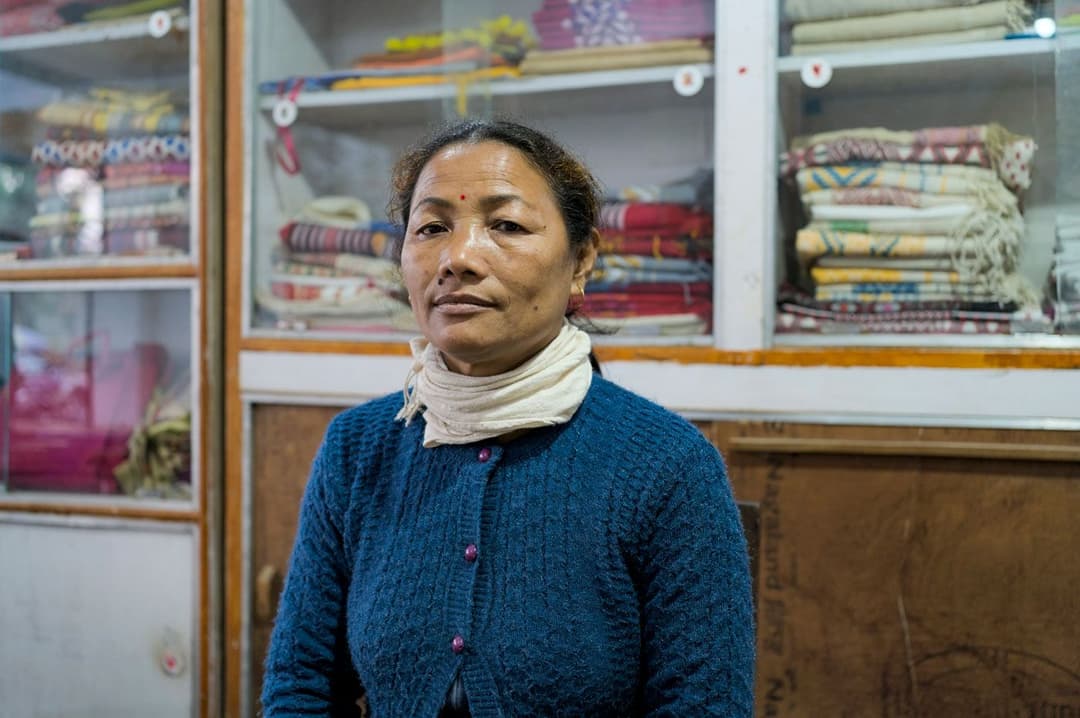
Deepika is a resident of Borun Chitadar Chuk village in Assam’s Majuli district and she started rearing eri silkmoths (Samia ricini) some three years ago. She learnt it from her mother and grandmother.
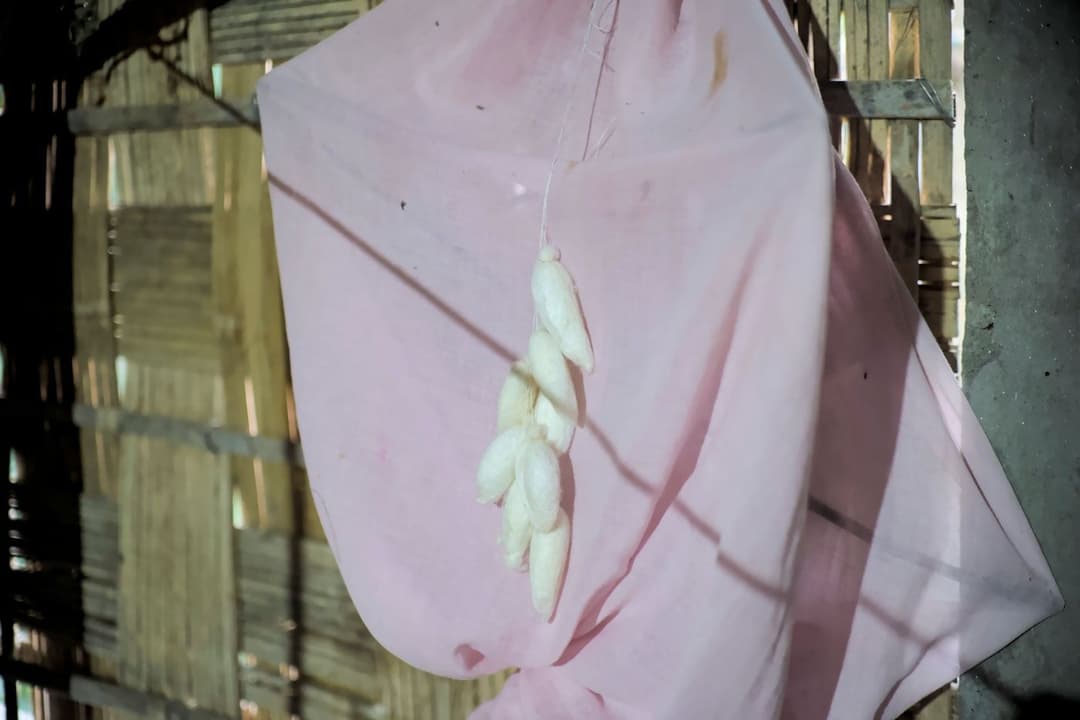
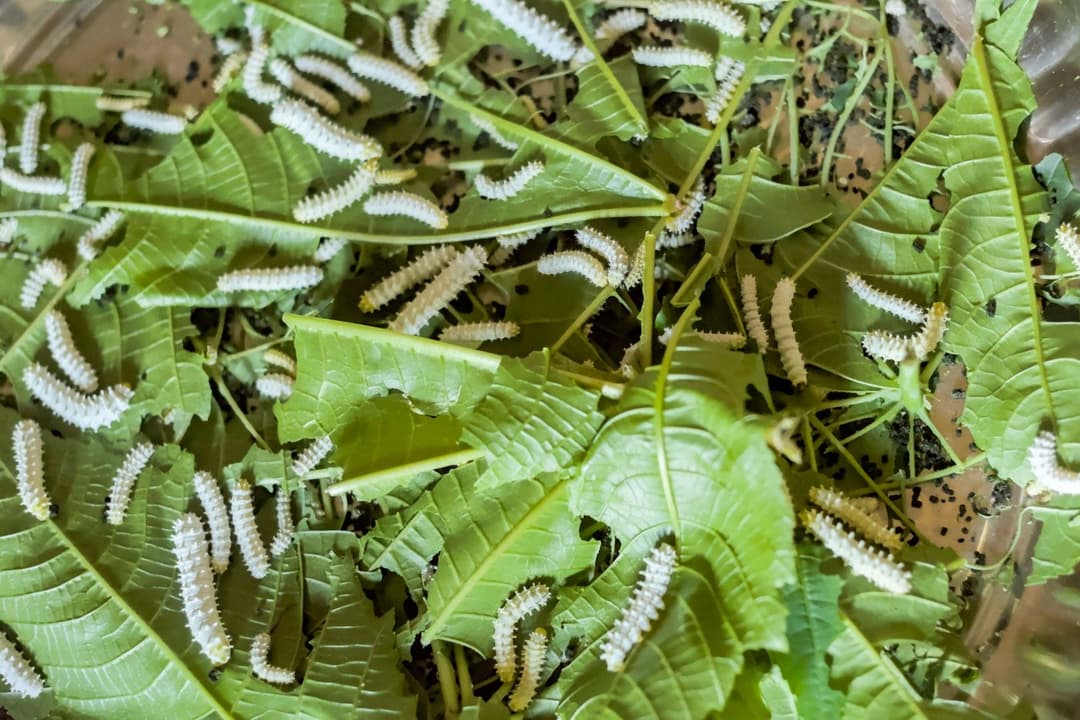
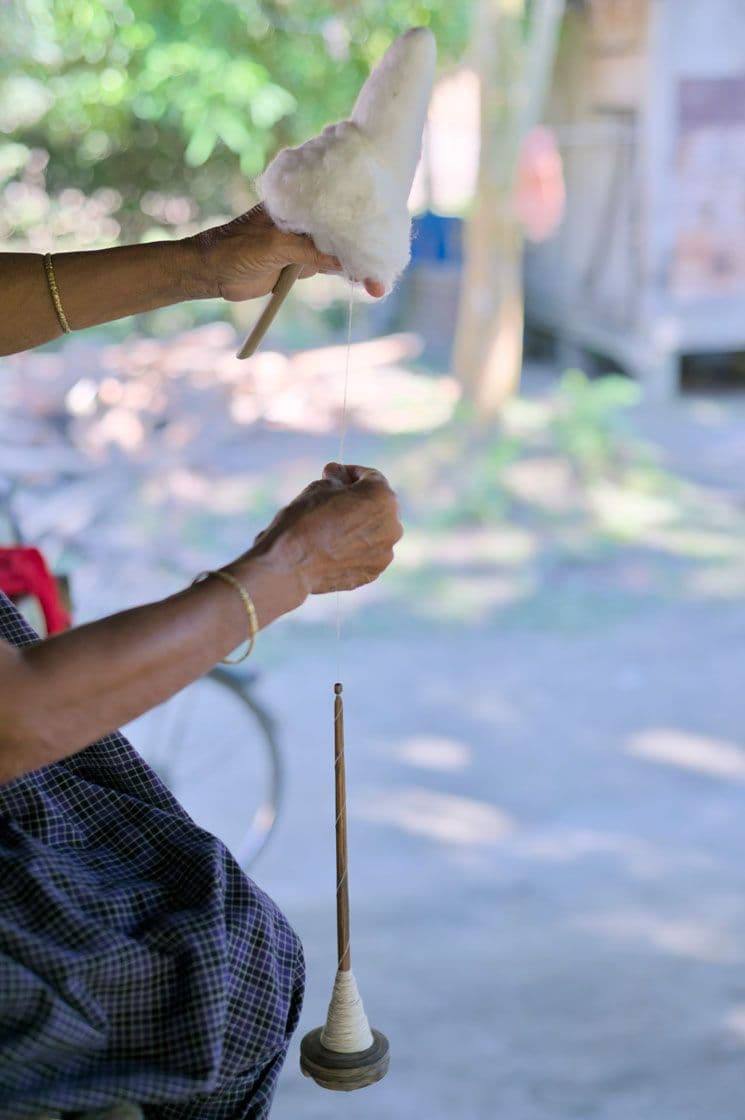
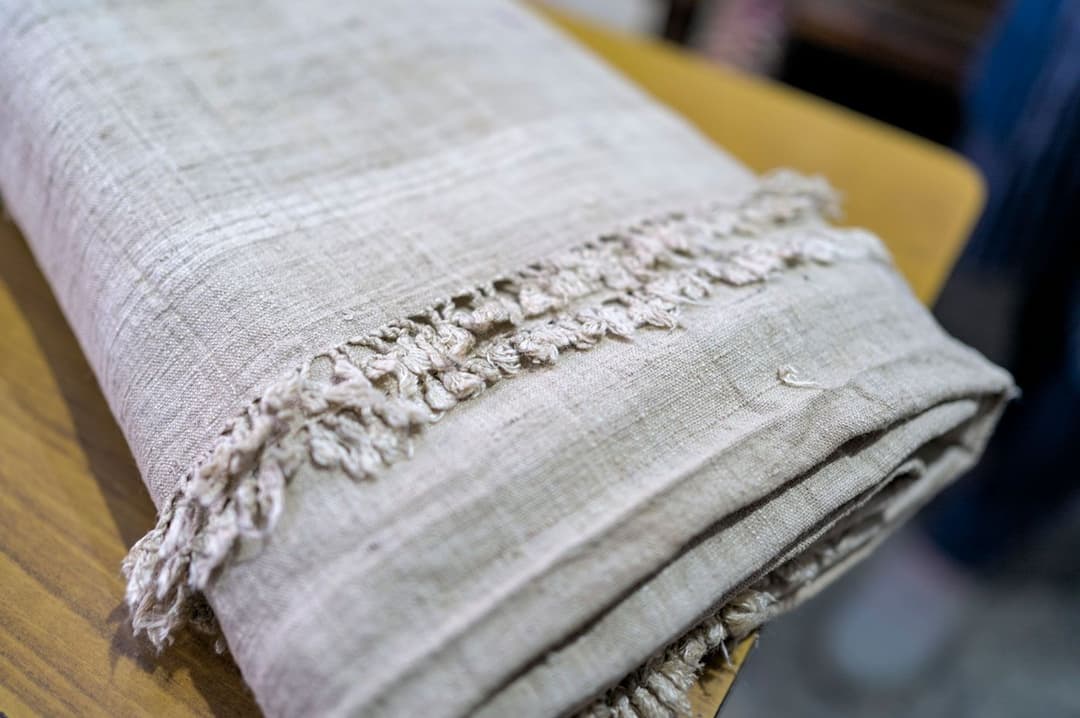
Eri is a silk cultivated in the Brahmaputra valley of Assam and neighbouring Arunachal Pradesh, Manipur, Meghalaya and Nagaland. The Mising (also spelt Mishing) community has traditionally reared the silkworms and woven eri cloth for their own use, but silk weaving for commercial sale is a relatively new practice in the community.
“Times have changed now,” says 28-year-old Deepika. “These days even young girls learn and practice silkworm rearing.”