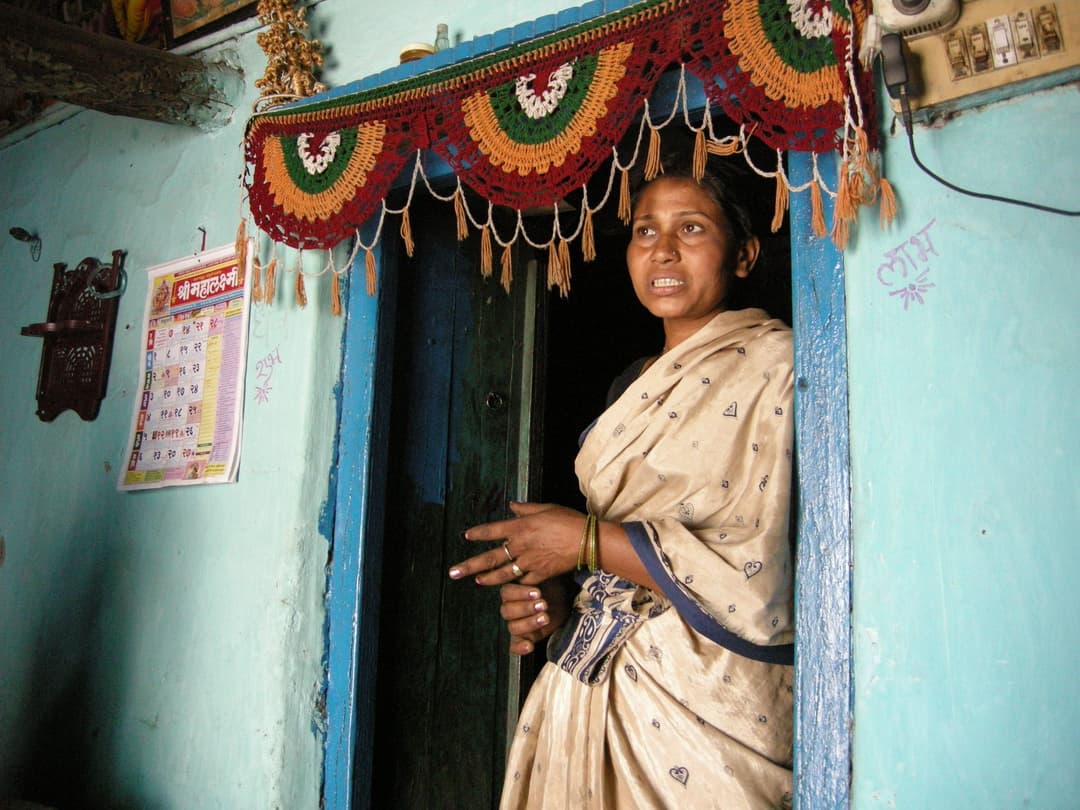

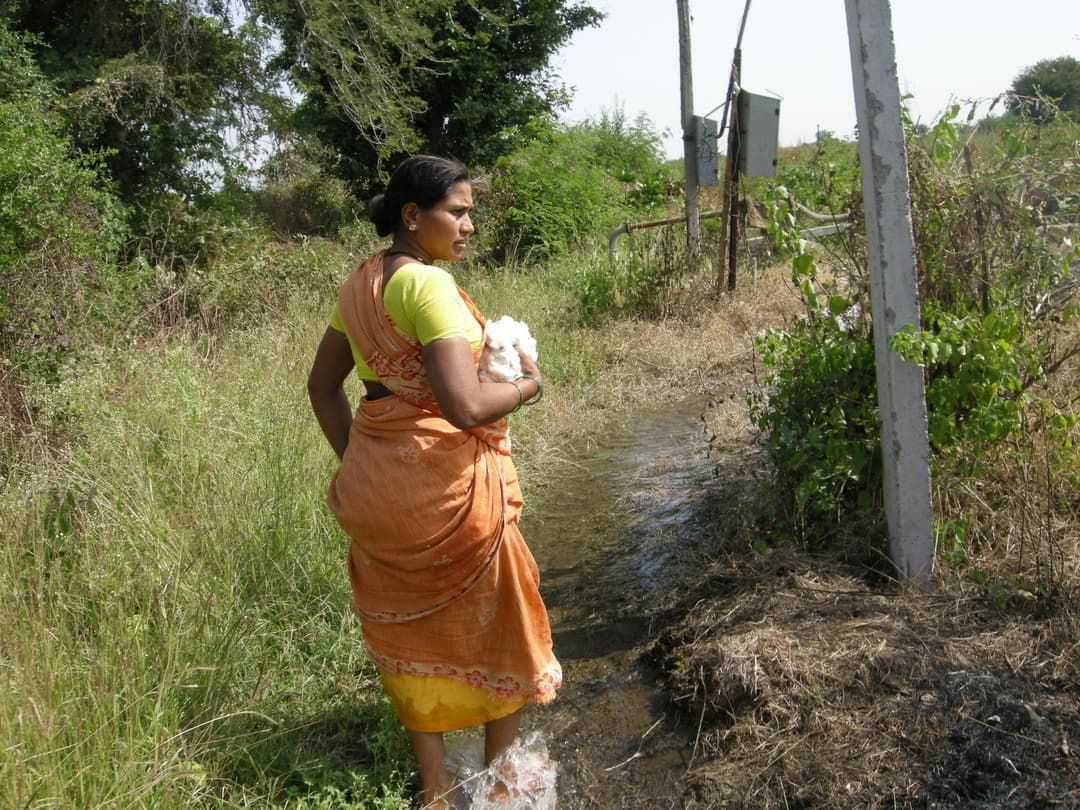
Looking back, Ujjwala Pethkar wonders how she survived the hard times.
More than a decade after her husband Prabhakar, a farmer, took his own life to join a burgeoning list of farmers committing suicide in the Vidarbha region of Maharashtra, the 40-something farm widow is rebuilding the blocks of her life – and family.
Something kept her going. “Maybe,” she adds after a pause, “it’s my children.”
Ujjwala had no time to mourn, no luxury to rest and no support to fall back on. She was in her early 30s when Prabhakar consumed an insecticide. The responsibilities piled upon her: from tending to the farm to repaying debts and raising their two kids.
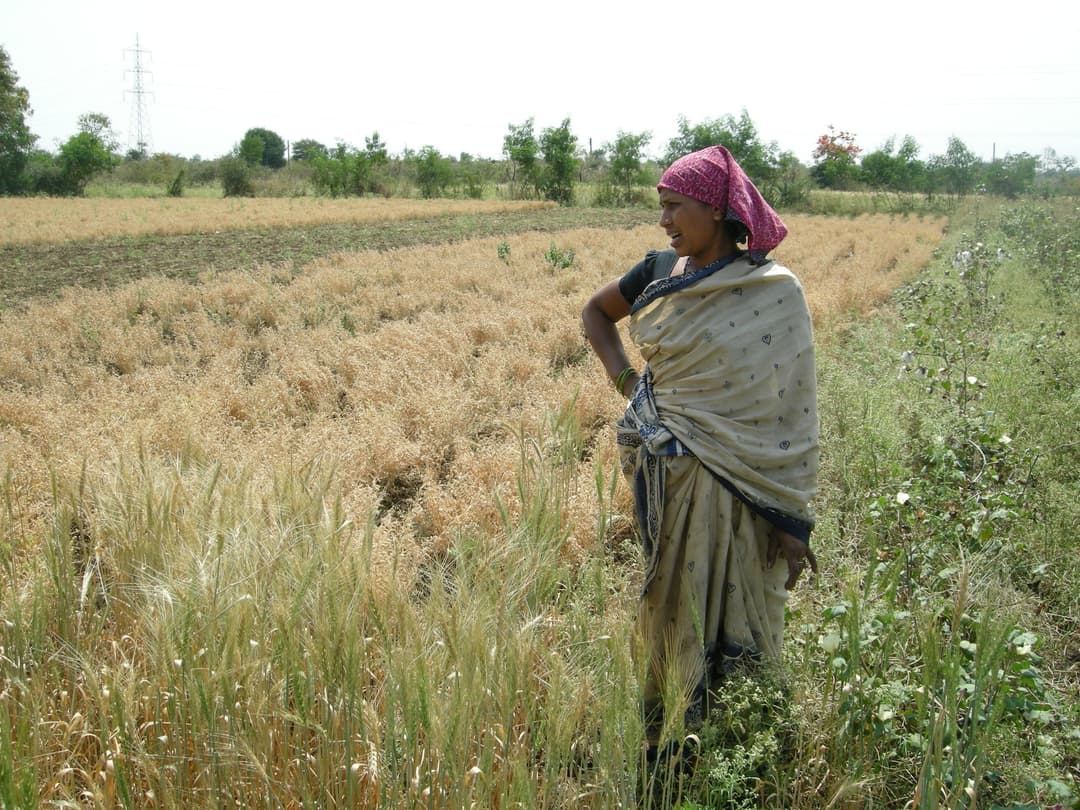
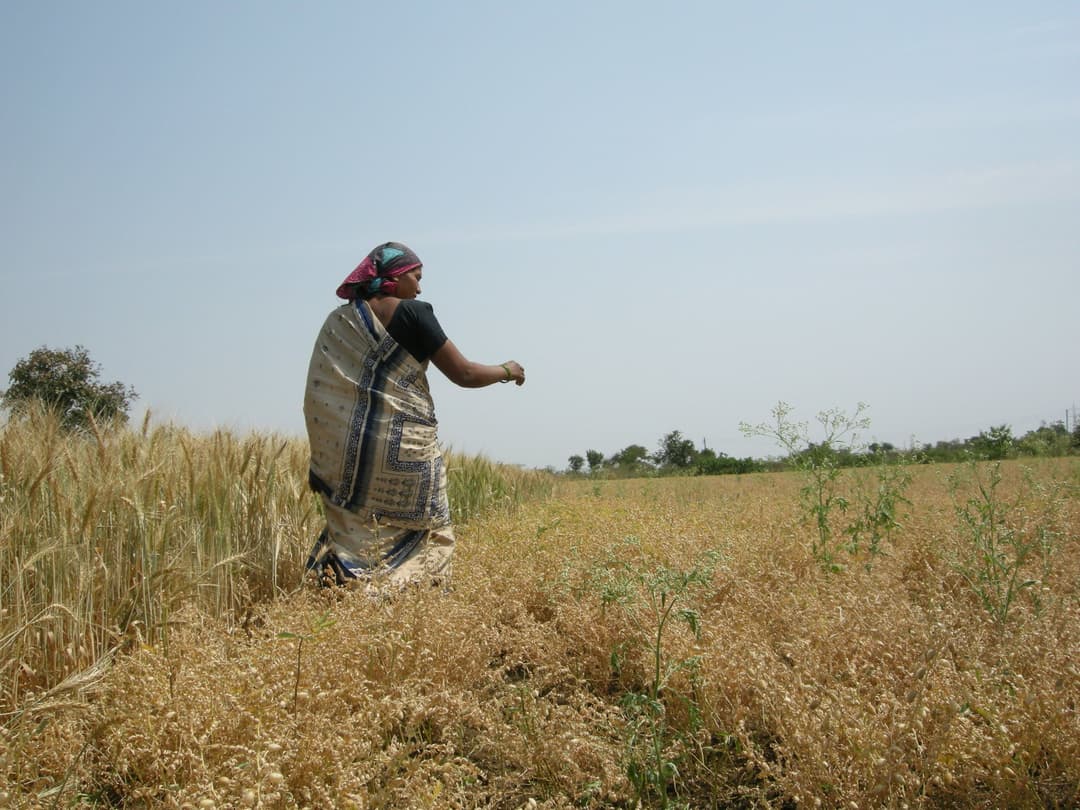
Brooding over the past decade, Ujjwala fights her tears while cutting her gram crop. This is her field – a five-acre plot in Kurzadi, a village of 2,000 people about 20 kilometres from Wardha city. The blistering sun has just announced the onset of spring, but it does not deter her from working in the field. “If I do not work, my children will not have a future – I can toil any longer for them.”
Alone in her own shadow, Ujjwala is the struggling yet resolute face of Vidarbha's struggling farm widows. She’s the portrait of an enduring farmer, an image of hundreds of farm widows, shouldering the family's burden and confronting a farm crisis that refuses to die down. Between 1995 and 2013 India has seen, according to the National Crime Records Bureau, close to 300,000 peasant-farmers’ suicides. Ujjwala’s husband died by suicide in 2003, when the cotton crisis in Vidarbha was still unfolding.