

“The SDM [sub-divisional magistrate] came in June and said, ‘here’s a notice to leave’.”
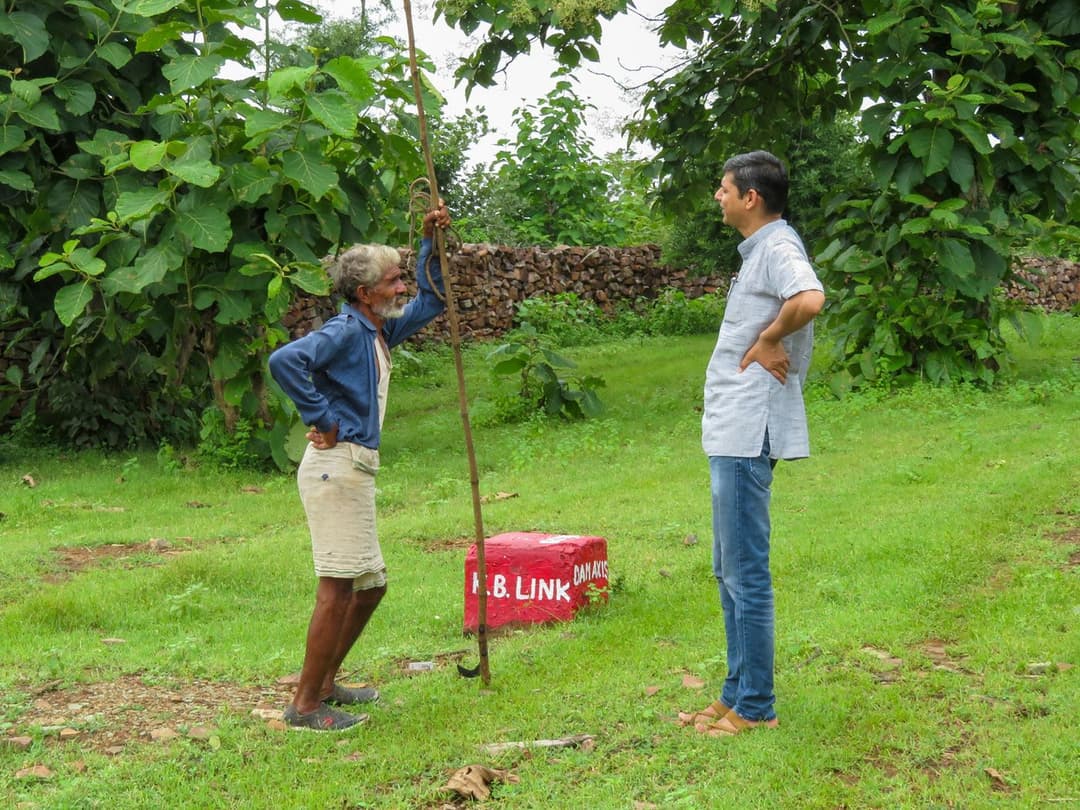
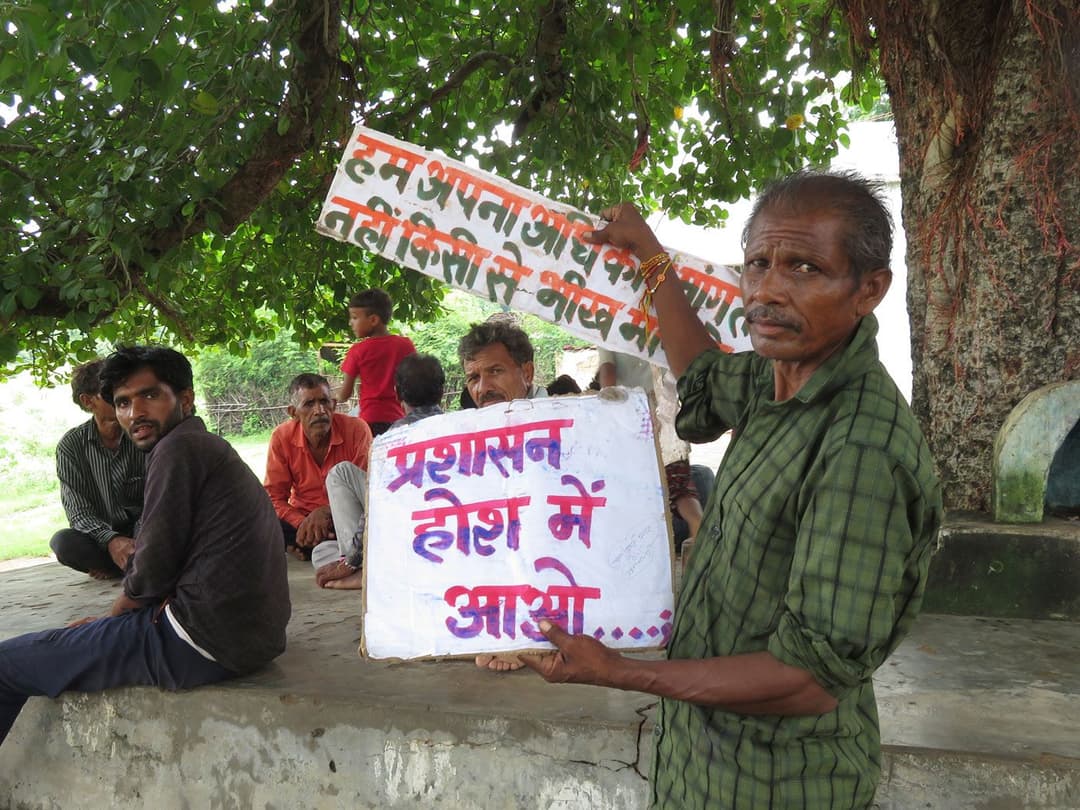
Babulal Adivasi points to the large banyan tree at the entrance to his village Gahdara – the place where community meetings are held – and now the spot where the future of his people changed in a day.
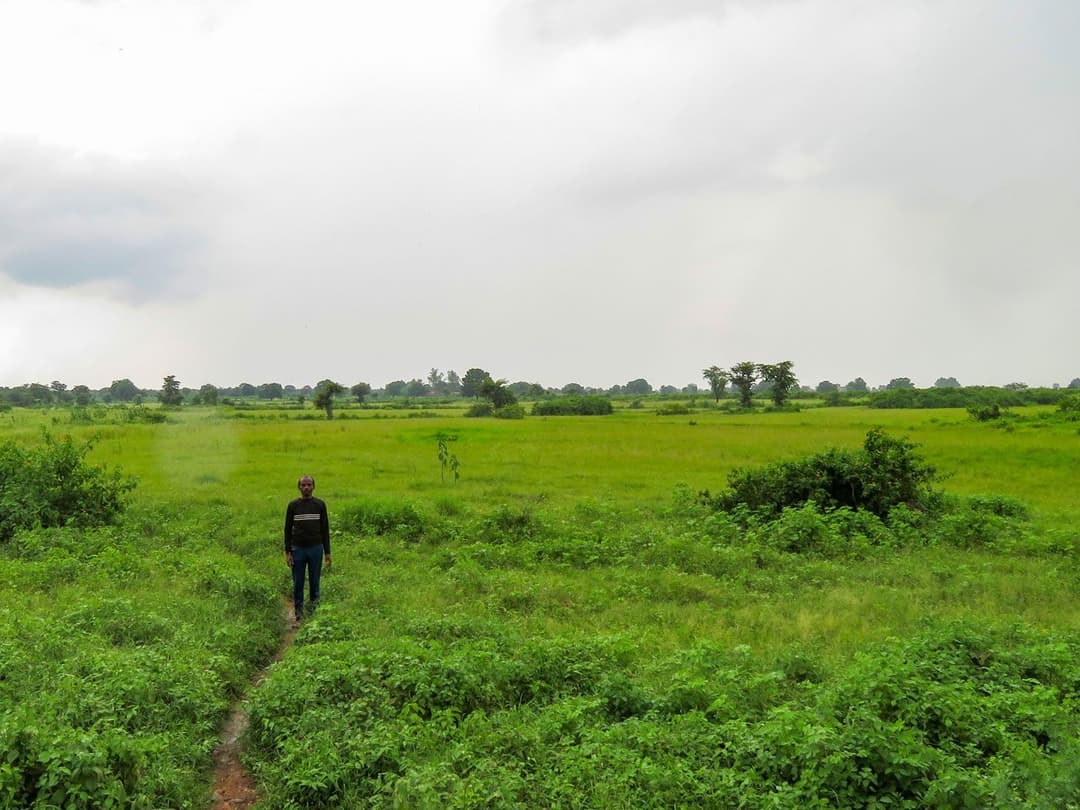
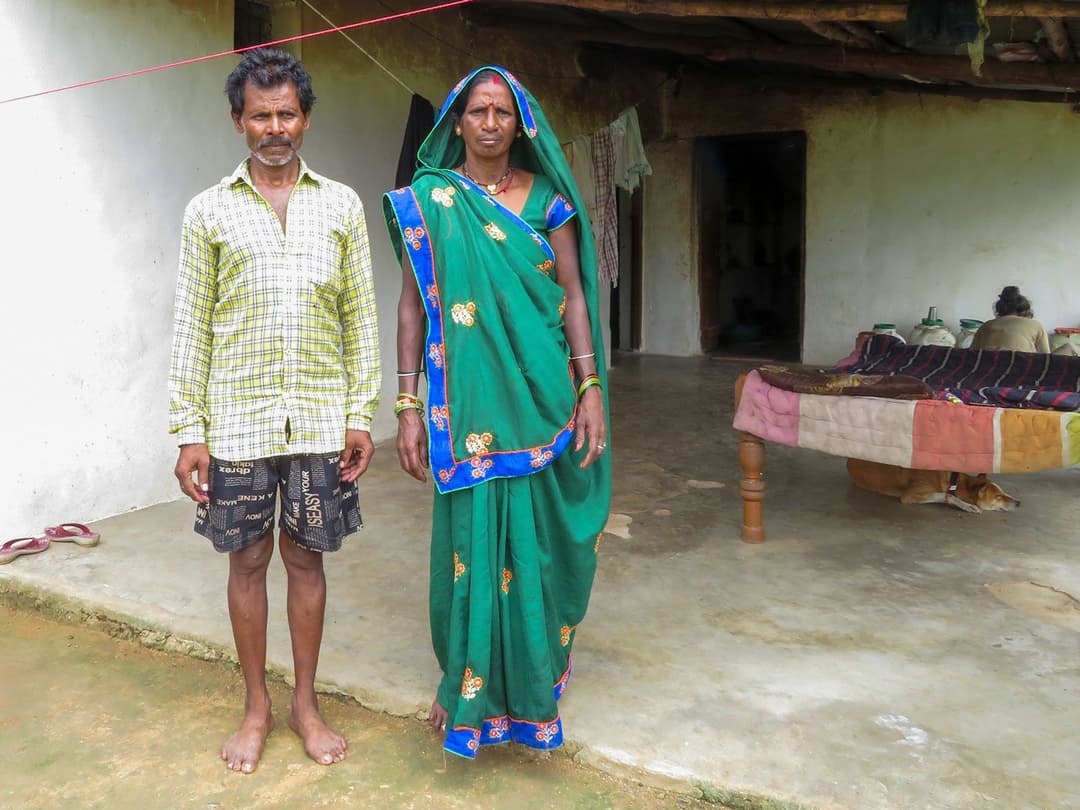
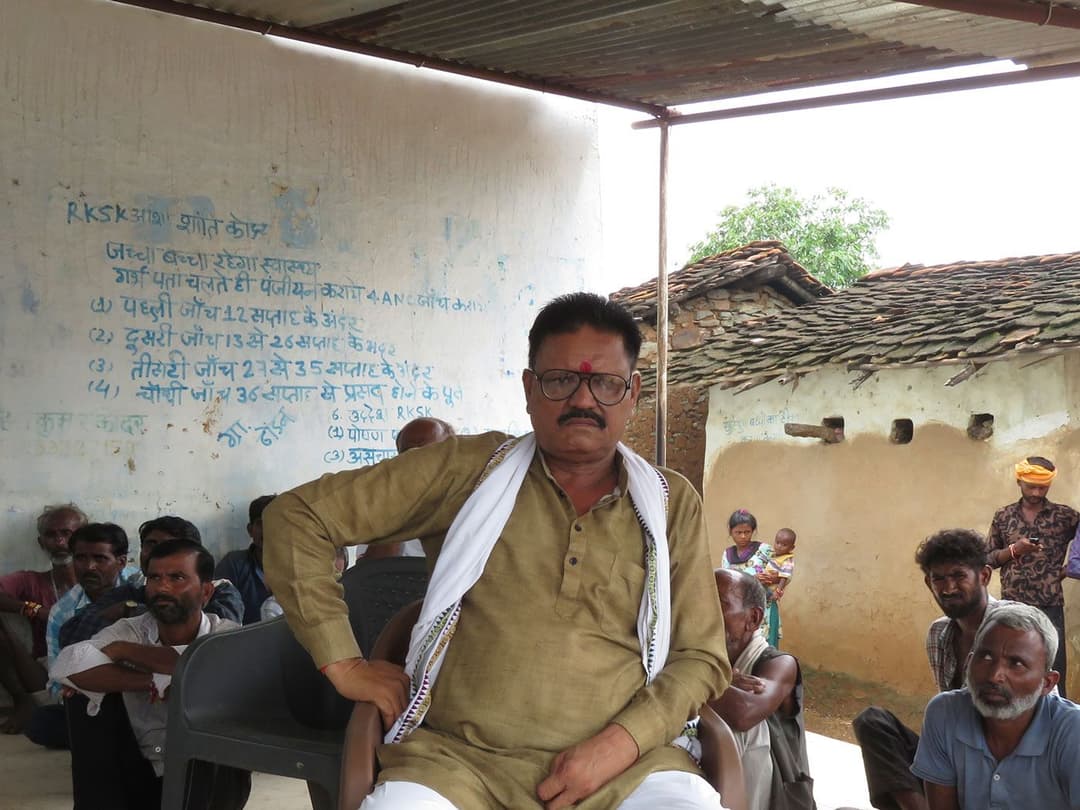
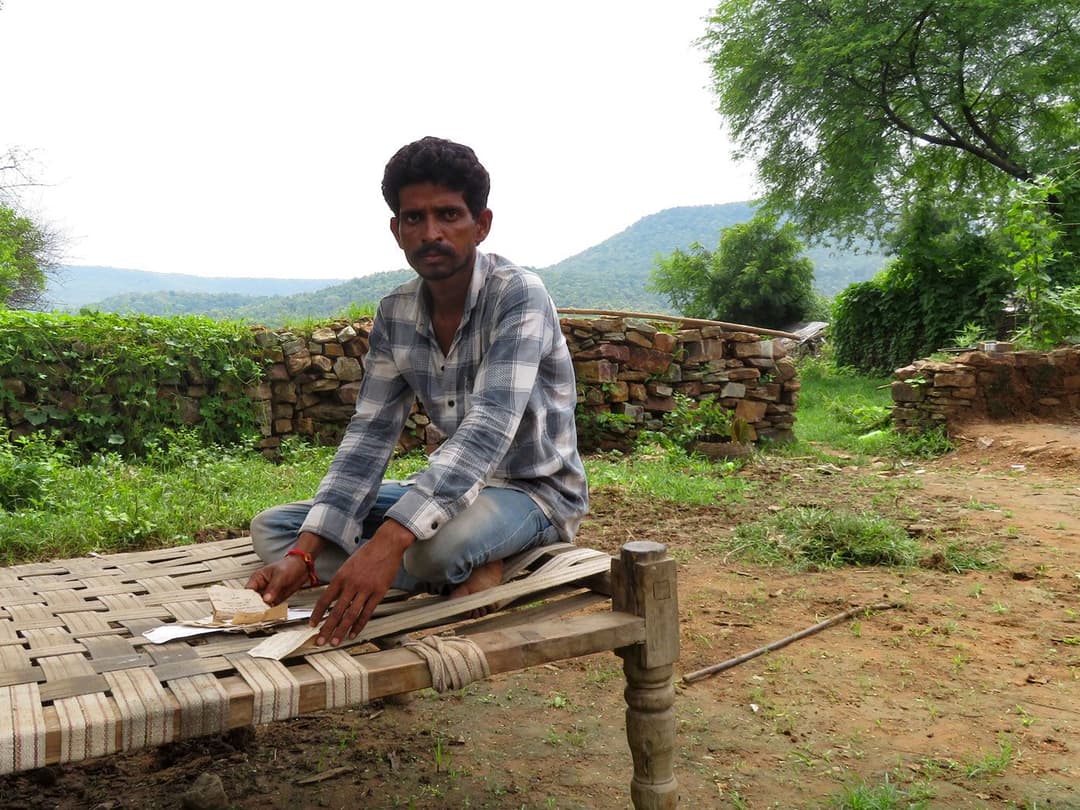
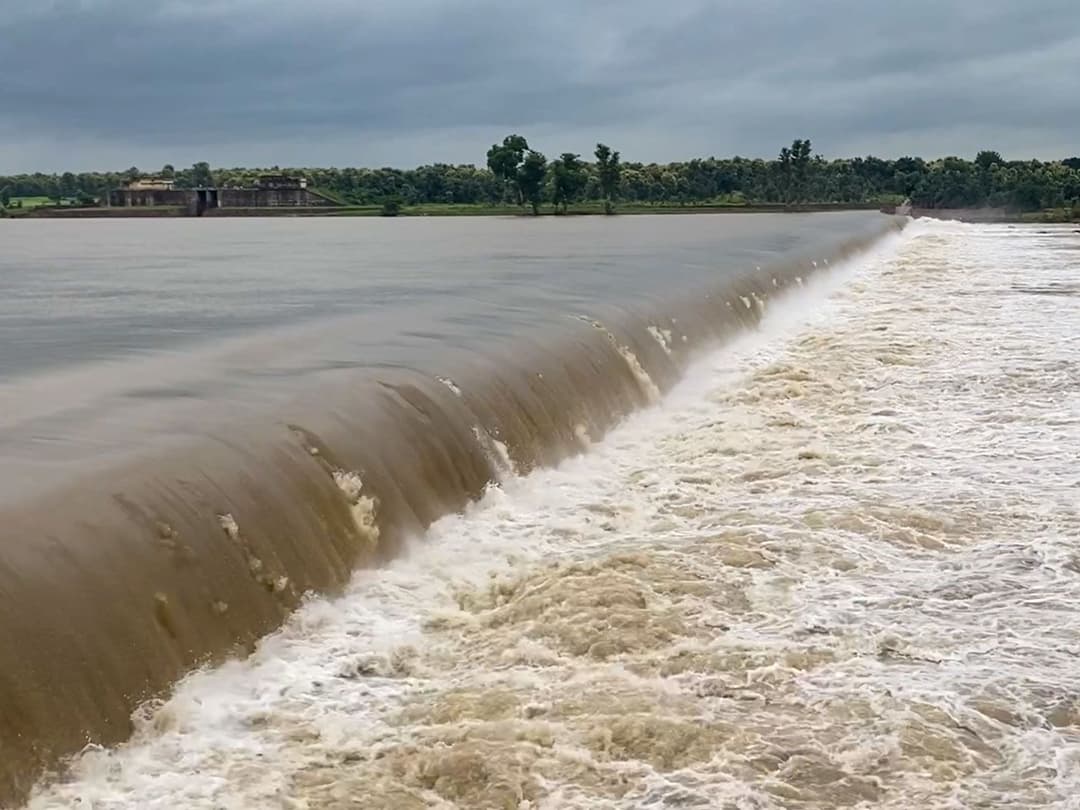
Thousands of residents of 22 villages in and around the Panna Tiger Reserve (PTR) in Madhya Pradesh have been asked to give up their homes and land for a dam and a river-linking project. Final environmental clearances came as far back as 2017, and tree cutting has started in the national park. But imminent eviction threats have gained momentum.
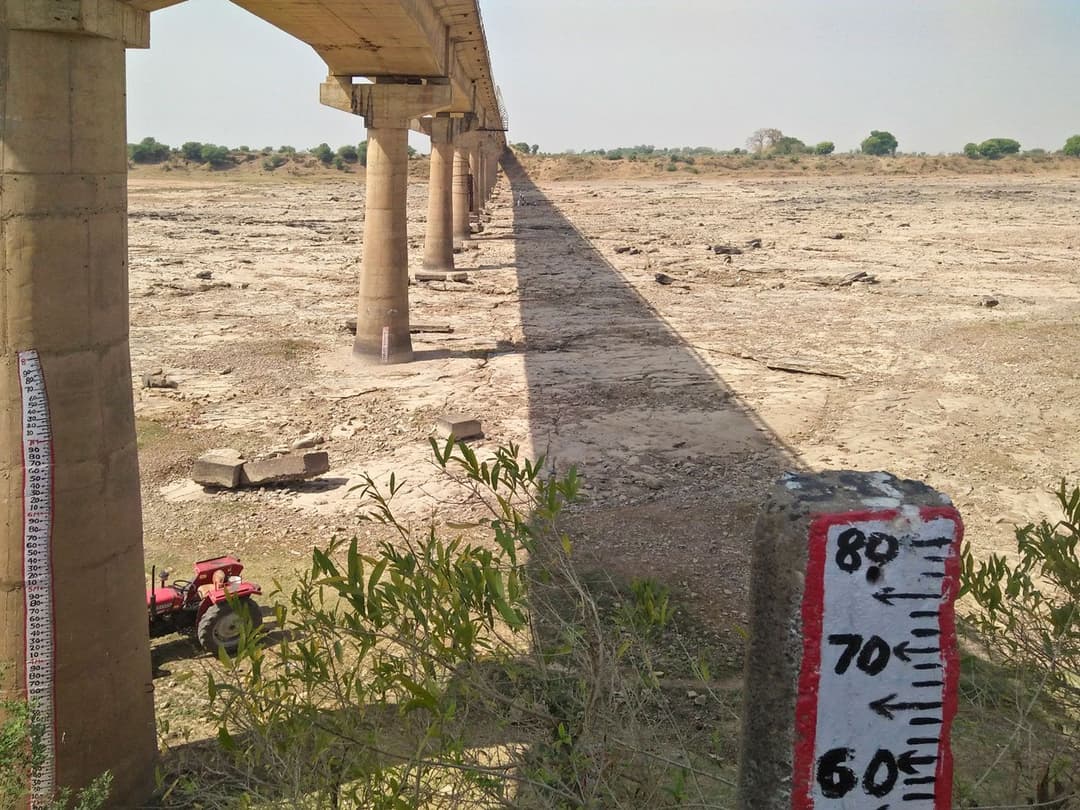
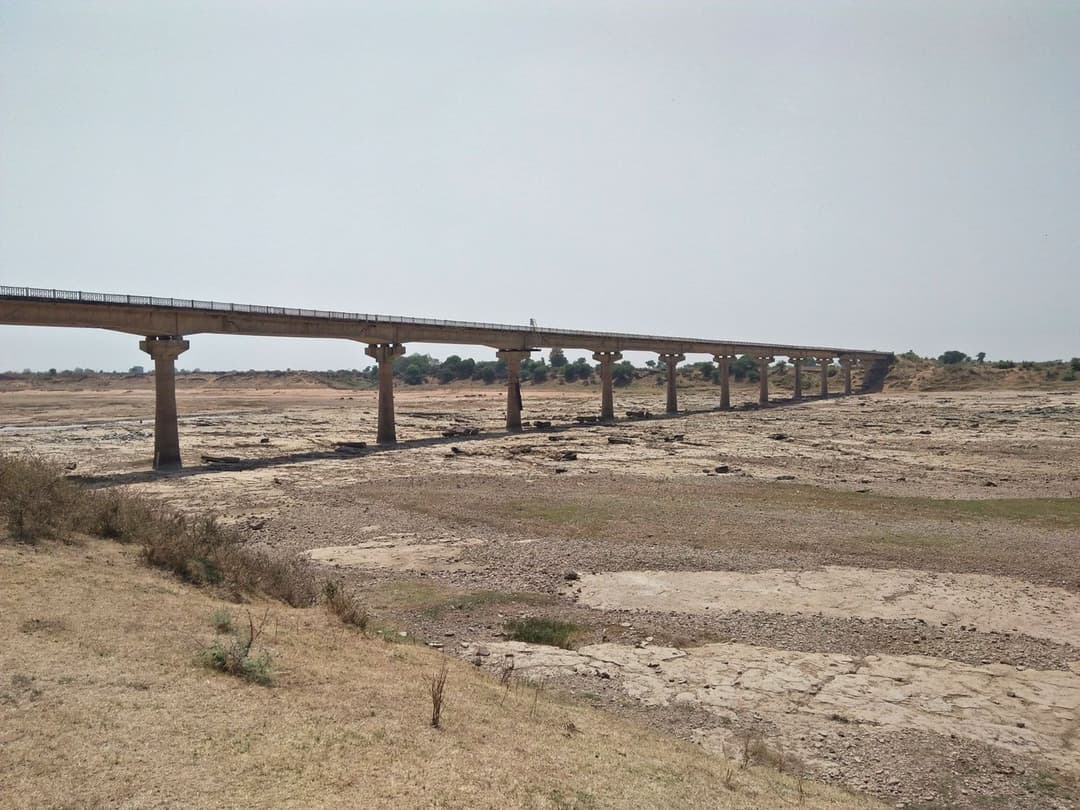
In the pipeline for over two decades, the project is a Rs. 44,605 crore plan (Phase I) to link the rivers Ken and Betwa with a 218-kilometre long canal.
The project has been widely criticised. “There is no justification for the project, not even hydrological justification,” says scientist Himanshu Thakkar who has been involved in the water sector for 35 years. “To begin with, the Ken does not have surplus water. There has been no credible assessment or objective study, only pre-determined conclusions,” he adds.
Thakkar is Coordinator of the South Asia Network on Dams, Rivers and People (SANDRP). He was a member of the expert committee set up around 2004 by the Ministry of Water Resources (now Jal Shakti) on interlinking of rivers. He says the very basis of the project is shocking: “River linking will have huge environmental and consequent social impacts on forest, river, biodiversity and will impoverish people here as well as in Bundelkhand and far beyond.”