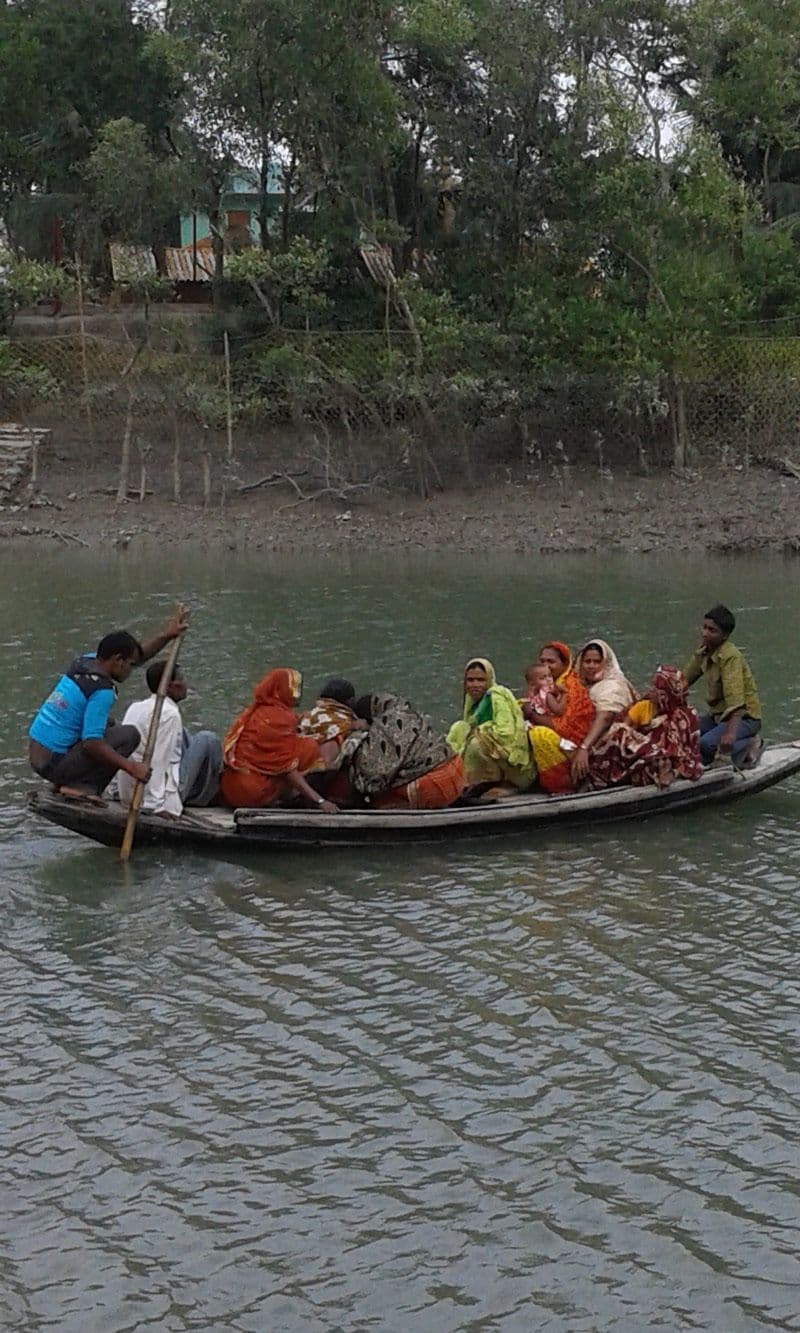
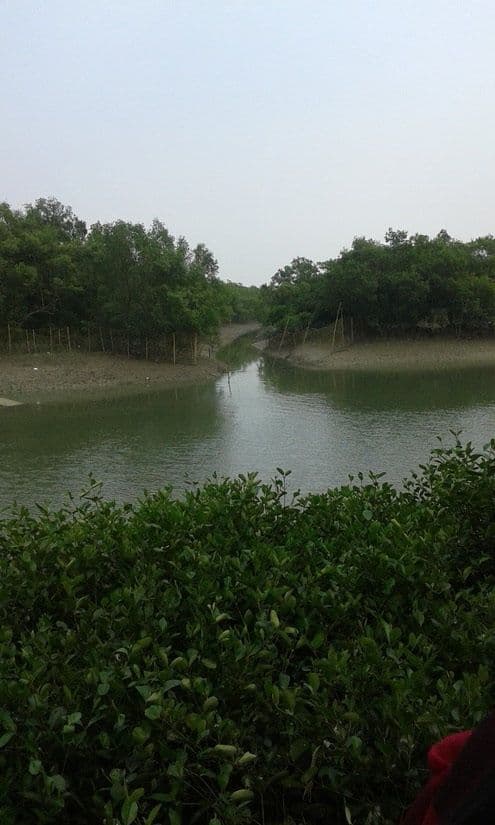
It is already past 5 pm. A number of women begin tracing their steps back towards a dinghy headed homeward: some hurry back to feed and care for the children they’ve left at home and others return home for fear of husbands who could turn violent. Anima and a few others choose to stay back at Kultali and represent the group, determined to get a response from the Forest Department.
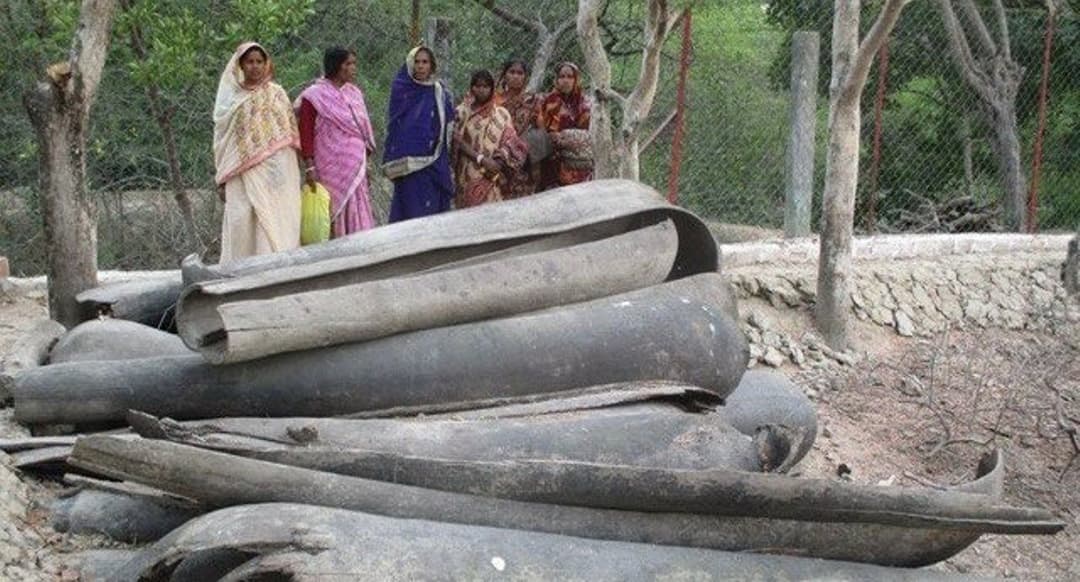
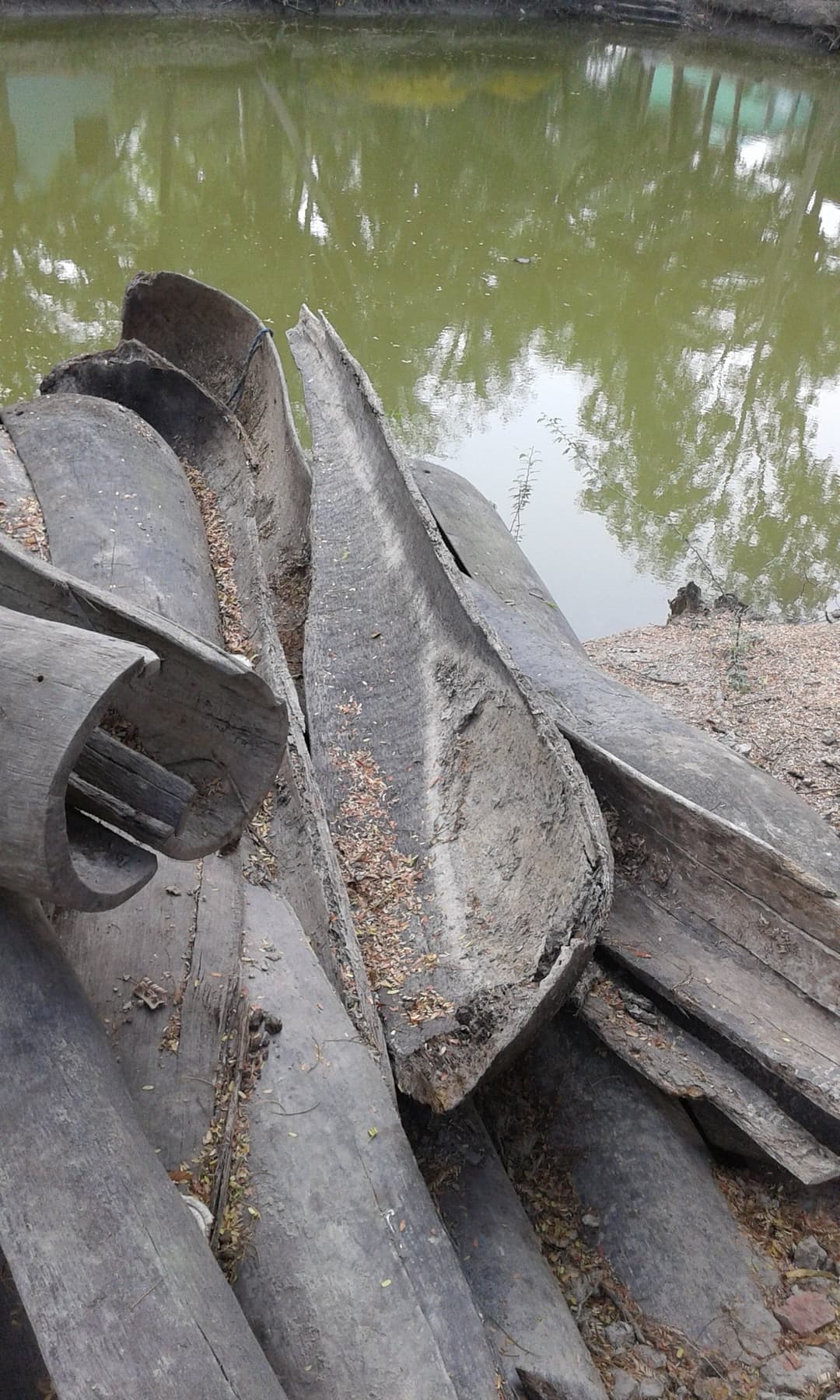
They walk around the compound, to the edge of a murky green pond, where their confiscated canoes of palm trunk lie stacked. The women are appalled; debris and wood bits from the canoes have started to peel off and mingle with the water. “Our canoes have been broken into pieces and thrown into the water. There must be lakhs of rupees (floating) in this river, ” says Geeta Sahu, a fisherwoman speaking softly. Her indignation, however, is unmistakable, shared by the workers standing beside her, still waiting.
Sole Means
The conversation among the waiting crowd turns to input costs: the cost of palm trunks from which the canoes are dug out, the labour cost for chiseling, and the cost for coal-tar coating maintenance, all amounting to about Rs 5,000. Almost every confiscation necessitates this princely expenditure on their part, to build a canoe from scratch. “It can take at least two or three months to gather such a sum. Wooden boats, permitted by the Forest Department, are too expensive to afford,” explains Beena Bag, one of the fisherwomen.
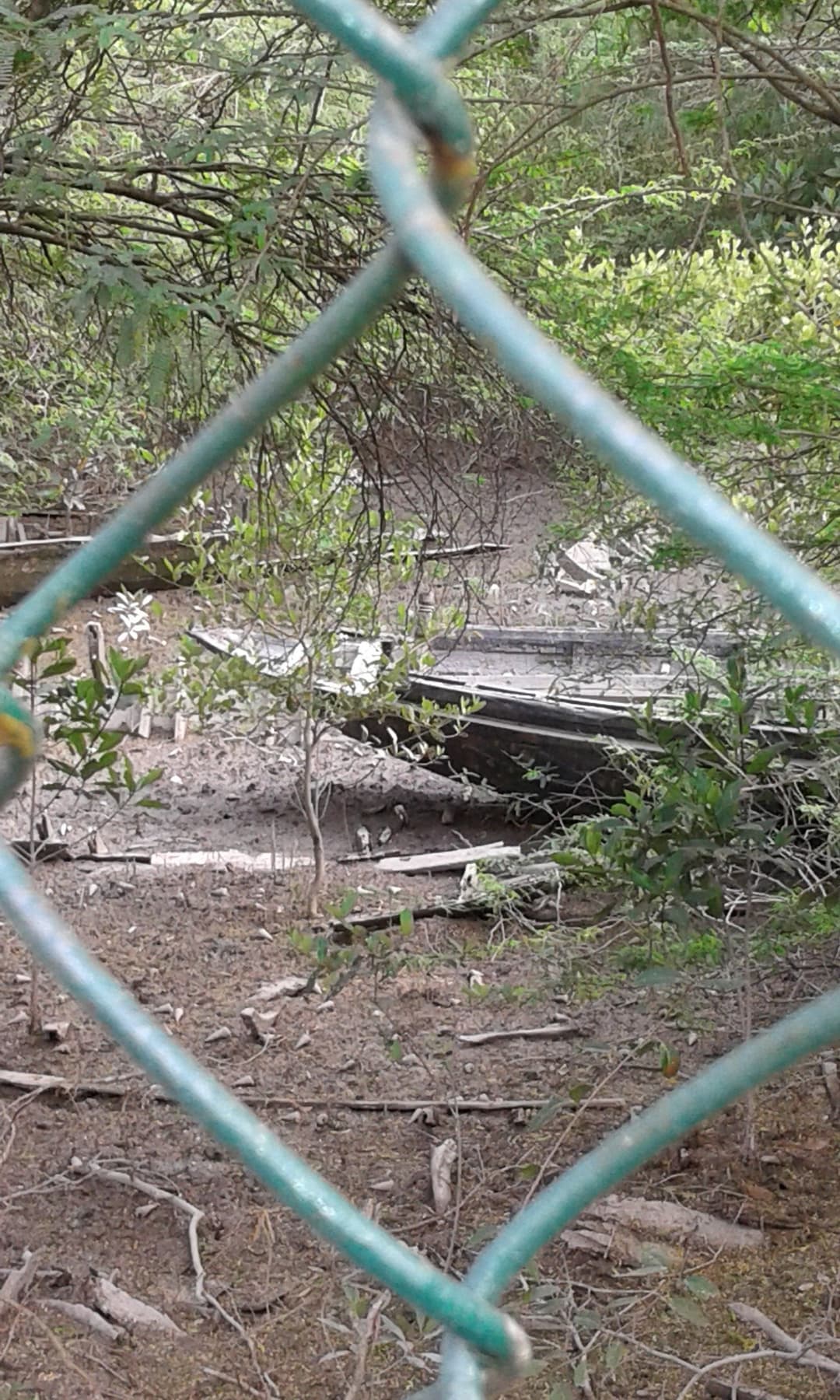
They walk down some distance and spot a couple of confiscated dinghies, still sturdy, poking out through a mass of trees. The canoes and dinghies are the fishworkers’ only means to catch crab and fish, their sole means to earn a living. By now Anima is fuming: “Why confiscate the canoes and hurt us in the stomach? We don’t earn salaries, you know. This is not Calcutta city, where each month people earn something to be deposited in the bank. Nobody is going to hand me a bag of vegetables to cook. Life is different here.”