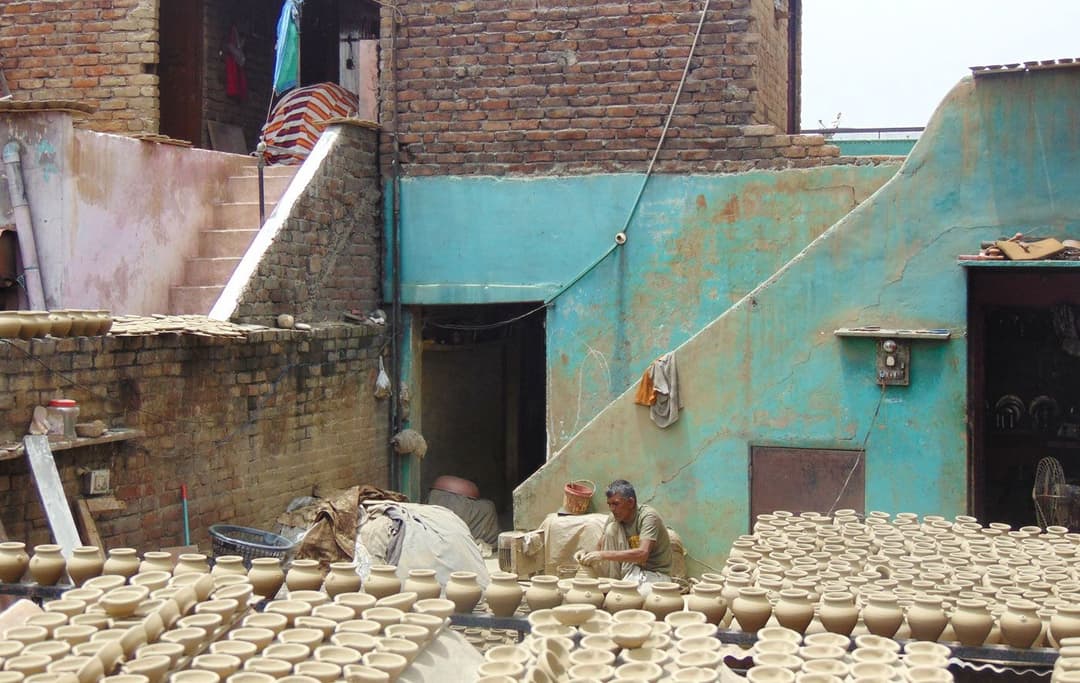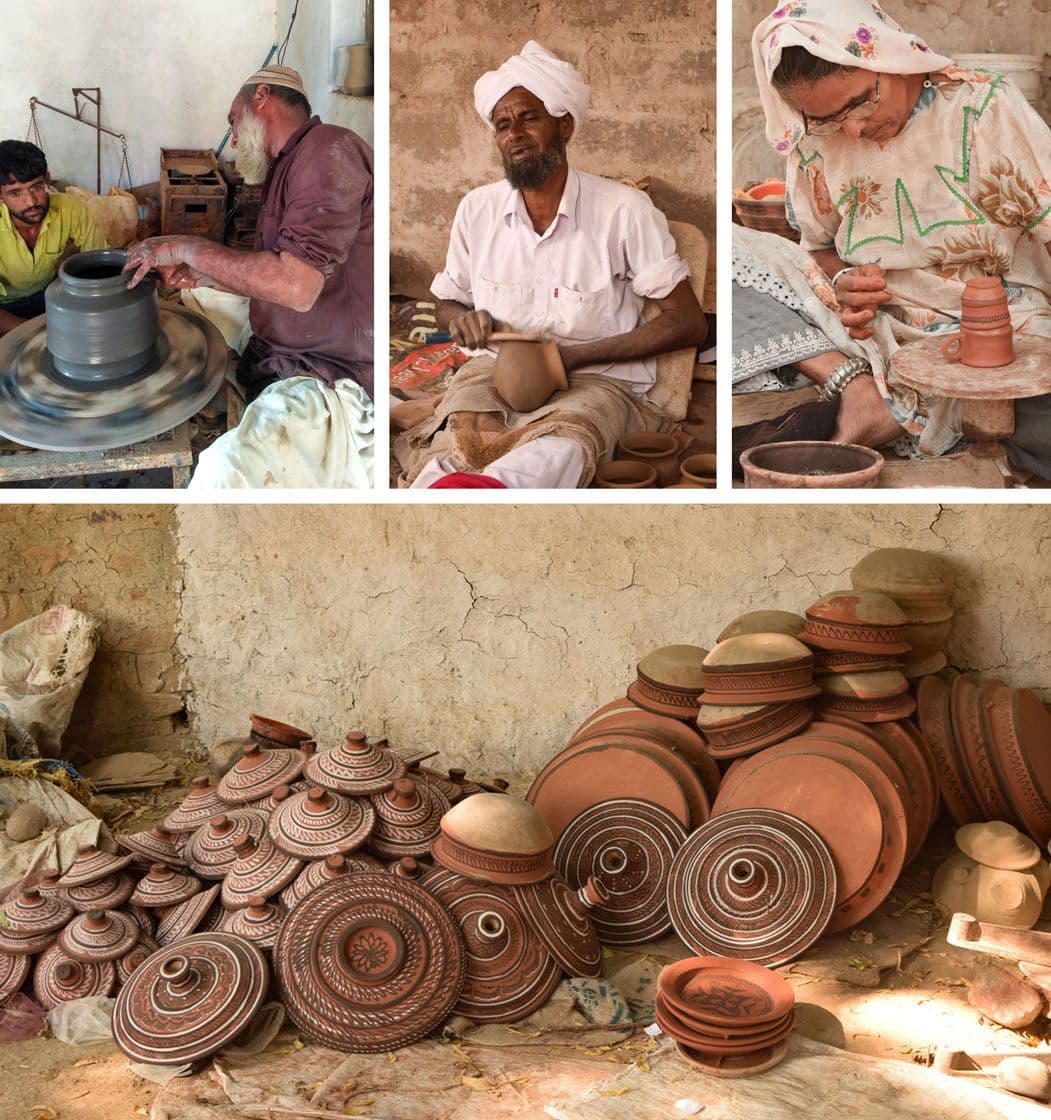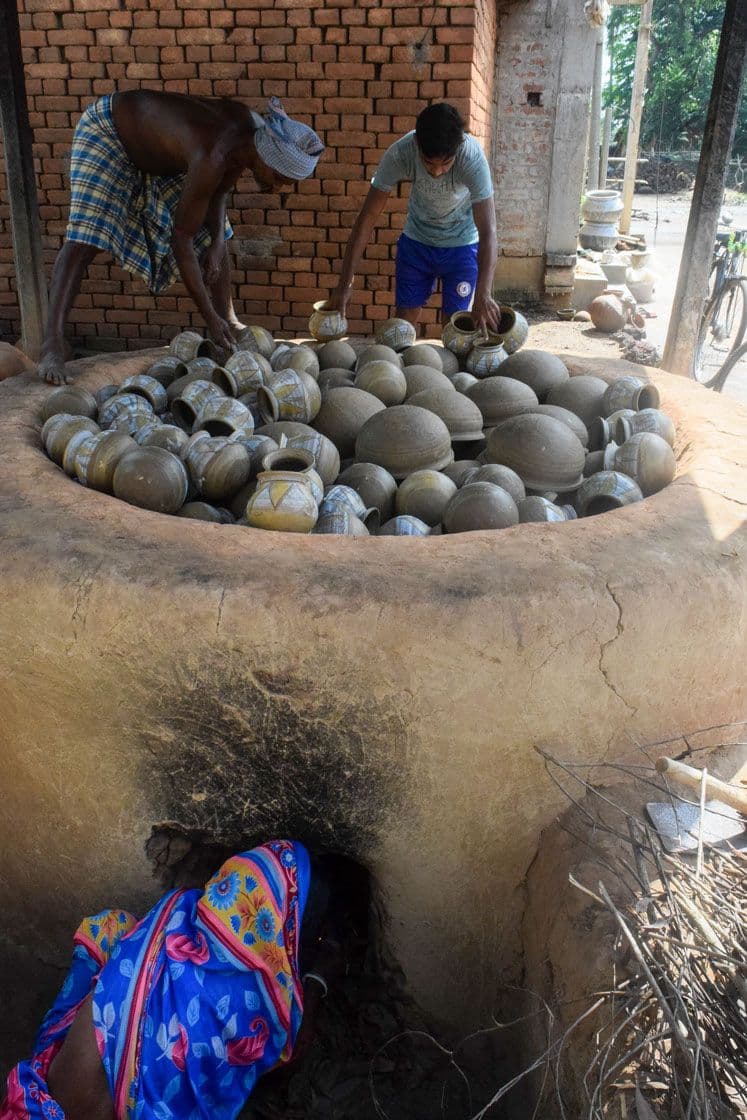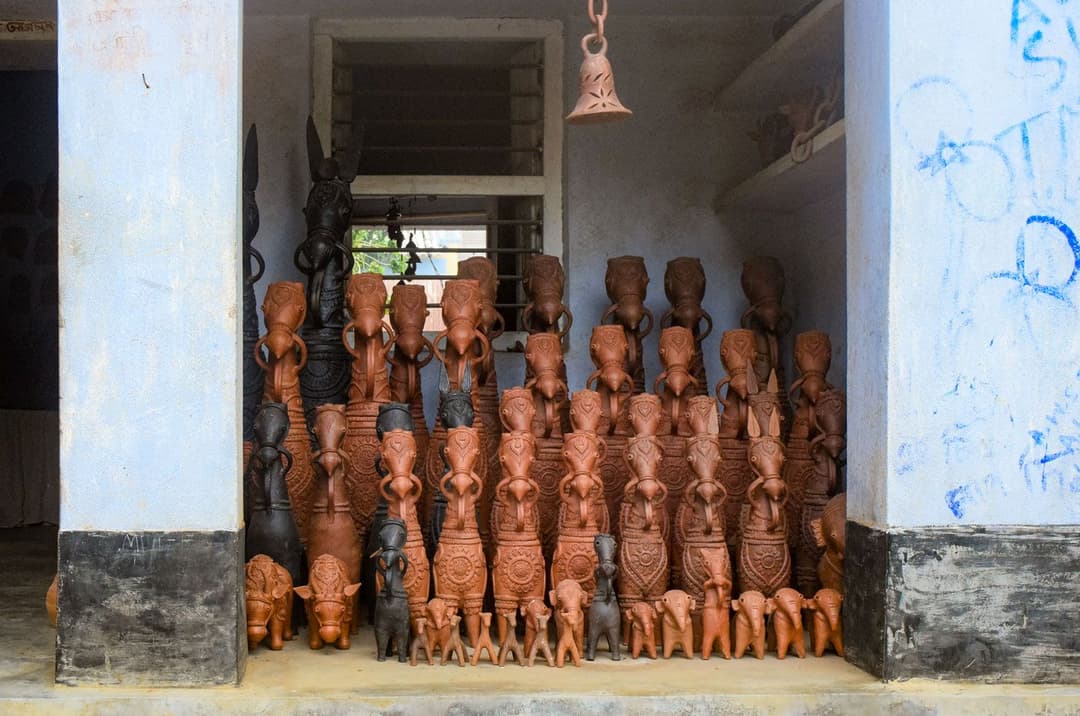

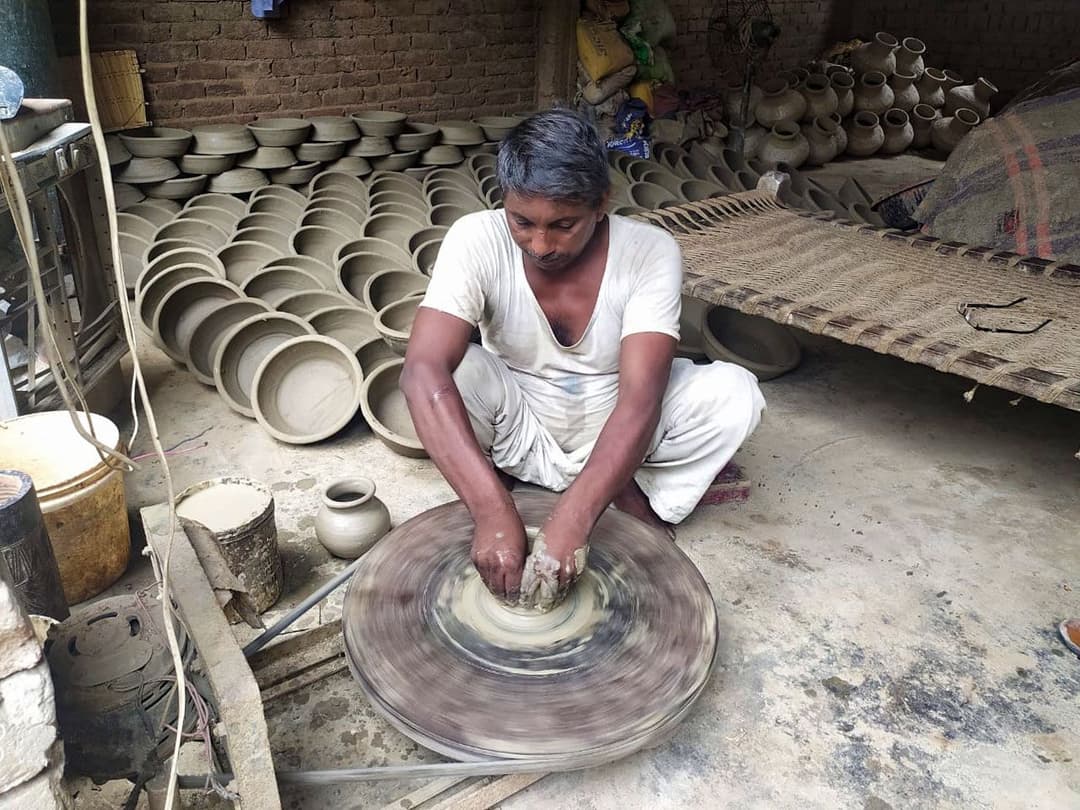
“Our work was already suffering,” says Jagmohan, a potter in the Uttam Nagar locality of West Delhi, referring to the orders passed around a year ago by the state authorities to dismantle pottery furnaces that run on wood and sawdust. “Due to this, some potters have been making products in small numbers, some have become just vendors and others have left this work. And now this pandemic and lockdown have hit us at a peak of our sales season [March to July].”
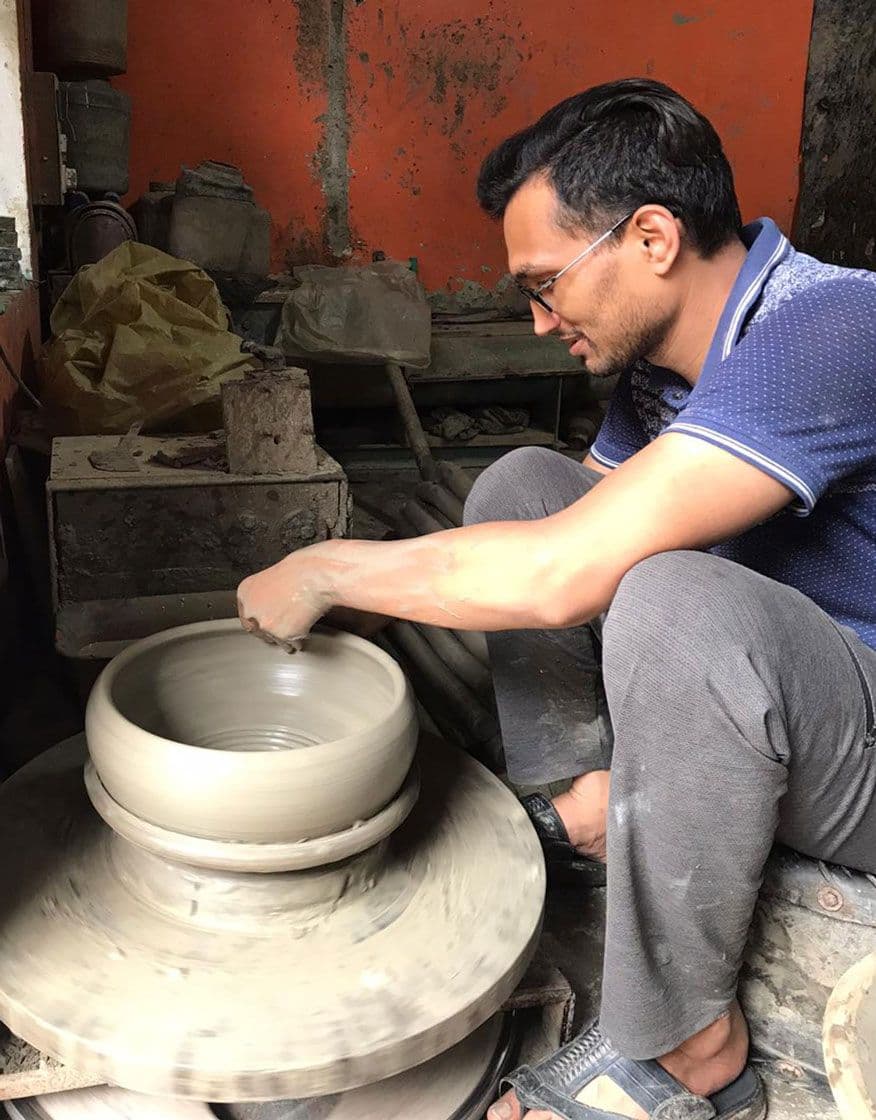
Jagmohan (in the cover photo on top; he uses only his first name) is 48, and has been a potter for over three decades. “The good thing was, we realised there was [greater] demand for matkas this year because people have been avoiding drinking cold water from the fridge [due to anxieties about Covid-19]. But since we ran short of clay during the lockdown, we could not keep enough stock ready.” Usually, a potter here can make around 150-200 matkas in 2-3 days with the help of family members.
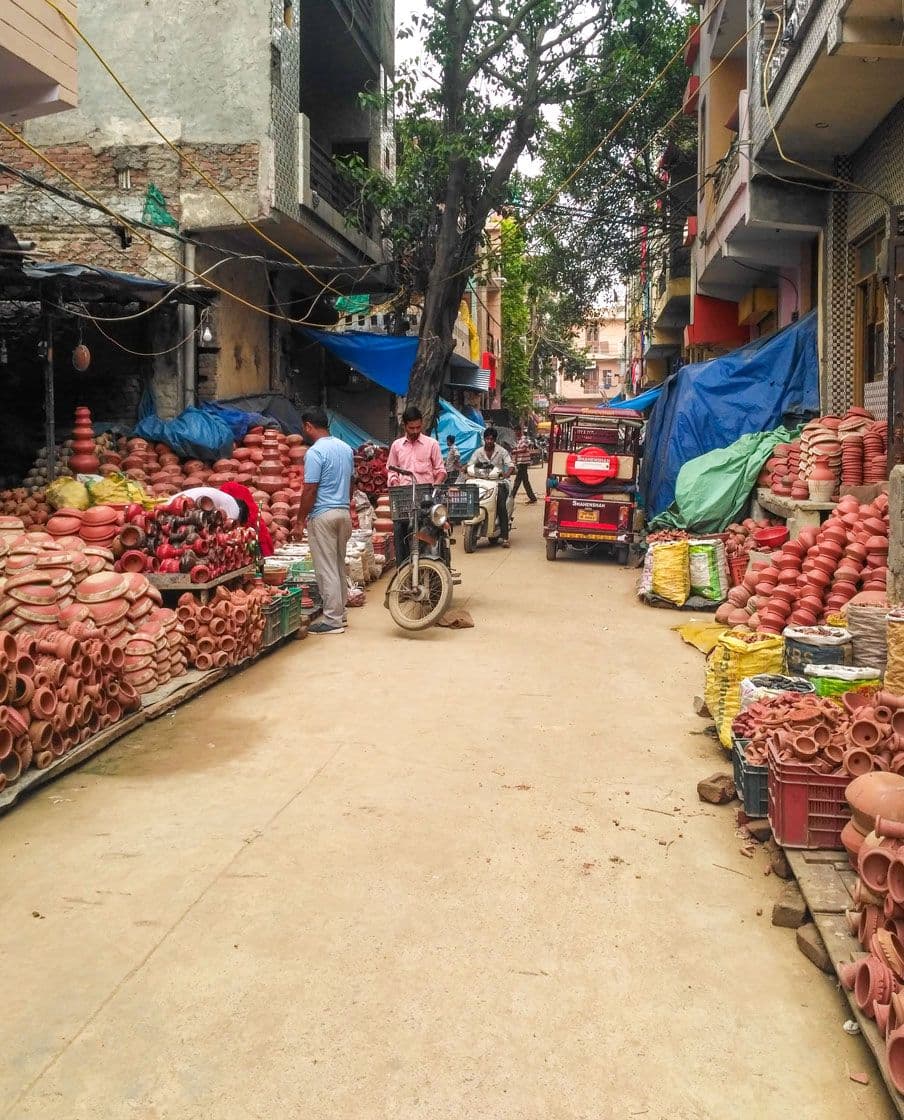
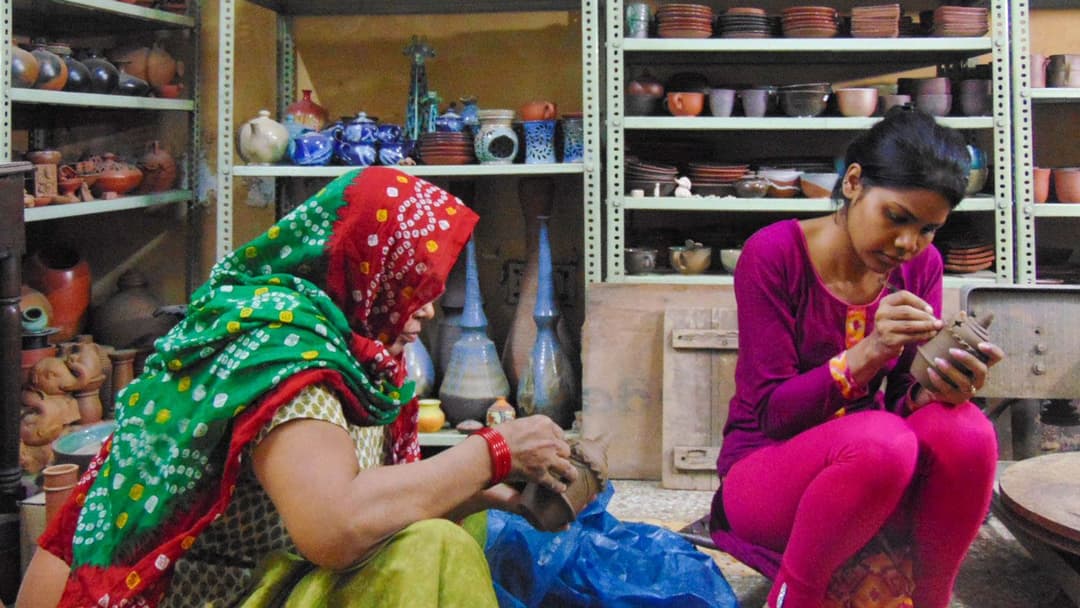
Along the streets of the colony are heaps of dry clay – and, in busier times, the sounds of potters’ wheels and tapping of pots from behind doors, with hundreds of handmade pots, lamps, idols and other items drying in courtyards and worksheds. These are then moved on for a coat of geru paint (the liquid red clay that gives the natural tone to terracotta items) before being baked in the bhatti, the traditional mud furnace, usually on the terraces of houses here. Outside, several of the ready items are on display for visitors and vendors to buy.
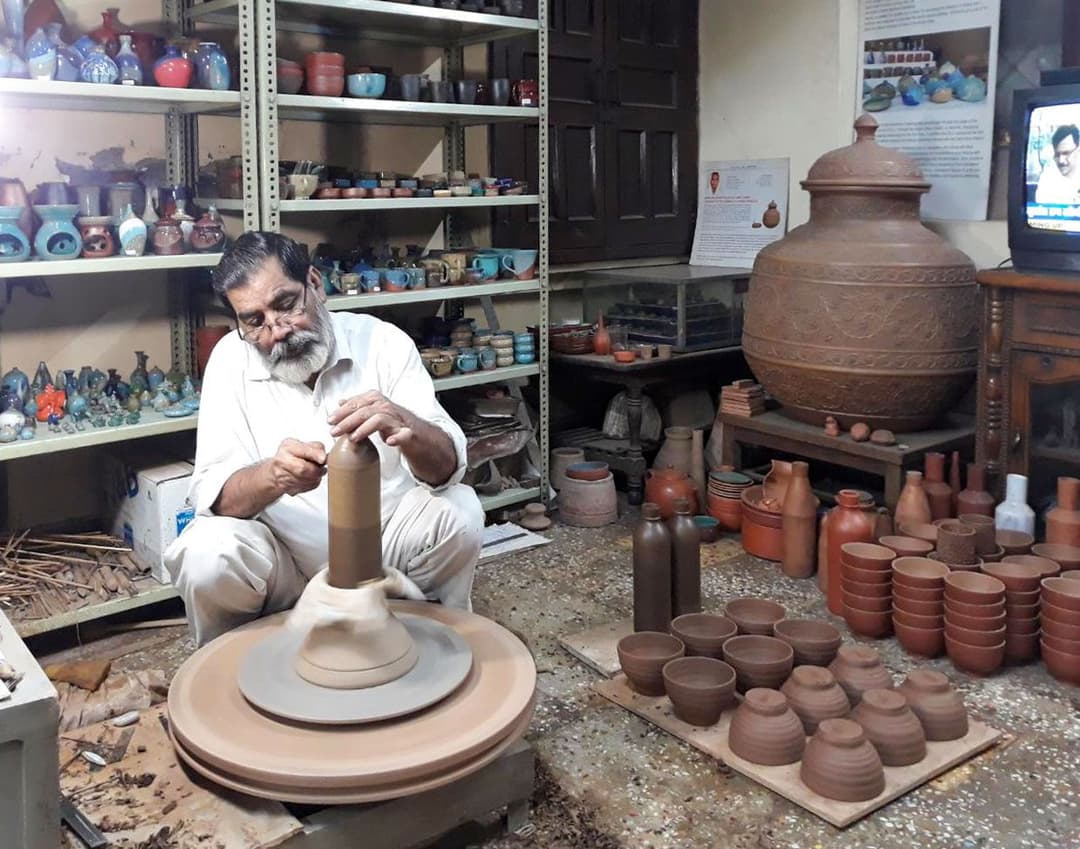
The neighbourhood, locally also called Prajapati Colony or Kumhar Gram, is home to over 400-500 families, estimates Harkishan Prajapati, the pradhan of the colony “Many potters and helpers from Uttar Pradesh and Bihar have gone back to their villages because there was no work,” says 63-year-old Prajapati, winner of the National Award in 1990 and the government's Shilp Guru award in 2012.