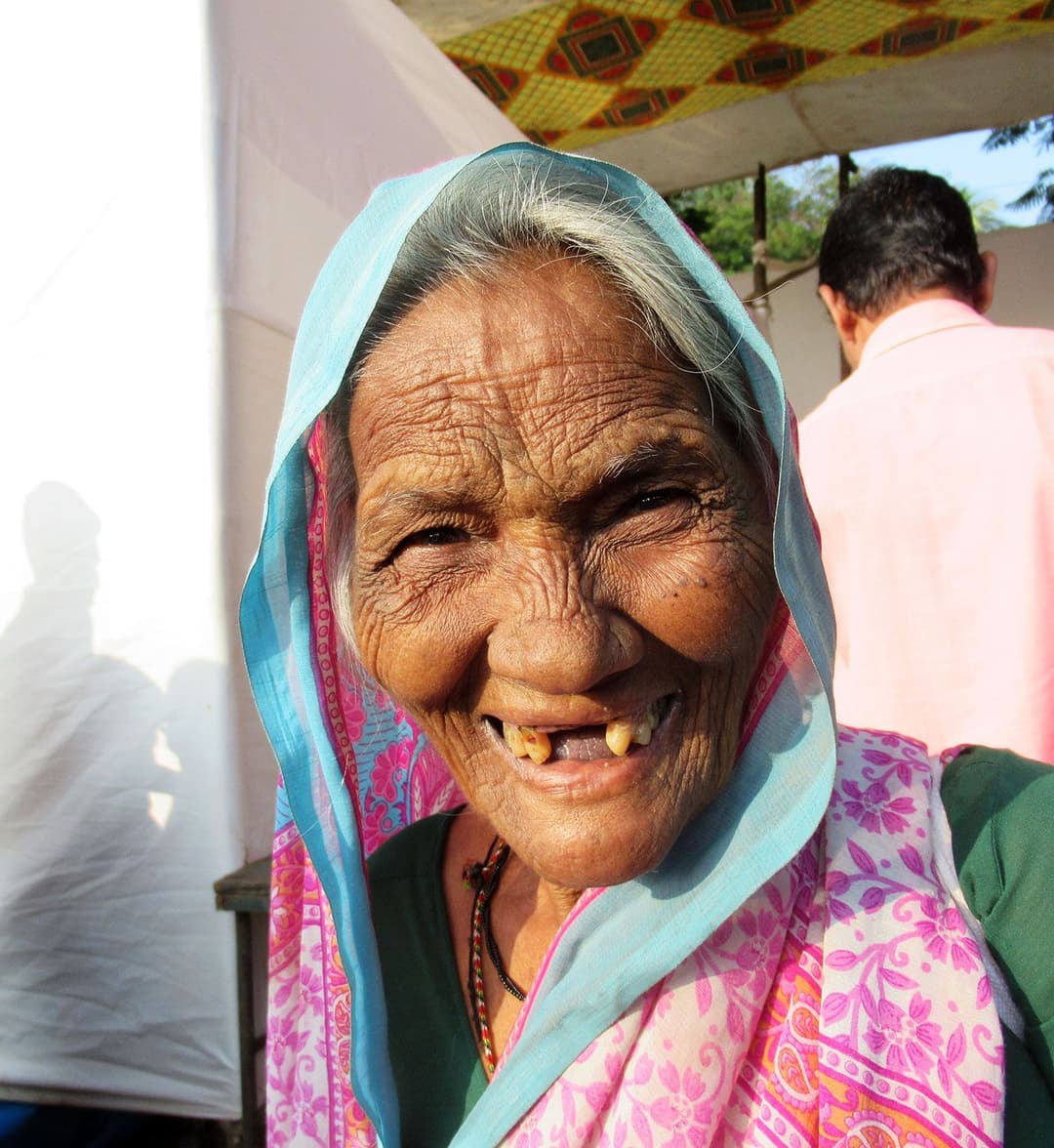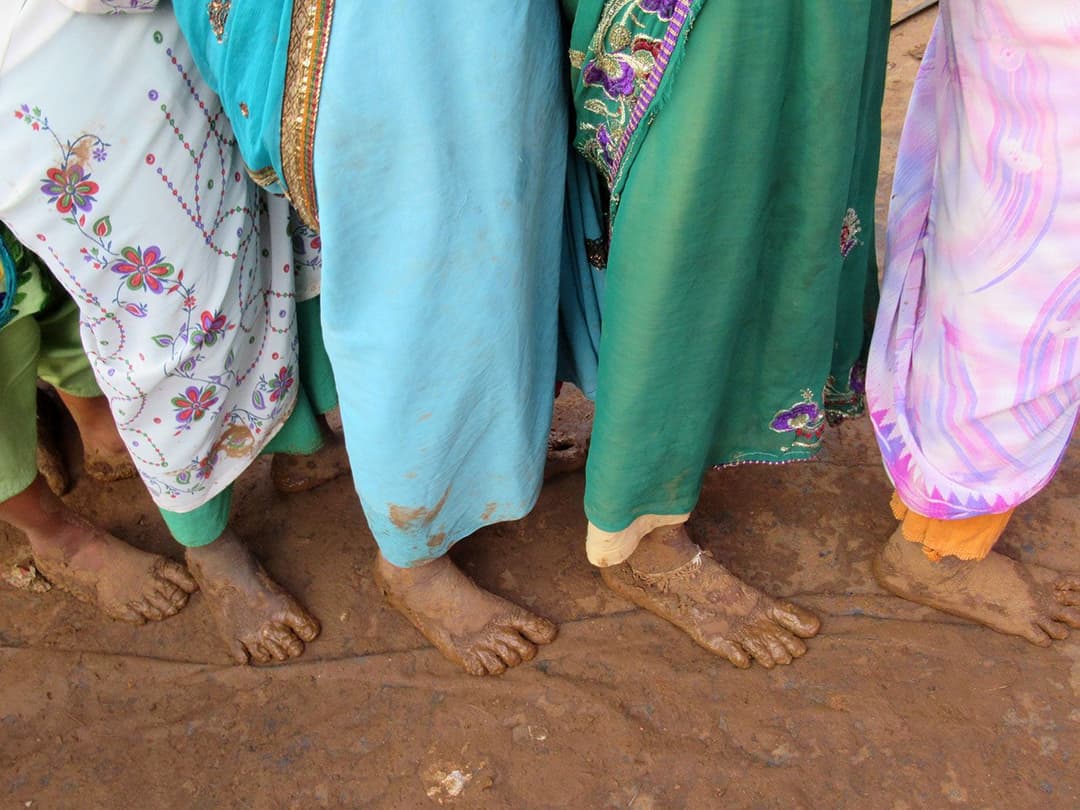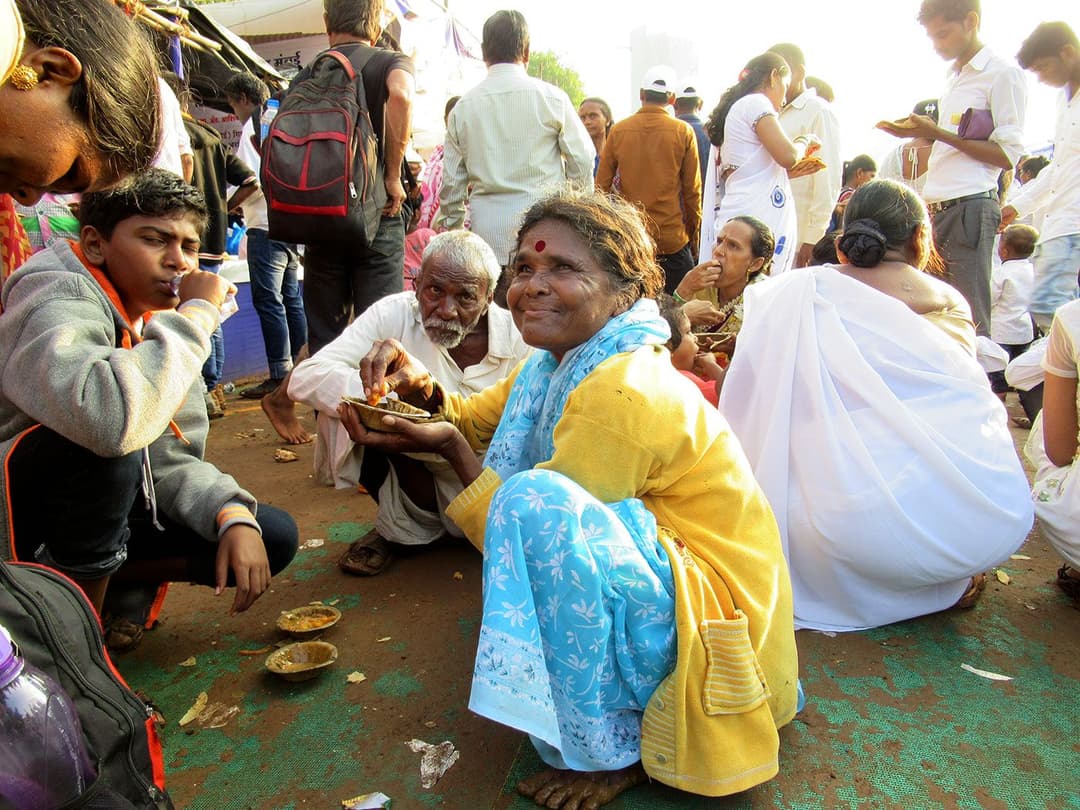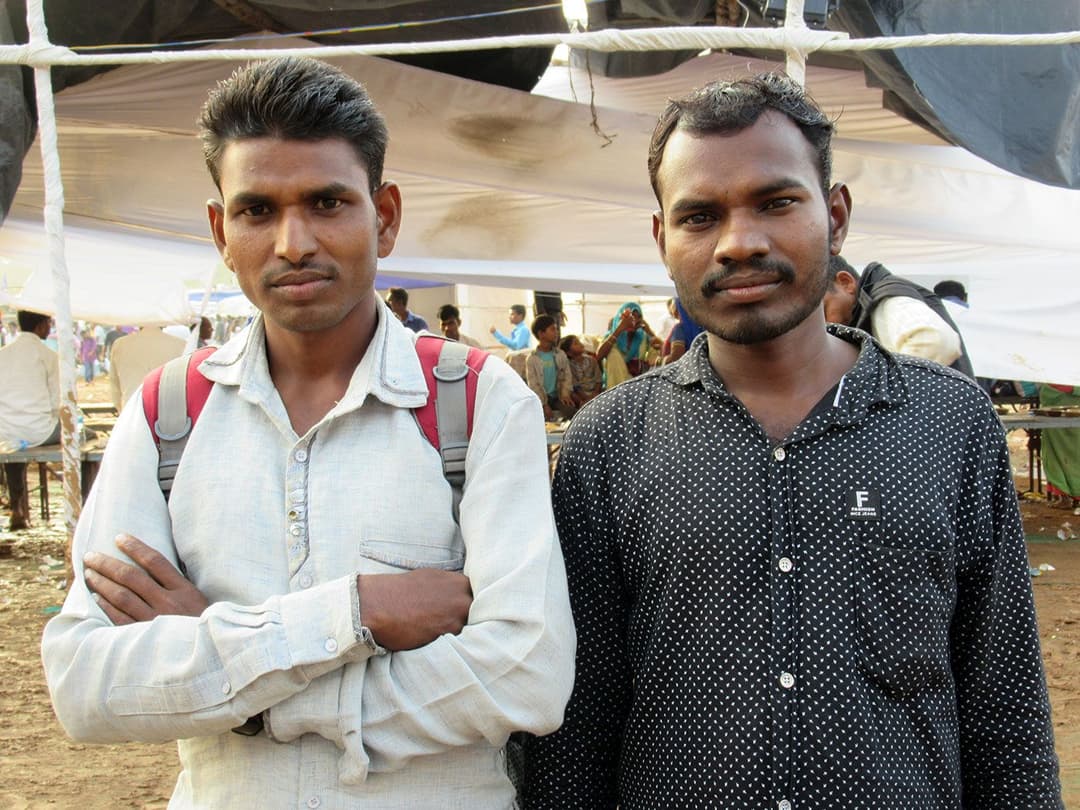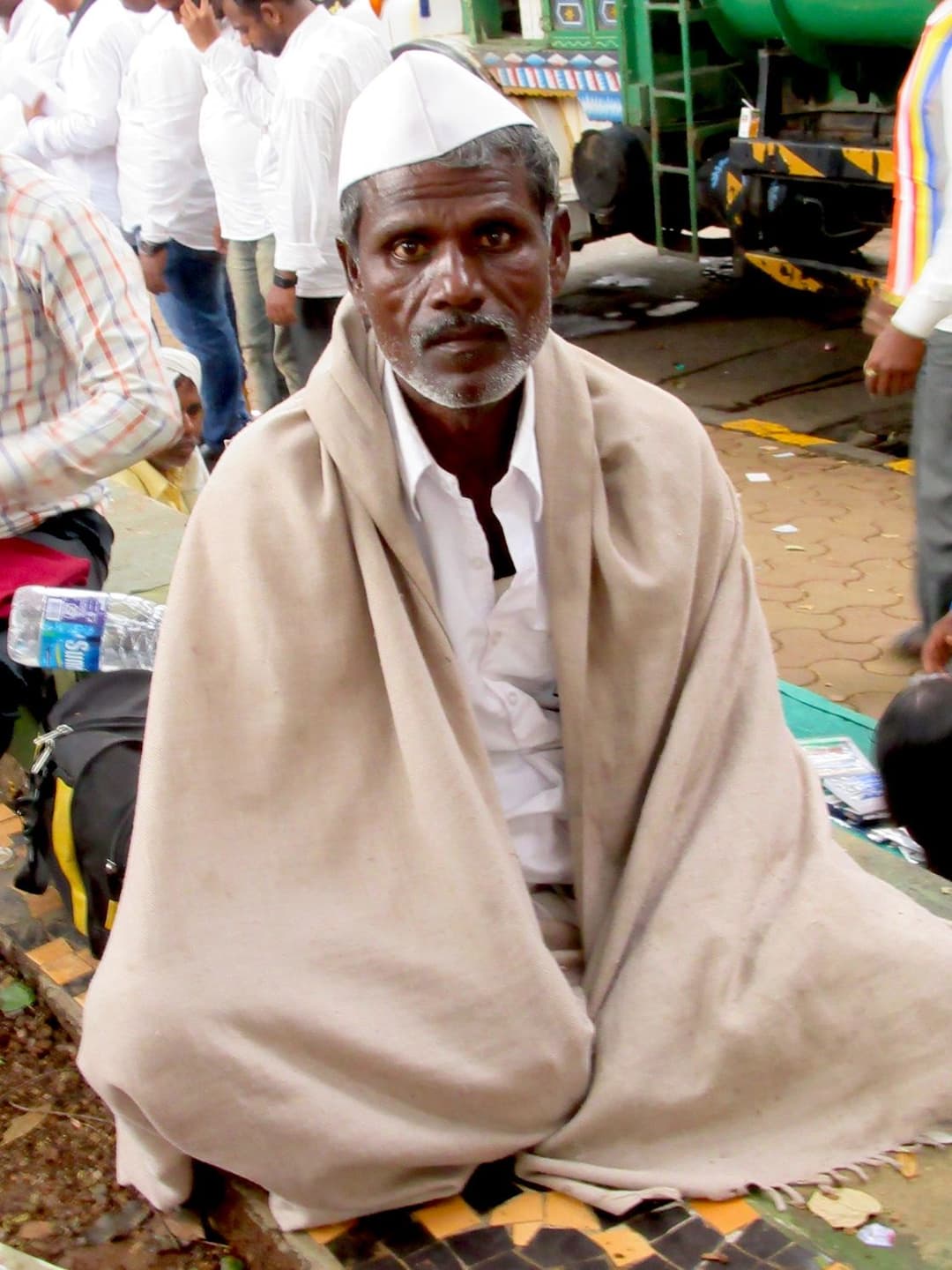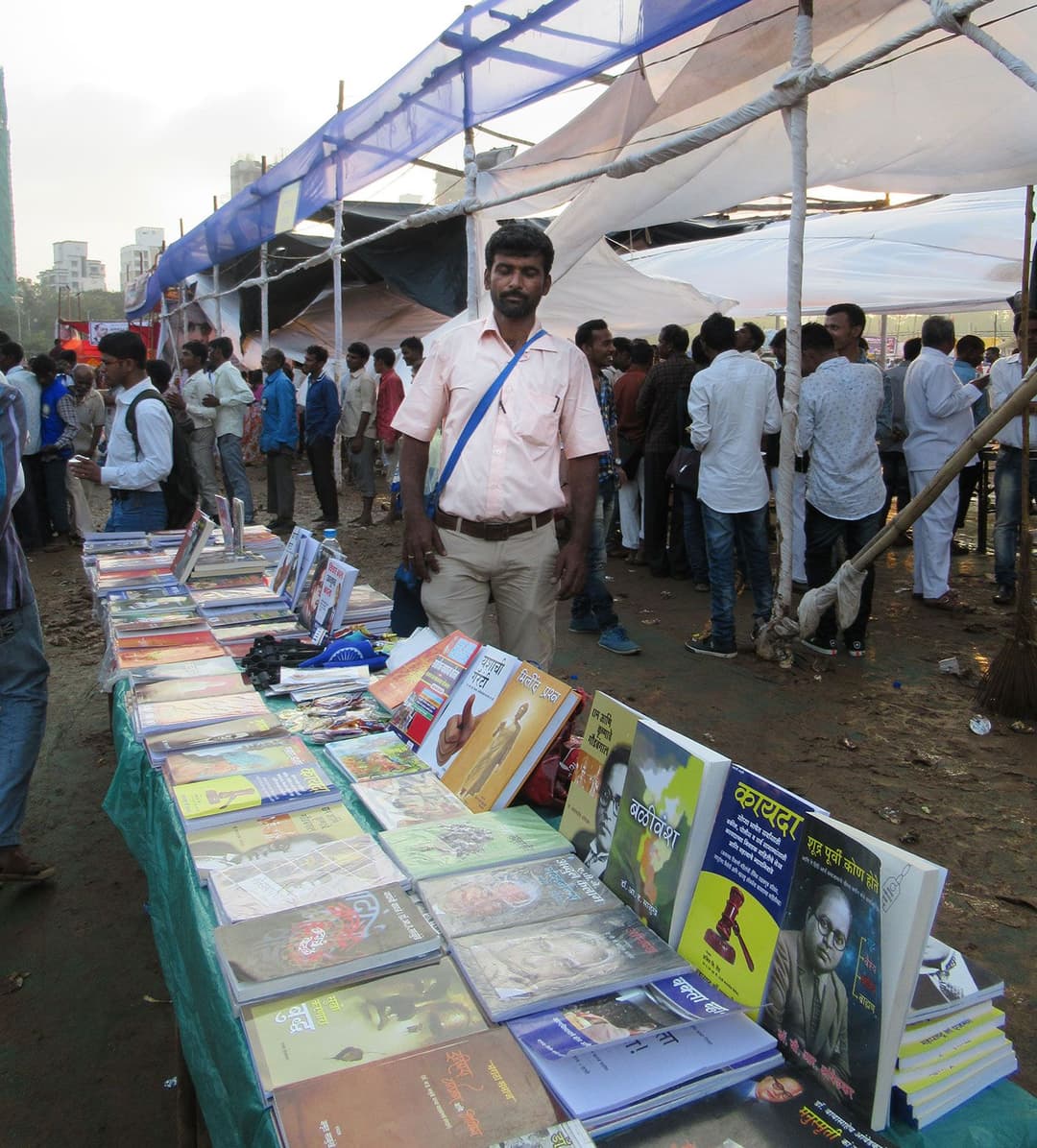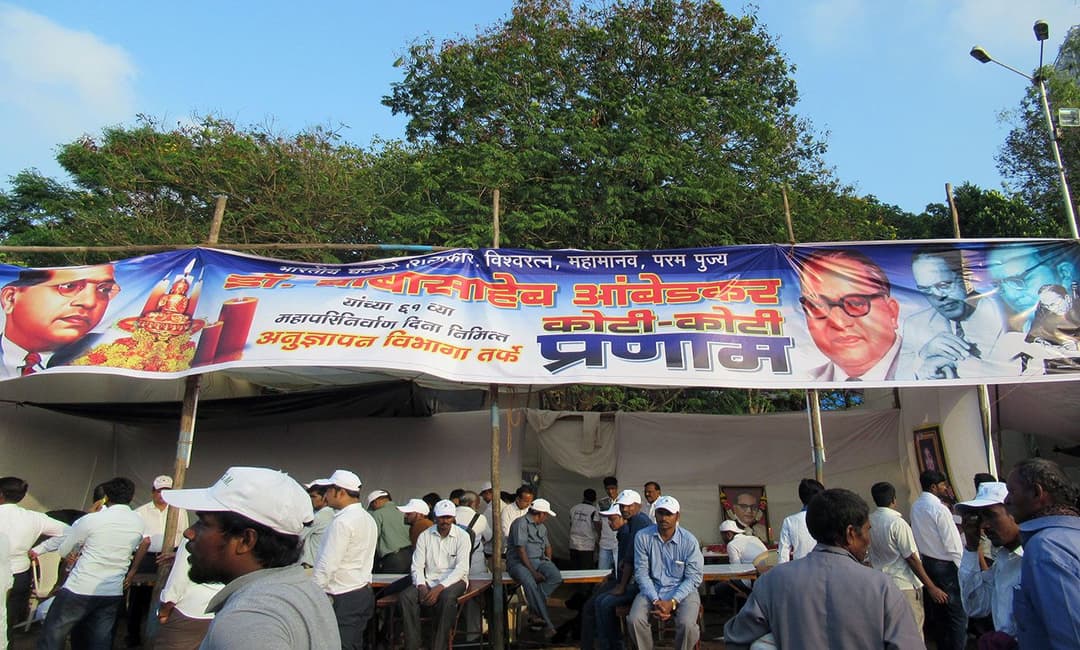

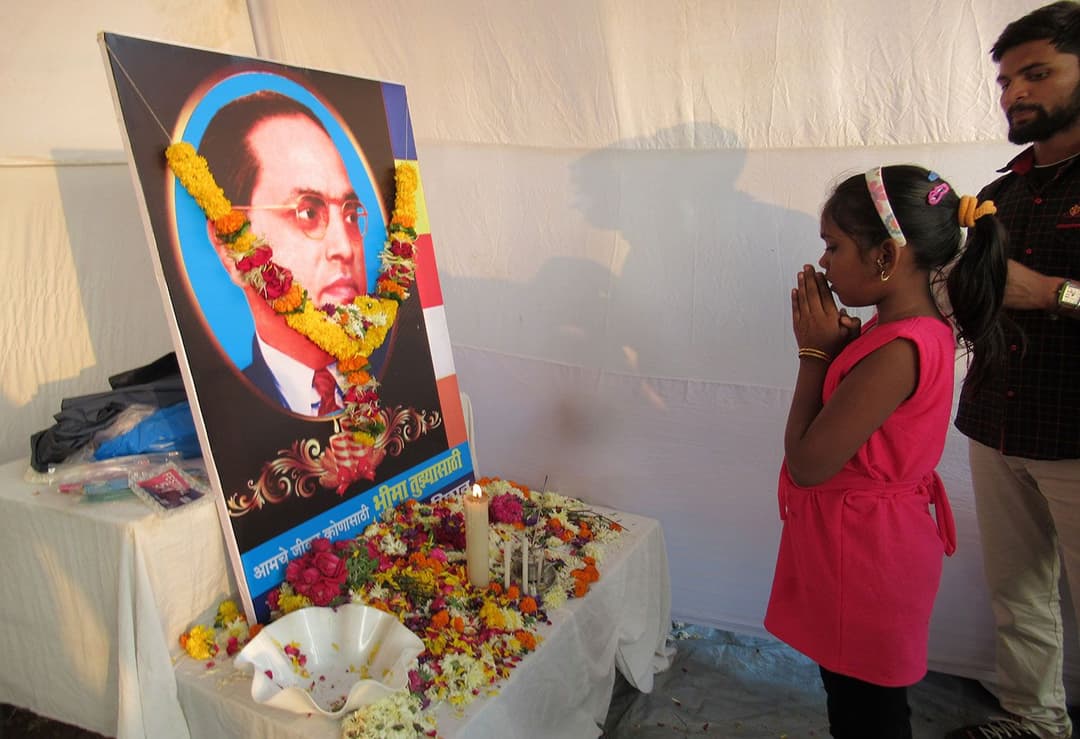
The rain on Tuesday this week turned Shivaji Park in central Mumbai into an ocean of mud, slippery and precarious to walk on. Sakhubai Khore fell and injured her leg. But, still smiling through mostly missing teeth, she says, “I am here to touch the feet of my deva [god]. I will come till I can, till my hands-legs work, till then, till my eyes can see, till then I will keep coming here.”
Her deva – as of almost everyone who has congregated at this venue — is Dr. Babasaheb Ambedkar, and Sakhubai, a Nav Bauddha Dalit, around 70 years old, has come from Bhusawal in Jalgaon district to offer her respects on his death anniversary on Wednesday, December 6.
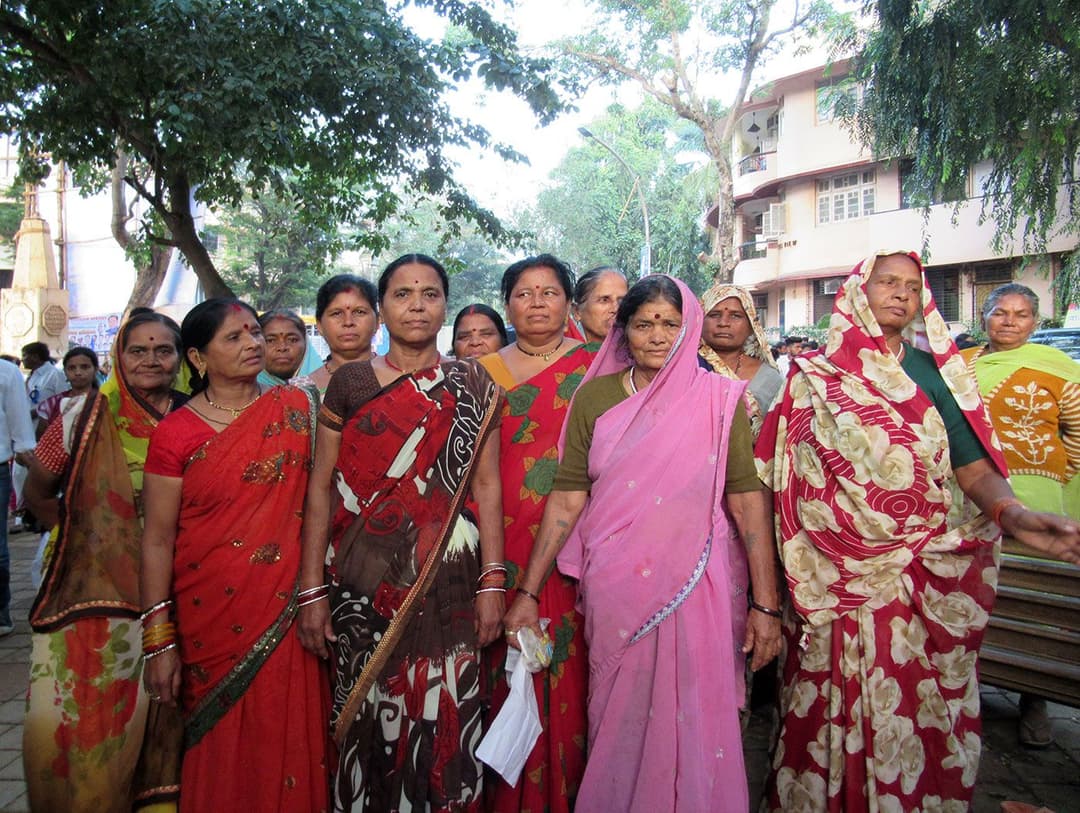
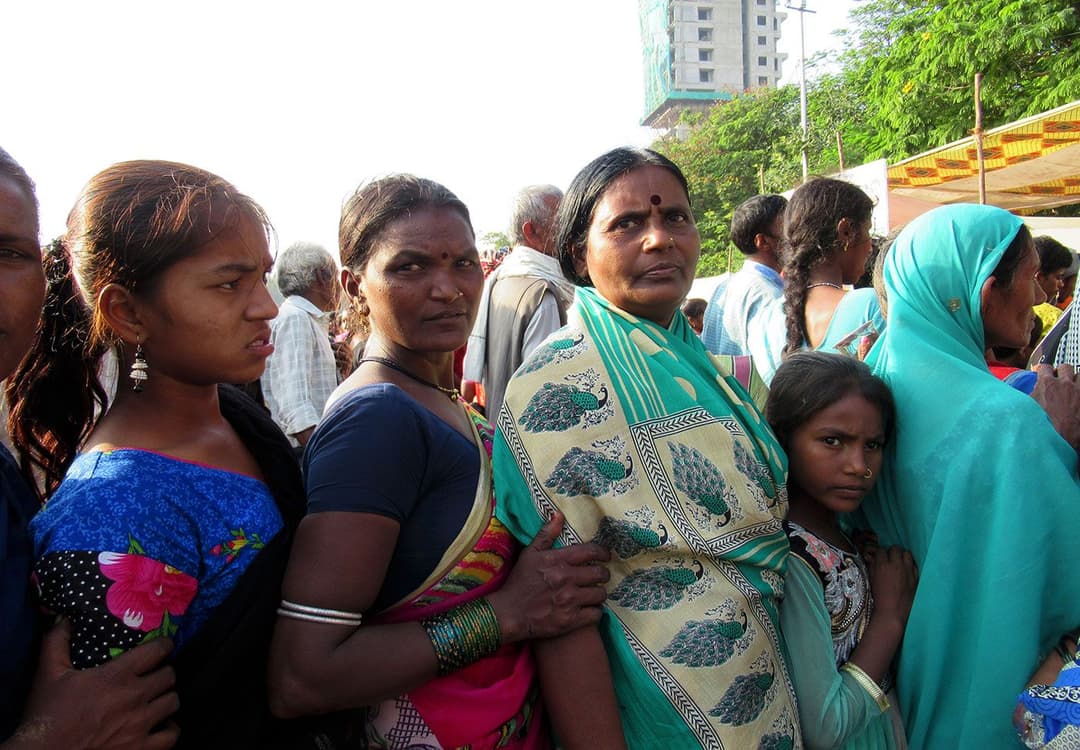
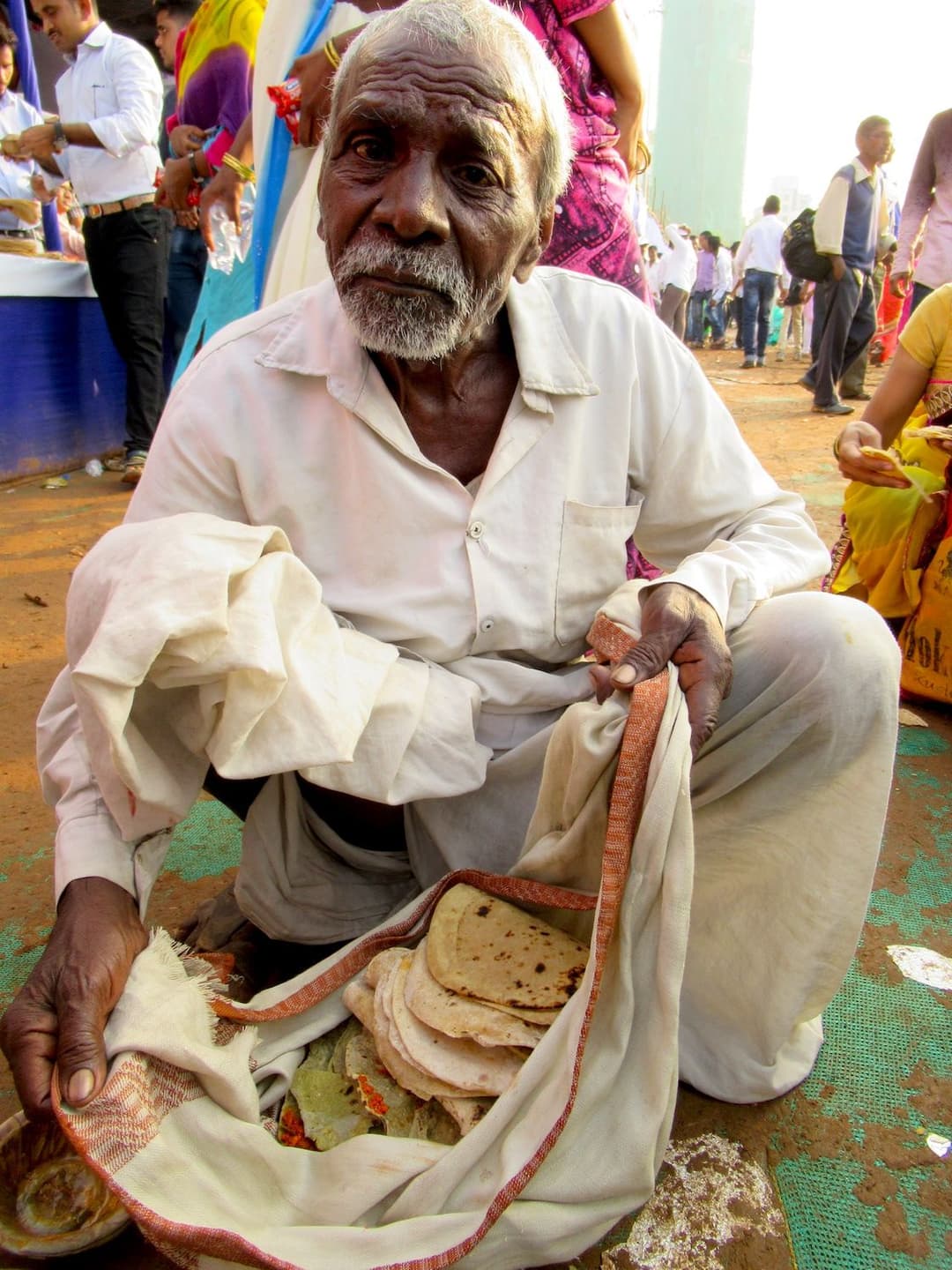
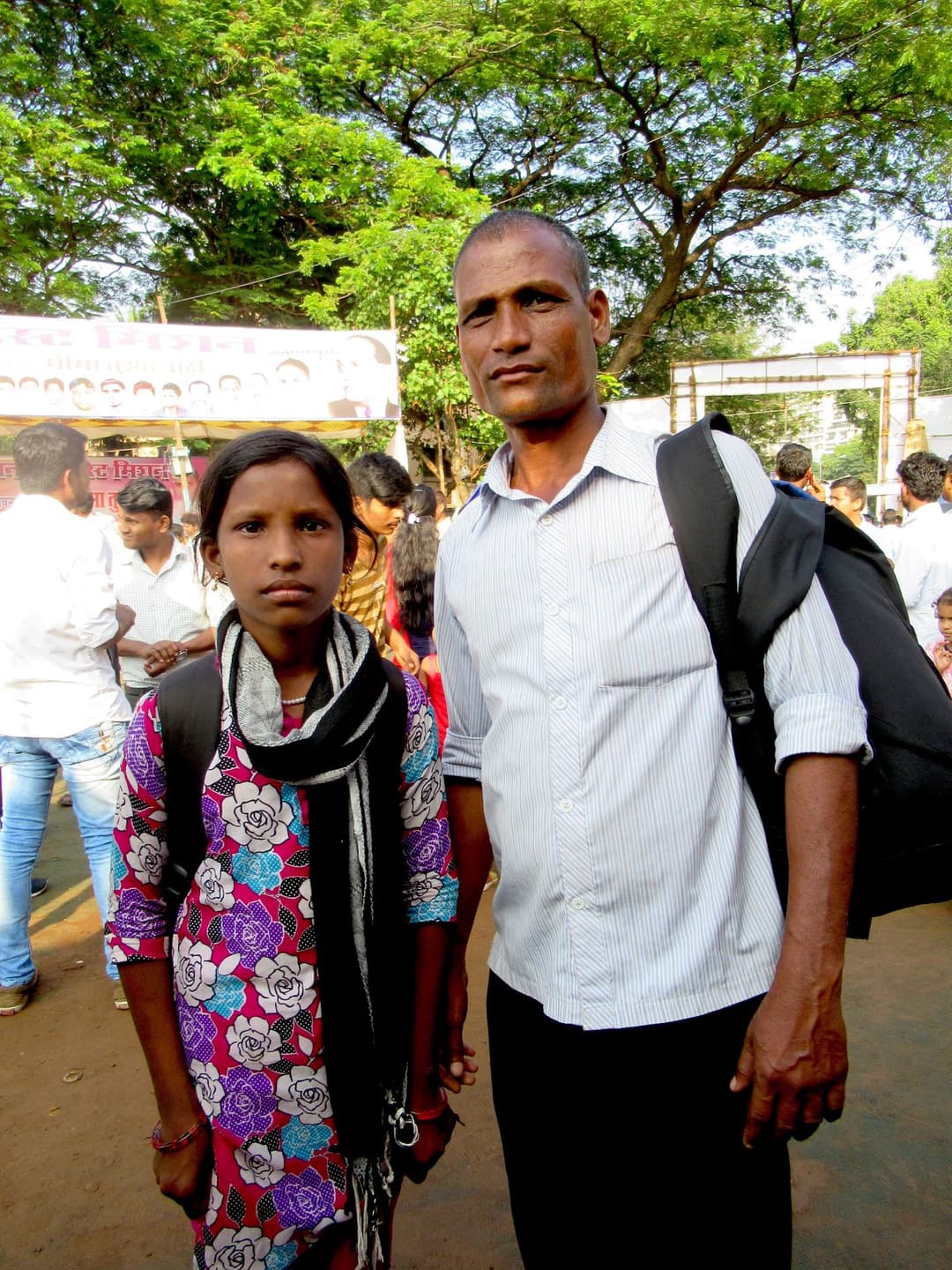
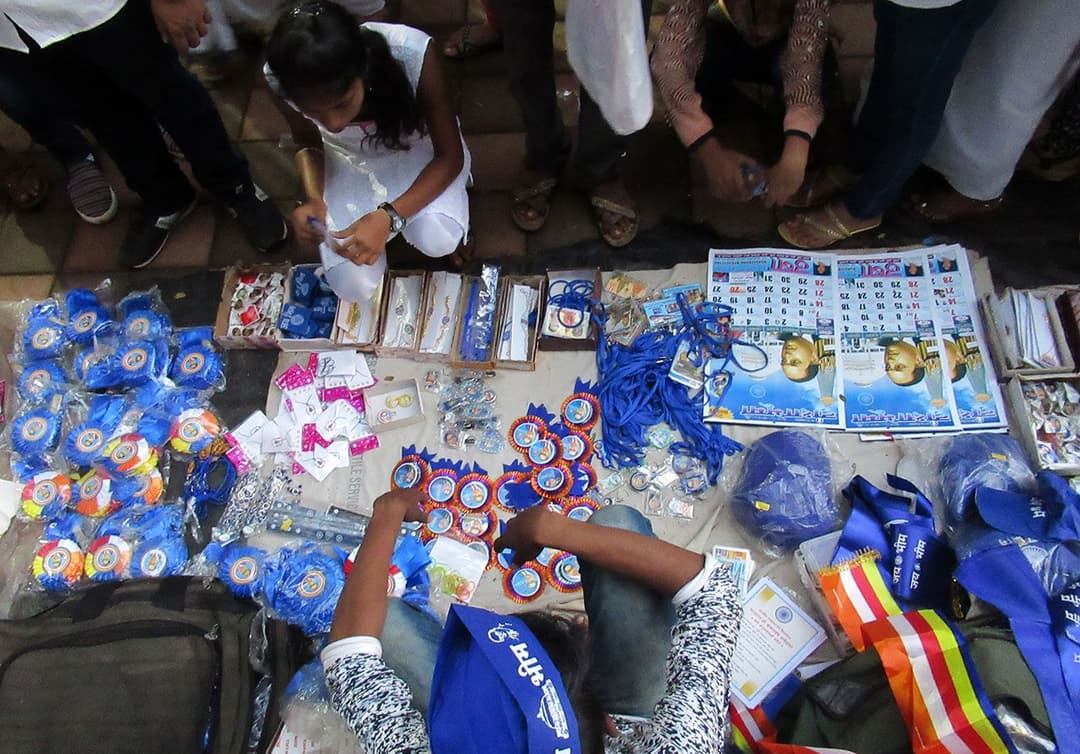
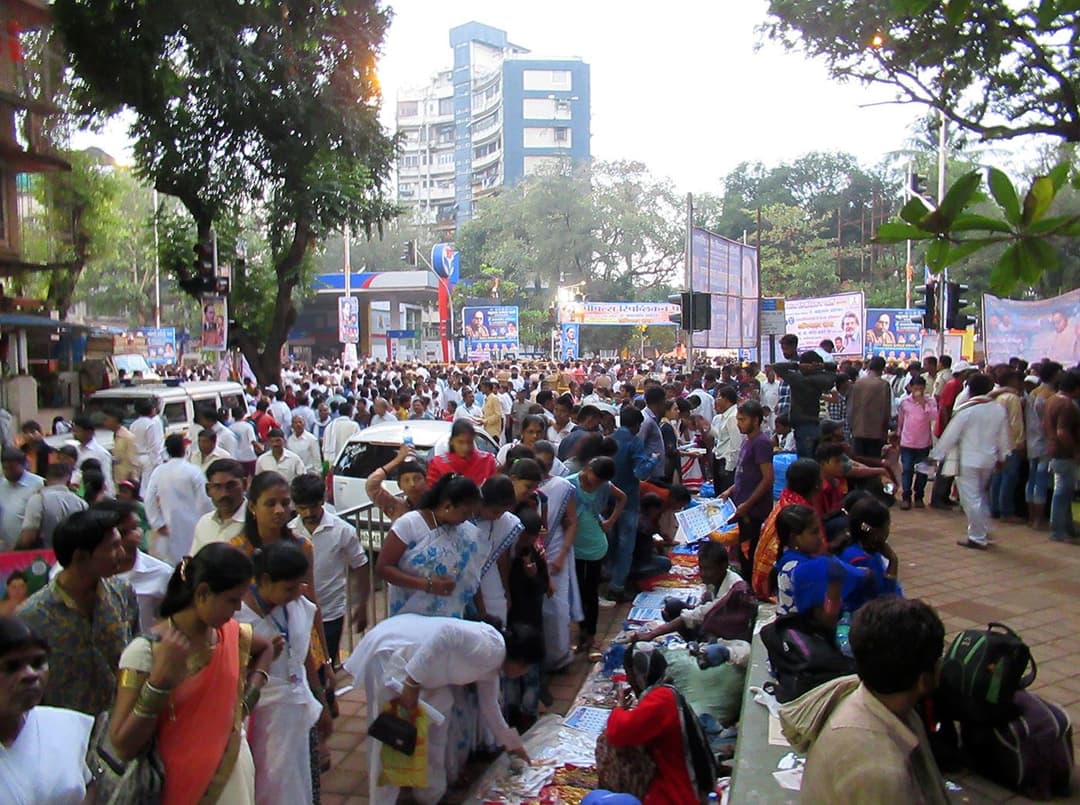
It’s a day on which, every year, Shivaji Park – and the nearby Chaitya Bhoomi in Dadar, a memorial space that marks where Dr. Ambedkar, chief architect of the Indian Constitution, was cremated in 1956 – turn into a gigantic gathering of tens of thousands of people from Dalit communities. They come to pay homage to B. R. Ambedkar, the towering figure who was one of the greatest reformers and leaders of the 20th century and an unwavering voice for the oppressed everywhere. They come by bus, by train or walking long distances to be present on this day. They come – with reverence, gratitude and love – from within Mumbai, from across the villages and towns of Maharashtra and from many others states too, some journeying for days to reach here.