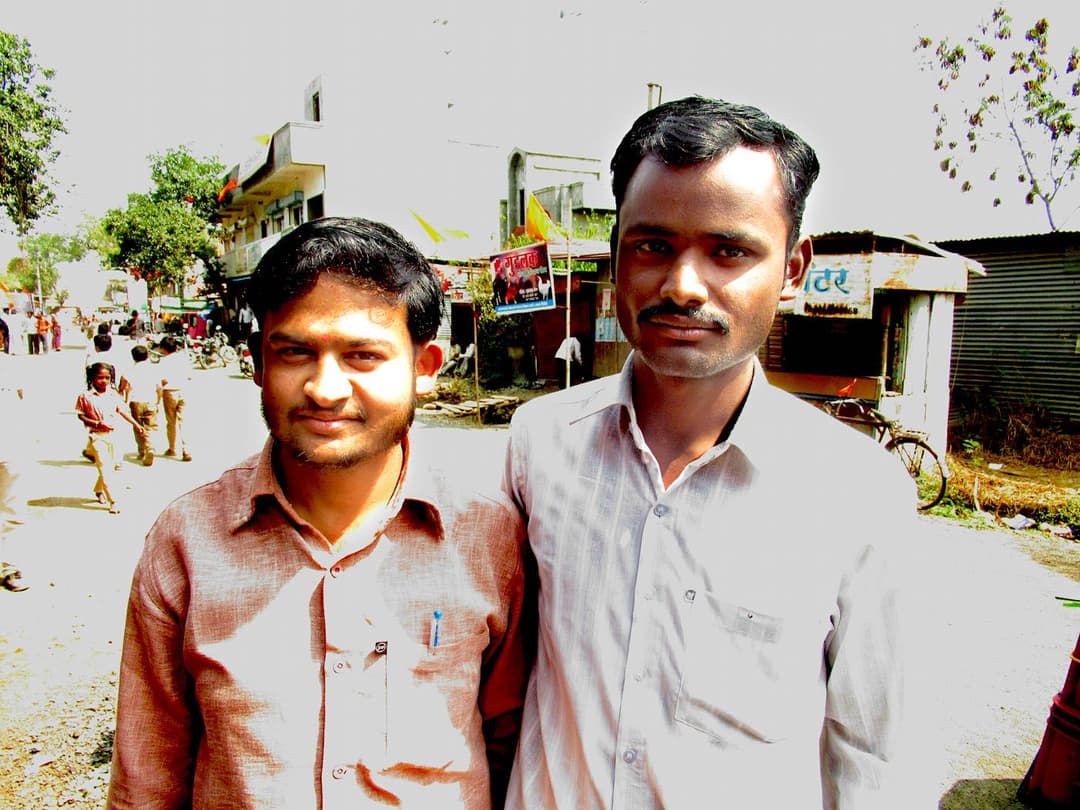

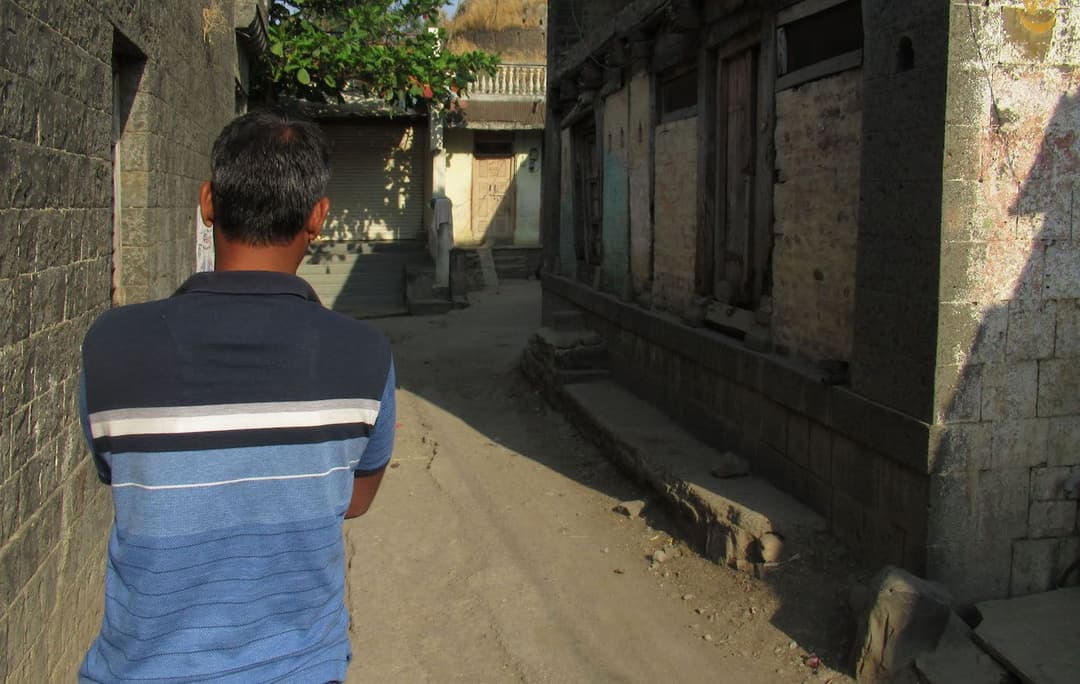
Pandharinath and Kaushalya Shelke finalised their son Ranjit’s marriage in February after trying very hard for three years. “The humiliation of rejection cannot be described in words,” says 52-year-old Pandharinath. “The first question we would be asked was, ‘Is there any source of income [for the groom] apart from farming?’ ”
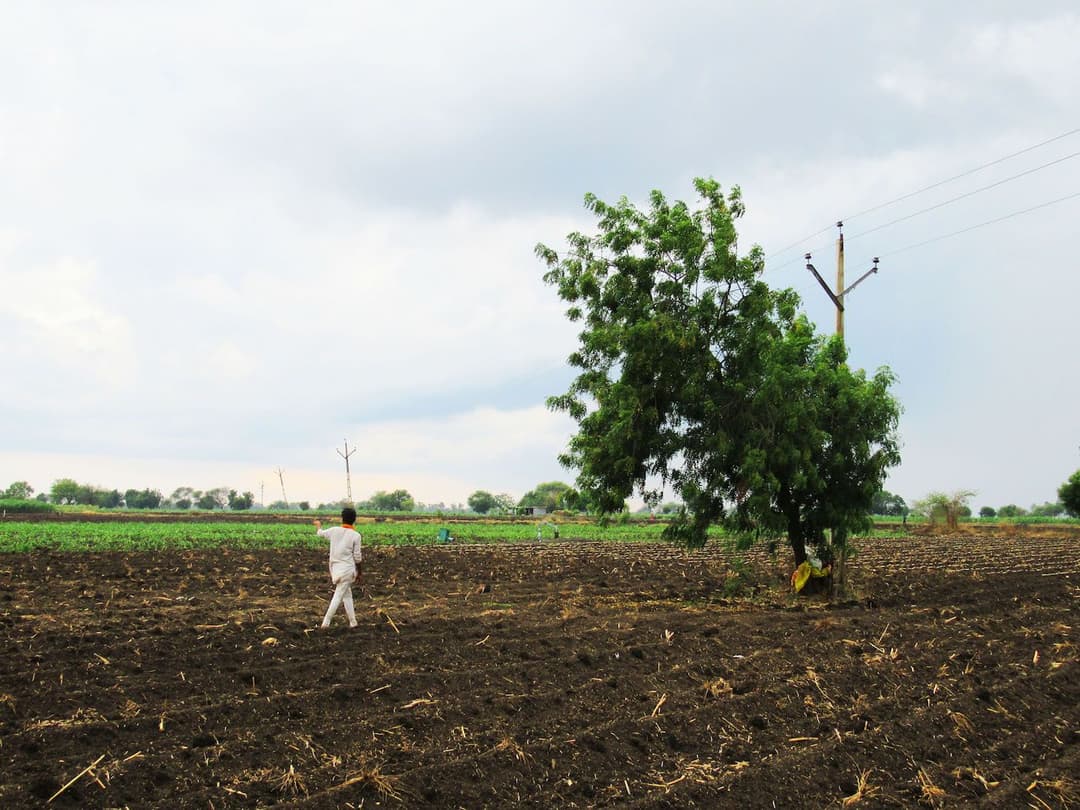
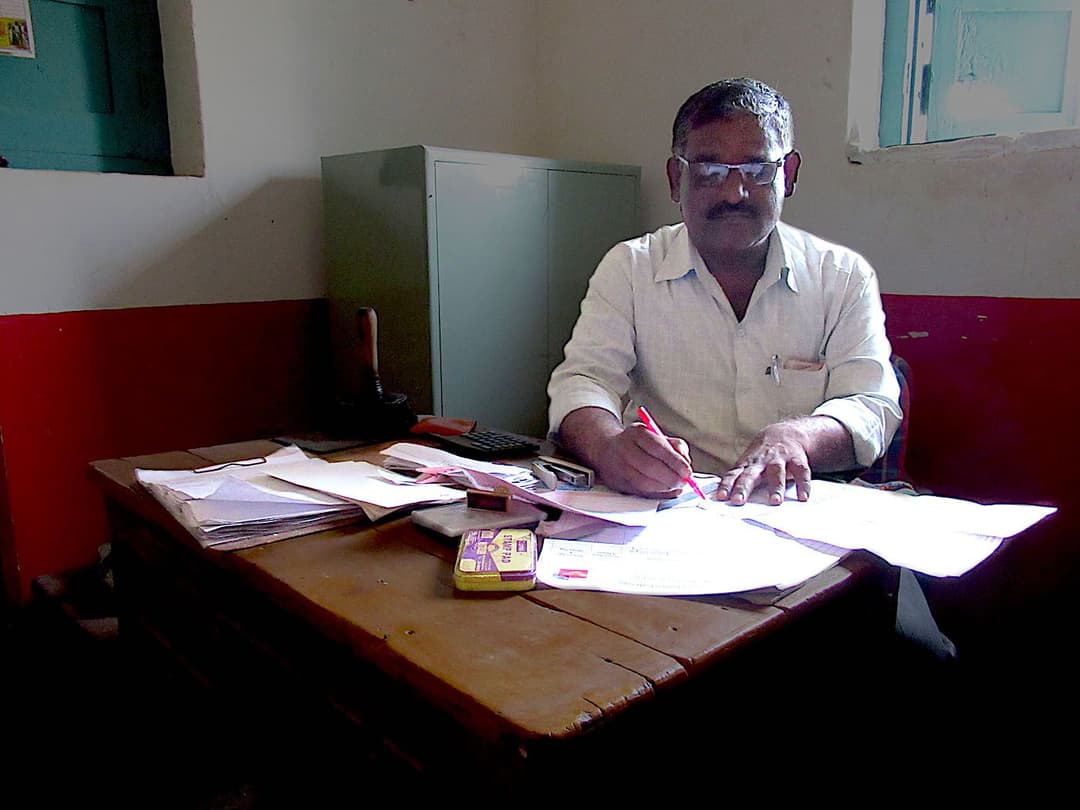
Ranjit is 26, and cultivates soyabean, gram and jowar on the family’s four acres in Khamaswadi village of Maharashtra’s Osmanabad district. Pandharinath works as a clerk at the village post office, earning Rs. 10,000 per month. For a while, Ranjit too tried looking for a job, but with no success – farming is his only source of income.
“Nobody wants their daughter to marry a farmer,” says Kaushalya, a farm labourer. “Farmers in particular are reluctant to do so. They will pay a hefty dowry by borrowing money from private moneylenders at exorbitant interest rates to get their daughters married to someone with a job. But not into a farm household.”
There was a time when a farmer was sought-after as a groom in Marathwada. But the growing uncertainty in agriculture has changed that. With rising input costs, unsustainable market prices, erratic weather patterns and a dismantling of rural credit systems, among other reasons, many farmers in Marathwada are deep in debt.