Anil Singh Rana, a 41-year old lawyer based in Khatima town, who is also from the Tharu community, reposes little faith in the legal process for deciding land rights. “Such cases take forever. Traditionally, our communities have been poor at keeping records and papers. The loss of land is never simple. It operates within many layers,” he says.
Rana spent the better part of last decade with the Bhoomi Adhikar Manch (BAM), a network of village-level organisations working on tribal rights in around 40 villages of Uttarakhand. In 2009, two years after its inception, BAM pushed the state government to implement the Scheduled Tribes and Other Traditional Forest Dwellers (Recognition of Forest Rights) Act, 2006, which protects the traditional rights of forest dwelling communities. The Manch’s methods – creating awareness and lobbying– have achieved some success in the fight for tribal land rights.
It was this forum that Kamla turned to in 2012.
“We are simple people. We don’t understand the court. Social pressure is more effective,” she reasons. With her sister-in-law Mina Devi, who was a part of the BAM network of field workers, Kamla started to ask back for her land. “We would go and stand at their [the moneylenders’] shops. Talk to me, show me the papers, I demanded. We also took some other women from the village.”
Last year, her persistence resulted in one moneylender giving back 3.5 acres. While asking that his name not be disclosed, he says, “If all of them [creditors] use this tactic, my business will wind up and I will lose all the land I have in my possession.”
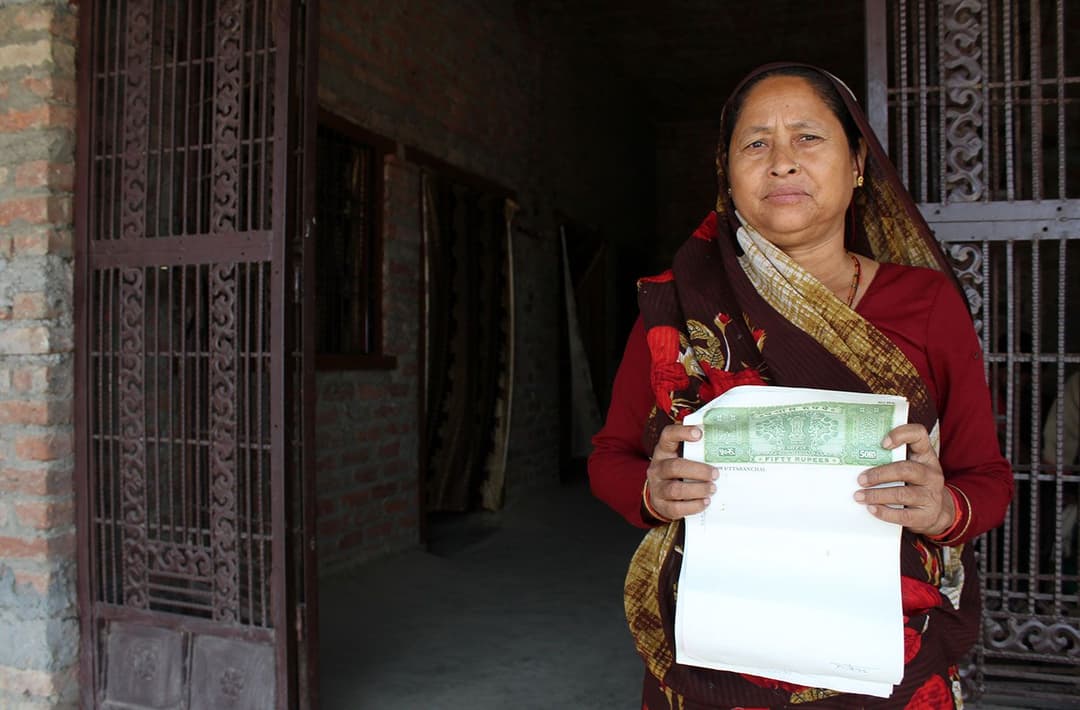
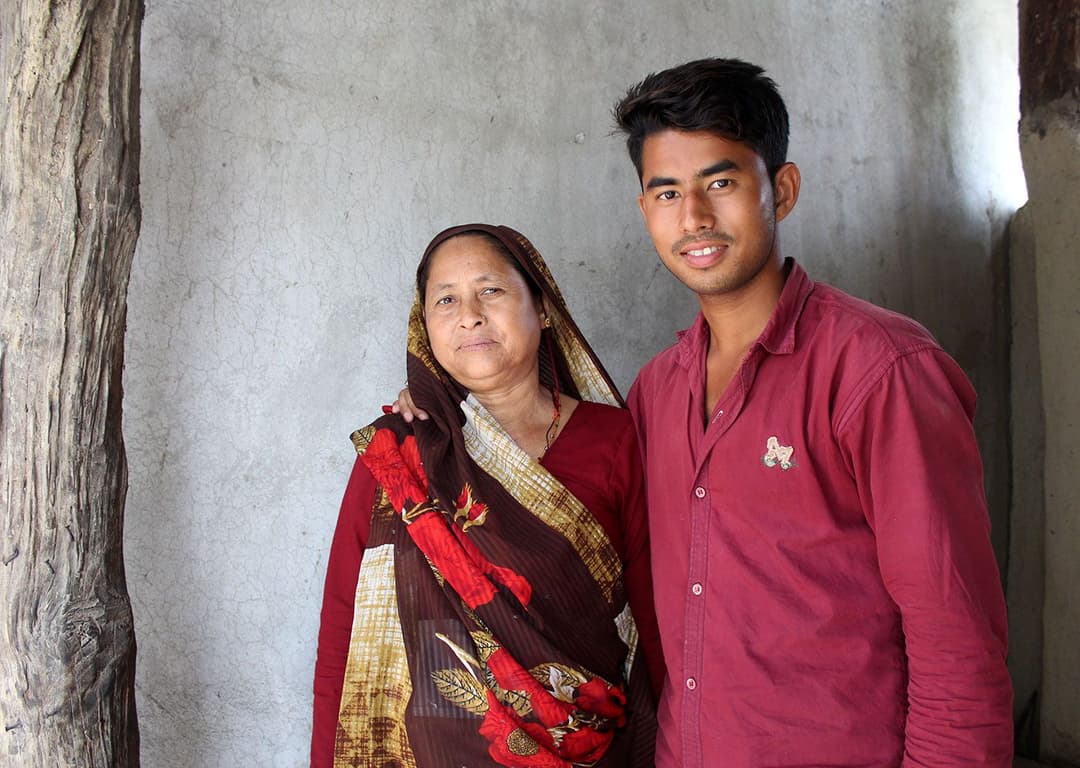
Kamla’s youngest son, 20-year-old Keshav, has now dropped out of college to devote himself full time to tracing the family’s land records so that more effective pressure can be built. His greatest success so far has been the recovery of a blank stamp paper, bearing his father’s signature, from one of the moneylenders.
Mangola’s struggle is strained by the fact that she is pitted against her own brother. The estranged Phool says, “Now that she has taken a family matter to outsiders, why should I settle with her?”
And like many women, Mangola too is not quite able to view her rights over land as an absolute. She struggles to explain that thought: “Not everyone gives land to daughters. The attitude is – let’s give her some as well, but with the consent of male family members. I am not sure that is right.” But, she adds, “The land is our culture, our legacy. We worship it and are nourished by it. And for women like me, it is also a guarantee.”
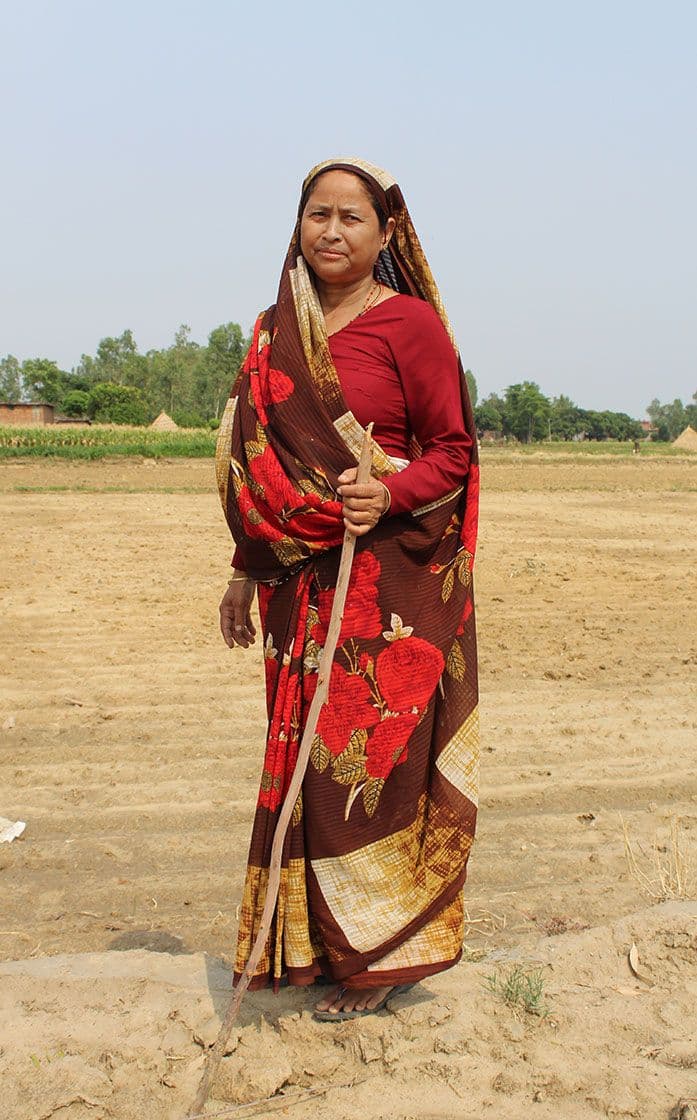
In Kamla’s mind however there are no such doubts. Standing on the farmland she won back, she speaks with a resolve discovered years after she silently witnessed the signing away of the land.
“The land is mine. I will get it back. I owe it to myself. It does not matter how long the struggle is,” she says.
The author is the winner of the Impact Journalism Award given by N/Core Foundation to create awareness about the importance of secure land and property rights for the poor in India.