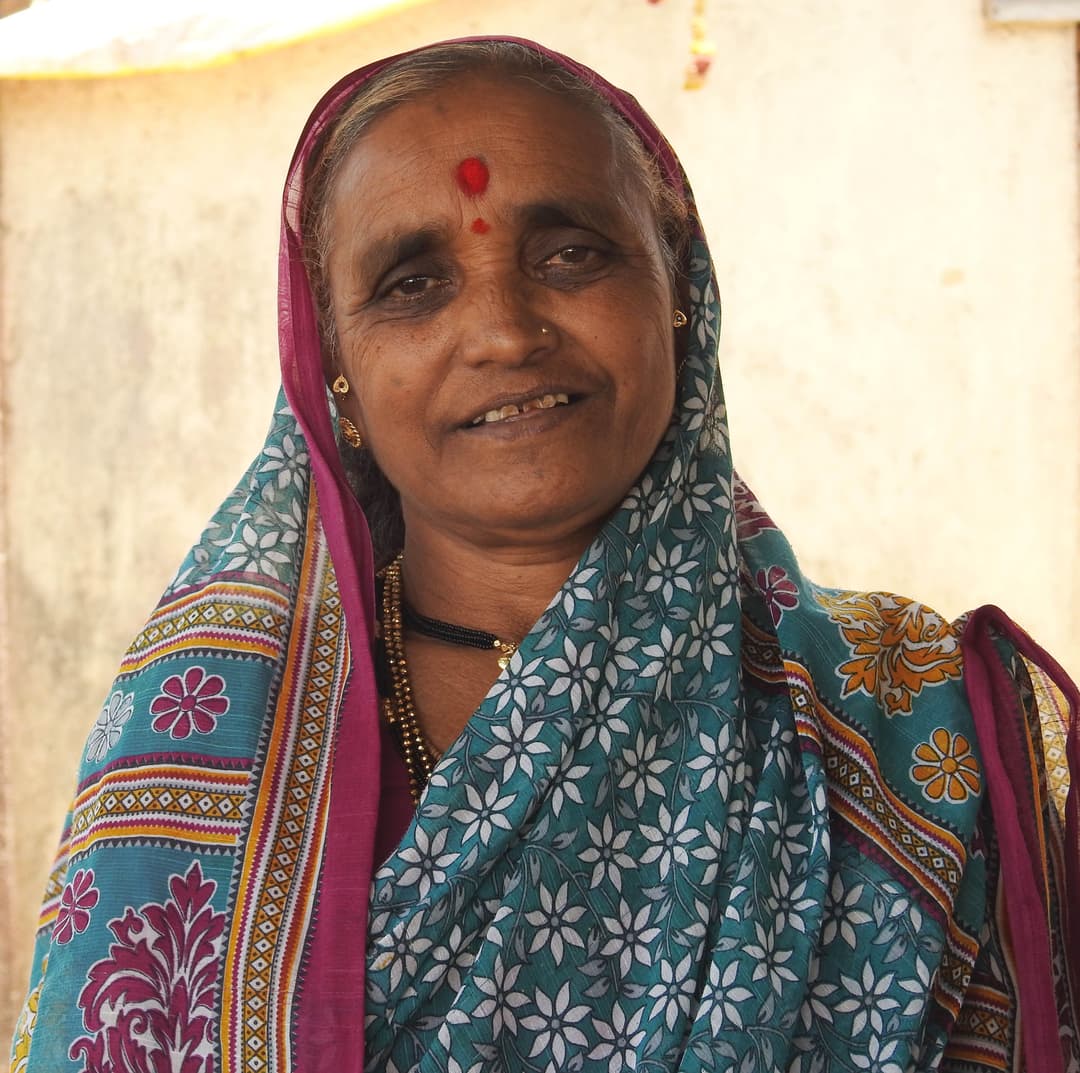

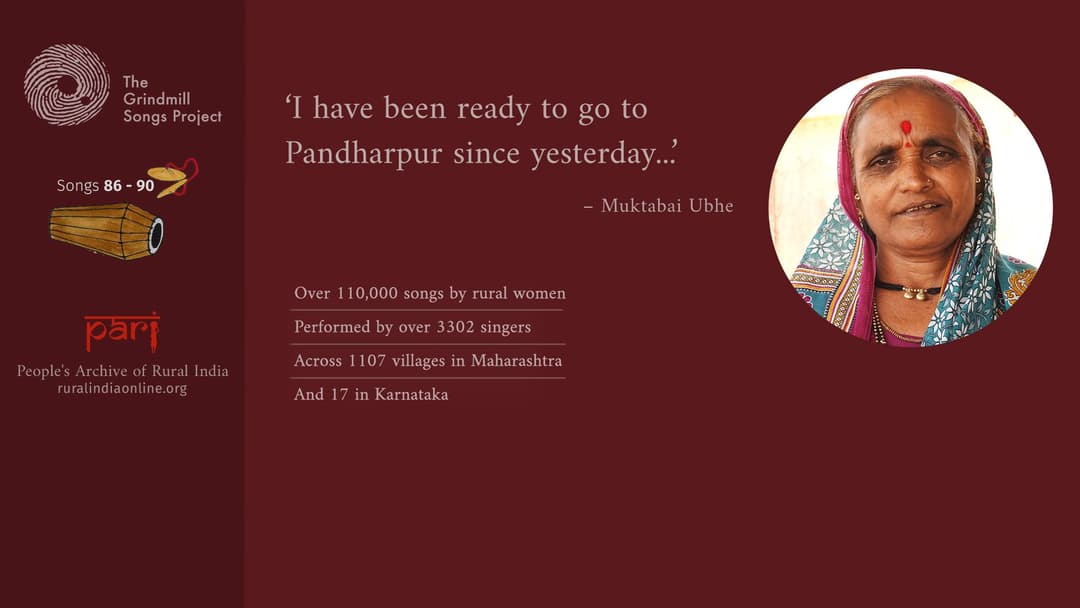
This week, in the Grindmill Songs Project, Muktabai Ubhe and Sitabai Ubhe from Kolavade village in Pune district sing five couplets about the warkaris’ pilgrimage to Pandharpur in Maharashtra
In this edition of the Grindmill Songs Project, we publish five ovi about the Pandharpur wari . The wari is a biannual pilgrimage, when devotees of Lord Vitthal (also known as Vithoba or Pandurang) walk to Pandharpur town in Solapur district of Maharashtra, to meet their beloved maauli (mother) at the temple there. For the pilgrims, Vitthal is a deity who listens to them and nurtures them, and holds the place of a mother in their devotion. The warkari is a person who goes on this journey of about 21 days, on foot.
The wari is undertaken twice in the Hindu lunar calendar year – during the month of Ashadh (June/July) and then again in Kartik, around October/November. The June/July journey is more popular because it commences after the sowing of crops. Farmers, shepherds, cowherds and others from rural Maharashtra are among the many who go on this pilgrimage. Several of the warkaris leave for the pilgrimage from urban areas too, where they have migrated from their village for work.
In the 13th century, Sant Dnyaneshwar, who wrote the Dnyaneshwari (a commentary in Marathi on the Bhagavad Gita in the form of verse) went on this journey regularly. Sant Tukaram, whose poetry is collected in the Tukaram Gatha also frequently undertook the wari in the 17th century. Other poets like Janabai, Muktabai and Namdev of the 13th century were also known to be regular pilgrims.
All of them were poets from Maharashtra who revered Lord Vitthal. They belonged to the Bhakti tradition of devotional poetry, which began in southern India in the 7th century and spread northwards from the 12th to the 18th centuries. Bhakti was a progressive movement, its poetry spoke of social reform.