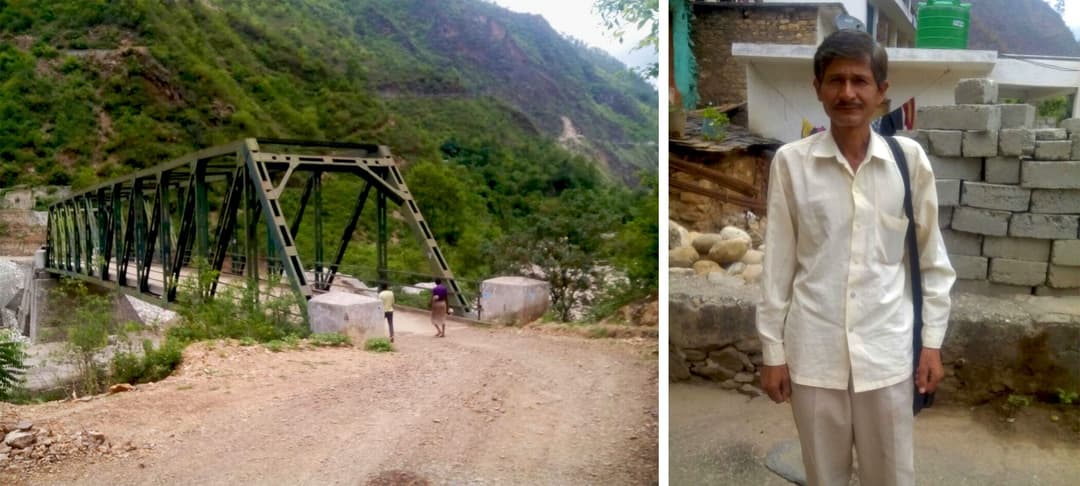

When Mohan Chandra Joshi’s younger brother was selected for the Indian Army some months ago, he immediately asked an acquaintance in Almora post office to hold back the letter of recruitment. “Don’t send it to our home,” he said. Mohan Chandra was not trying to block his sibling’s joining the army. He was just worried the letter might reach late or not at all. That often happens to the villagers of Bhanoli Gunth in Pithoragarh, Uttarakhand. Their nearest post office is in another district.
“Many people here have lost jobs because the interview letters reached too late. Often, the postman delivers the mail days after the interview date is past. In a remote place like this, where there are no jobs, who can afford to lose such a letter, that too for a government placement?” asks Mohan Chandra, his eyes doing most of the talking.
Mohan went to the general post office in Almora, 70 kilometres away, to collect the letter in person. “Yes, I know we shouldn’t be picking them up from the post office. The postmen are supposed to deliver them at our homes. But we can’t afford such a luxury. If we don’t collect letters ourselves, it could take a month to receive them (if they’re delivered at all). By which time my brother’s joining date in the army would have passed,” he says.
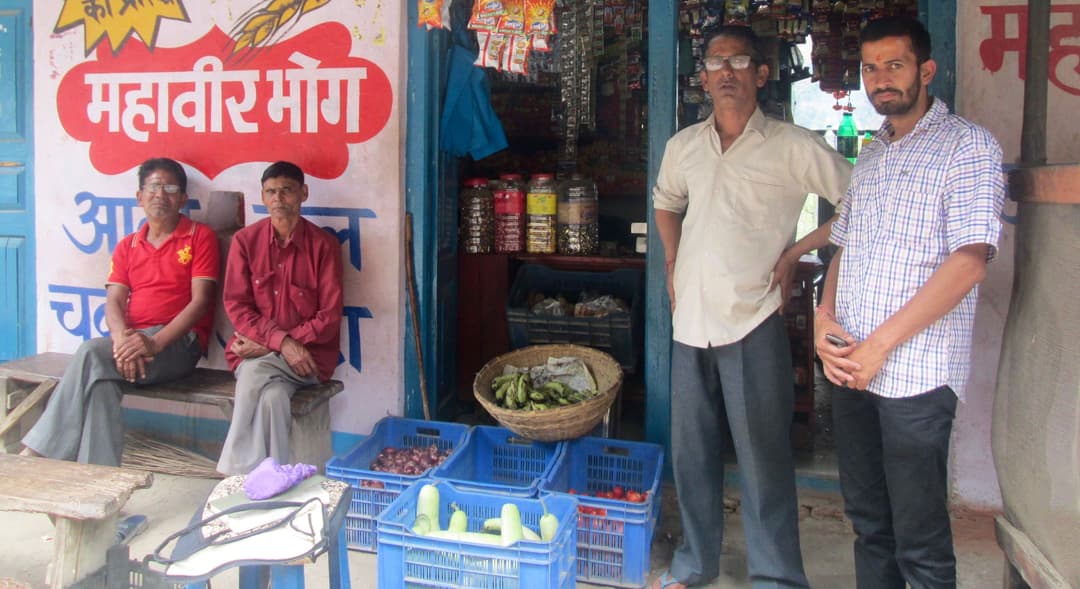
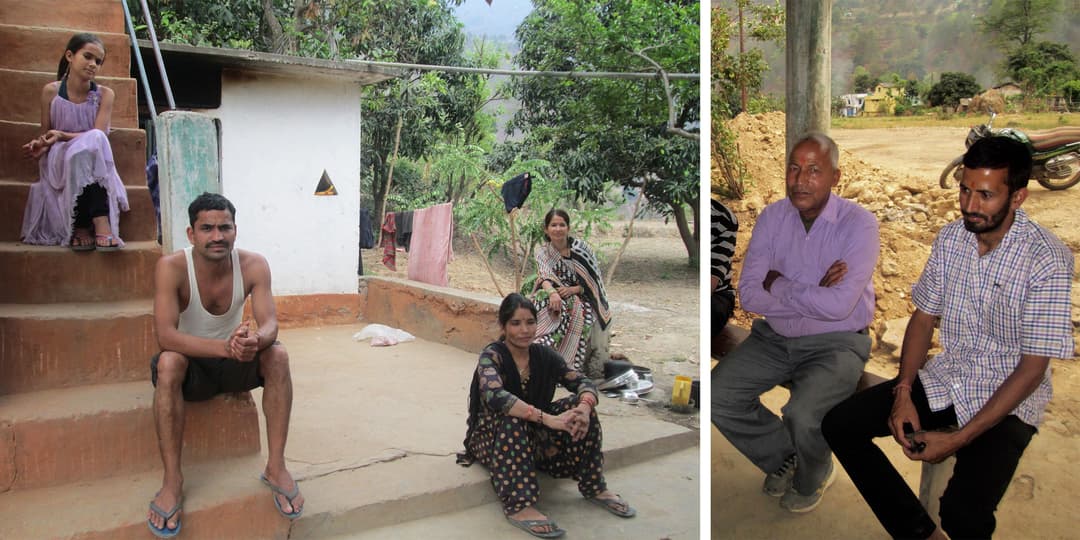
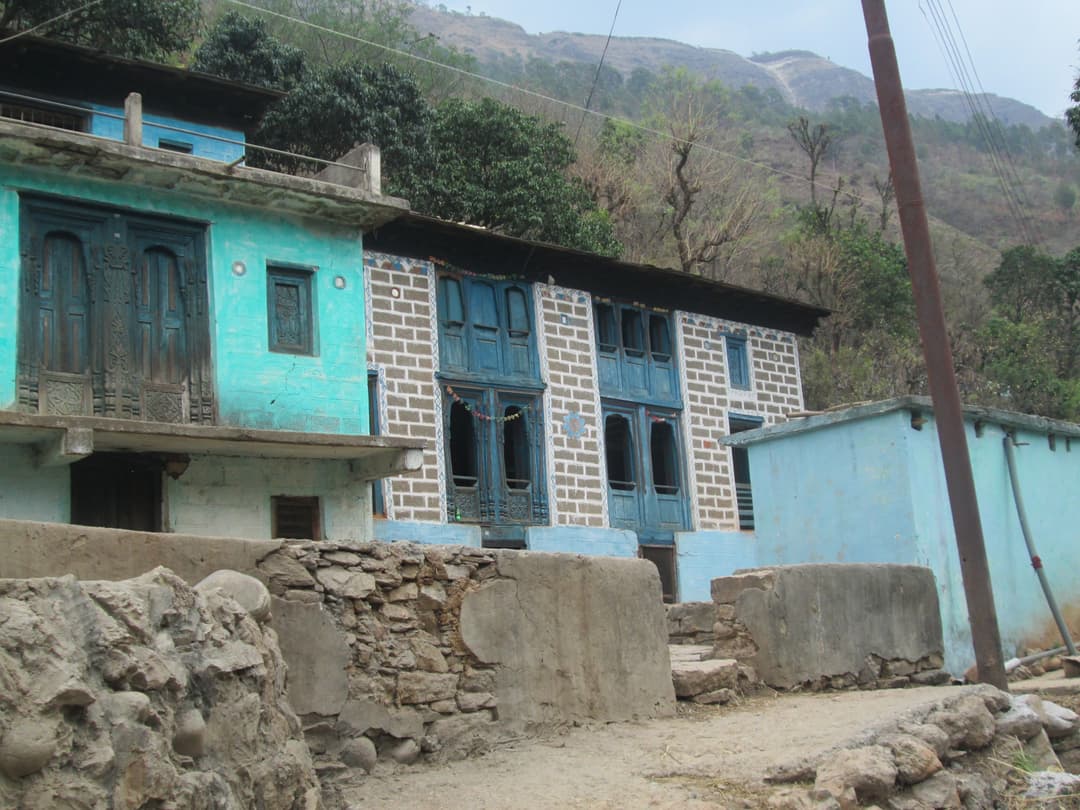
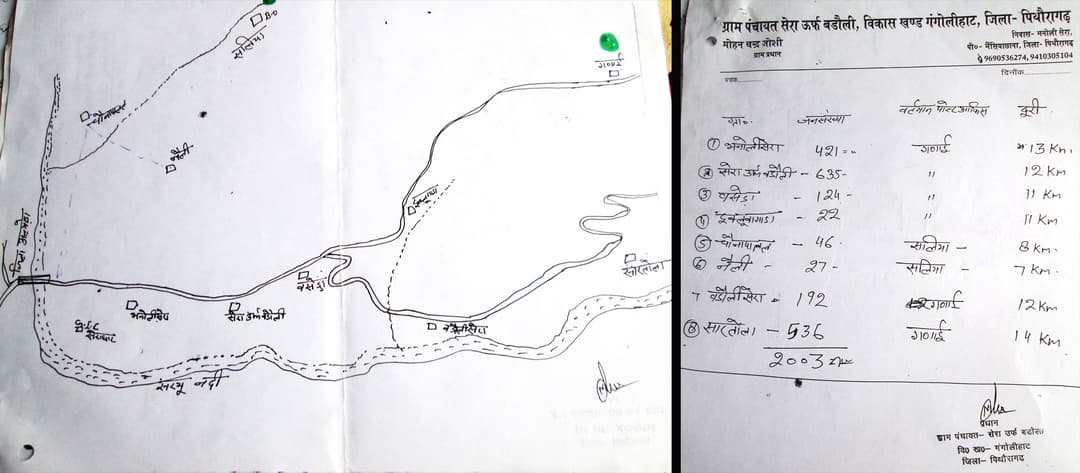
Mohan Chandra and a few others are talking to us at a teashop at Bhanoli Gunth (also called Bhanoli Sera) in Pithoragarh district of Uttarakhand. As many as five other villages share its postal fate – letters coming in late or not at all. These are Sera Urf Badoli, Sartola, Chauna Patal, Naili. And also the similar-sounding but different Badoli Sera Gunth.