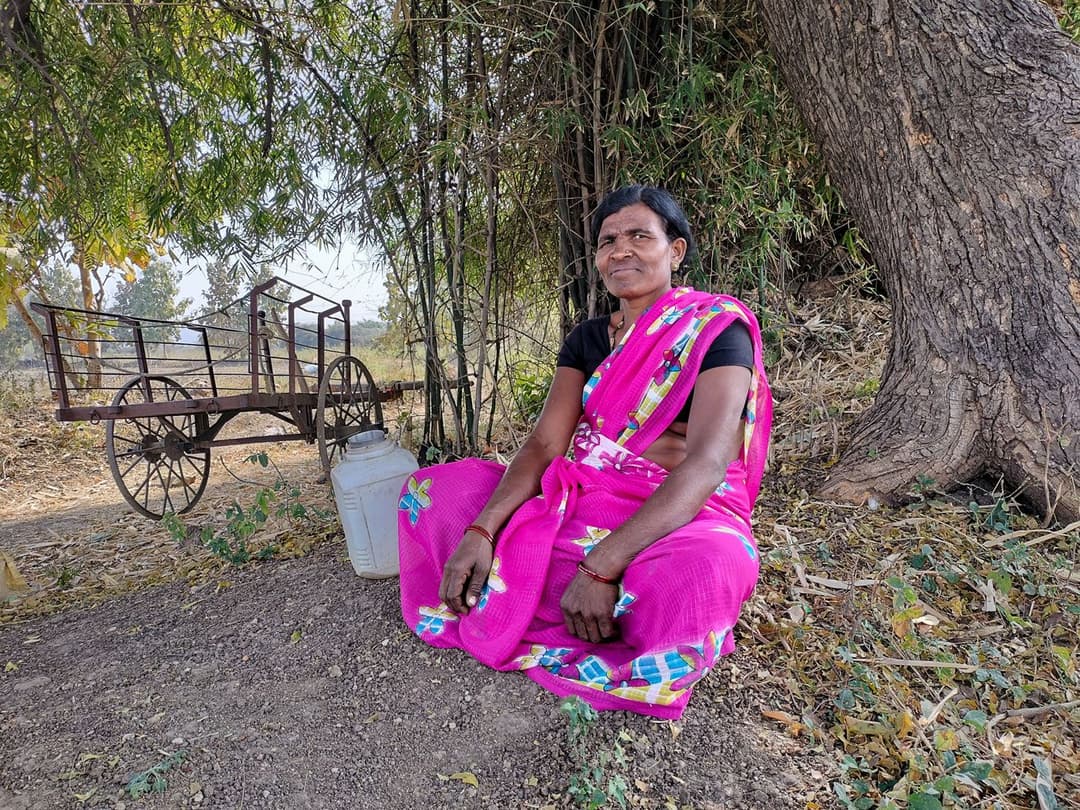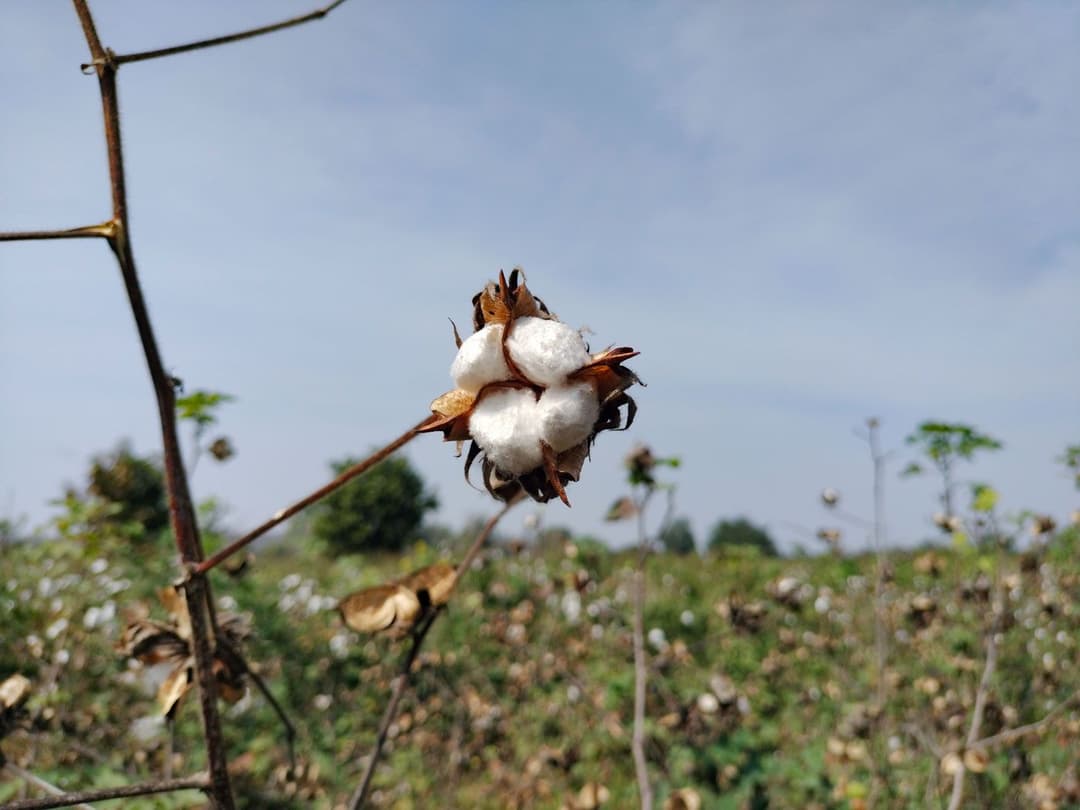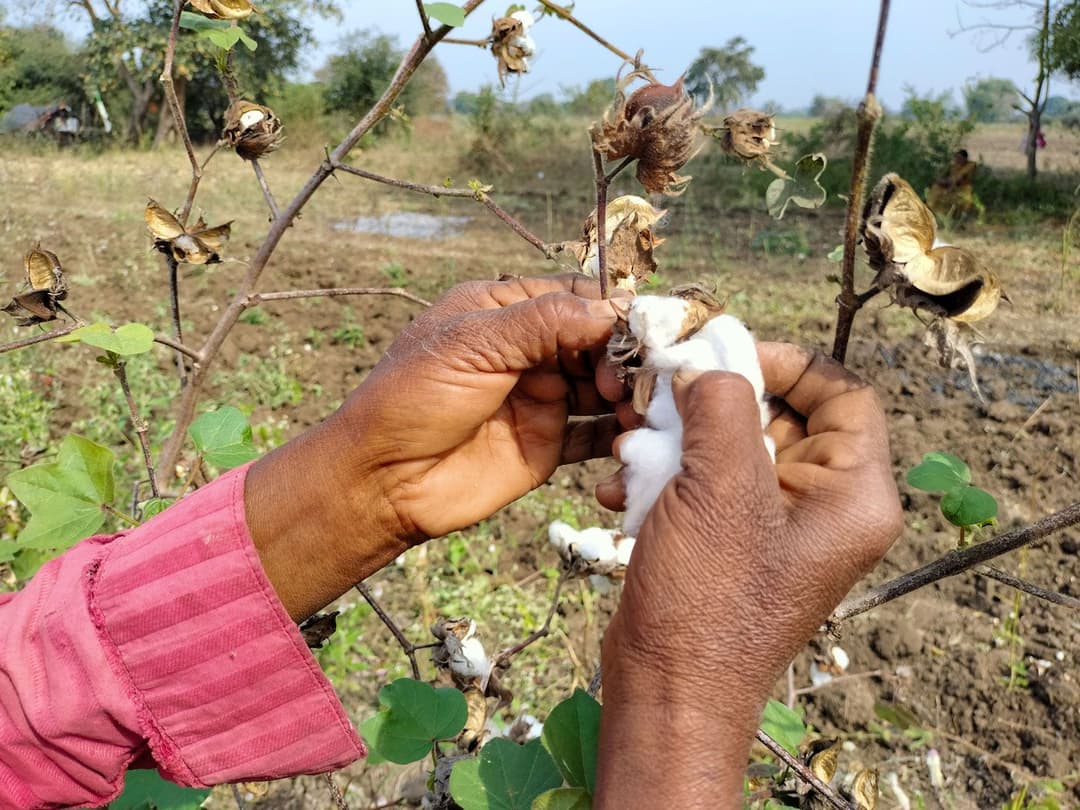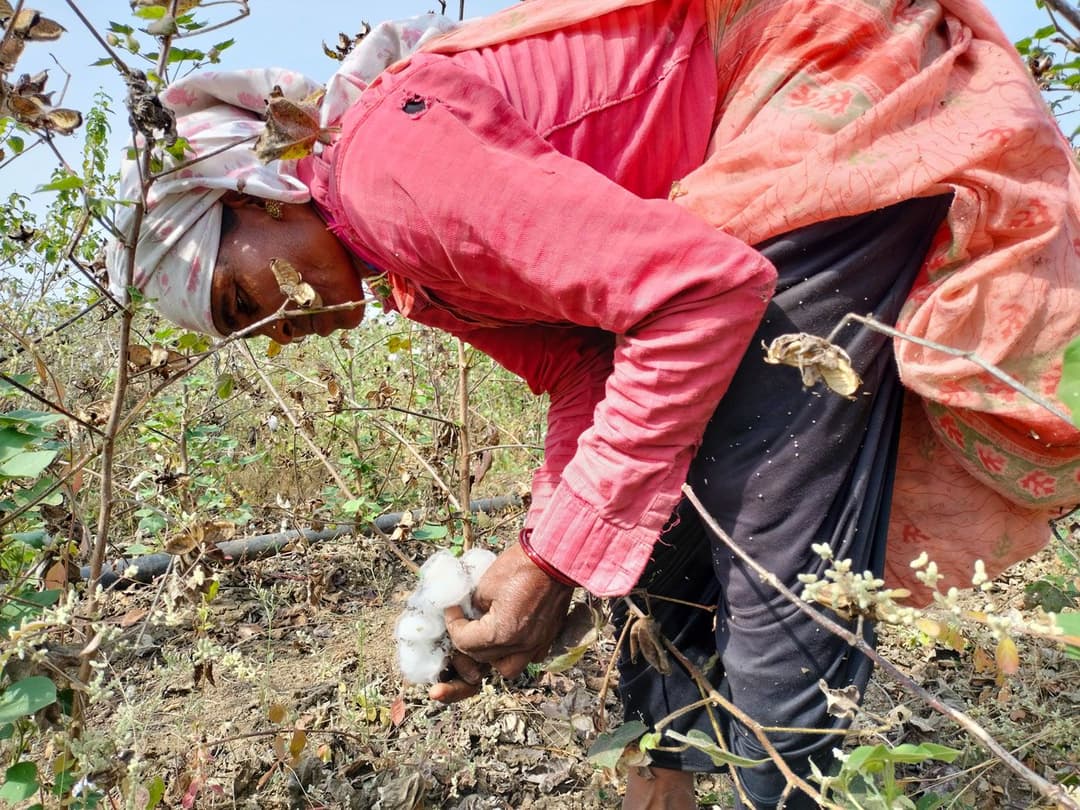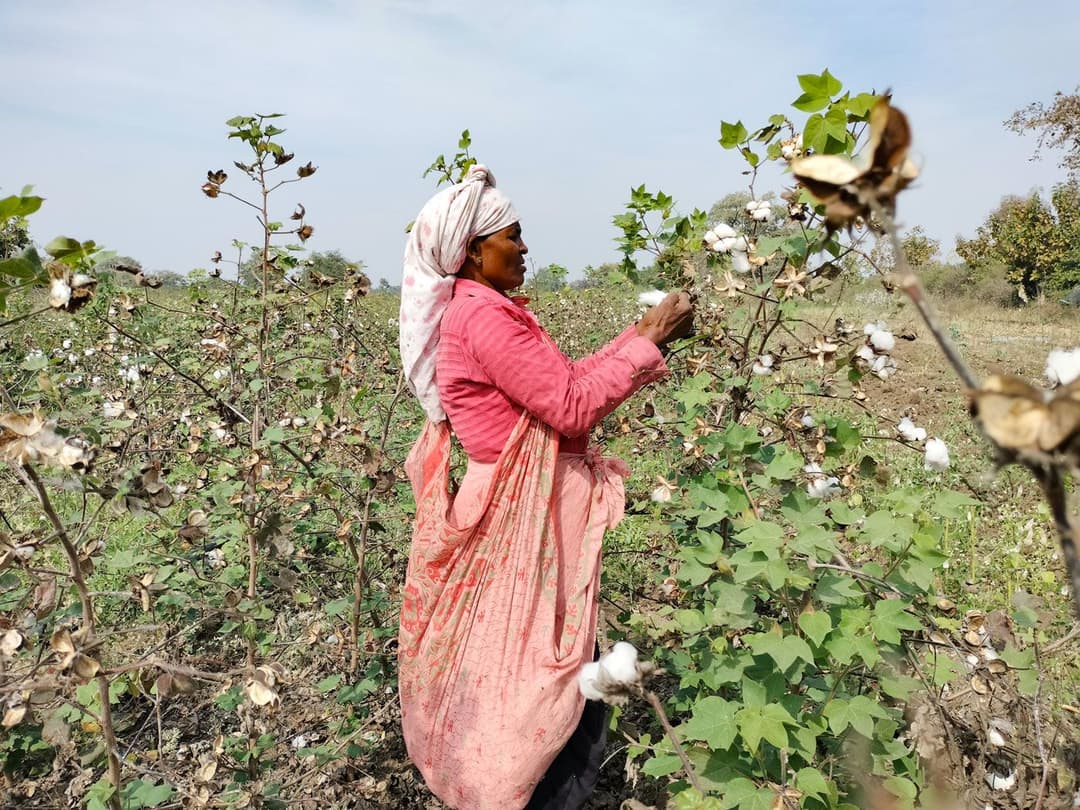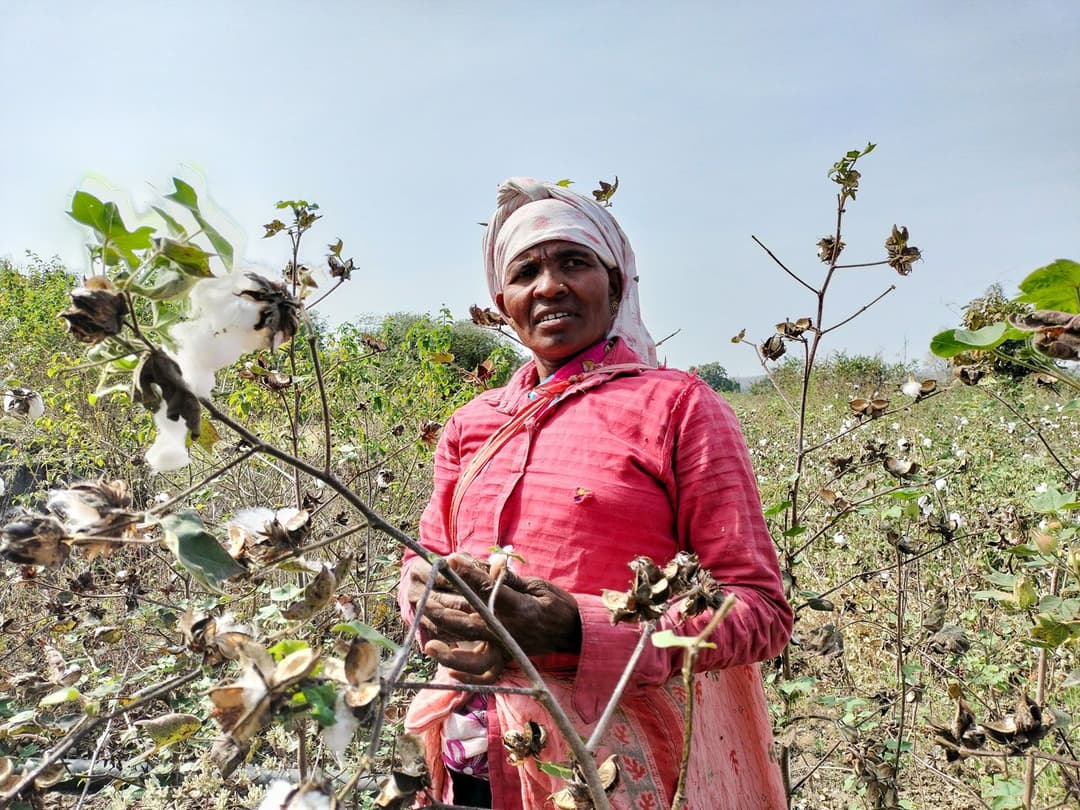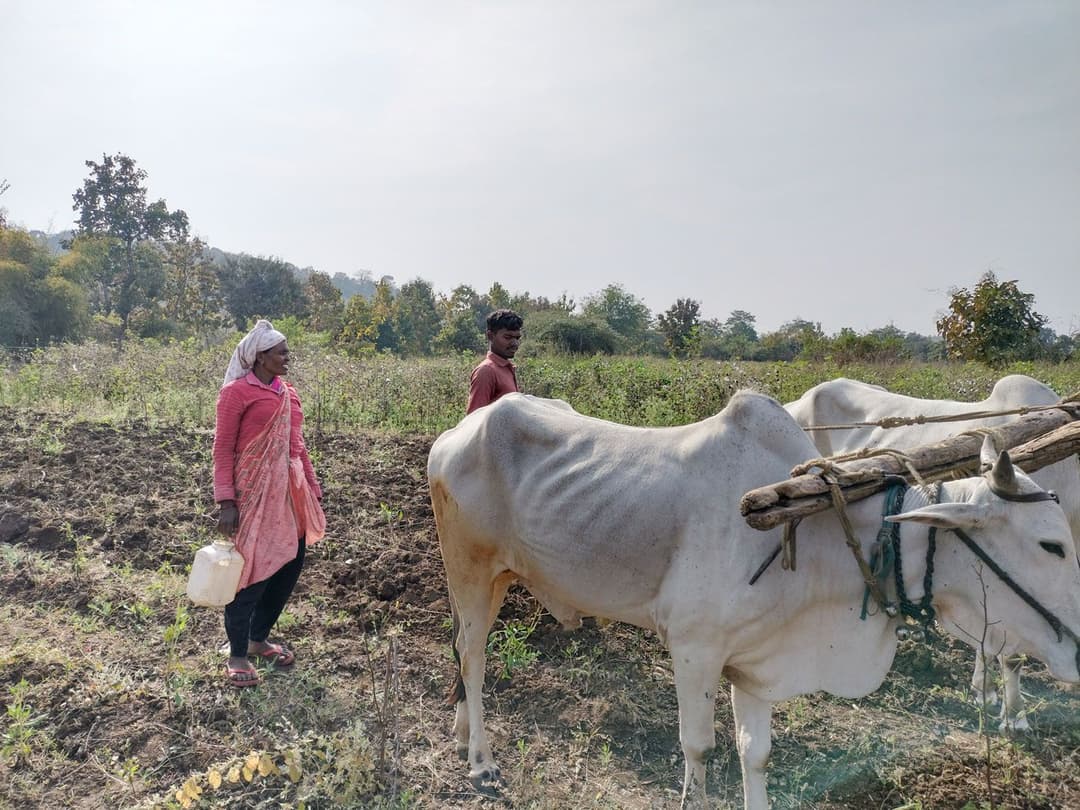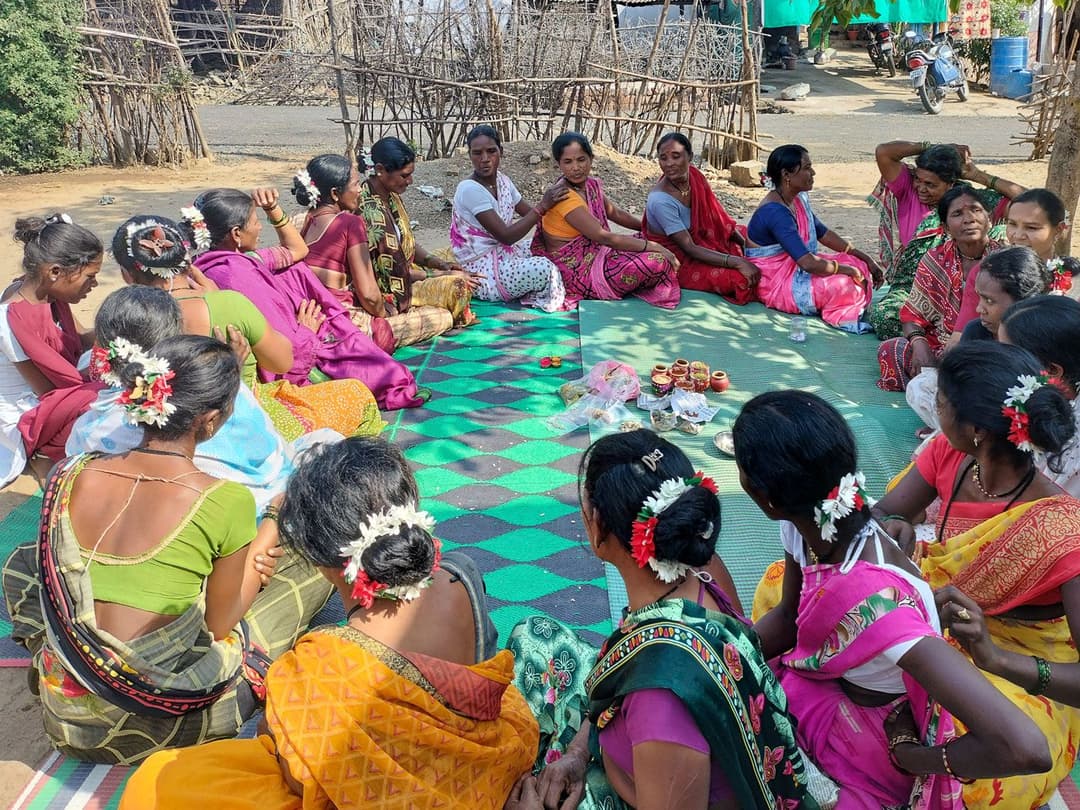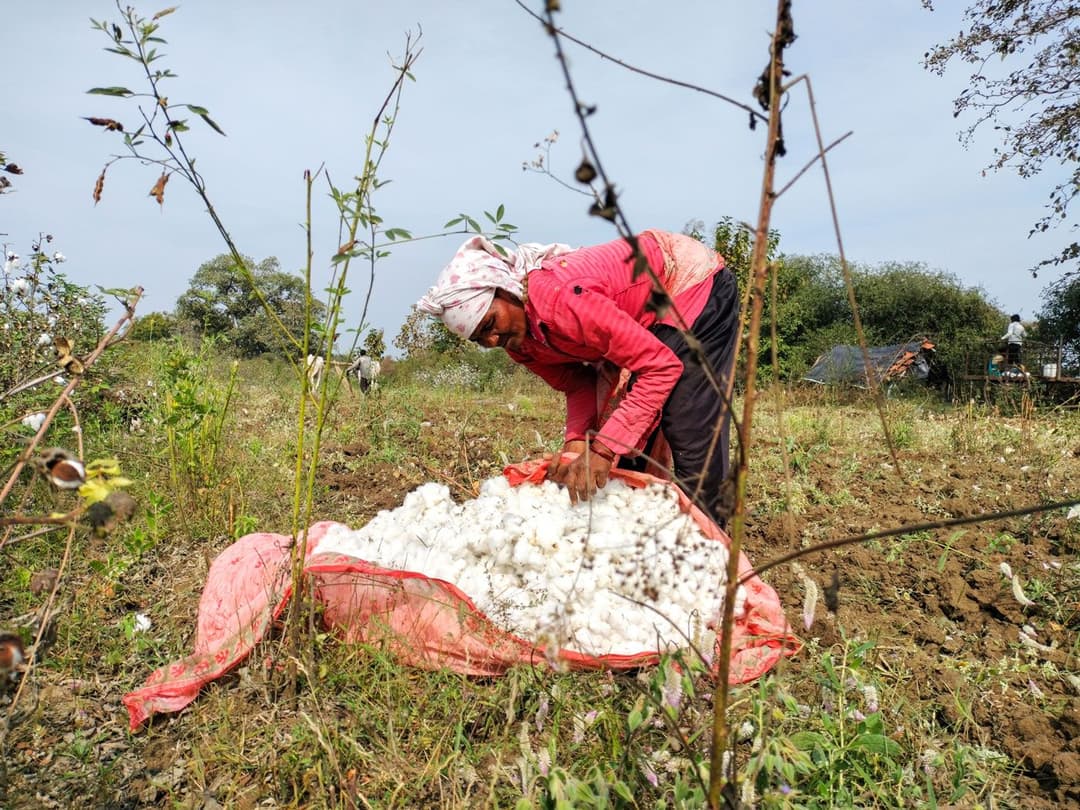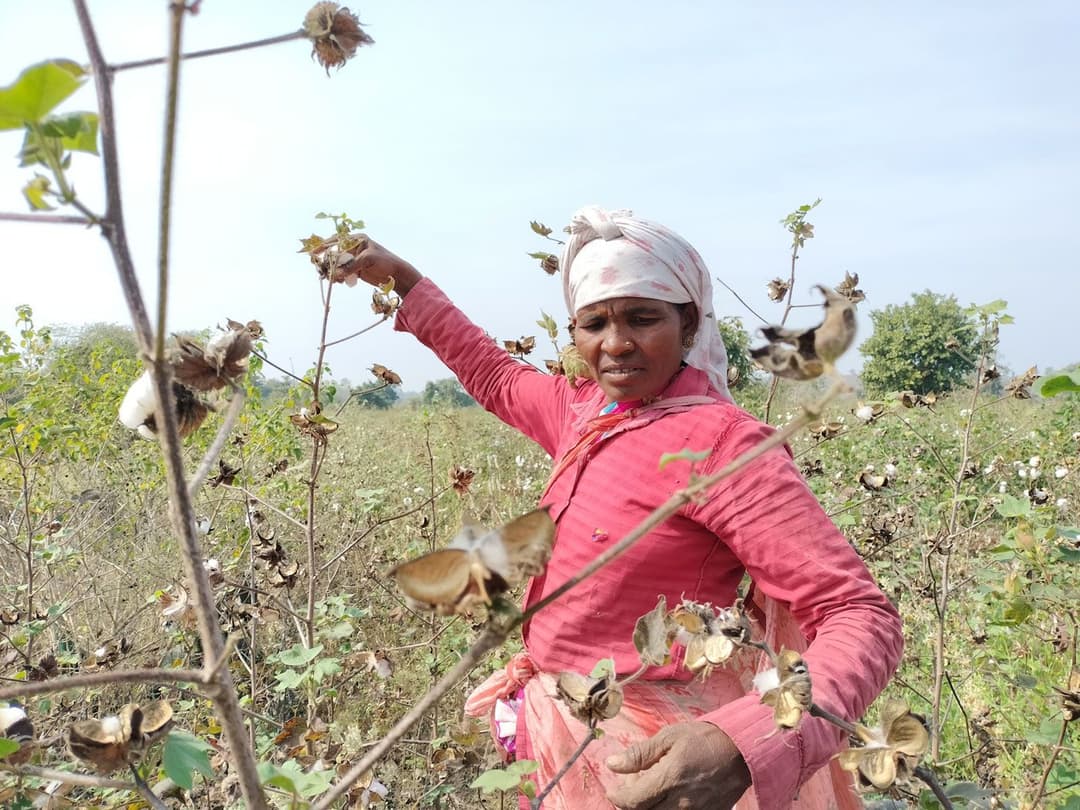
Sunita Bhurkute’s mother tongue is Kolami, but this cotton farmer spends most of her day speaking in Marathi. “To sell our cotton we have to know the market language,” she says.
Growing up in Maharashtra’s Yavatmal district, her Kolam Adivasi family spoke their language Kolami at home. Sunita recalls how her grandparents at her maher (natal home) in Sur Devi pod (hamlet) struggled to speak the local language, Marathi. “They never went to school, they would stammer and speak [Marathi] in broken sentences,” she says.
But as more members of the family ventured into local markets to sell cotton, they picked up the language. Today, everyone in her pod in Bhulgad village, all Kolam Adivasis, are multilingual: they speak Marathi, a few sentences of Hindi, and of course, Kolami.
Kolami is a Dravidian language predominantly spoken in Maharashtra, Andhra Pradesh, Telangana and Chhattisgarh. According to UNESCO’s Atlas of the World's Languages in Danger, it is classified as ‘definitely endangered’ – a categorisation indicating it is no longer learned as a mother tongue by children.
“Pan amchi bhasha kami hot nahi. Amhi wapartat [But our language is not dying, we use it]!” argues the 40-year-old Sunita.