The names of all persons quoted here, except the government official, have been changed to protect their identities; for the same reason, their villages too have not been named. This is part two of a two-part story.
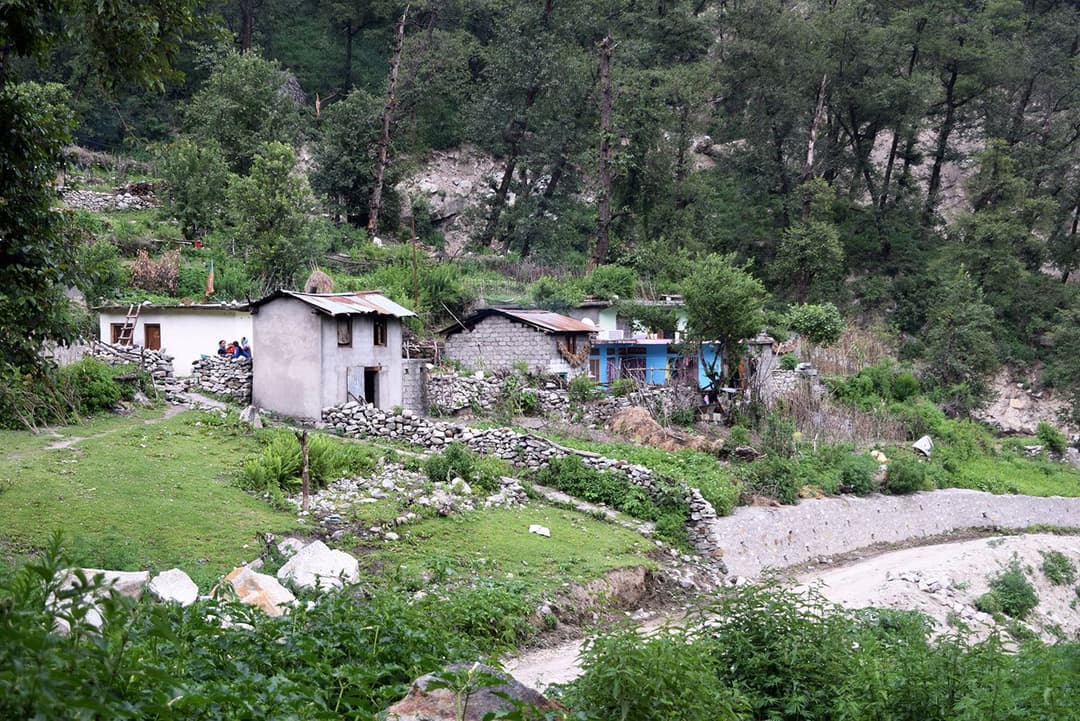
“Keeda jadi has transformed lives here,” Sunil Singh says, while driving the taxi in which we are travelling. The 23-year-old has been plying the vehicle for two years, carrying passengers from nearby villages to Dharchula, where they go to school or college, the market or healthcare centre. Dharchula block is in Pithoragarh district of Uttarakhand, just a few metres from the India-Nepal border.
Sunil purchased the taxi, a Bolero, with the Rs. 3.5 lakhs he saved from selling the expensive keeda jadi fungus, and by taking a bank loan. He has been going with his family to pick the fungus since he was around eight years old, and is repaying the loan from those earnings.
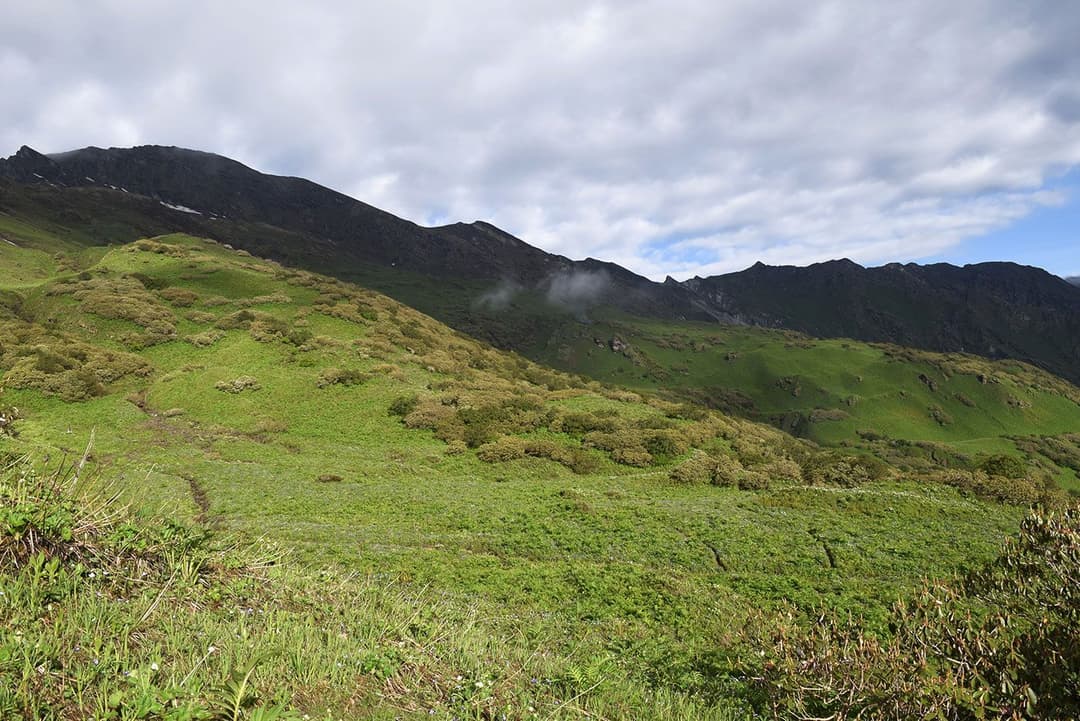
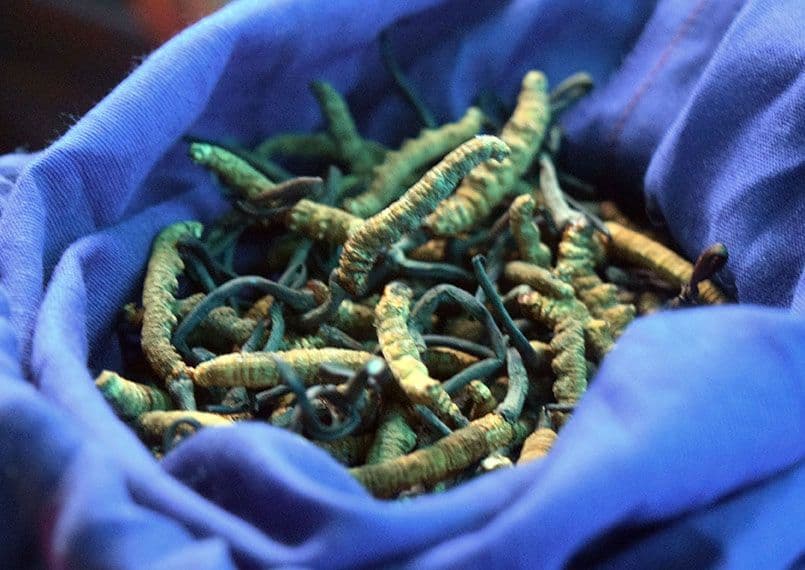
The ‘caterpillar fungus’ or keeda jadi grows in the alpine meadows of the Tibetan Plateau at an altitude of 3,500 to 5,000 metres. Known as the ‘Himalayan Viagra’ for its aphrodisiacal properties, the fungus – called yarsagumba in China – is also a valued ingredient in traditional Chinese medicine. One kilo of top-grade keeda jadi can sometimes fetch as much as Rs. 12 lakhs in an illegal cross-border trade. Most of the fungus harvested and sold in Uttarakhand is smuggled by agents to Nepal and then to China.
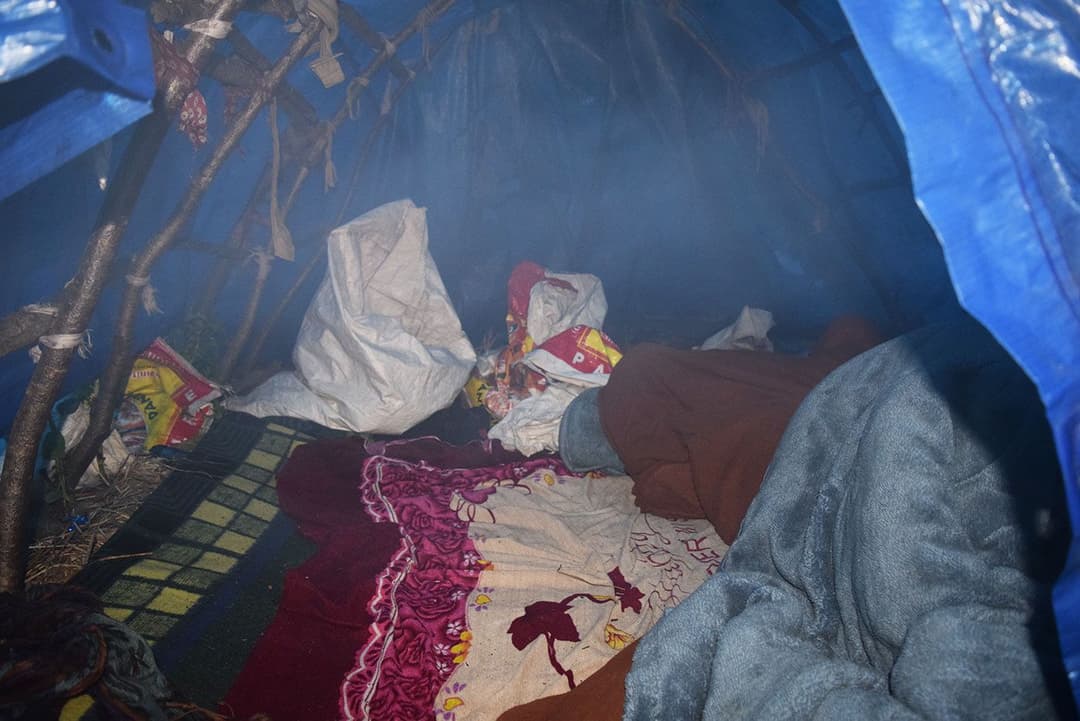
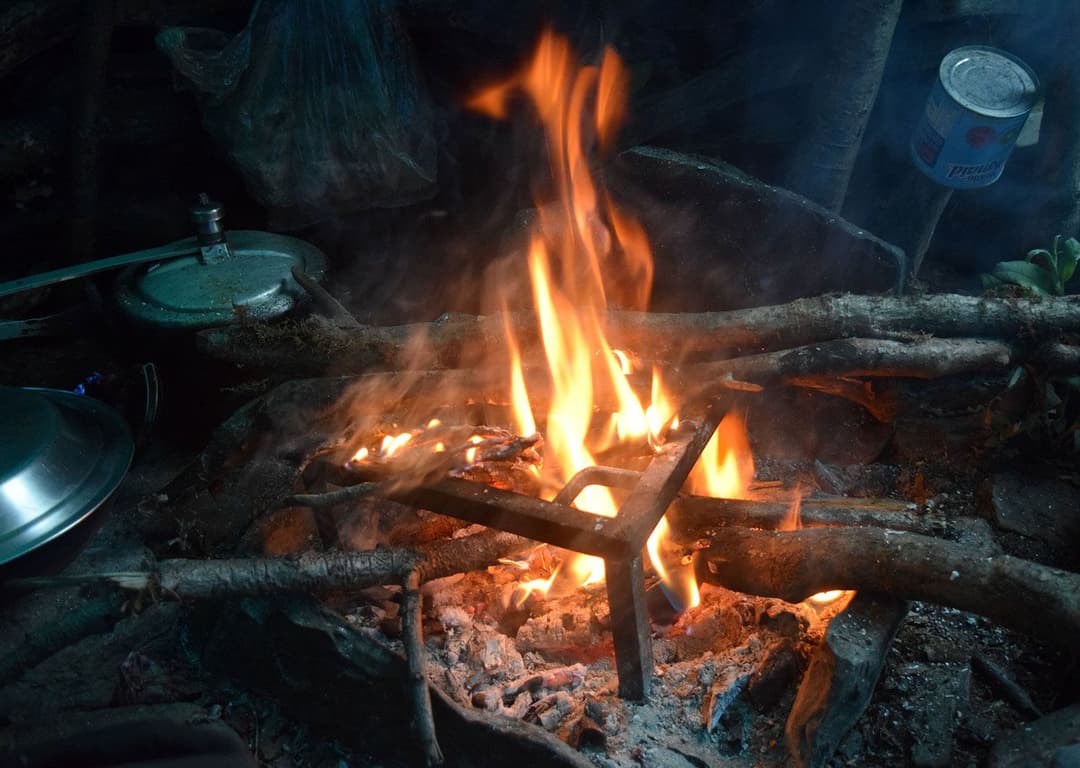
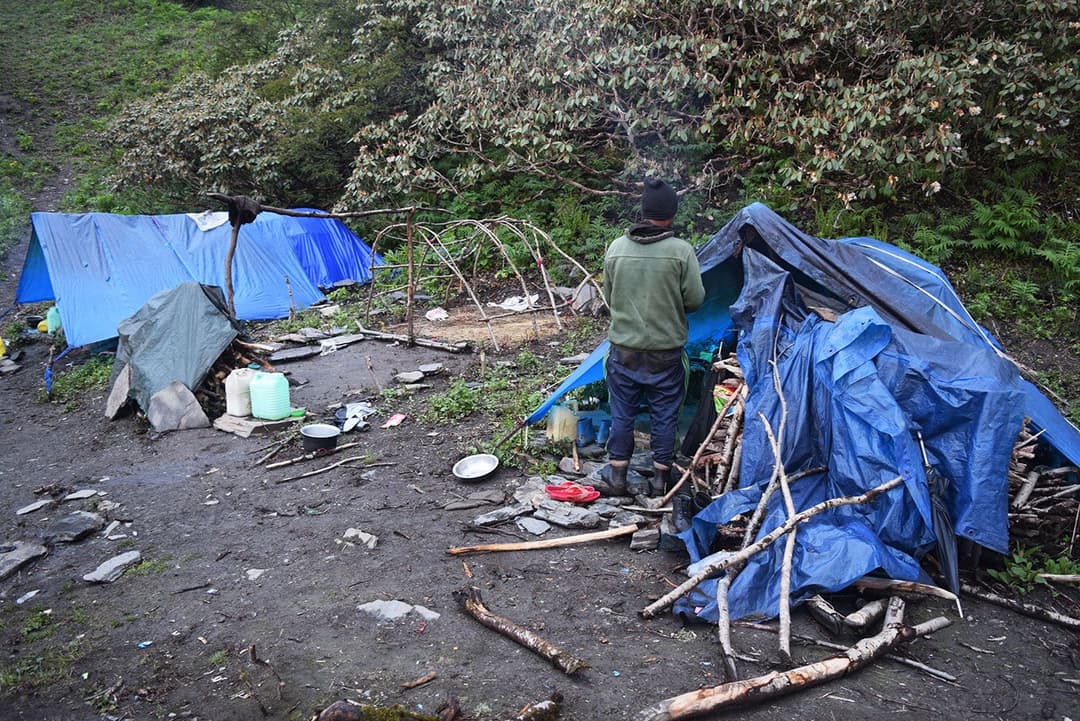
The fungus harvesting season in Uttarakhand’s high-altitude border districts of Pithoragarh and Chamoli starts in early May and ends by the middle or end of June, with the arrival of the monsoon. Entire families move to the meadows, staying in tents for weeks, working long and arduous hours to collect the fungus. (See A fungus is financing families in Pithoragarh)