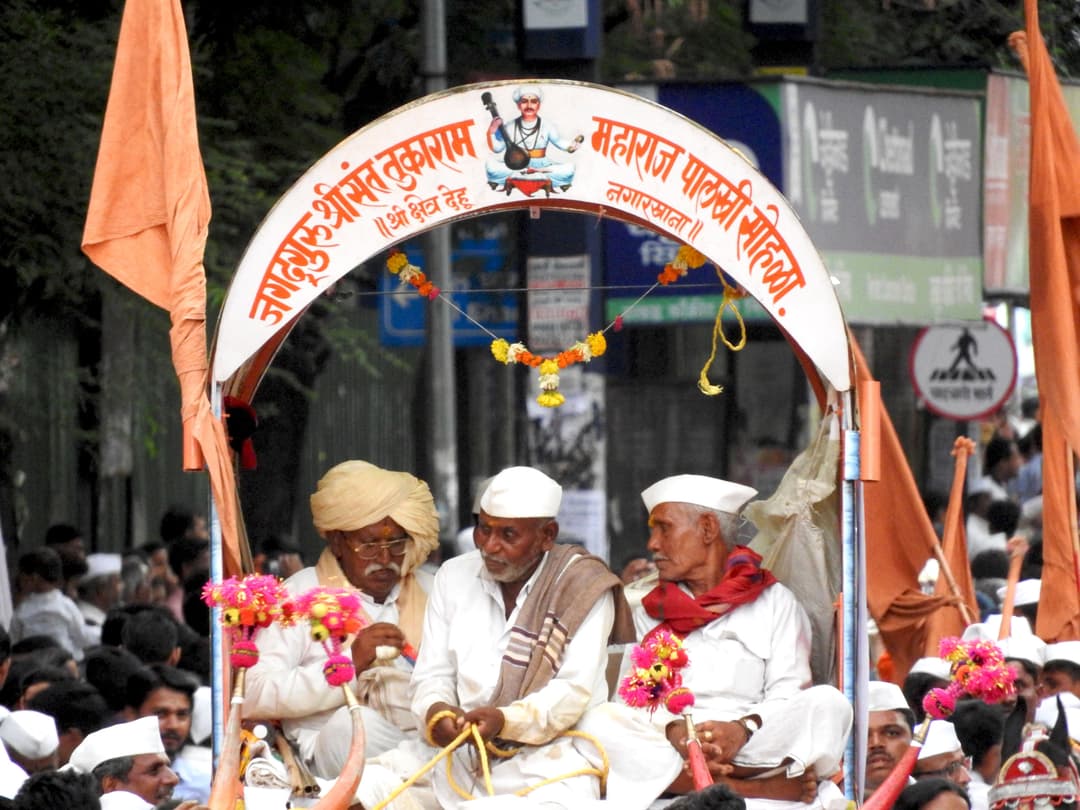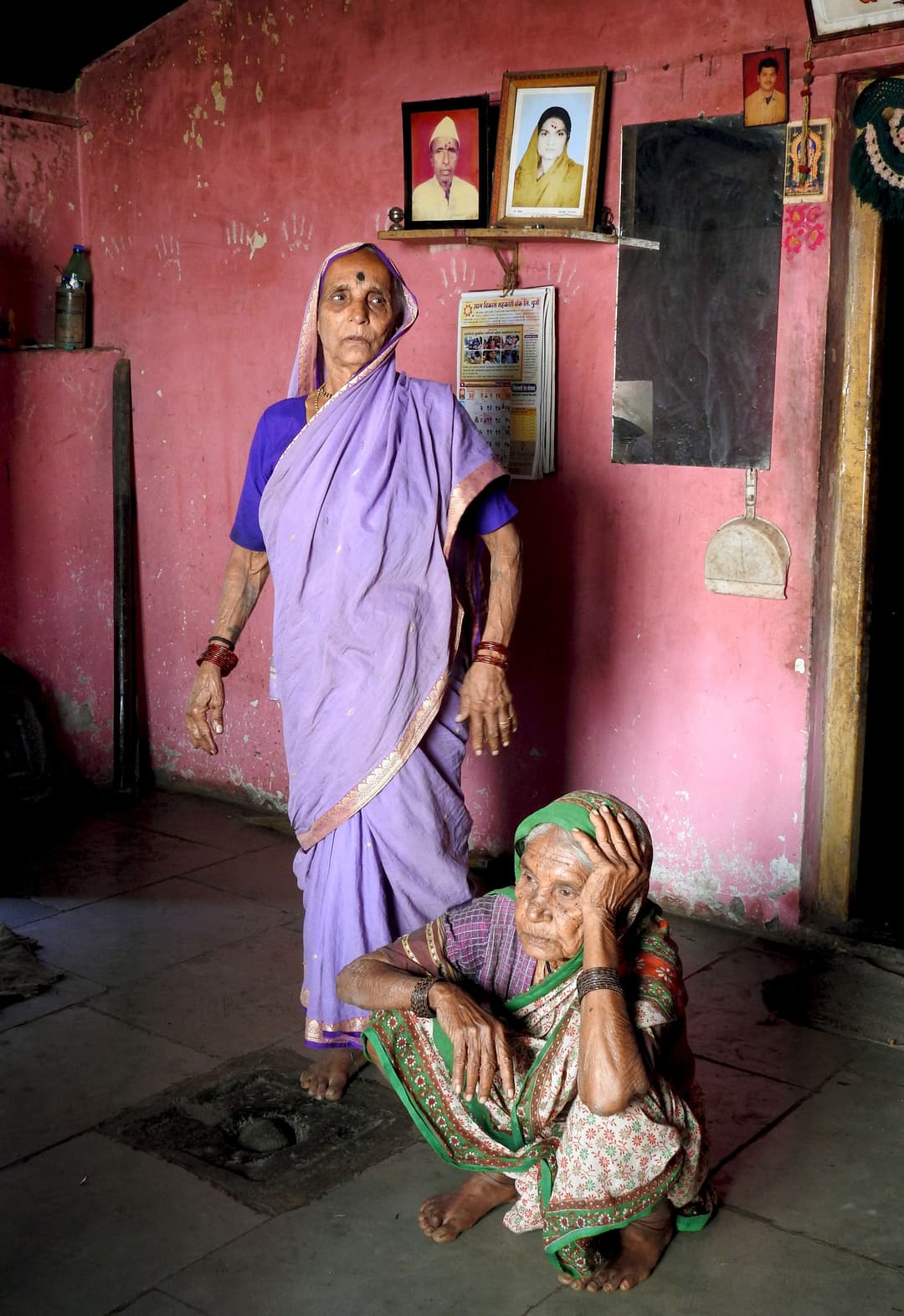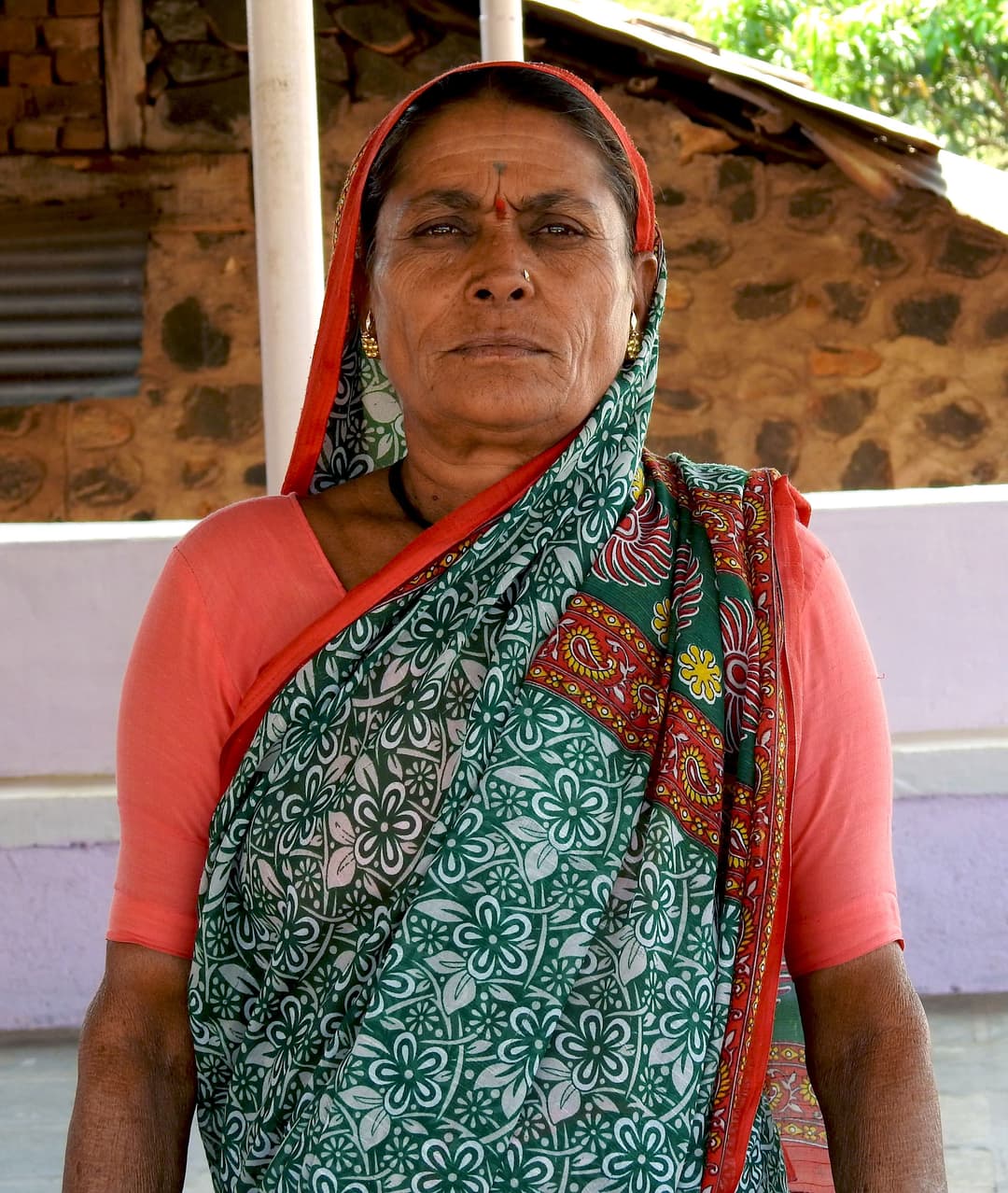

The ‘wari’, a procession of pilgrims, is on its way to Pandharpur this week. In this instalment of the Grindmill Songs Project, four singers from Kolavade village in Pune district sing 10 couplets about the poet-saints revered by the pilgrims, Dnyaneshwar and Tukaram, and their towns, Alandi and Dehu
The poet-saints Dnyaneshwar (13th century) and Tukaram (17th century) lived on this earth some 300 years apart, but their place in the mind and heart of a warkari is close together. Such was their influence that even centuries later the warkaris go on a pilgrimage to Pandharpur to honour the reformists.
Both poet-saints were rooted in the progressive Bhakti movement. Both believed in the equality of human beings and rejected the divisions of a caste-dominated society. This angered the Brahmanical elite, but also brought the poets the steadfast devotion of everyday people who identified with their thoughts and were influenced by their works.
In his book Punha Tukaram (Tukaram once again) written in Marathi, poet and critic Dilip Chitre (1938-2009) writes that Tukaram’s poetry was influenced by Dnyaneshwar and Namdev (also a 13th century poet). Tukaram Gatha , the collection of the poet-saint’s work, has strong elements about the lives of the rural folk of Maharashtra, their oral traditions, and the everyday experiences of farmers and people whose occupations are connected to agriculture.
Dnyaneshwar’s two major works are the Dnyaneshwari, a commentary in Marathi on the Bhagavad Gita, and the Anubhavamrut, which was translated into English by Chitre as Anubhavamrut: The Immortal Experience of Being.
Every year, in the month of Ashadh (June/July), a 21-day procession – a wari – starts from Alandi and Dehu in Pune district in honour of the two poet-saints. It goes on to Pandharpur, the temple town of Lord Vitthal in Solapur district. (Read more about this journey and the Bhakti movement in last week’s edition of the grindmill songs on PARI: The pilgrims’ progress ).