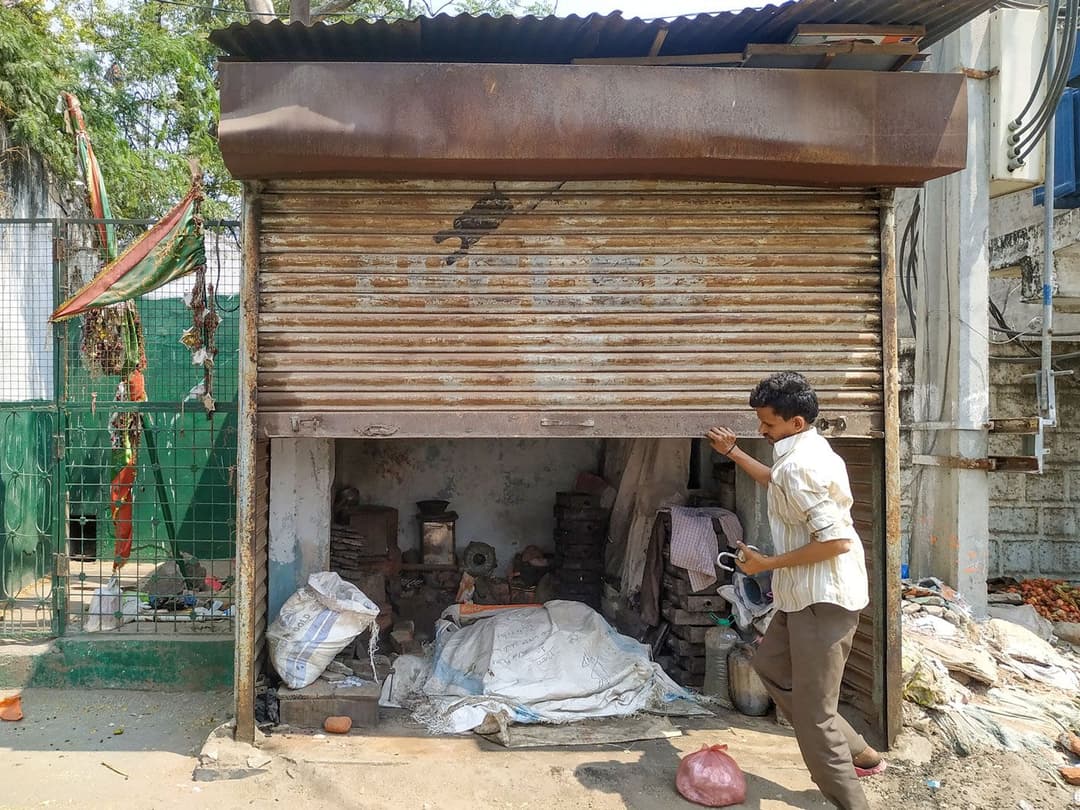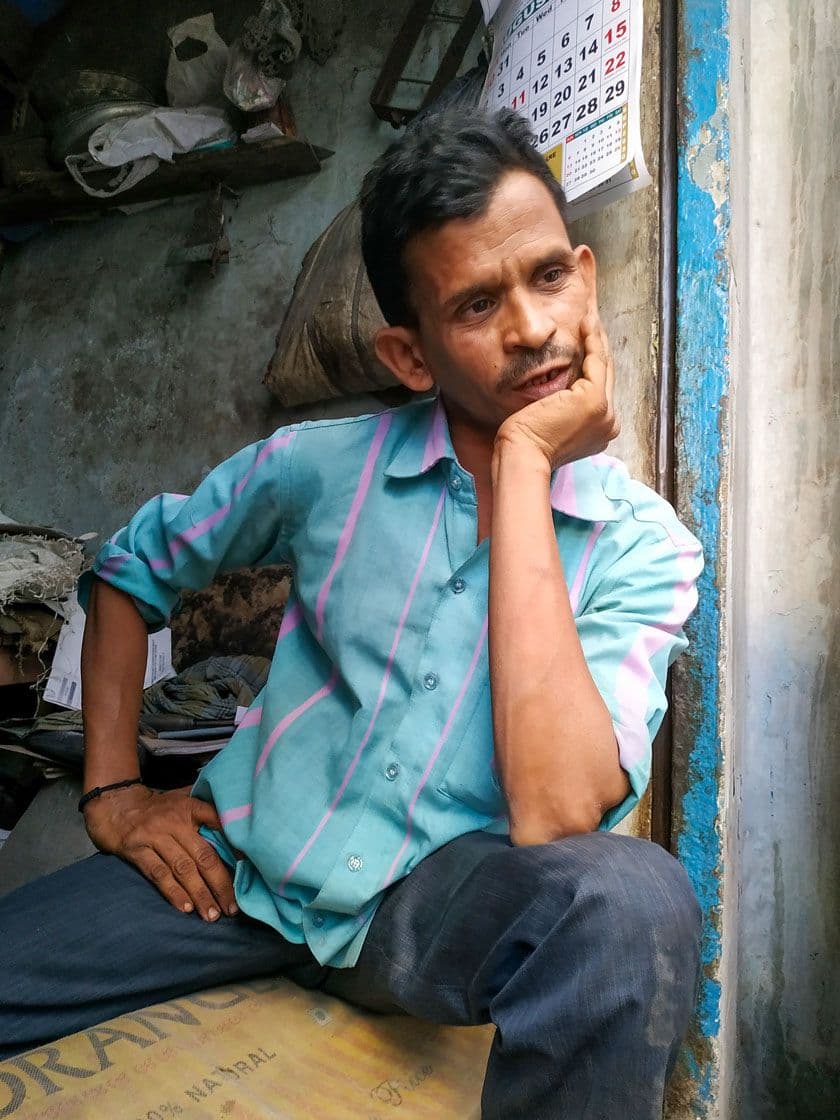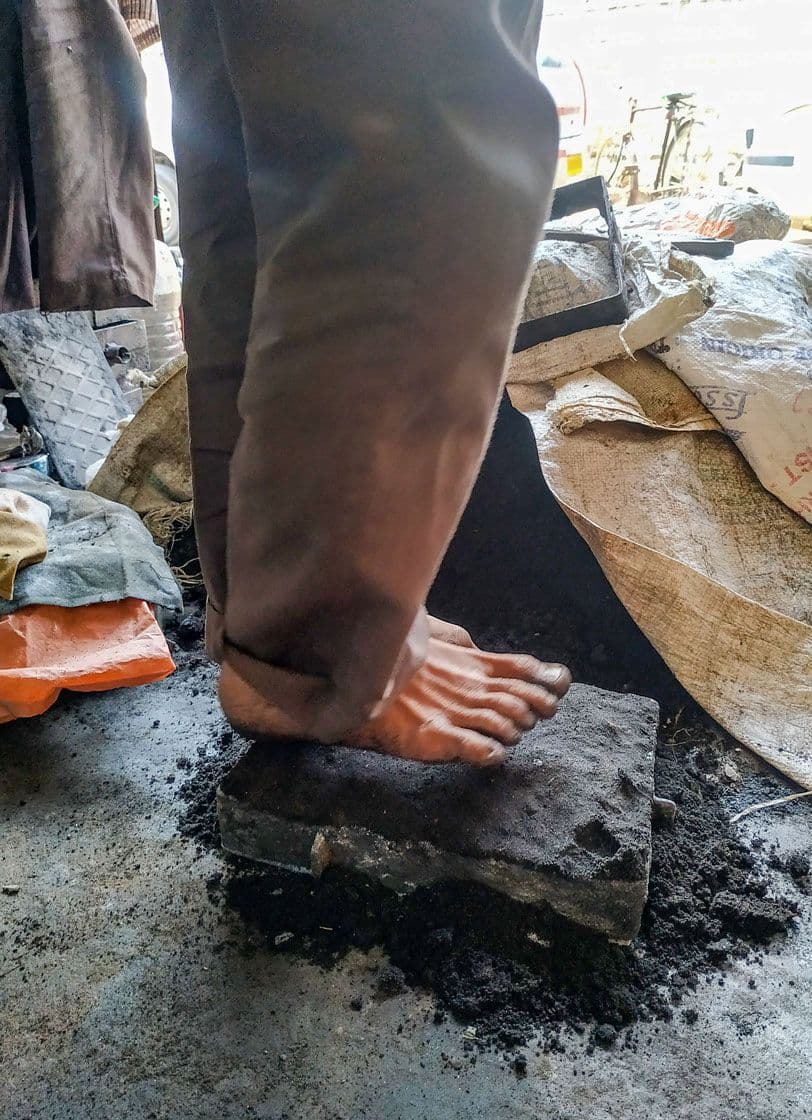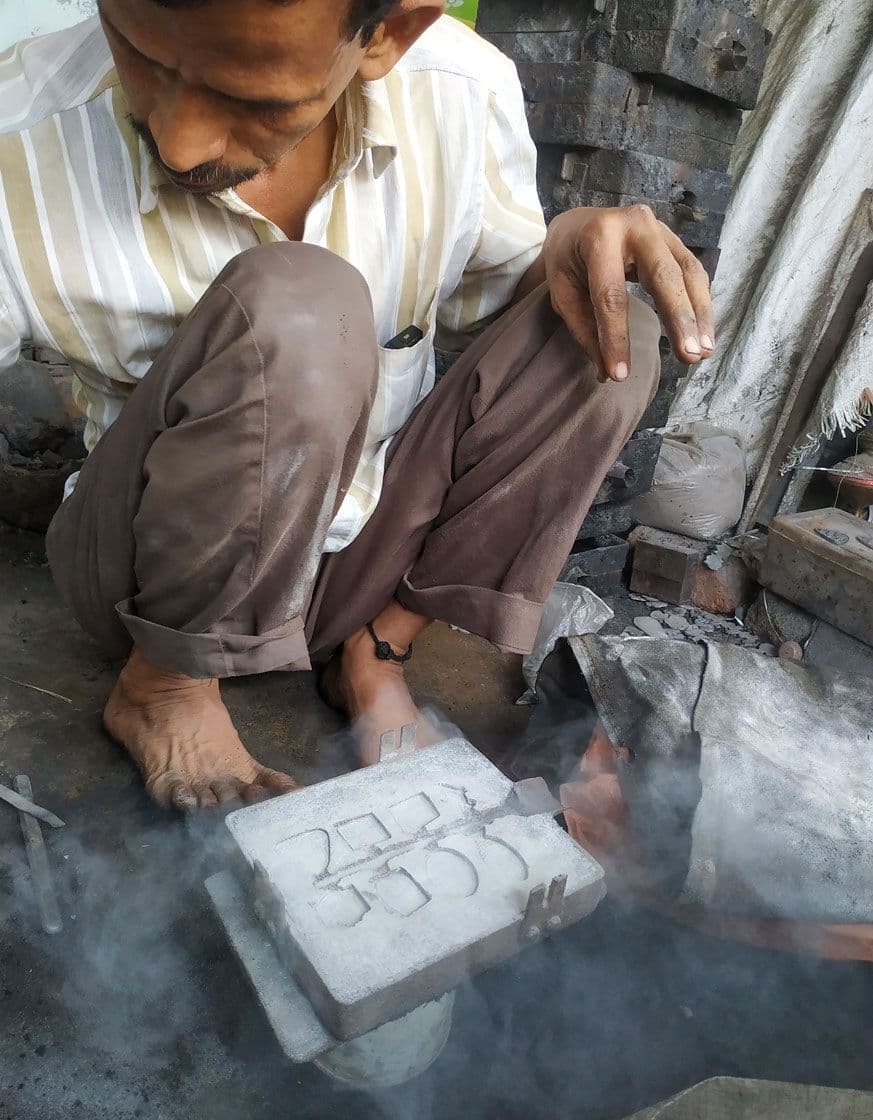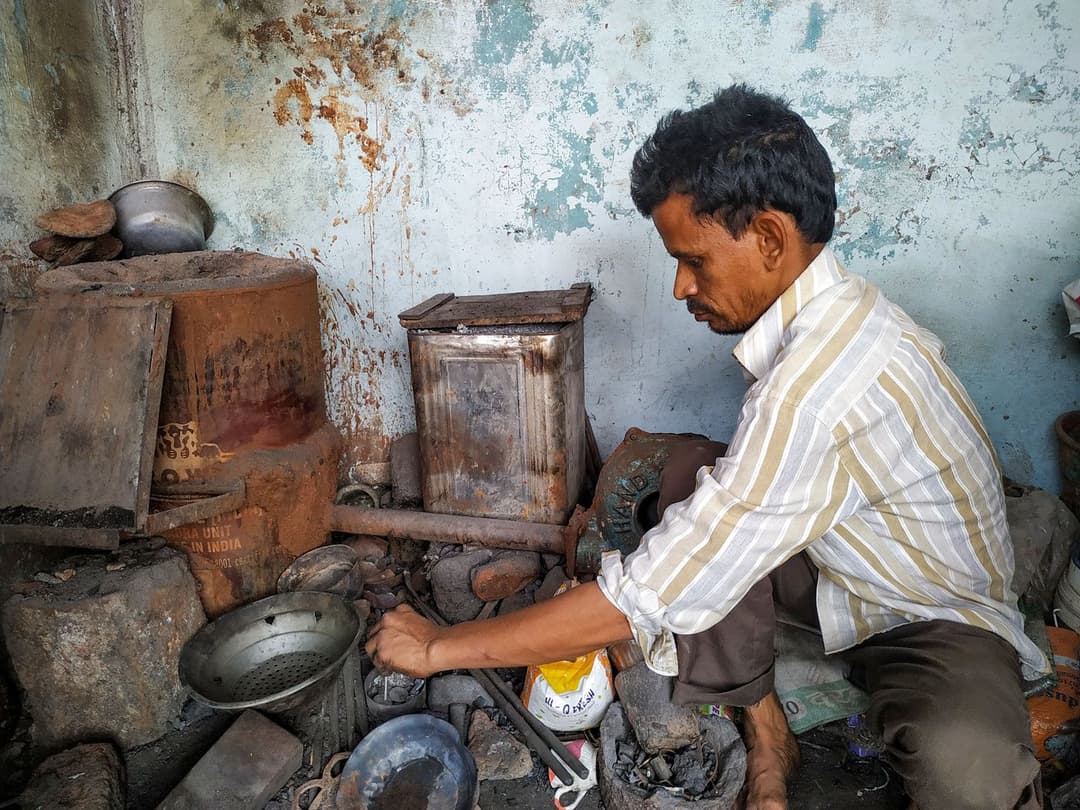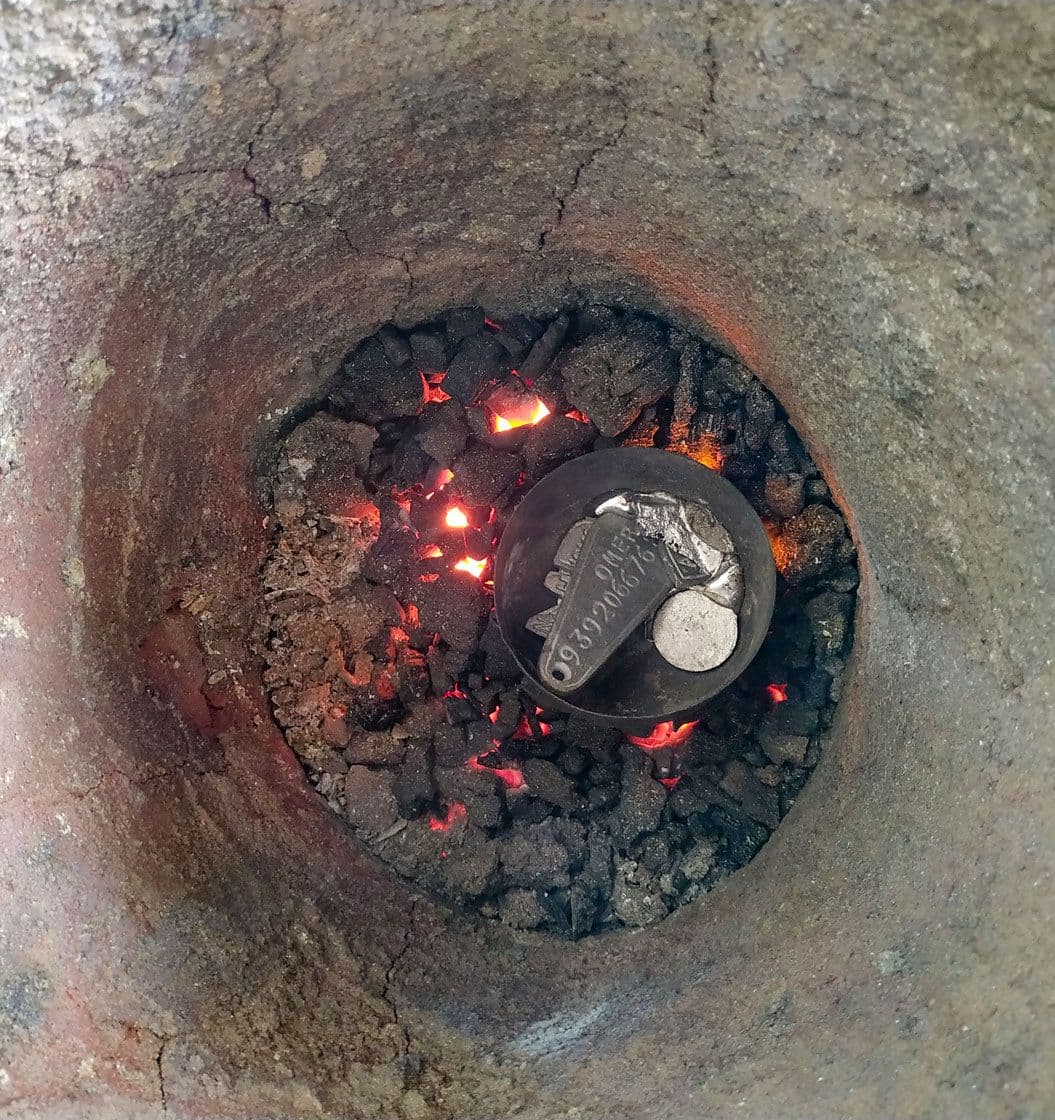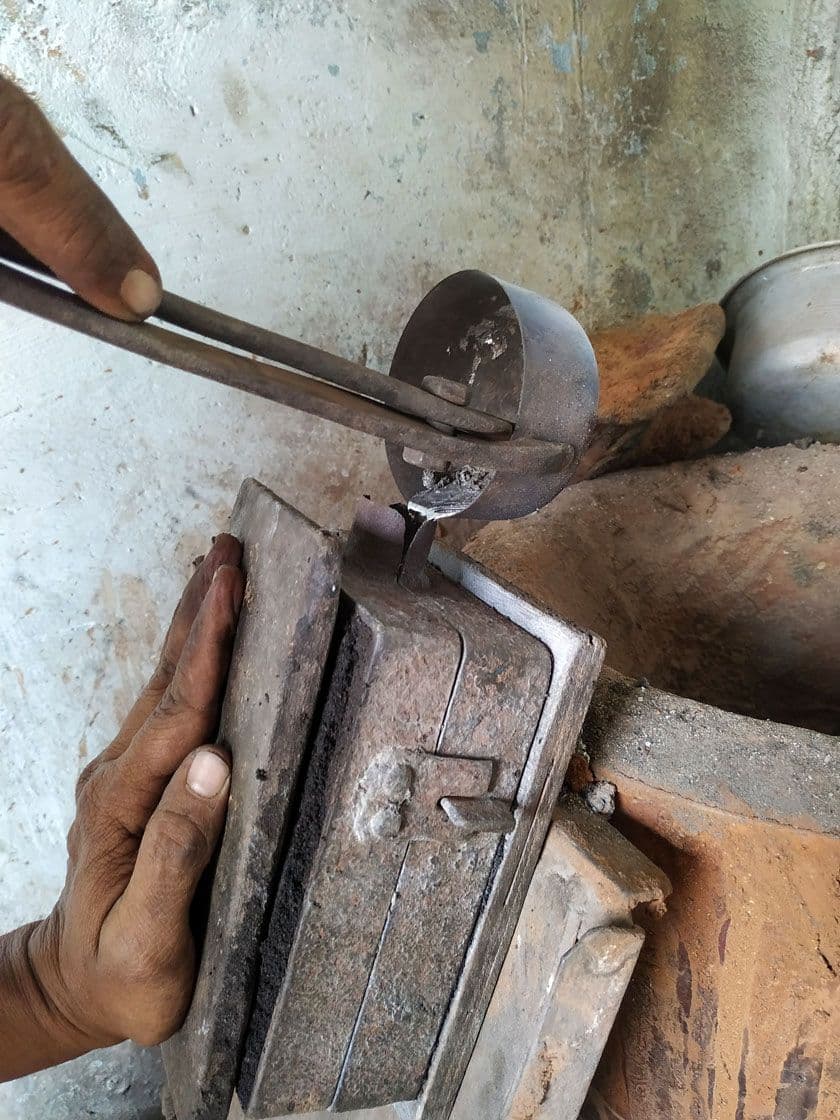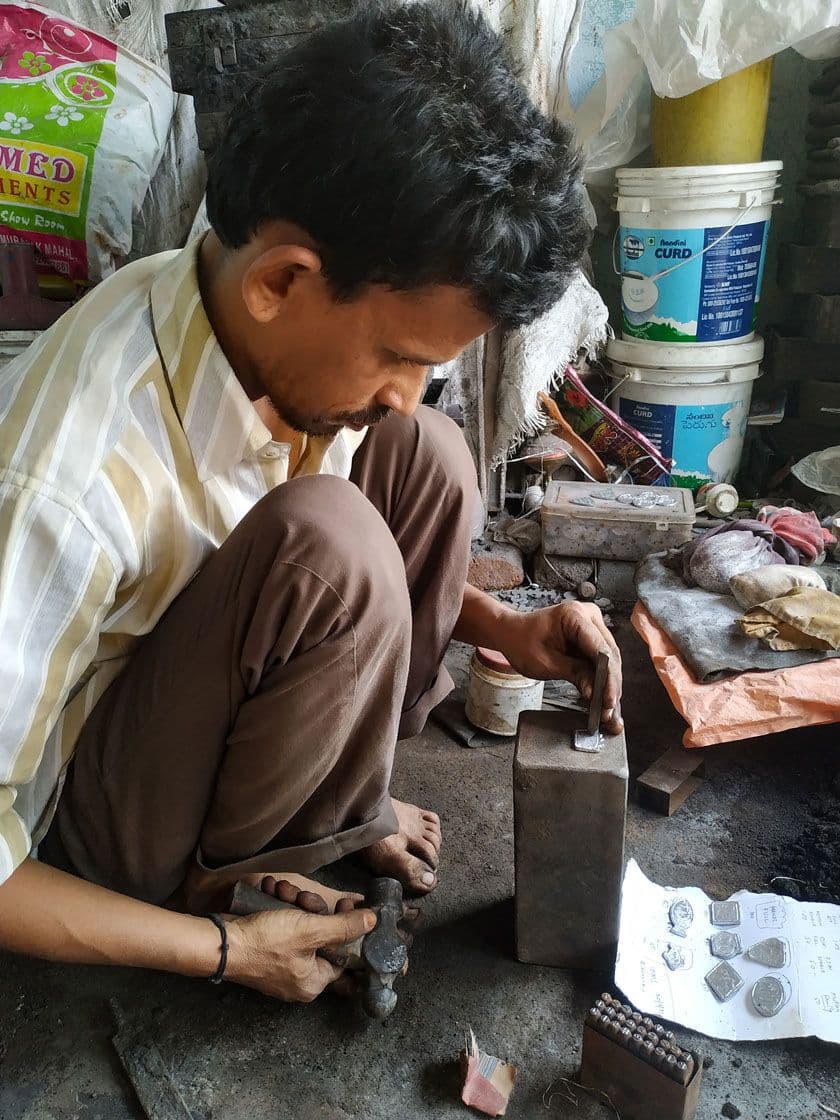


There is no name board above the workshop. “Yeh to ek gumnam dukaan hai [It’s just an anonymous shop],” says Mohammed Azeem. Inside, the 8x8 feet shed’s asbestos walls are covered with soot and spiderwebs. A small iron and mud furnace stands in a corner, a heap of burnt black soil covered with blue tarpaulin lies at the centre.
Every morning around 7 a.m. Azeem cycles through the narrow lanes of Doodh Bowli in west Hyderabad, and parks his bicycle near this workshop, its rear wall merging into the compound wall of the Hakeem Mir Wazir Ali cemetery.
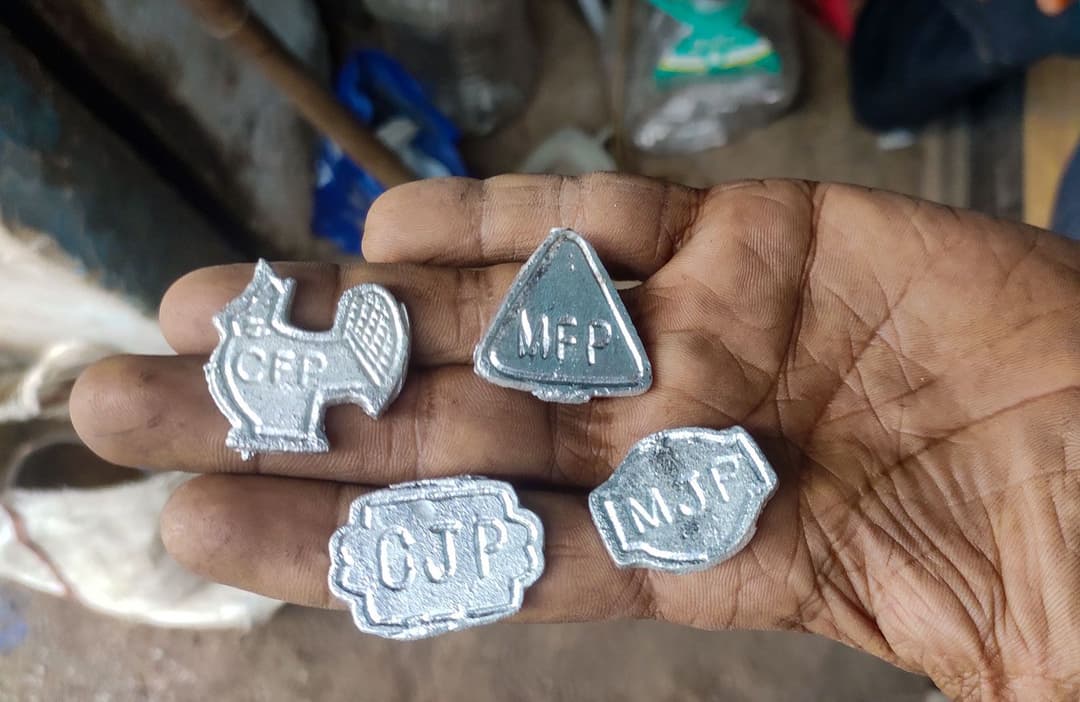
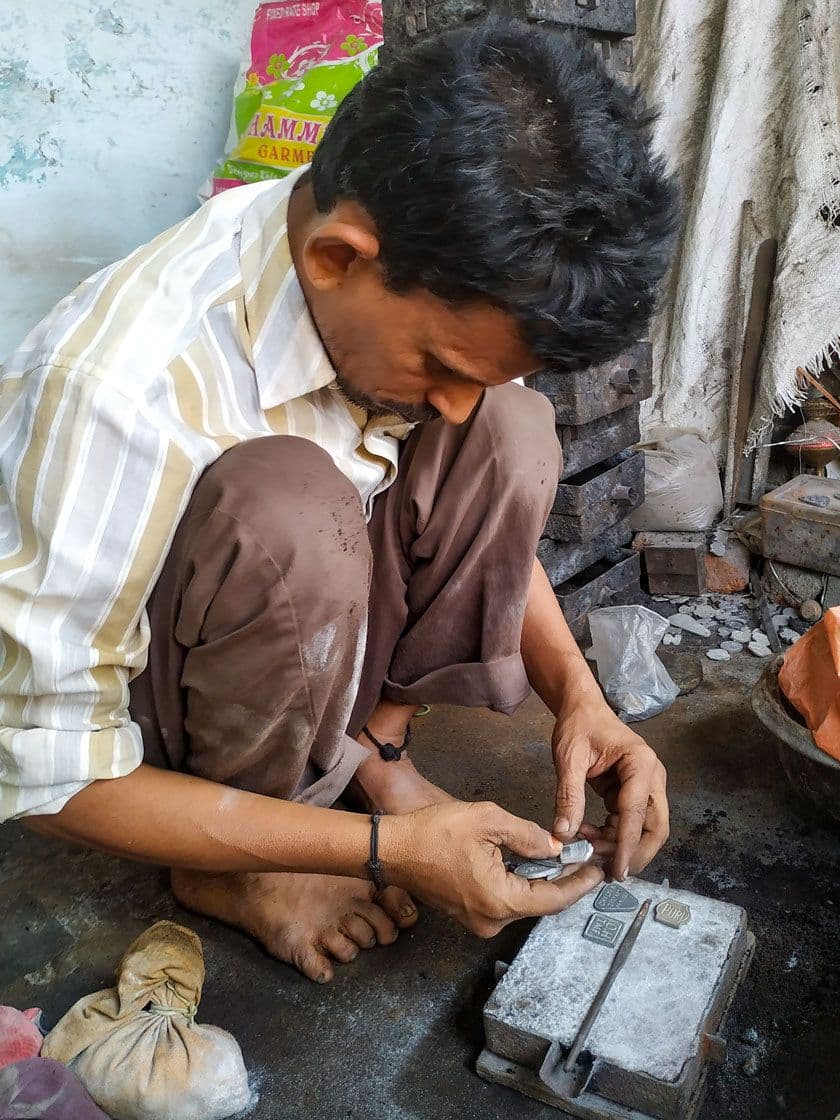
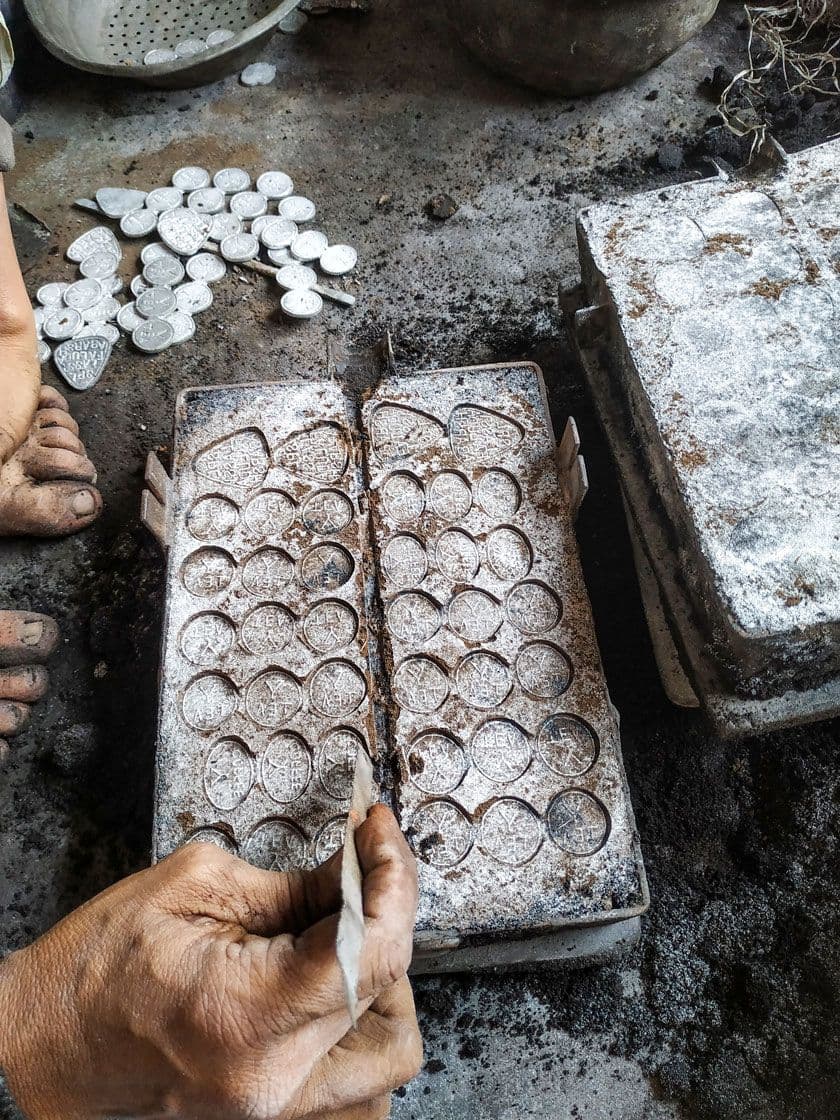
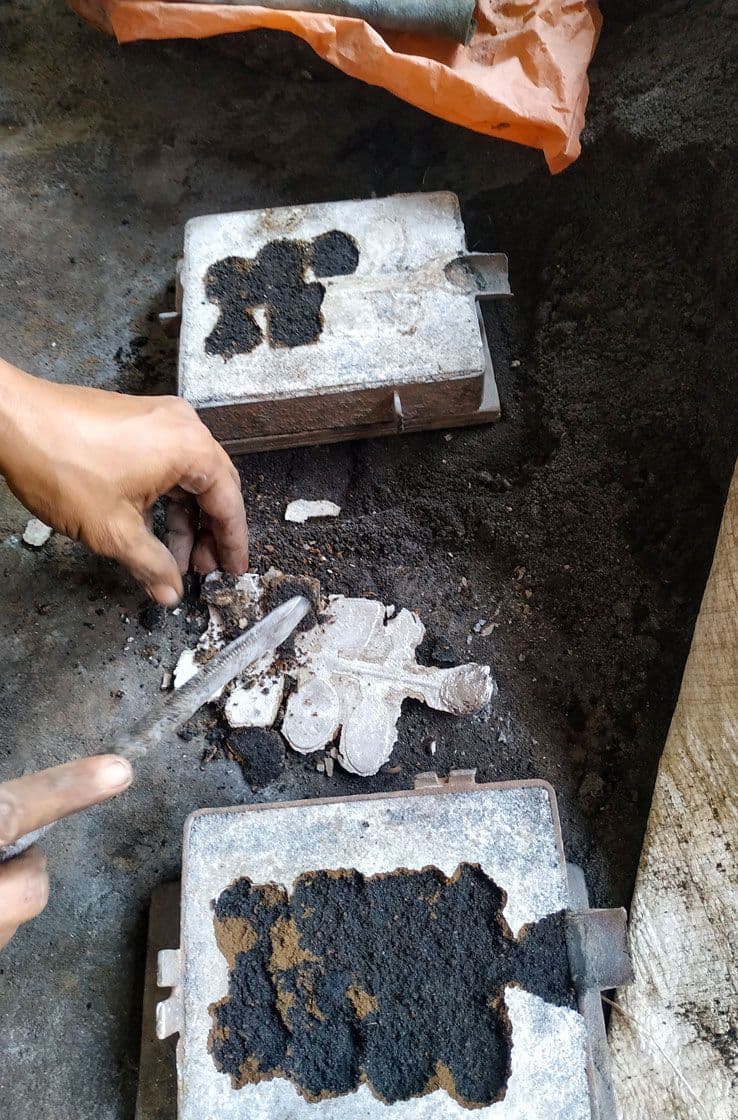
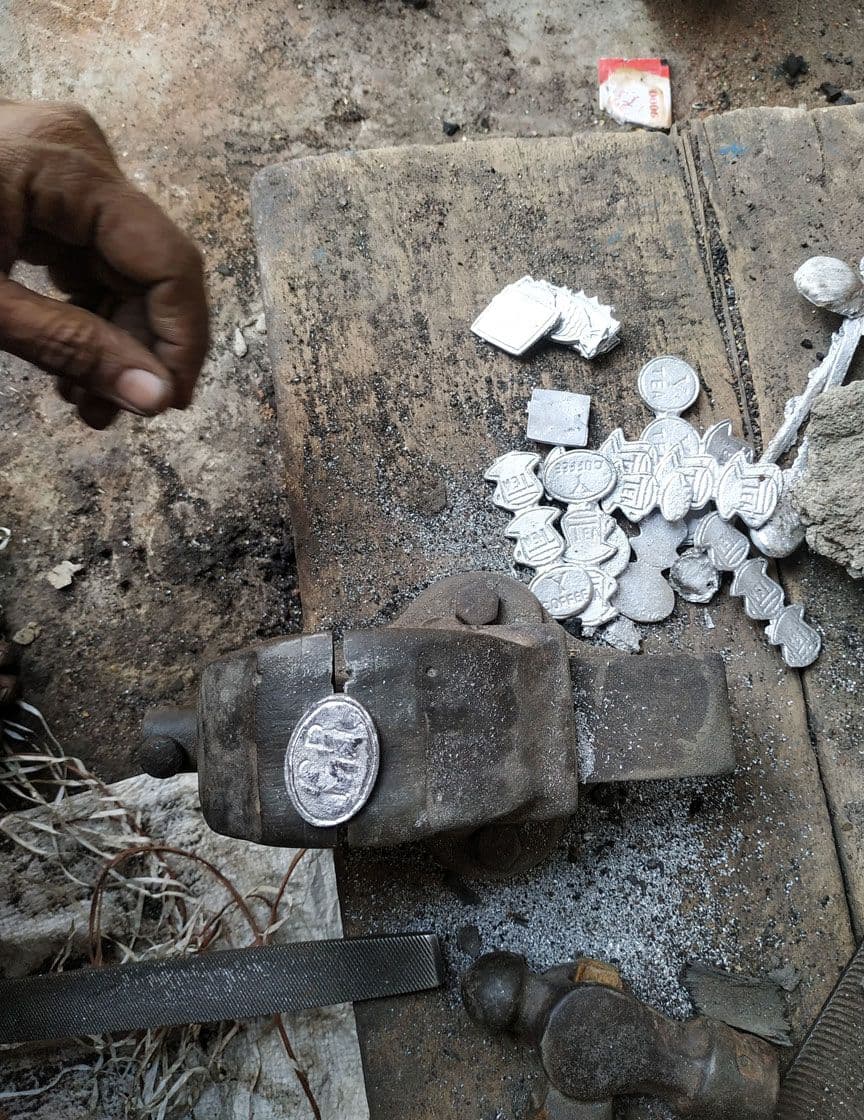
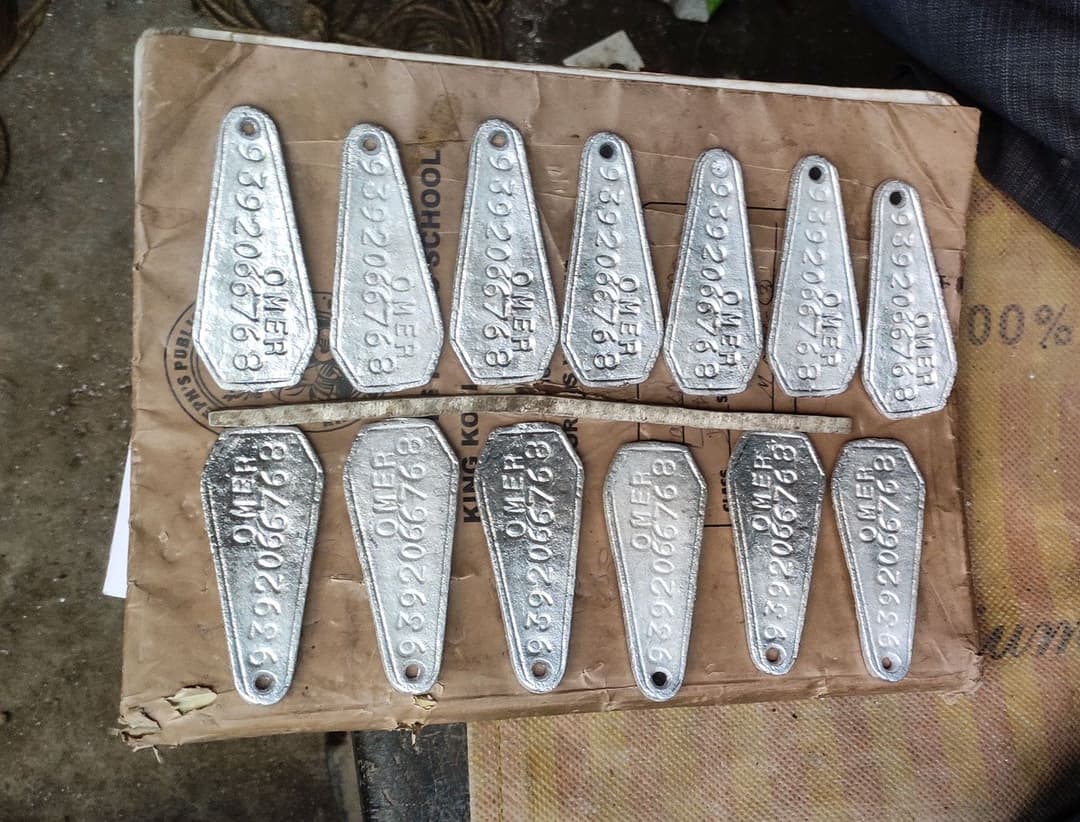
Here, amid dusty plastic containers, rusted metallic boxes, broken buckets, and tools and punches scattered on the floor – with barely any space to work – he begins his workday, painstakingly making sand-cast metal tokens.
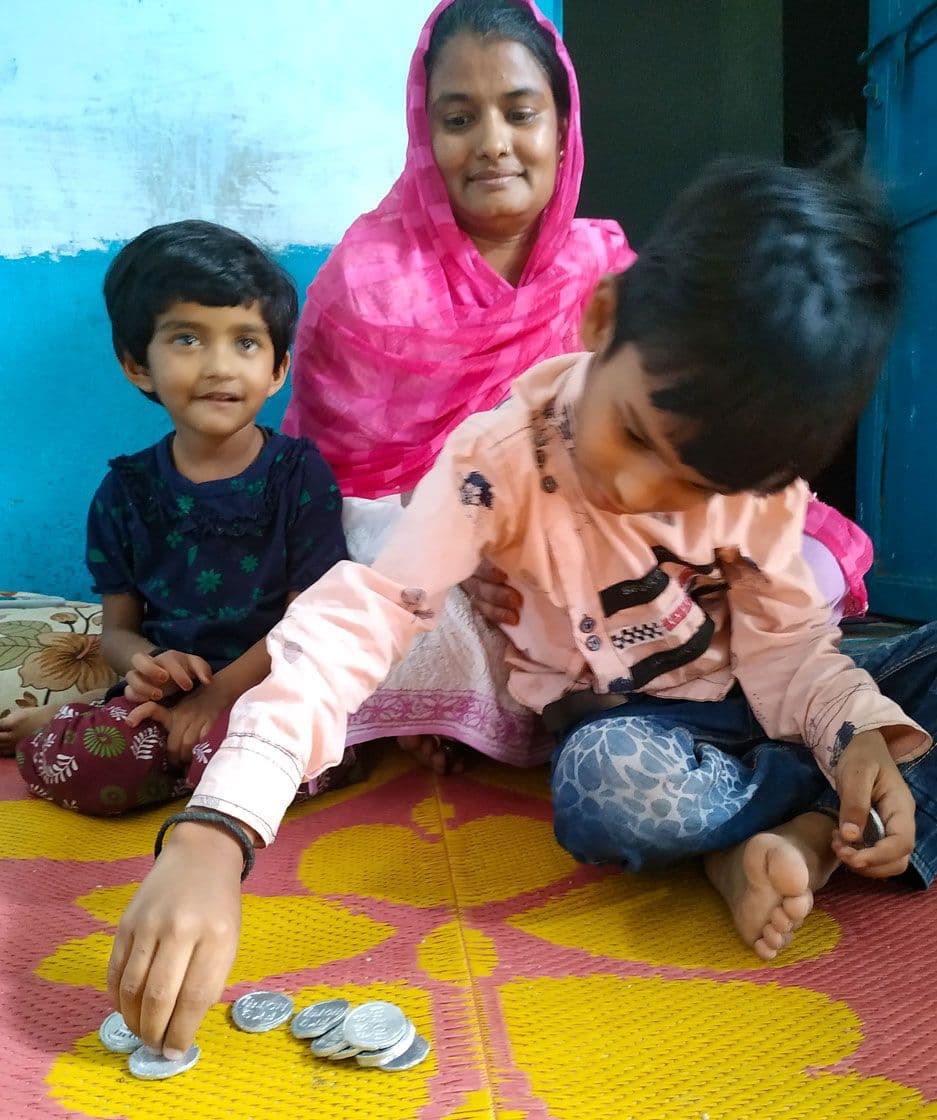
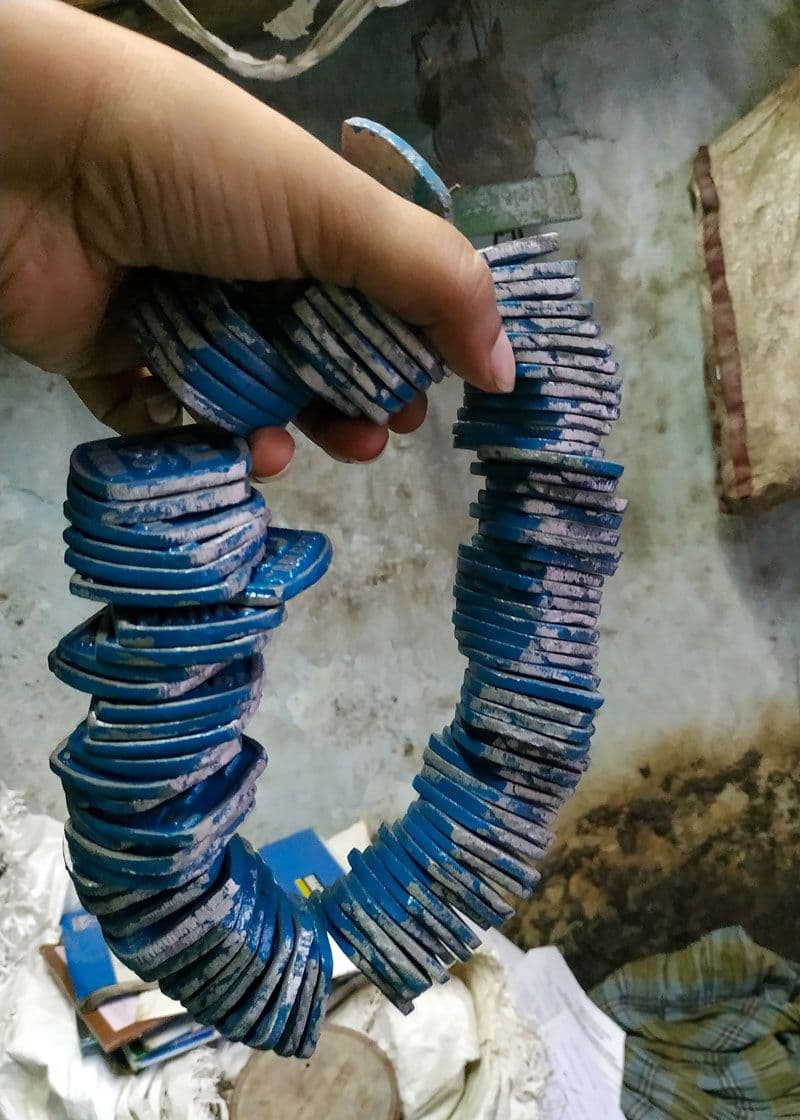
A few old tea shops and eateries in Hyderabad still use these tokens (or coins) that 28-year-old Azeem makes. In the past, similar canteen tokens were used by mills, military outlets, railways, banks, clubs, cooperatives and various other establishments. But over time the demand has steeply fallen with people shifting to plastic tokens or paper receipts. The few Hyderabad restaurants that still rely on metal tokens use them to calculate the day’s earnings: once customers order a food item, they are given tokens that correspond to that dish.
Ajju, as Azeem is called by family members and other shopkeepers, estimates he is one of the last few – less than 10 remain in Hyderabad – craftsmen in the city who still specialises in moulding these coins.