
The phone call went unanswered while the 30-second caller tune recording dutifully intoned: “It is possible to stop the spread of the virus… Regularly wash hands with soap, and maintain one metre distance from those who might be sick.”
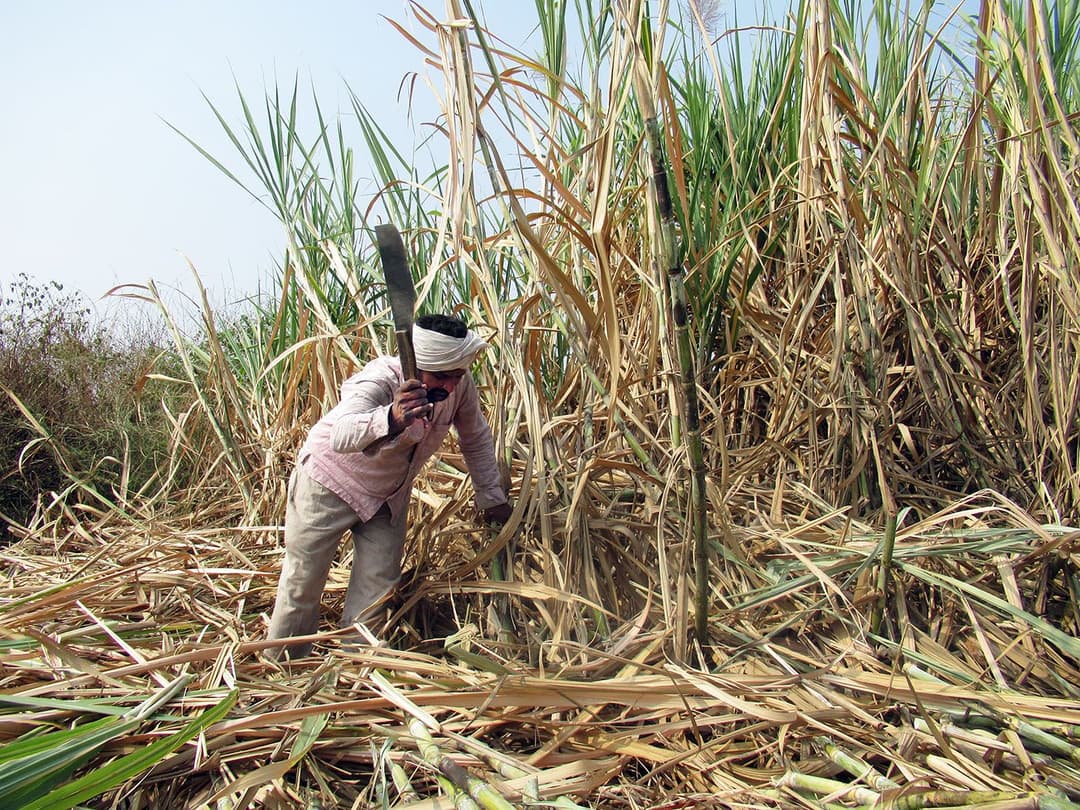
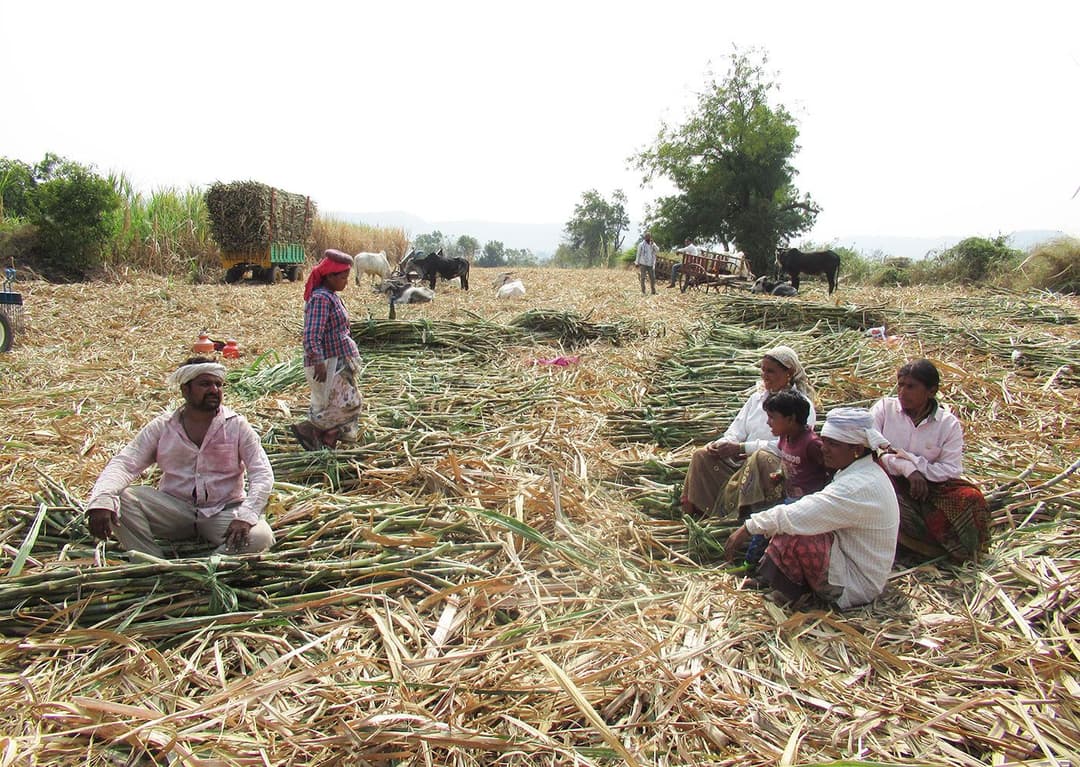
When he picked up the phone the second time I called, Balasaheb Khedkar was doing exactly the opposite of what the caller tune had advised. He was chopping sugarcane in the fields of Sangli district in western Maharashtra. “Everybody here is terrified of coronavirus,” he said. “The other day, I saw a woman crying loudly because she was worried she would contract it and her child would also be infected.”
Khedkar, 39, has been assigned as a labourer at the G.D. Bapu Lad Cooperative Sugar Factory – one of many across Maharashtra that continue to function. Sugar is listed as an ‘essential commodity’ and therefore exempt from the nationwide lockdown announced on March 24 by Prime Minister Narendra Modi to contain the virus. A day before that, Maharashtra Chief Minister Uddhav Thackeray had closed the state borders and barred intra-state travel.
The state has a total of 135 sugar factories – 72 are cooperatives and 63 are privately-owned, says Balasaheb Patil, the state's Cooperative Minister. “Of these, 56 factories shut on March 23, and 79 remain operational,” he told me on the phone. “The sugarcane that comes to those factories is still being chopped in the fields. Some of them will stop crushing by the end of March, some will go on till the end of April.”
Every sugar factory has a certain acreage of sugarcane fields under its purview. The labourers hired by the factory are required to chop the cane in those fields and bring it to the factory for the crushing process. The factory hires the labourers through contractors.
Hanumant Mundhe, a contractor at the Chhatrapati Sugar Factory near Baramati, says they ‘book’ labourers by paying them a sum of money in advance. “We have to ensure they chop cane worth that advance at the end of the season,” he adds.