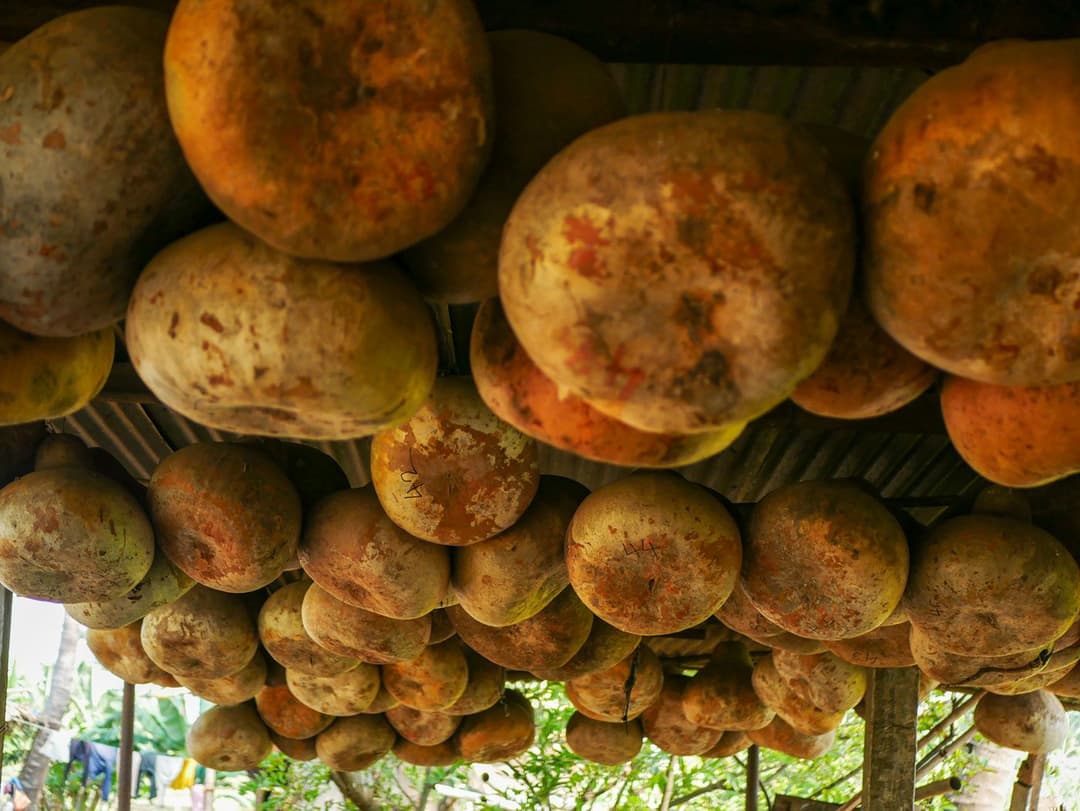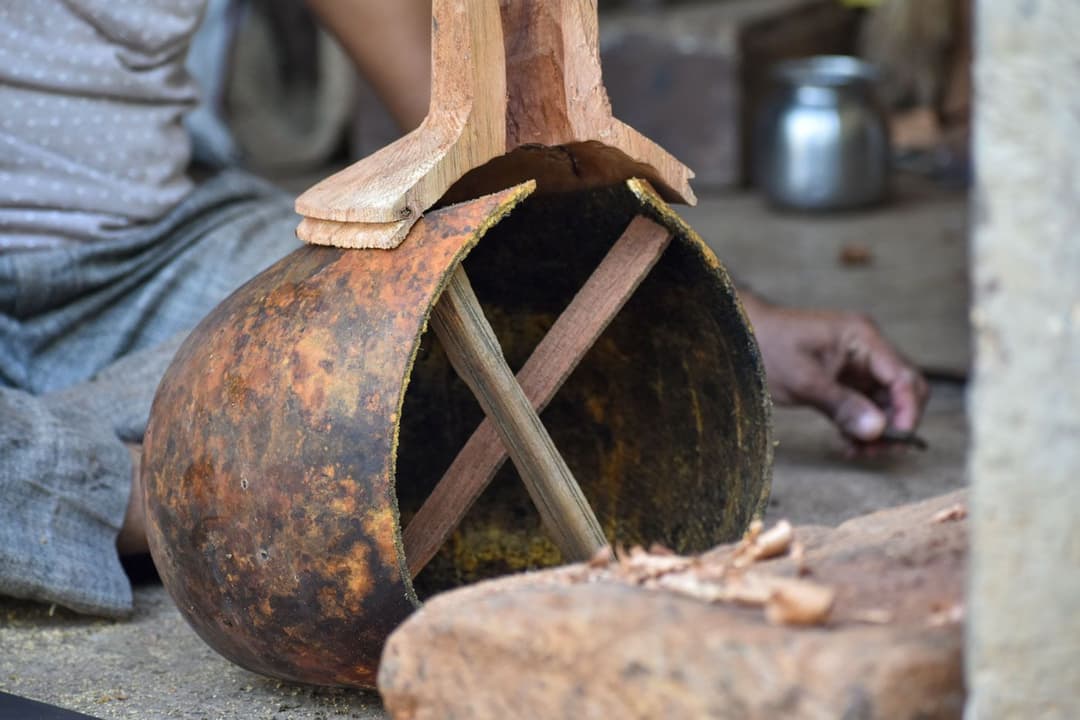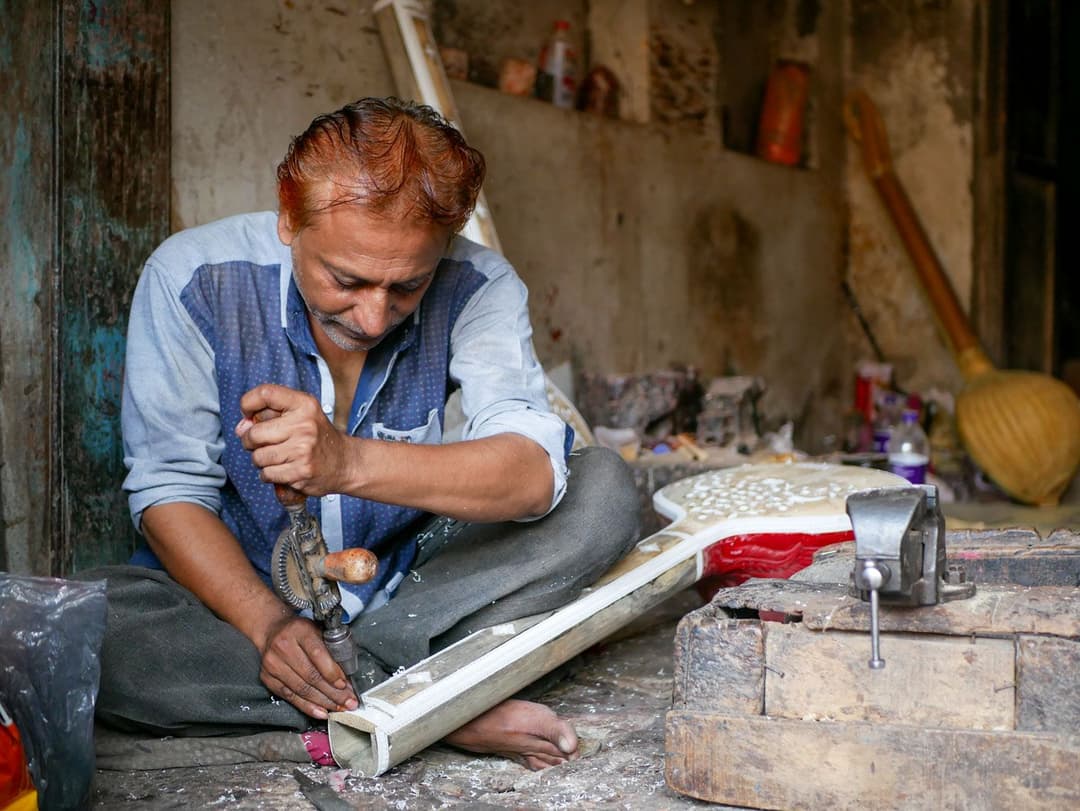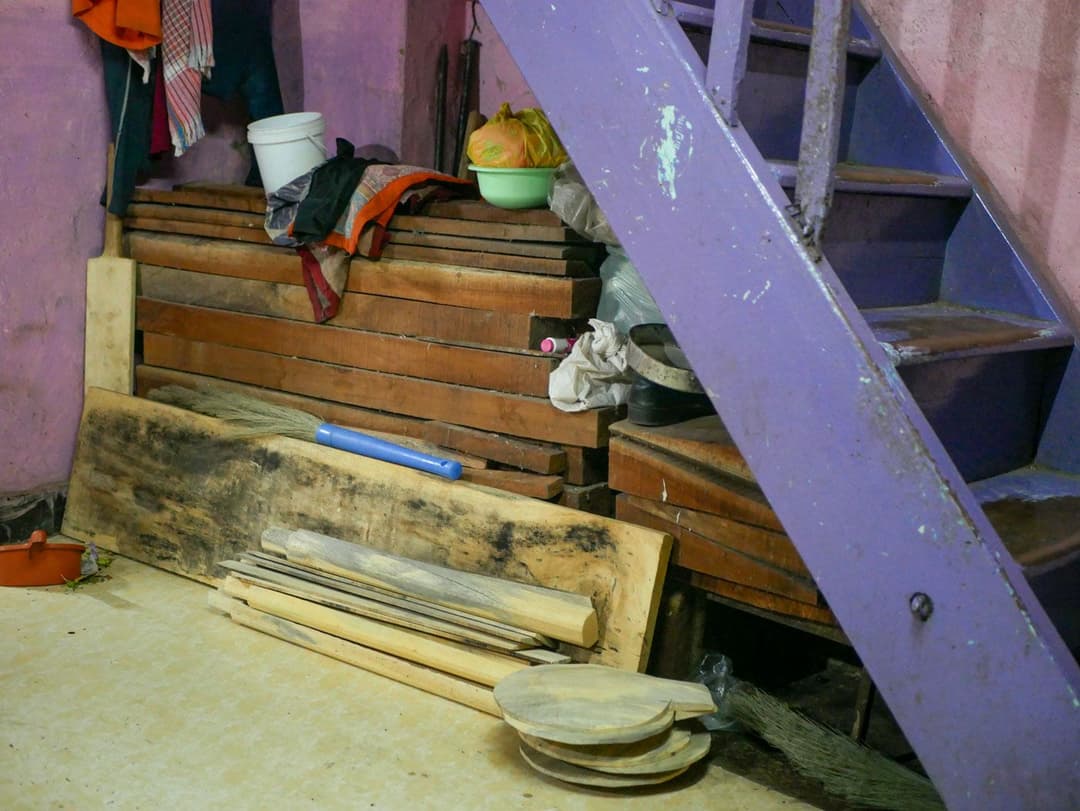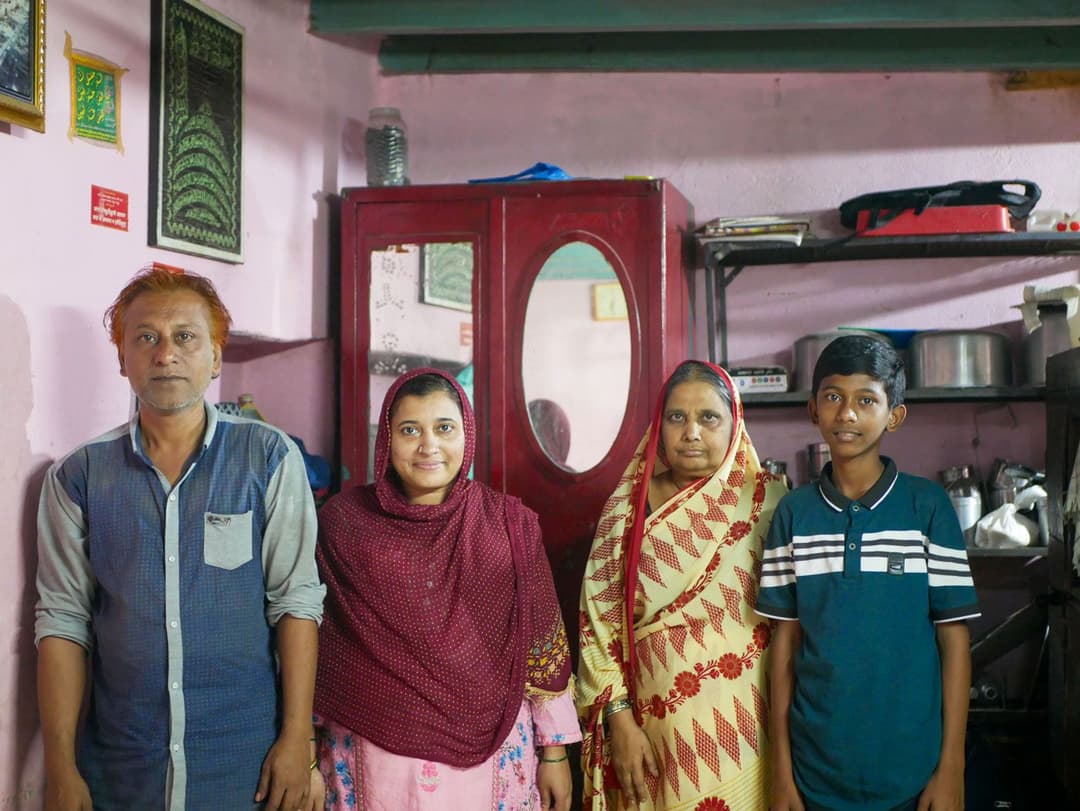

Ahemados Sitarmaker could have gone to Paris, but his father did not allow him. “If you see the outside world, you won’t return,” he had said. Recalling those words now, 99-year-old Ahemados’s face breaks into a smile.
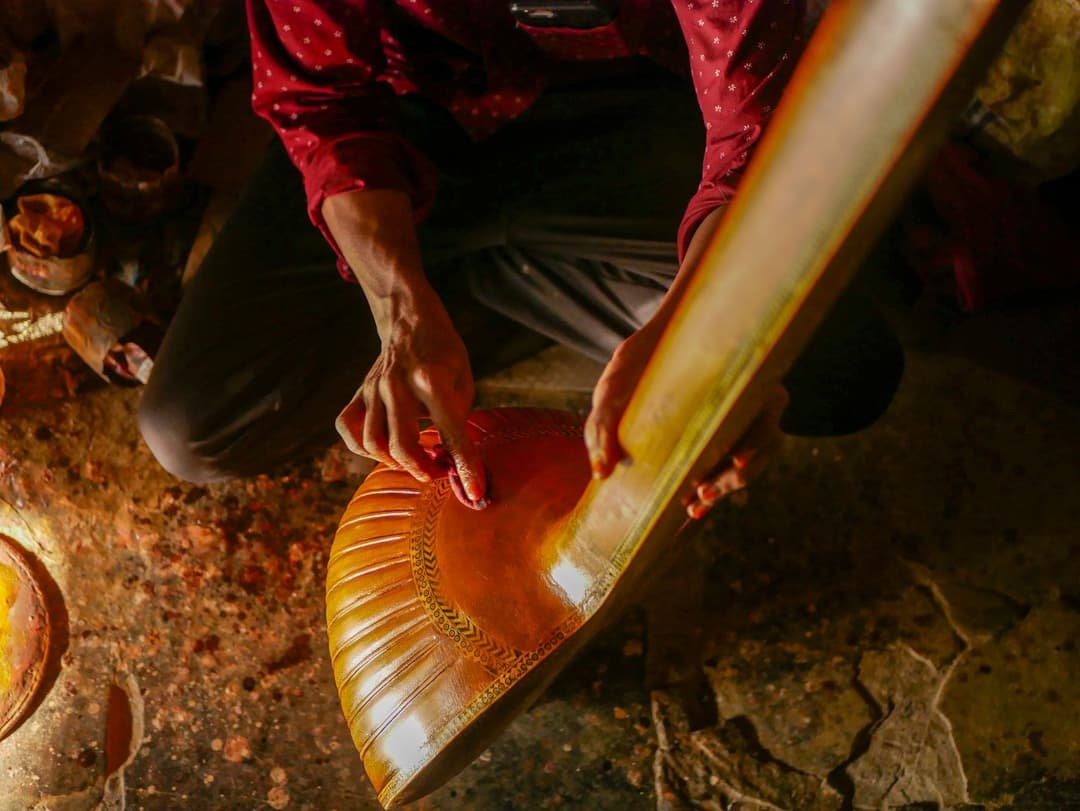
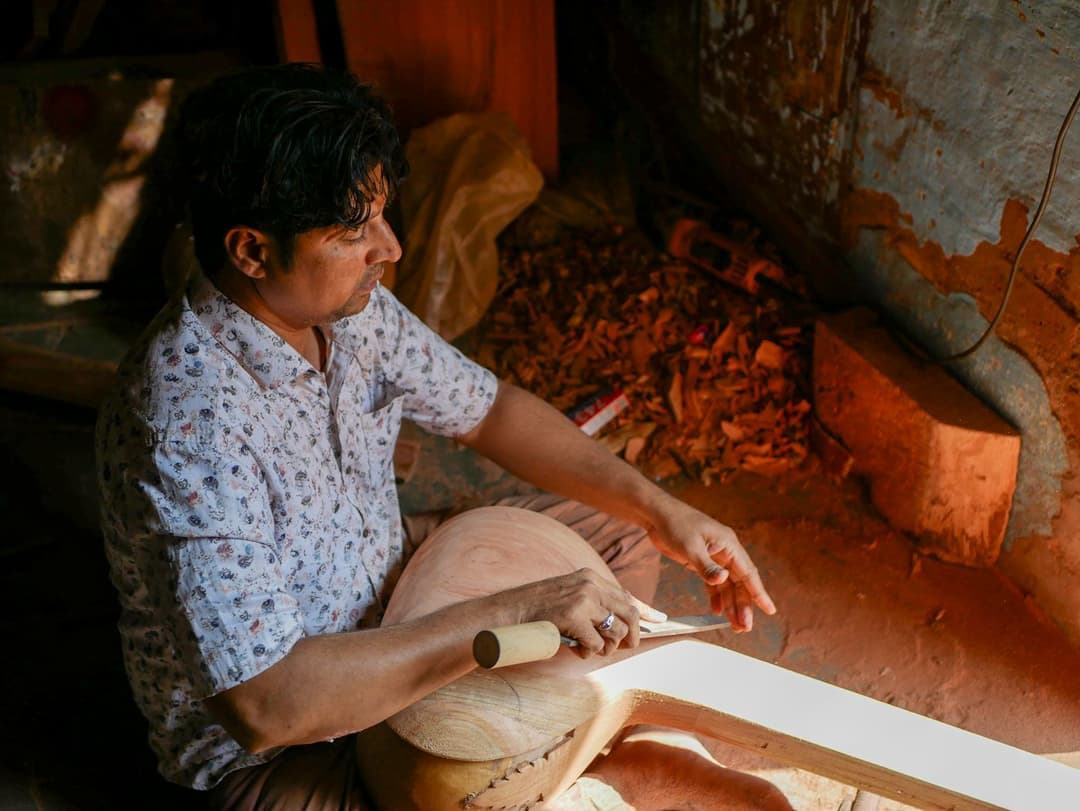
When the fifth generation Sitarmaker was in his late 30s, two women from Paris had come to his hometown to learn the craft of making sitars, the classical string instrument. “After asking around, they came to me for help and I started teaching them,” Ahemados says, seated on the ground floor of their two-story house and workshop in Sitarmaker Galli in Miraj, where several generations of his family have lived and worked.
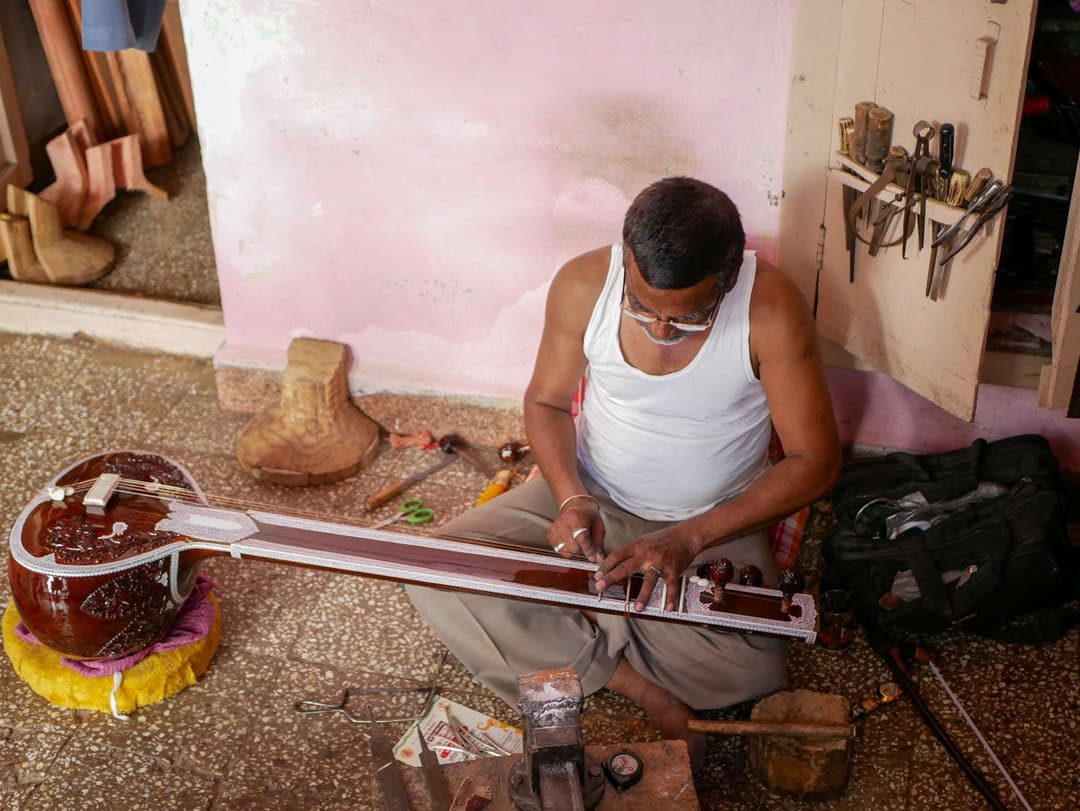
“At the time, we didn’t have a toilet in our house,” continues Ahemados, “we got it made in a day because we couldn’t ask them [the foreign visitors] to go to the fields like we did.” As he speaks, there is a faint sound of a sitar being tuned. His son, Gaus Sitarmaker, is at work.
The two young women stayed with Ahemados’s family for nine months, but their visa expired before they could learn the final steps. A few months later, they invited him to come to Paris to complete the lesson.
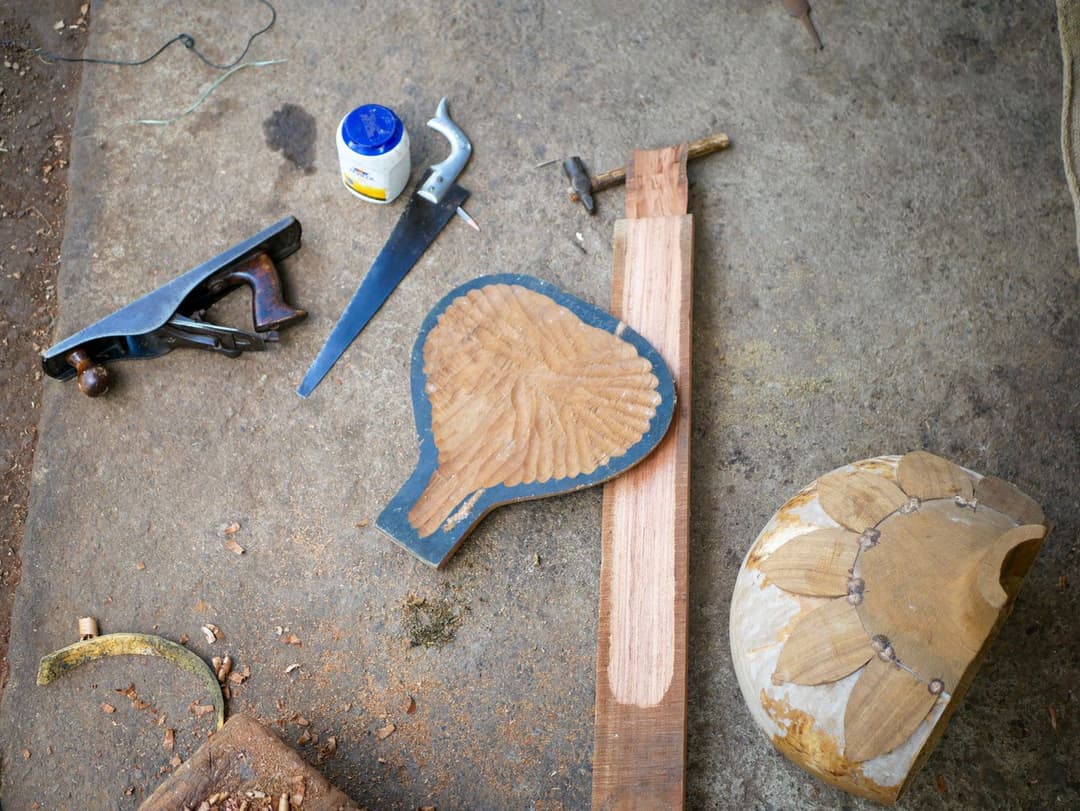
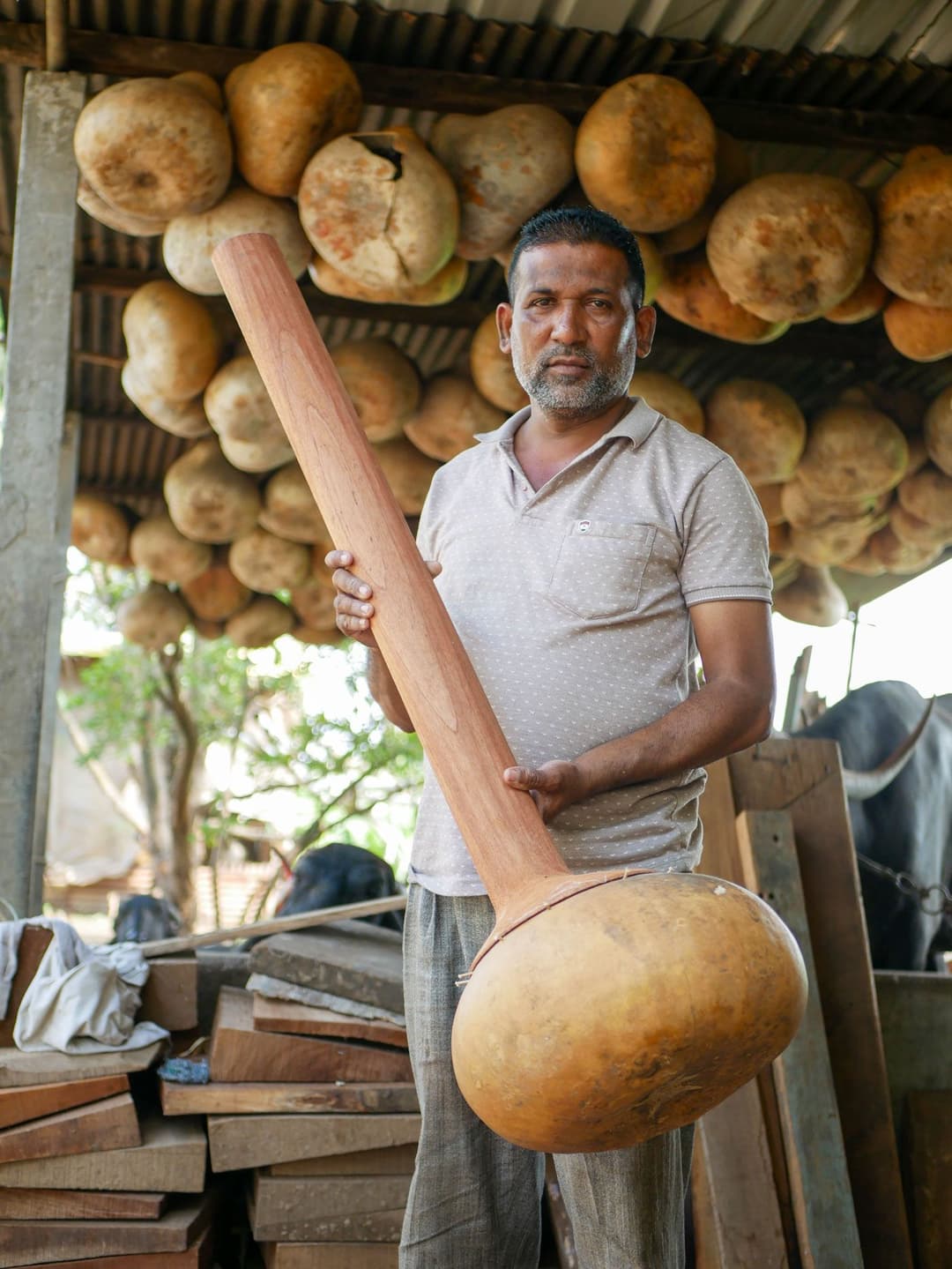
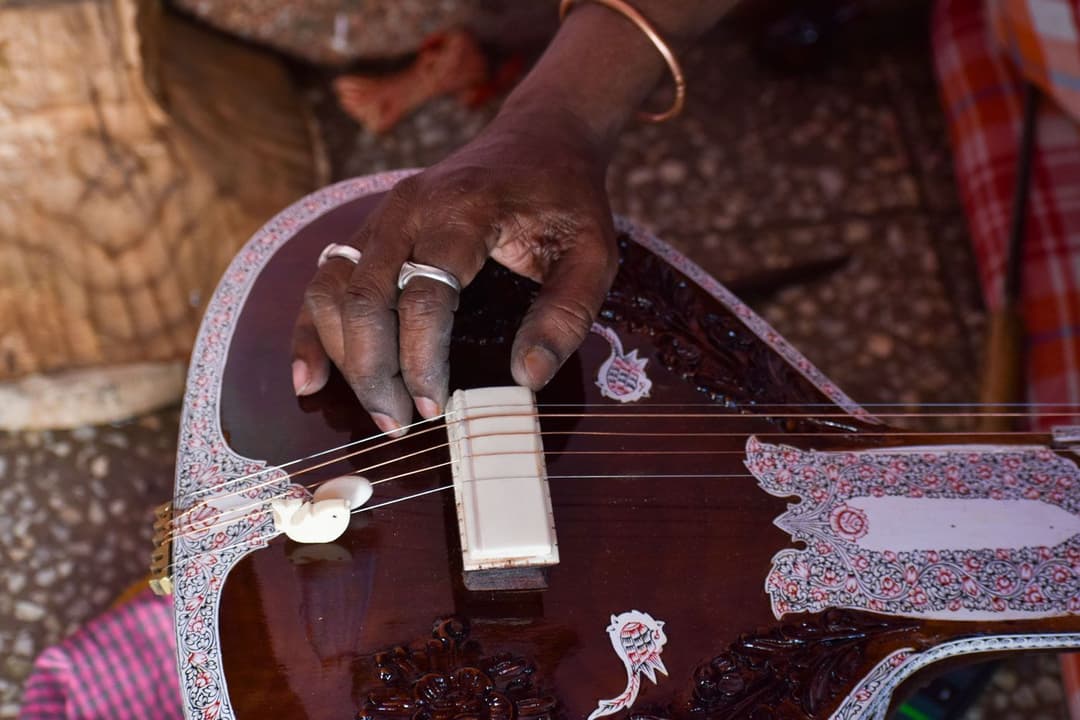
But Ahemados stayed home, following his father’s instructions, and continued as an artisan in Sangli district in Maharashtra, a place renowned for the craft. Ahemados’s family have been engaged in this trade for more than 150 years, running into seven generations; at 99, he is still working.