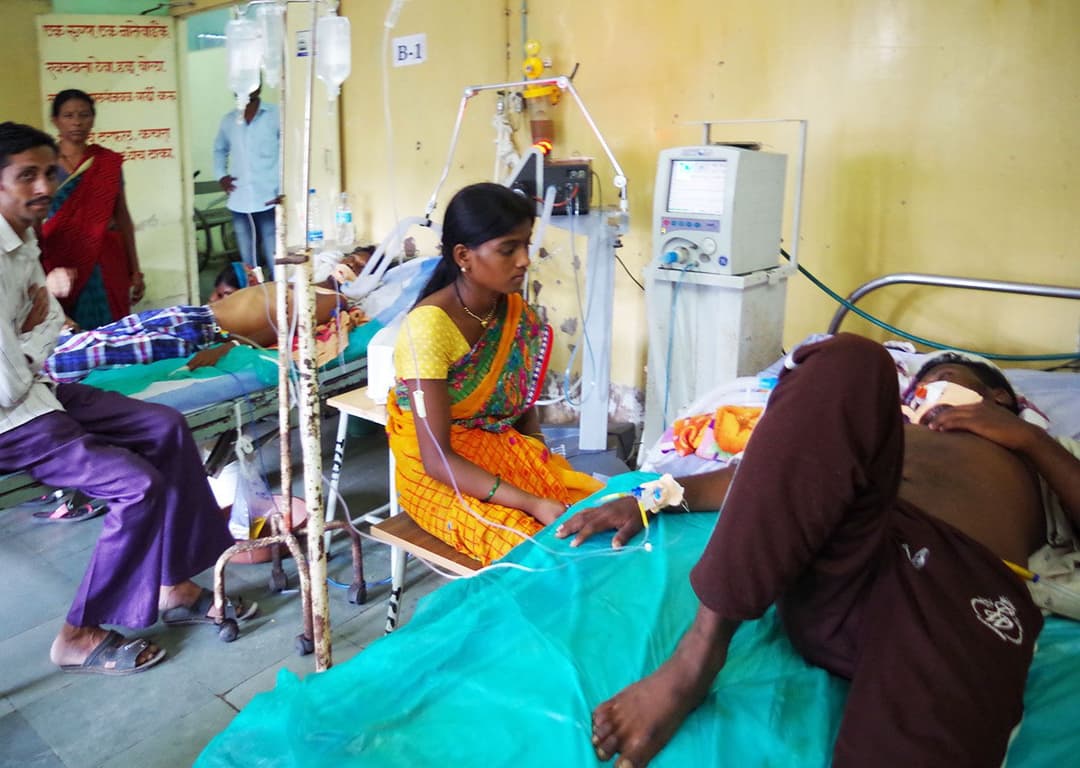
The GMCH in Amravati, the divisional headquarters of western Vidarbha, managed the 2017 crisis better since it can perform the cholinesterase test. Cholinesterase is an enzyme which enables acetylcholine (a neurotransmitter) to function properly. Organophosphate poisoning inhibits cholinesterase, leading to a breakdown of vital organs, even the nervous system, and eventually causes death. The Amravati hospital also stocks the antidotes to such poisoning, the SIT said in its report.
The SIT has recommended that the government must set up ICUs at the sub-district hospitals at Wani and Pusad, the two tehsil headquarters in Yavatmal, in addition to a separate 30-bed ICU at the Yavatmal GMCH, and a 20-bed ICU in the Akola district government hospital, to handle pesticide poisoning cases as was done by the Amravati hospital.
It has recommended starting a state-of-the-art toxicology lab at the GMCH in Yavatmal, given the district’s long history of pesticide poisoning cases. During the 2017 disaster, the health authorities did not send blood samples for toxicology tests immediately, a key gap in the post-poisoning management.
Ban monocrotophos, keep antidotes ready
The SIT has also recommended a complete ban on monocrotophos, an organophosphate that deploys systemic and contact action on crops, which is banned in many countries due to its toxic effects on humans and birds.
The Maharashtra government complied with a limited-period ban in November prohibiting its sale and marketing for 60 days, but has not enforced a complete ban. The central government has the power to ban monocrotophos in the country under the Insecticides Act.
States too can suspend the licenses of pesticide manufacturers and sellers, or stop issuing new licenses or renewing them. Punjab has done this – at the end of January 2018 it decided to not issue fresh licences for 20 pesticides, including monocrotophos, which the United Nations’ Food and Agriculture Organisation classifies as “acutely hazardous.” Kerala banned monocrotophos a while ago. And Sikkim, a fully organic state, does not allow the use of any chemical pesticide.
The SIT also recommends that the government should not approve of the use of an insecticide unless its antidote too is available in case of poisoning. The SIT report indicates a spurt in the use of plant growth regulators, and asks the government for a long-term scientific scrutiny of such chemicals before they are approved for use.
The report doesn’t mention of the complete breakdown of agriculture extension system – agriculture universities, or the state agriculture department, have no systems to track the arrival of new pesticides or pest-control technologies and their proper use. These systems can play a crucial role in such a situation.
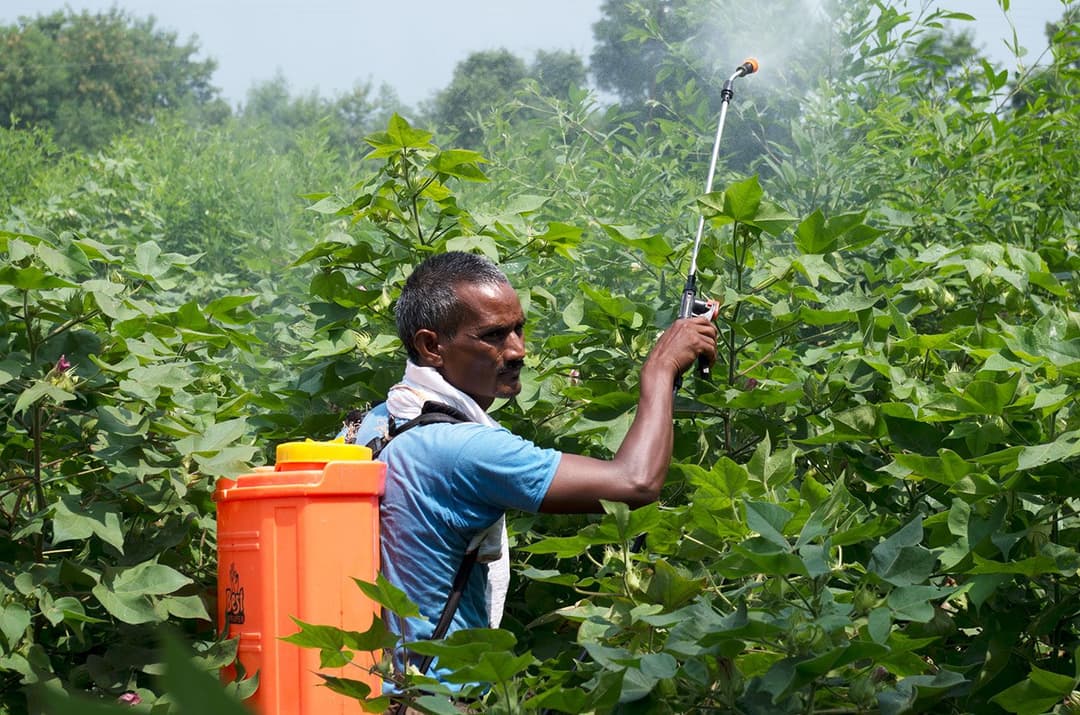
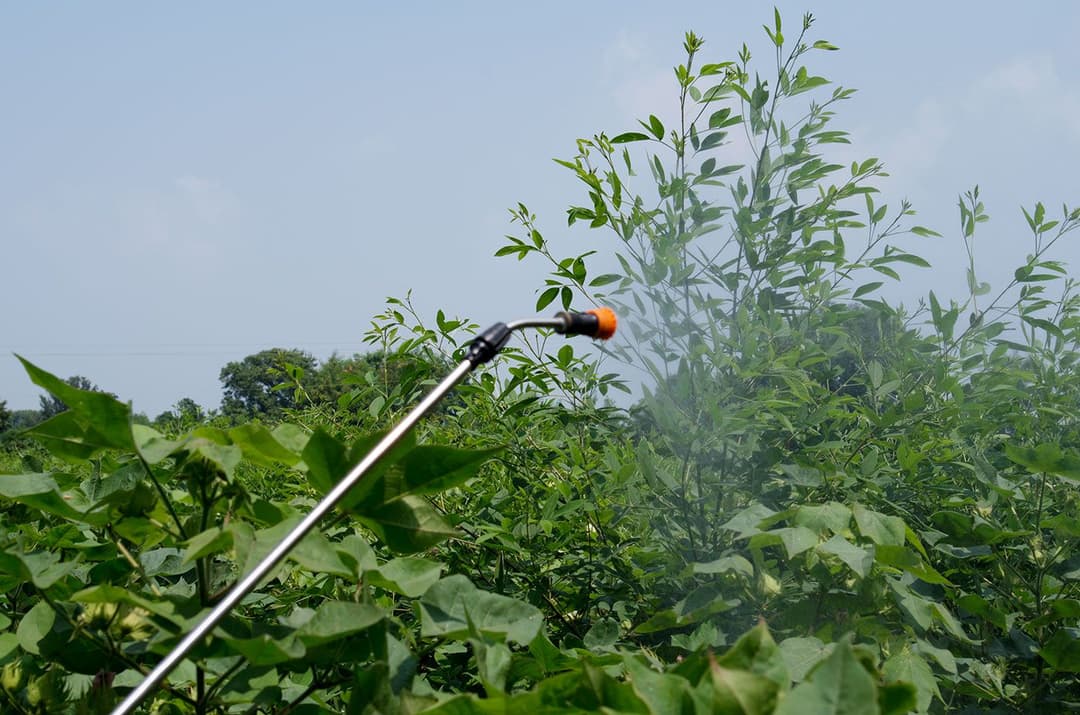
Instead, farmers depend on the inputs dealer or shopkeeper for information about new chemicals. And a dealer or shopkeeper is unlikely to part with information about their acute toxicity when he needs to make a sale. The report indicates that farmers are experimenting with pesticides on the advice of inputs dealers, desperate to contain pest attacks and push plant growth for better yields and better returns. “The concentration of new formulations of pesticides and other chemicals [in the 2017 spraying season] increased the toxicity and possibility of inhalation and contact poisoning in extremely humid conditions,” the report says.