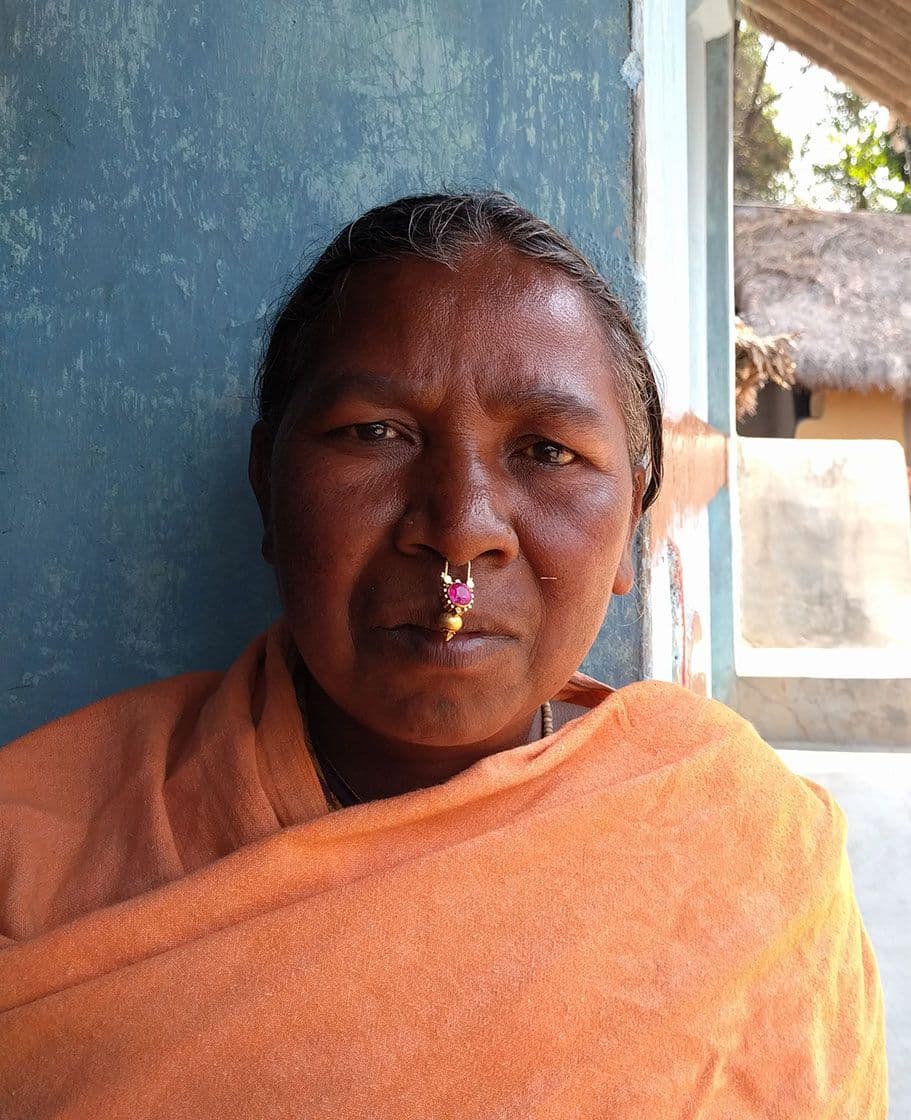

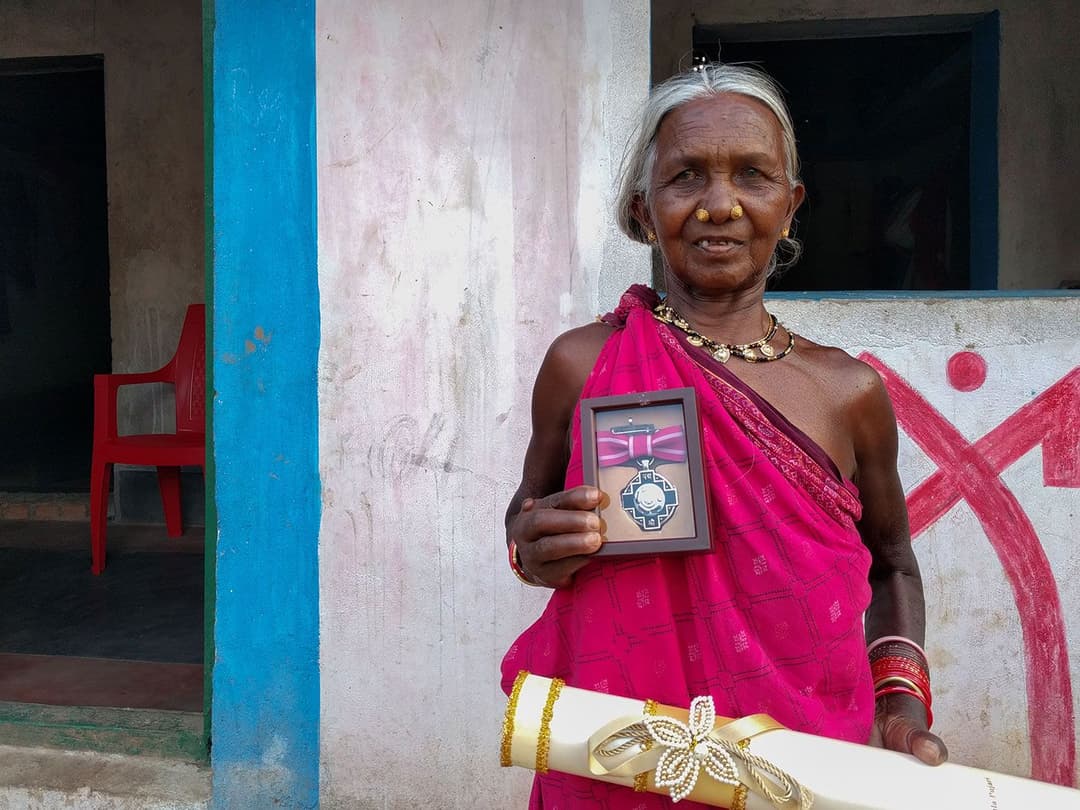
“I was very happy. I said 'namaskaar'. He [the President] greeted me and said, 'Welcome to Rashtrapati Bhavan’,” says Kamala Pujhari, recalling her visit to New Delhi in March this year to receive the Padma Shri.
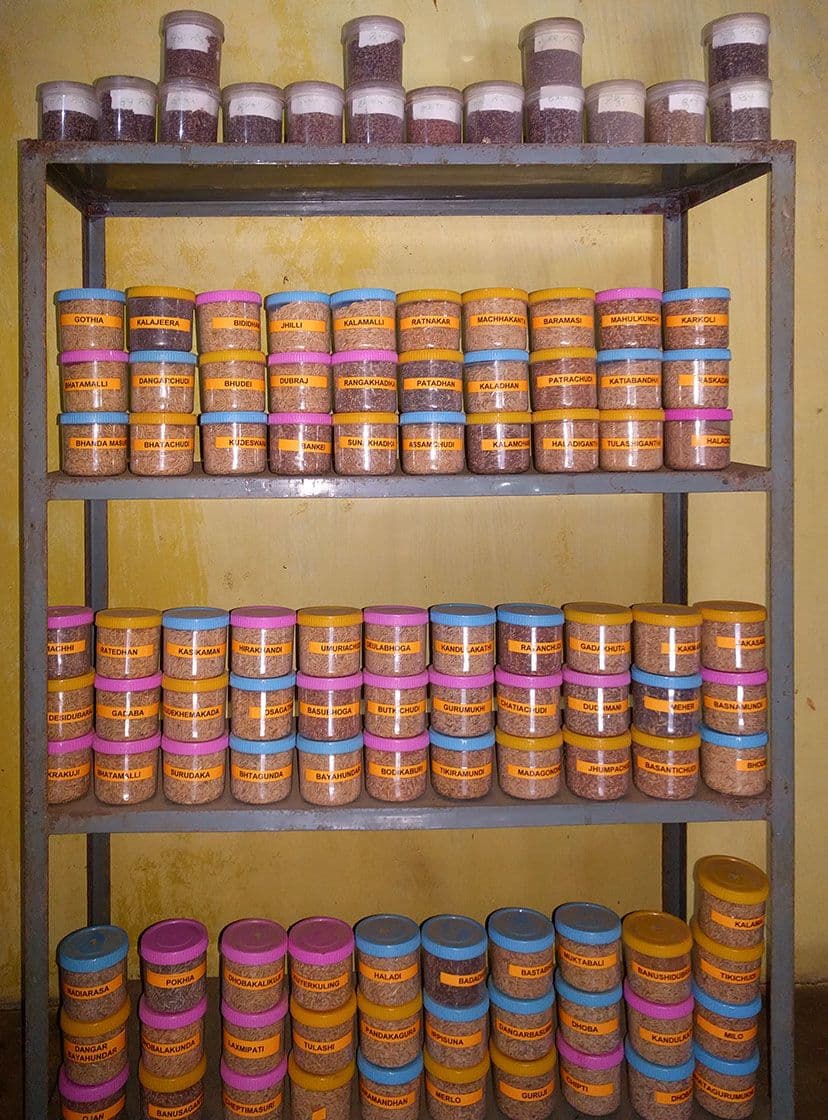
The award was given in recognition of Kamalaji’s work on seed conservation (see the cover photo on top). For her, it’s a journey that began over four decades ago when, after getting married, she moved to Patraput hamlet in Odisha’s Koraput district. At that time, she recalls, the villagers were cultivating around 15 indigenous varieties of paddy, and kalajira, gothia, haladichudi, umuriachudi, machhakanta, bhudei, dodikaburi and others were in abundance.
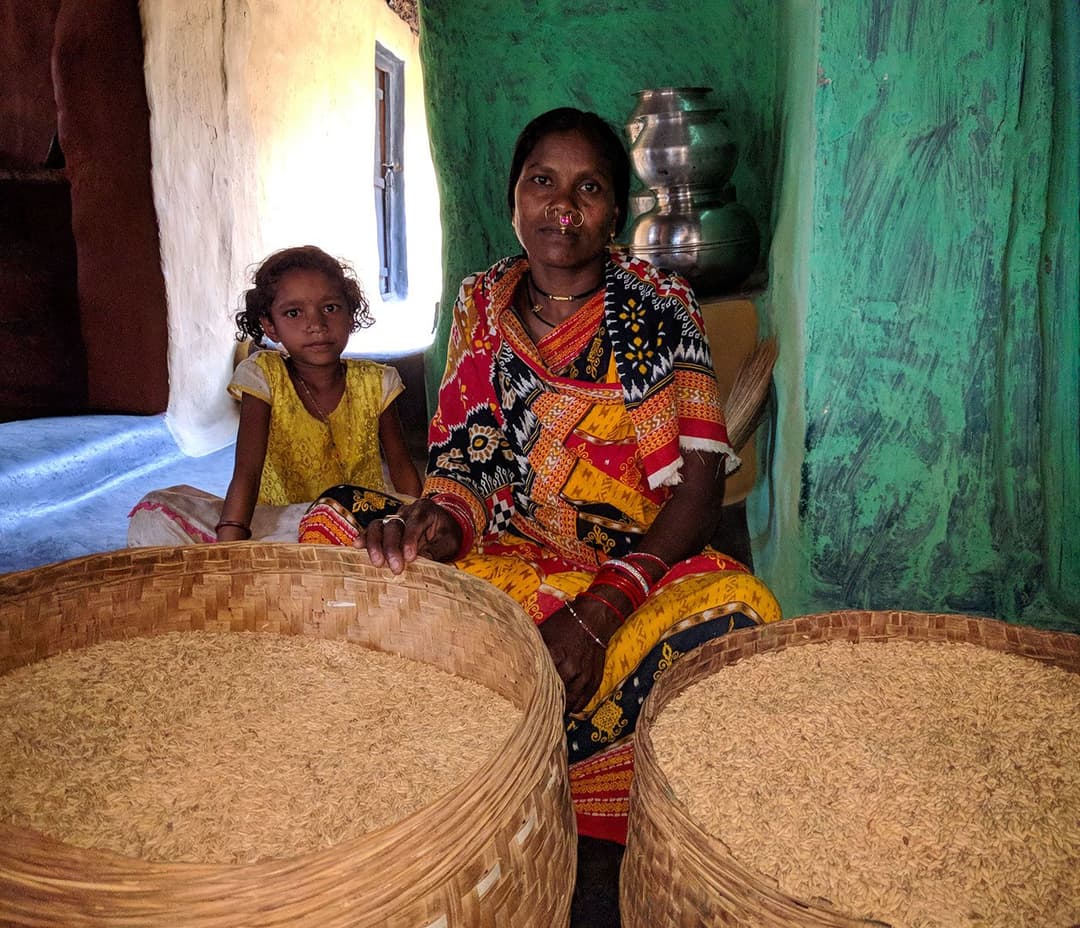
“Every family cultivated two or three types of paddy, different from each other,” she says. “At the end of the harvesting season, people exchanged seeds and grains. That way, the village had plenty of varieties.”
But around 25 years ago, the paddy varieties started dropping. “I noticed a decline in the cultivation of landraces [indigenous varieties]. I felt there was a need to protect them," says Kamalaji, who is in her late 60s and from the Bhumia Adivasi community.
The varieties reduced, Kamalaji says, because as joint families divided, smaller family units increasingly started using higher-yielding hybrids. But the shift was also promoted by policy. "All varieties are not procured at the mandi [the government procurement centre] as they do not meet their [‘fair average qualities’] standard,” says Kamalaji’s son Tankadhar Pujhari. “Sometimes, varieties like machhakanta, which are of fine quality, can be sold at the mandi. But mostly, we cultivate machhakanta and haladichudi for household consumption, and 'sarkari dhan 1010’ [a new hybrid variety] for selling in the mandi."