In the thick forests of western Orissa’s Niyamgiri, should a mountain be mined is a more straightforward—and relevant—question for local residents than who should rule India, come May 2014.
Last year, over the monsoon days of July and August, in 12 Supreme Court-mandated gram sabhas, hardscrabble forest dwellers of the Gouda and Kondh communities here unanimously rejected a plan to dig up the flat-topped mountain range for a bauxite mine. The 7 square kilometre mine was to feed 72 million tonnes of ore to a refinery down in the town of Lanjigarh. The refinery was commissioned in 2007 by Vedanta Aluminium Ltd, which had plans to expand production from 1 to 6 million tonnes of aluminium per year, by mining Niyamgiri and then moving on to other bauxite-rich mountain tops within a 60 kilometre radius.
On a recent morning, in Ijirupa, one of the hamlets where the gram sabha rejected the mining Niyamgiri, there was no sign that a national election, said to be one of India’s most important, was merely days away. No candidate posters were slapped on the walls of the clutch of reddish-brown mud homes, and no primetime television shouting matches ran each night in this village without electricity, drinking water or a pucca road.
Ijurupa resident Parvati Gouda took a break from harvesting the sickly-sweet smelling, pale yellow mahua fruit carpeting the ground, to say she was unaware of the 15 candidates contesting for her parliamentary constituency - a vast rural terrain of mountains, forests and over 4000 villages and hamlets spread across the districts of Kalahandi and Nuaparha.
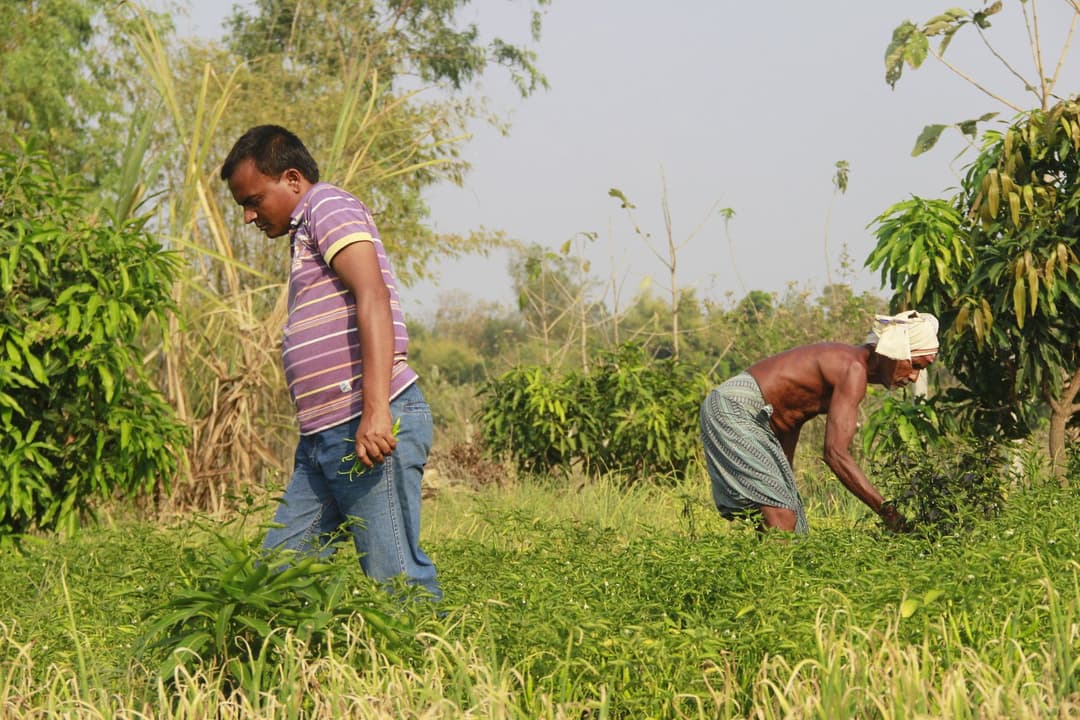
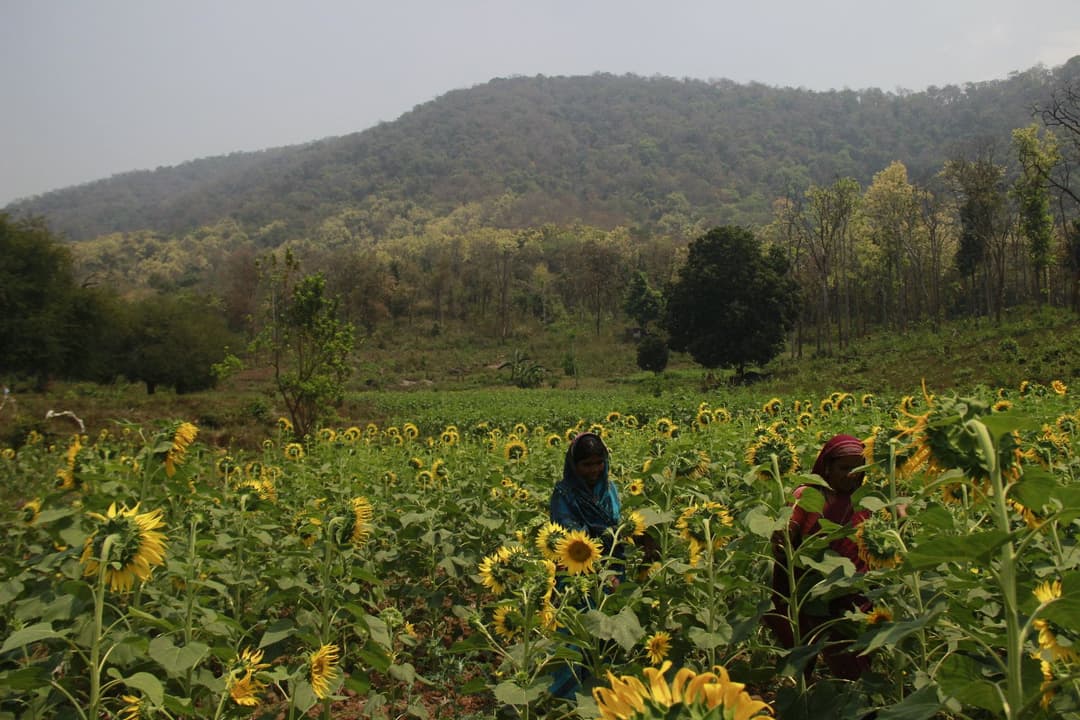
“What I will say is that we do not want Vedanta to take our mountain from us,” she said. Gouda’s family cultivated cotton, sunflower, rice and vegetables on their mountainside farm, perennial streams irrigating their crop in the absence of any other water source. Forest produce augmented food and income, while closely-held religious beliefs and practices revolved around nature. The dependence on ecology ran deep.
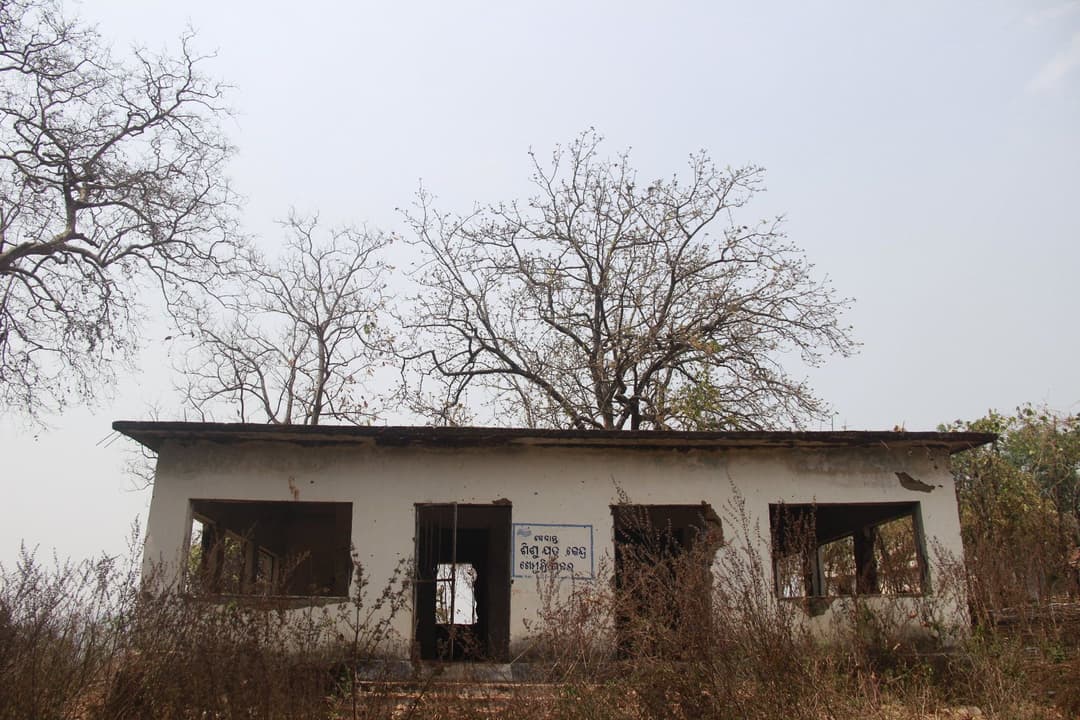
Higher up the mountains in Phuldumer, entirely inhabited by the reticent Dongariya Kondh tribes, questions about elections evoked nonchalance and those about Vedanta, rage. “Who should one vote for – hatha na shankha na hathi (the hand or the conch shell or elephant – Congress, Biju Janata Dal and Bahujan Samaj party symbols respectively),” asked one young man in Kui, axe resting on his right shoulder, while the beats of village drums for a prayer wafted through the air. “Who is against Vedanta?” No candidates had walked up here yet to canvass for votes. Along the kutcha roads leading to this hamlet, three buildings built by Vedanta as CSR outreach stood broken and abandoned, apparently attacked with axes by angry villagers.
Down below, in Lanjigarh, an occasional campaign jeep rode the streets, fitted with loudspeakers playing songs that emphasized symbols rather than candidates, in a reference to the absence of formal literacy among rural voters. At the Lanjigarh police station, opposite CRPF barracks and a short distance from the refinery, languid policemen took a break from watching news to show charts listing the polling areas in the mountains as HS, shorthand for Highly Sensitive, or Naxal-affected. Of the 24 completely inaccessible booths in the Kalahandi constituency, 22 fell in the Lanjigarh segment.