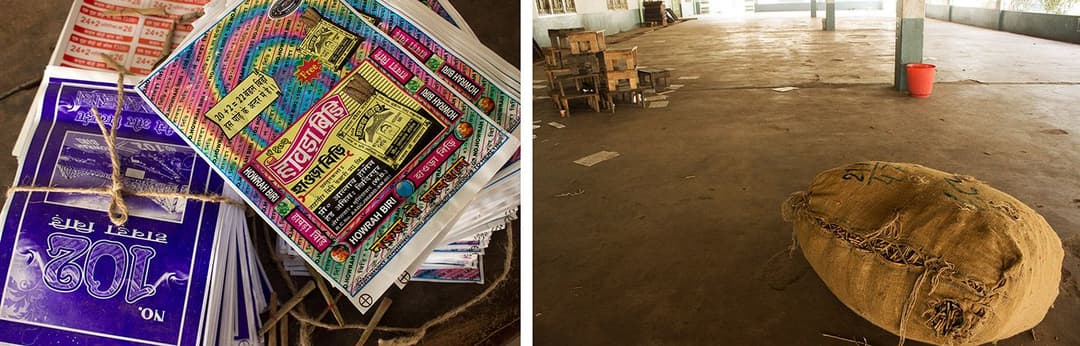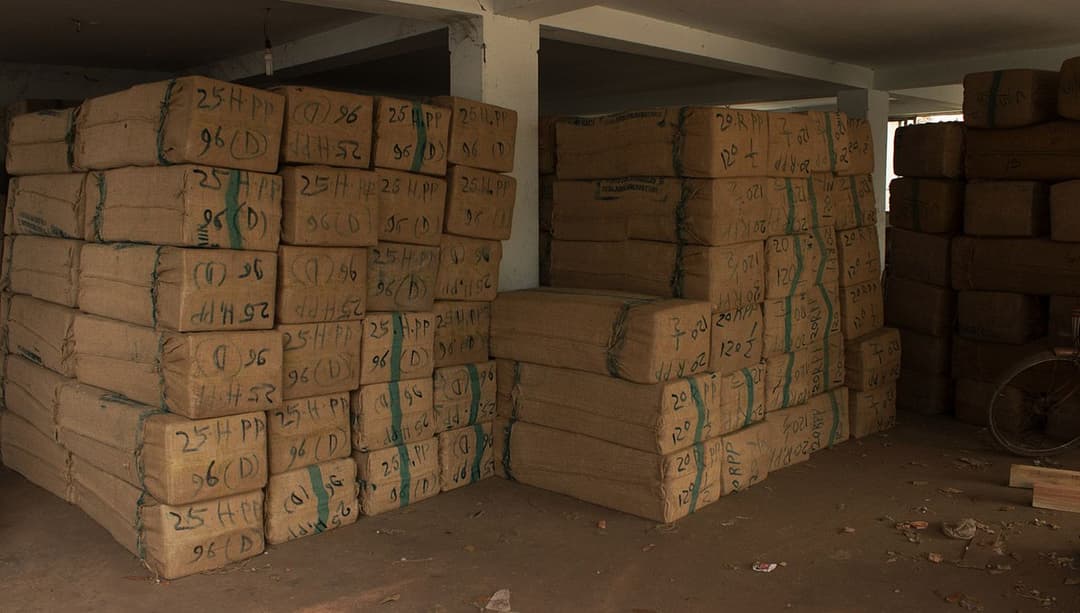

For the first time ever, Manwara Bewa’s bucket is empty. The factory is closed, the munshi has gone missing for more than 20 days, and she doesn’t have any money to feed her family. Manwara says she is aware that in some part of the country some people are fighting against a ‘black thing’ and that is the reason for her misery.
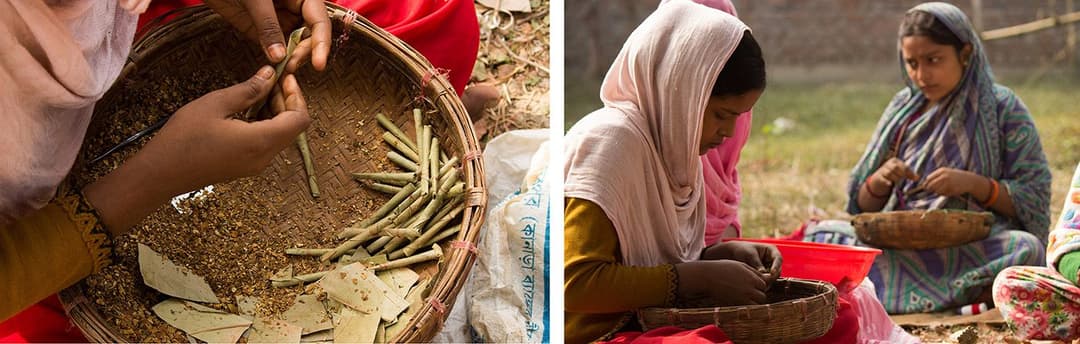
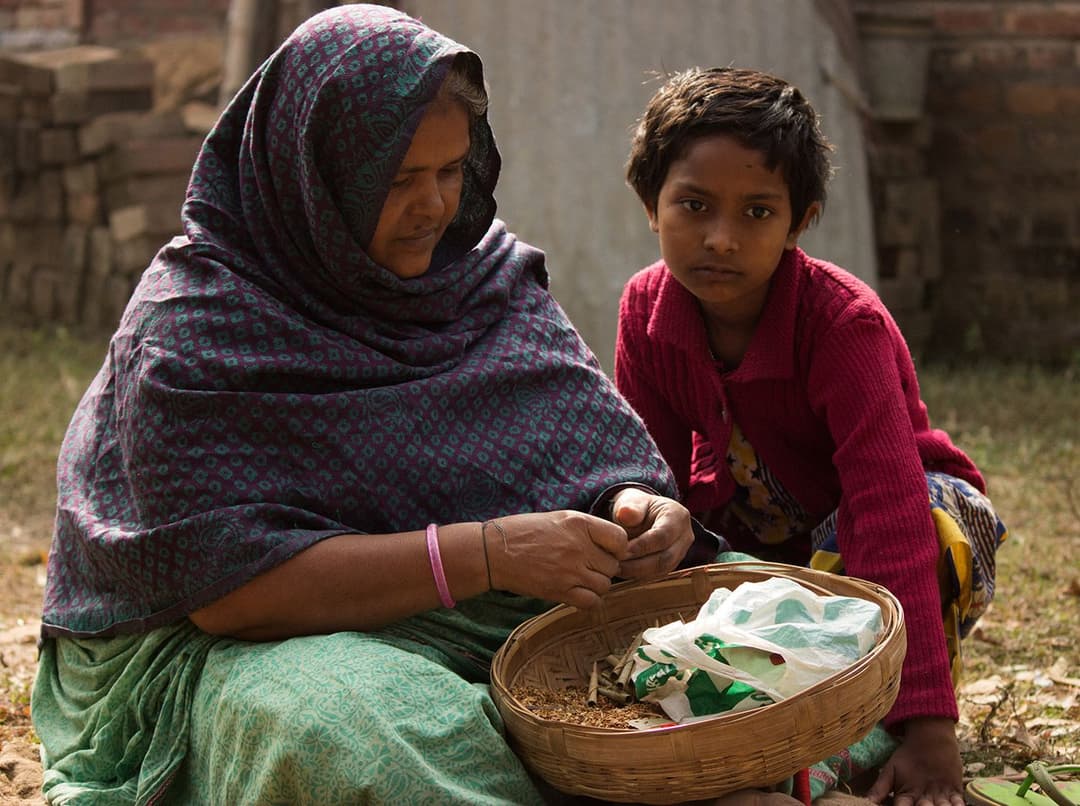
For 17 years, Manwara, 45, has been earning for her family by rolling beedis – Rs. 126 for 1,000 beedis rolled. She started this work after losing her husband; the landless couple had two sons, the younger one then just six months old. In her younger days, she managed to roll 2000 beedis a day; now she manages only 500.
More than 70 per cent of the home-based beedi workers in West Bengal are women, according to the Labour Department of the state government. “Here, it is difficult to even find a good husband for a young woman if she is not trained in beedi -making,” says Manirul Haque, a munshi – the contractor who distributes the raw material to the homes of the workers and collects the finished product – of a beedi -making unit in Jangipur subdivision of Murshidabad district, West Bengal.