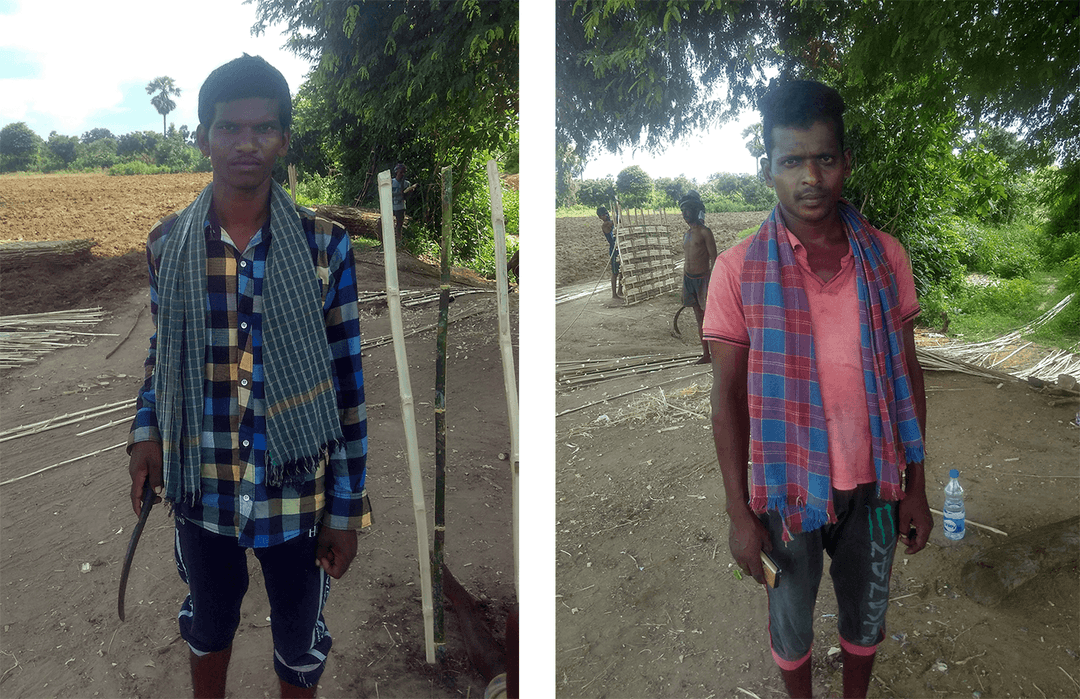

Pandla Lakshmana Rao could not continue studying after he finished Class 12 at the age of 18. “I was asked to produce a caste certificate [for admission to the degree college in Aswaraopeta town. Since I don’t have one, I was forced to discontinue my education,” he says.
Lakshmana, now 23, works as an agricultural labourer in Nayakulagudem hamlet, whenever there is no work on his family’s one-acre podu plot [forest land used for cultivation].
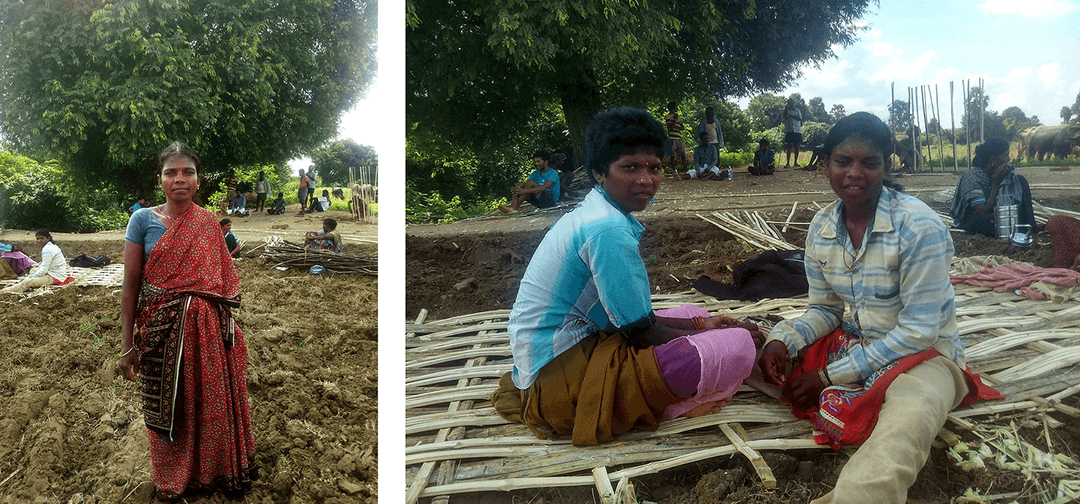
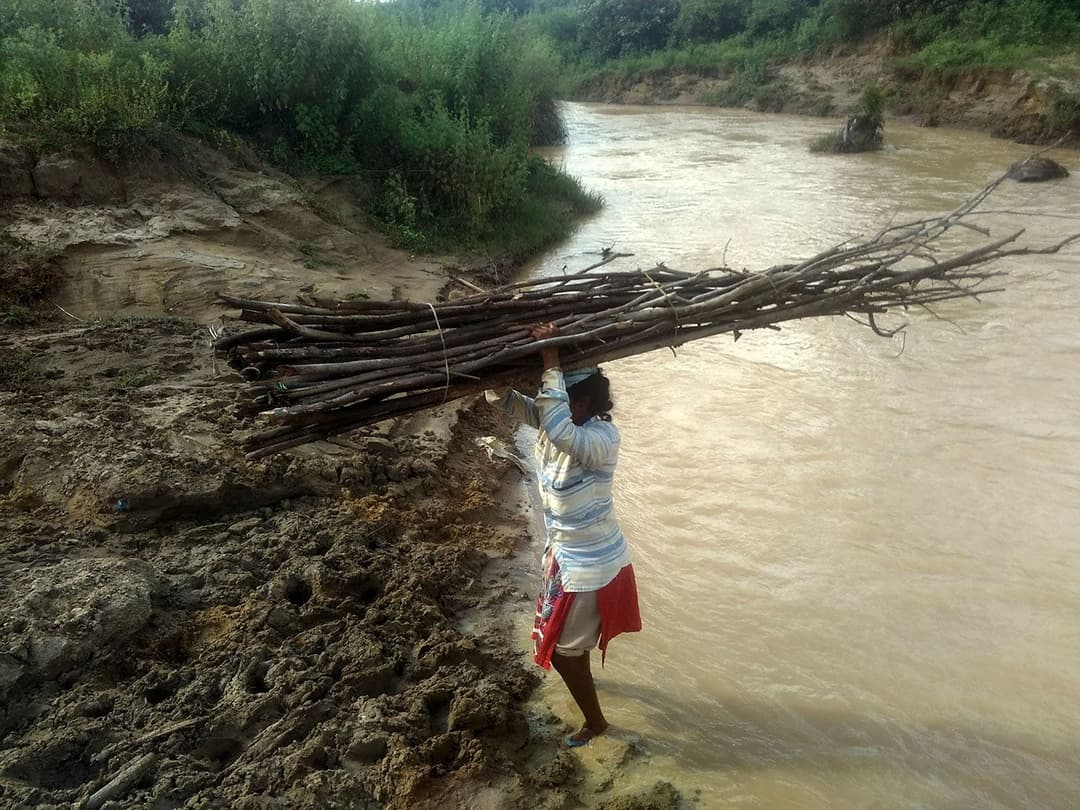
Many young people like him from the Naikpod tribe, living in some 30 villages across T. Narasapuram and Chintalapudi mandal s of West Godavari district, Andhra Pradesh, have similar stories to tell. Kusini Seetha and Kusini Nagamani, both 18, also dropped out of school after Class 5 because they were asked to produce the Scheduled Tribe (ST) certificate at the tribal residential school in Marrigudem, five kilometres from their hamlet. “Since we cannot study further,” Nagamani says “we get married early, and either work on the podu land or as agricultural labourers on land owned by others.”
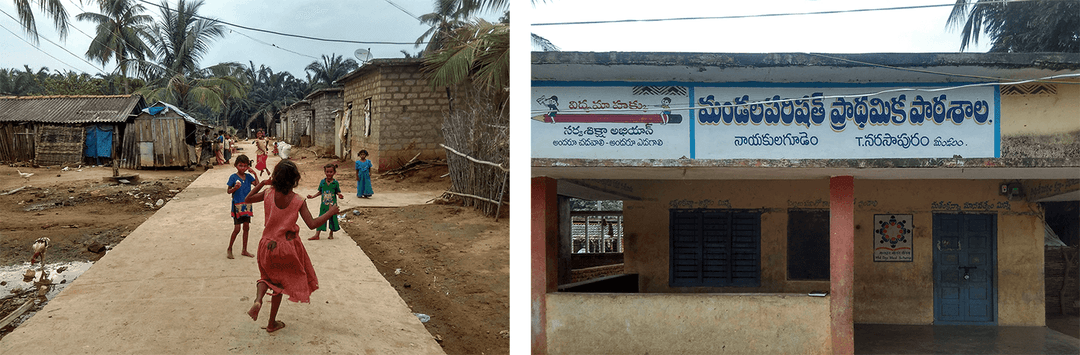
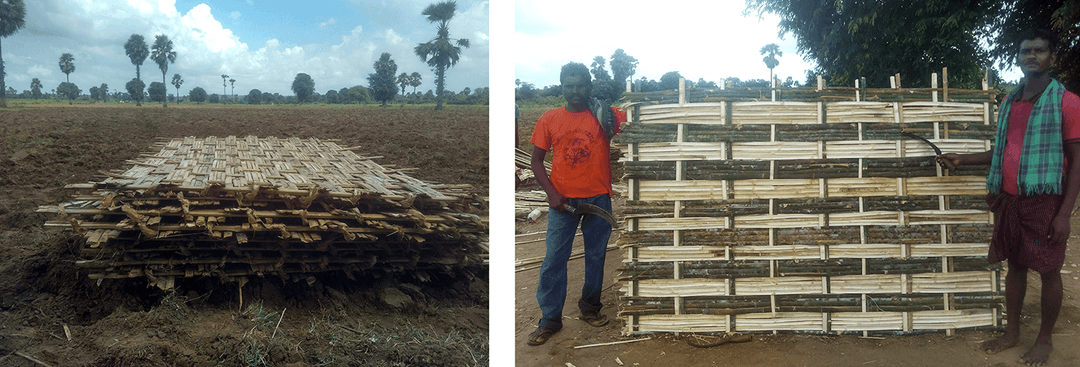
Around 100 Naikpod families live in Nayakulagudem hamlet (named after the tribe), cultivating paddy, rajma and other crops on land in a nearby forest. They depend on the forest for their livelihood, collecting honey or hunting skunks (for consumption), which they sell in the weekly market at T Narasapuram town.