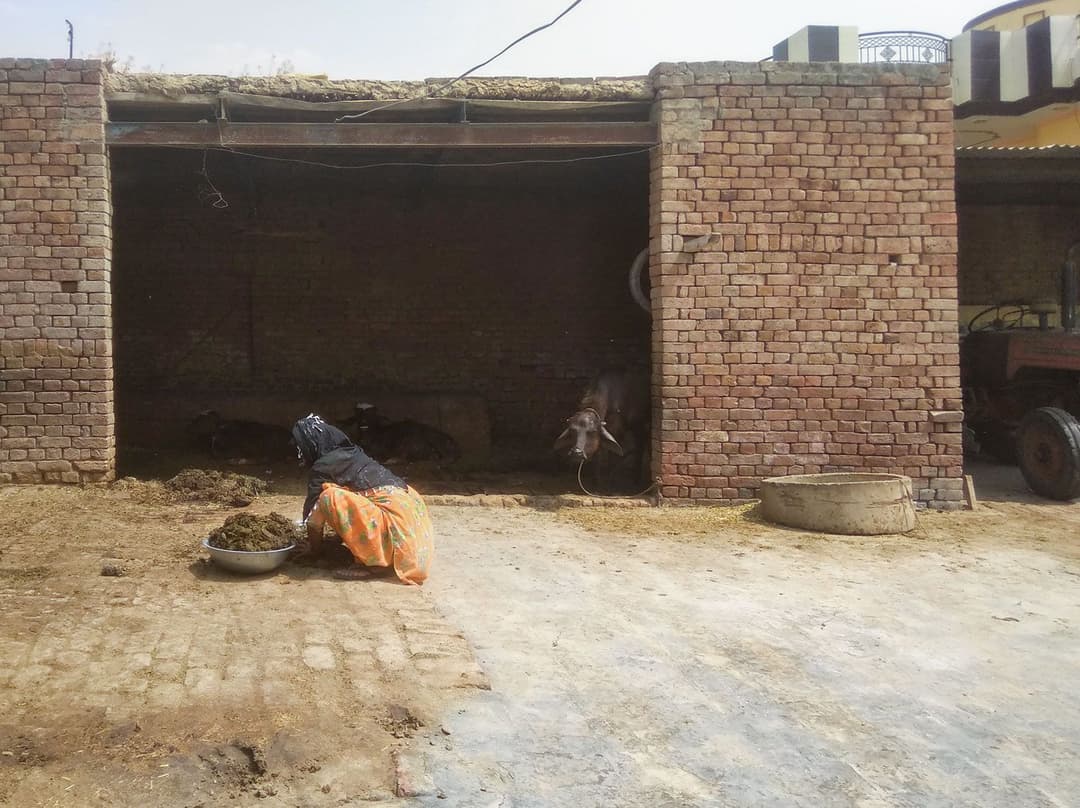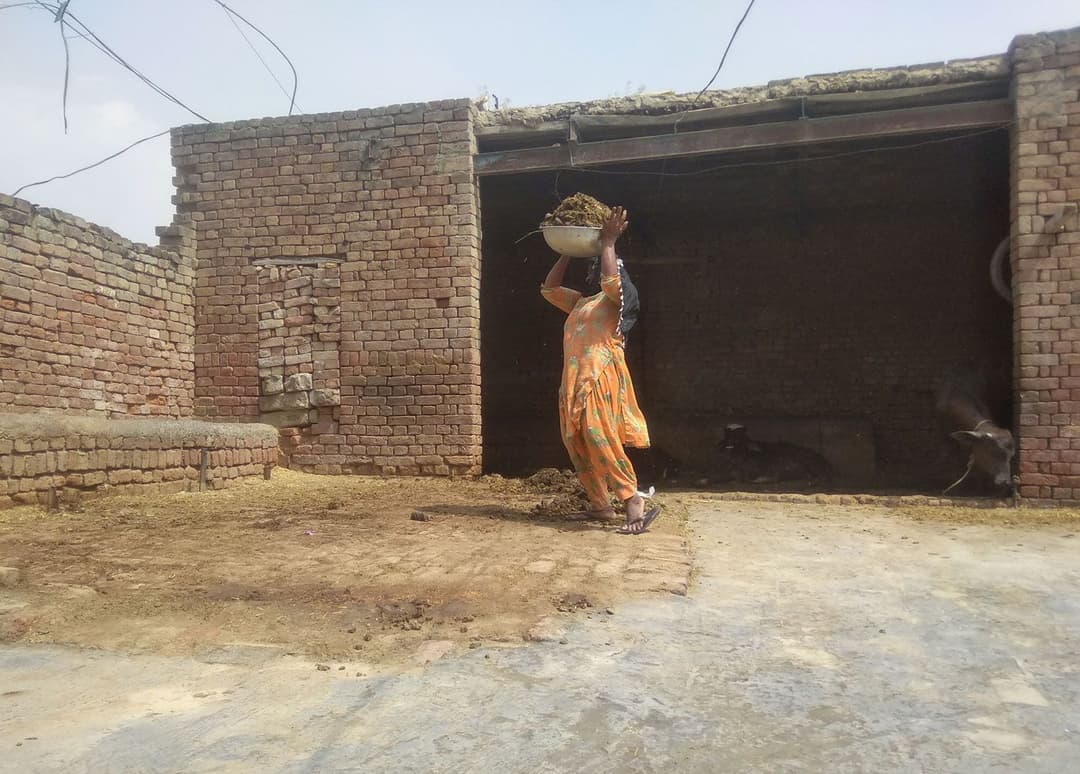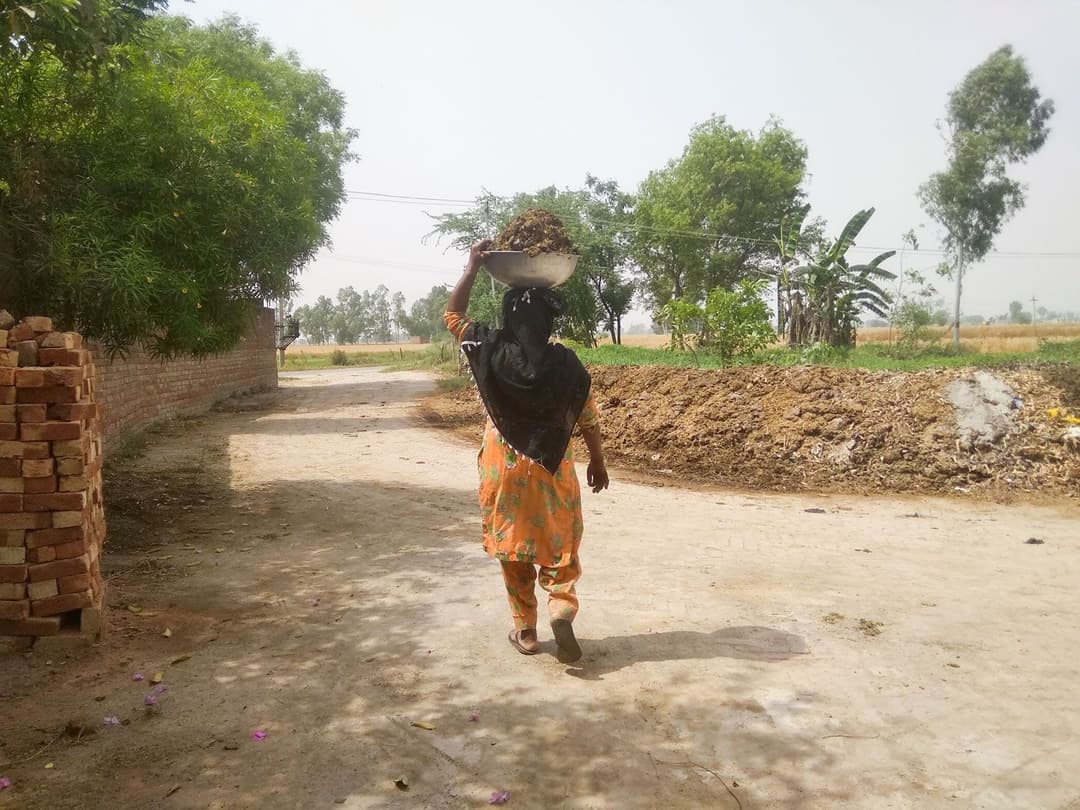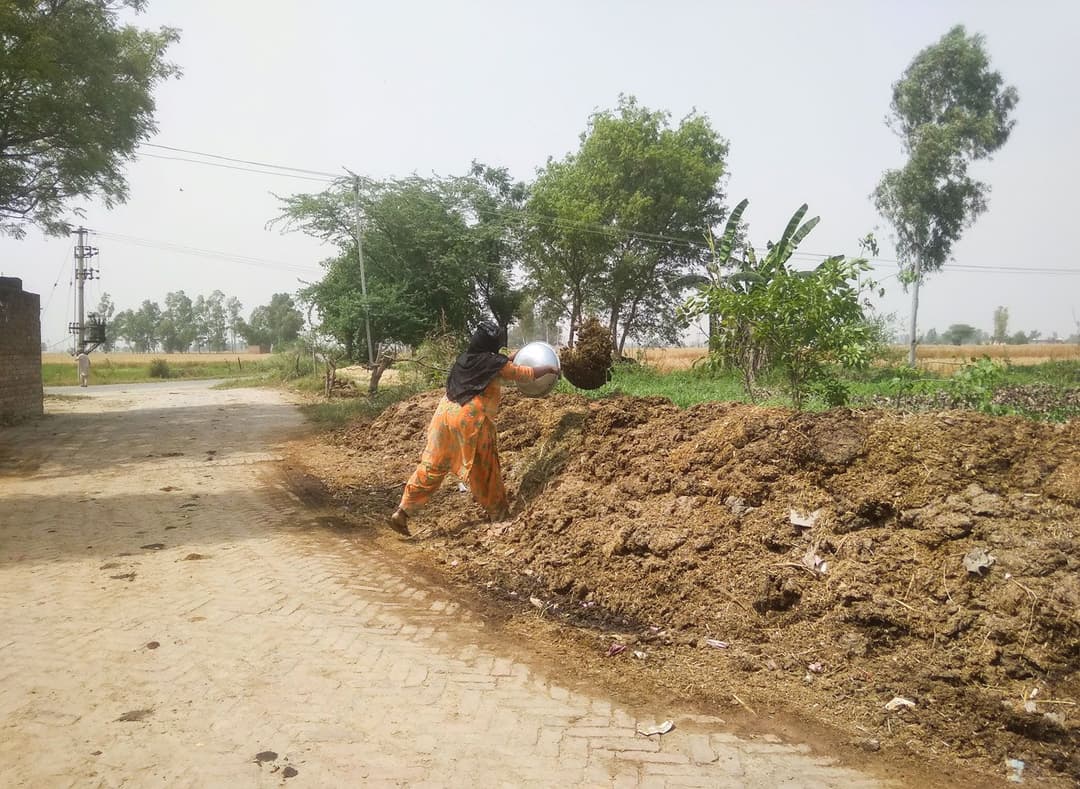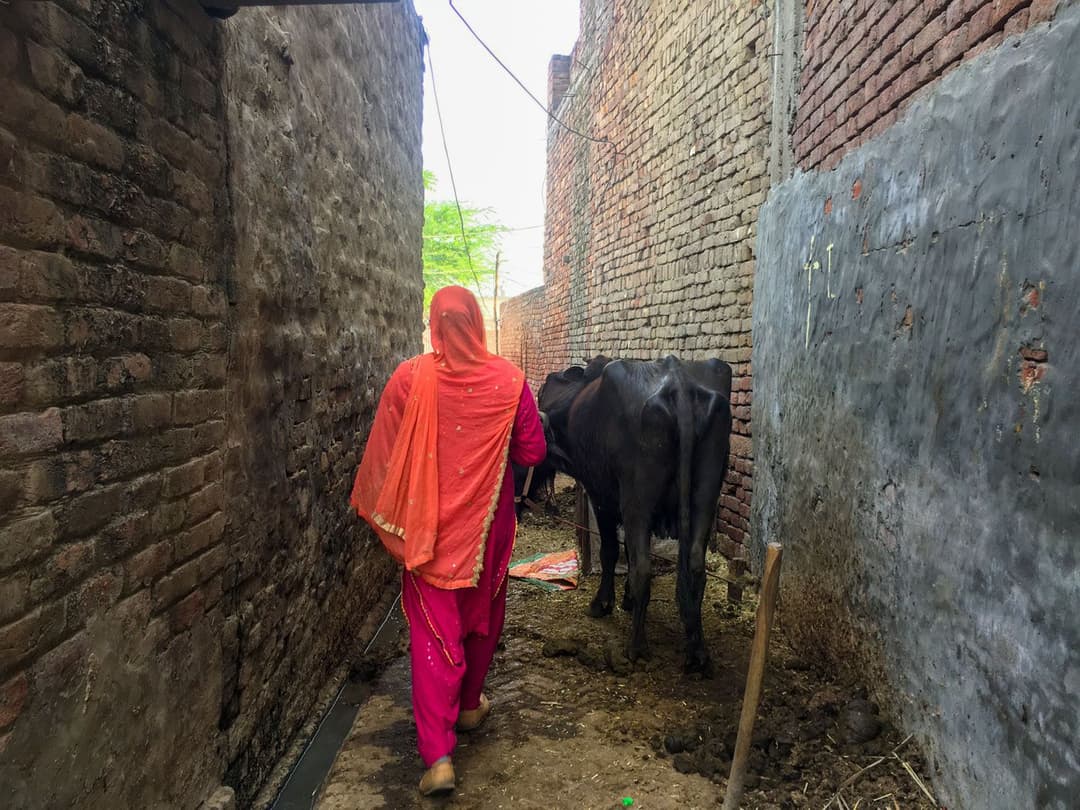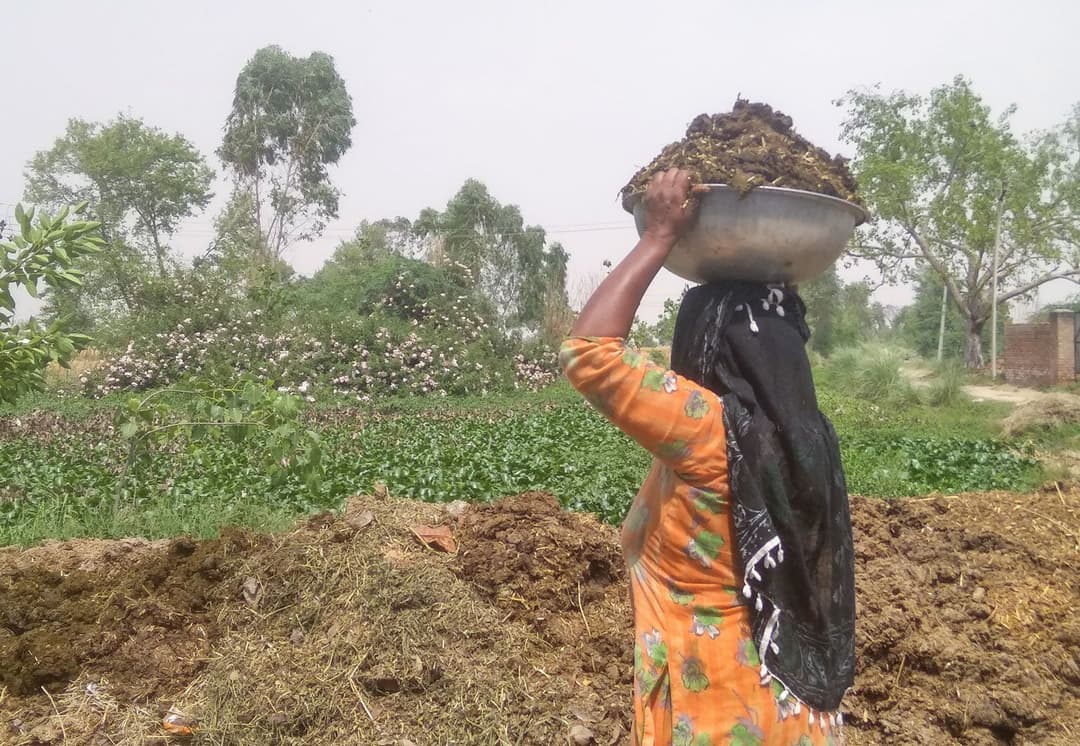

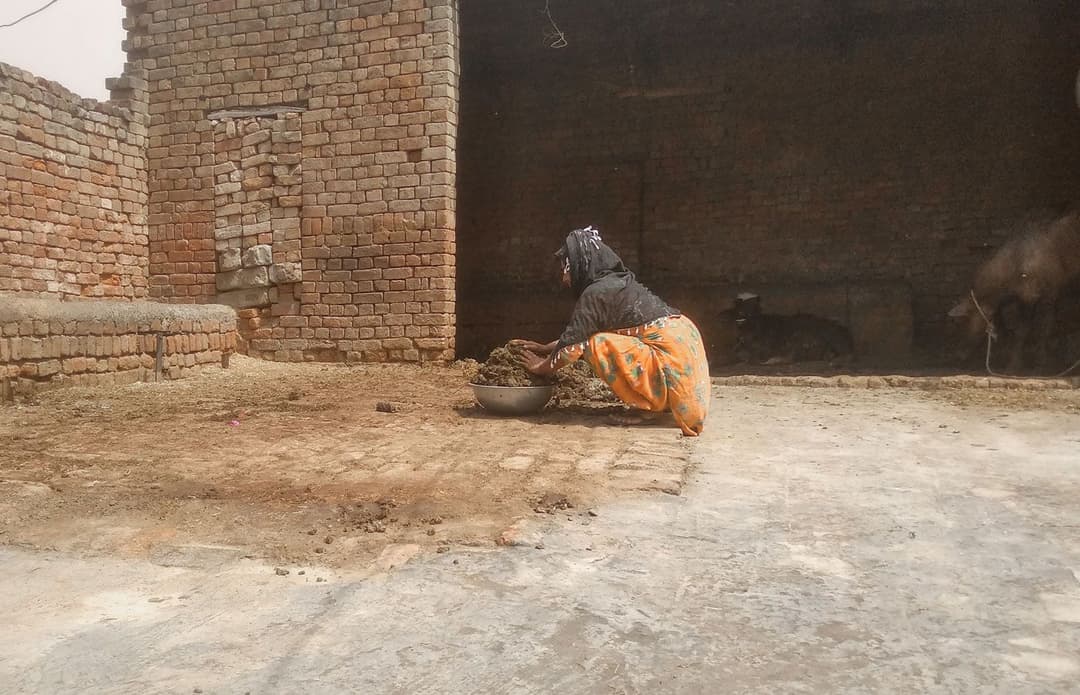
With both hands, Manjit Kaur scoops buffalo dung from the mud and brick floor of the cattle shed. Squatting on her haunches, the 48-year-old scrapes the still-squishy faeces off the floor, filling a baalta (tub) that she then hoists on her head. Carefully balancing the load on her head, she walks past the wooden gates of the homestead, to a heap of dung about 50 metres away. The pile stands as high as her chest, evidence of her months-long labour.
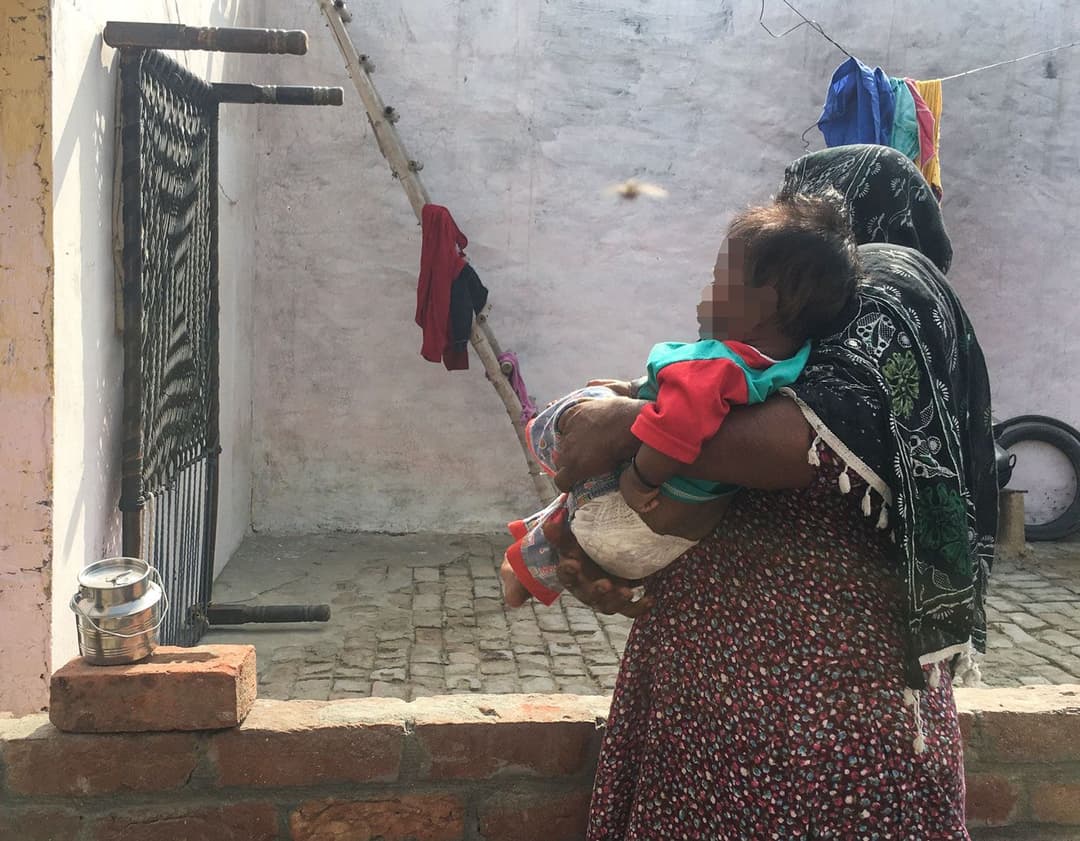
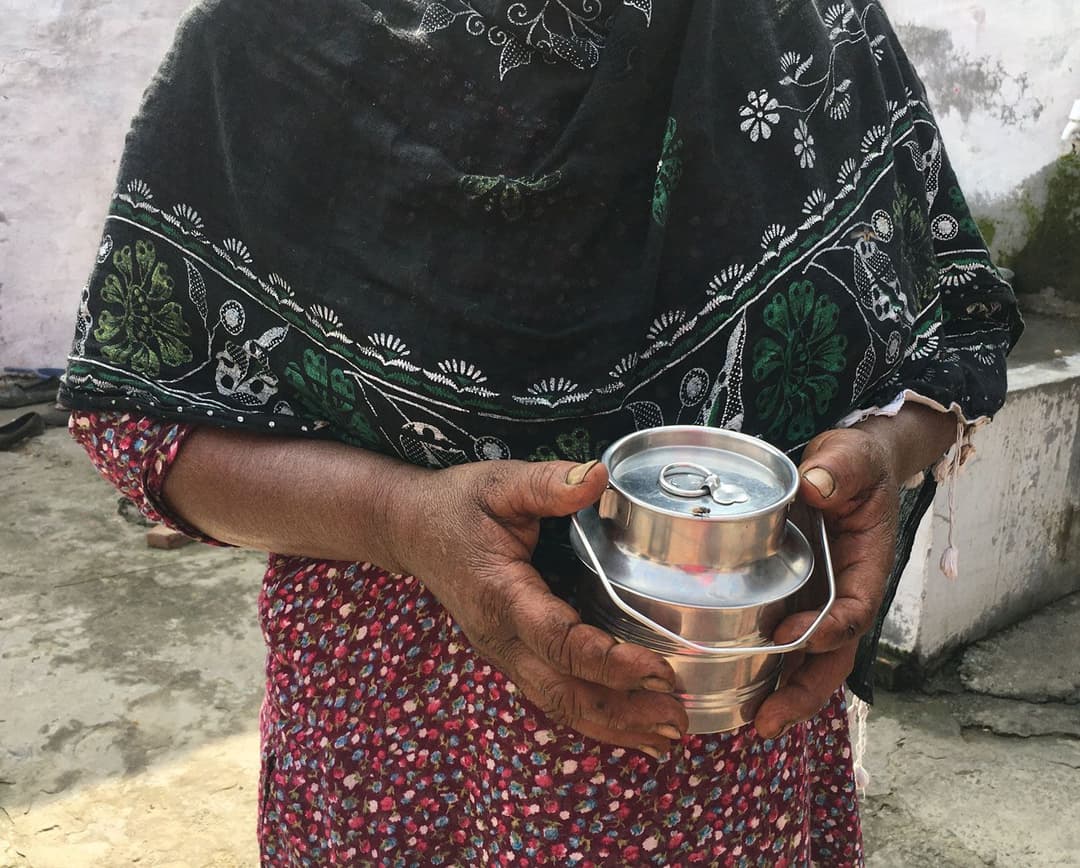
It is a scorching April afternoon. In 30 minutes, Manjit repeats this short trip eight times. Finally, she washes the tub with water, using her bare hands. Before she leaves for the day, she fills a small steel milk container with half a litre of milk from one of the buffaloes, for her baby grandson.
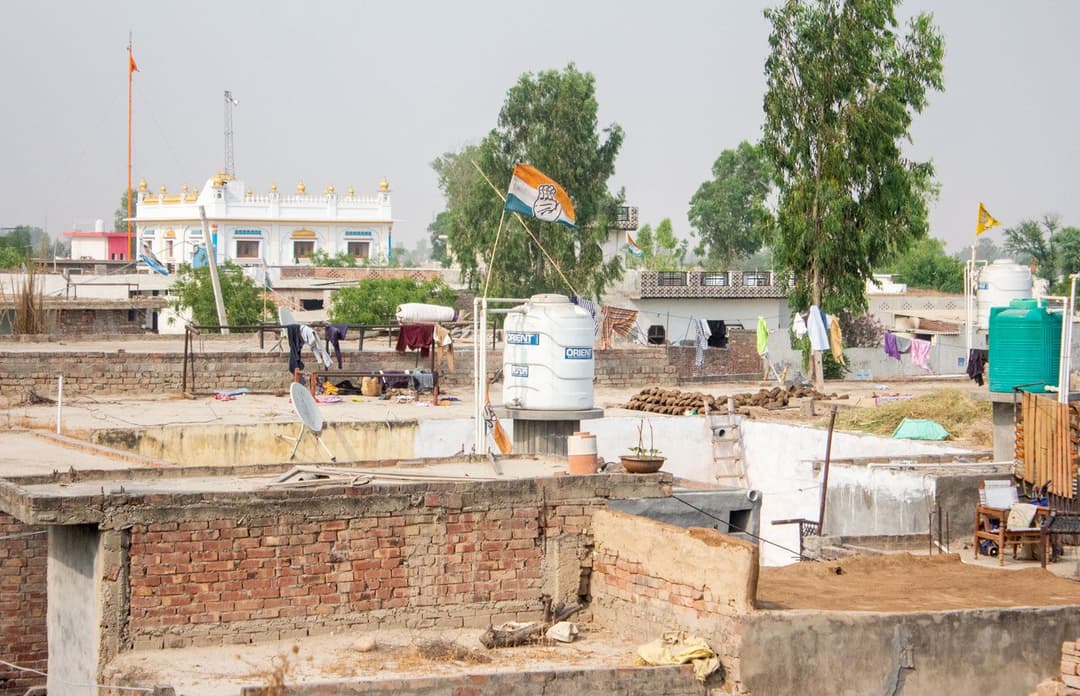
This is the sixth home she has worked at since 7 a.m., all owned by Jat Sikhs, dominant caste landlords in Havelian, her village in Punjab’s Tarn Taran district.
“Majboori hai,” she says. It is helplessness that prompts her to clean cattle sheds for a living. She doesn’t know exactly how much dung she carries on her head in a day, but says,“Badda sir dukhda hai, bhar chukdey chukdey [My head aches a lot from carrying all the weight on my head].”
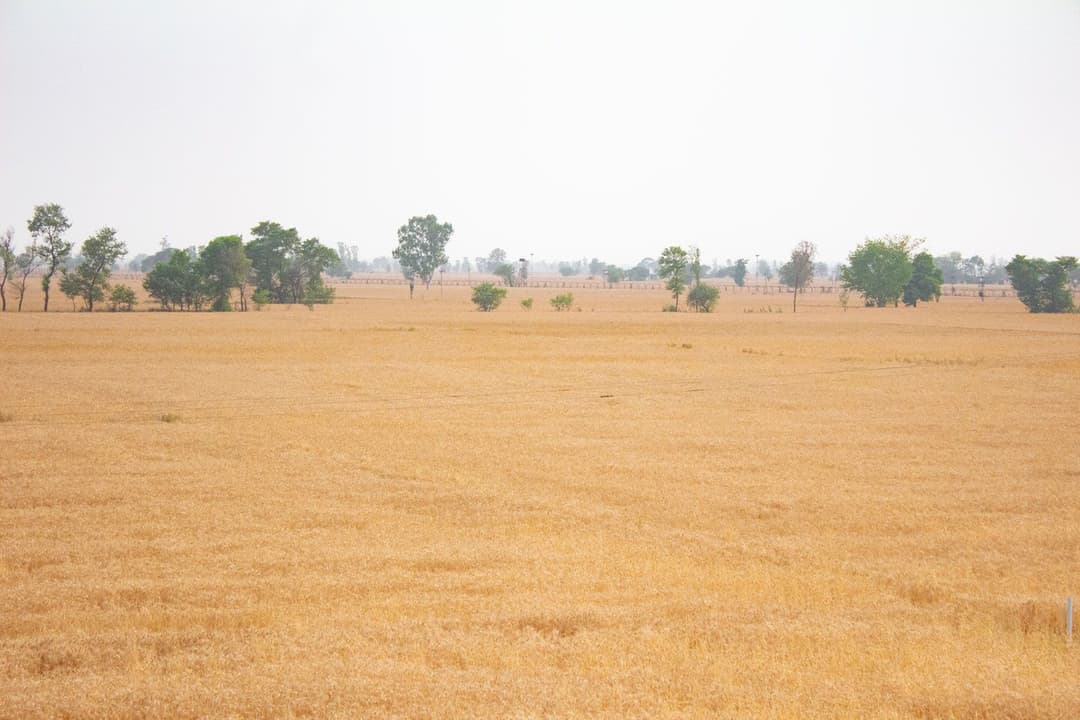
On her walk home, golden yellow wheat fields stretch as far as the horizon. They will be harvested soon, right after Baisakhi, the festival in April that marks the beginning of the harvest season in Punjab. Havelian’s Jat Sikhs own most of the agricultural land in Gandiwind block, producing mainly rice and wheat.