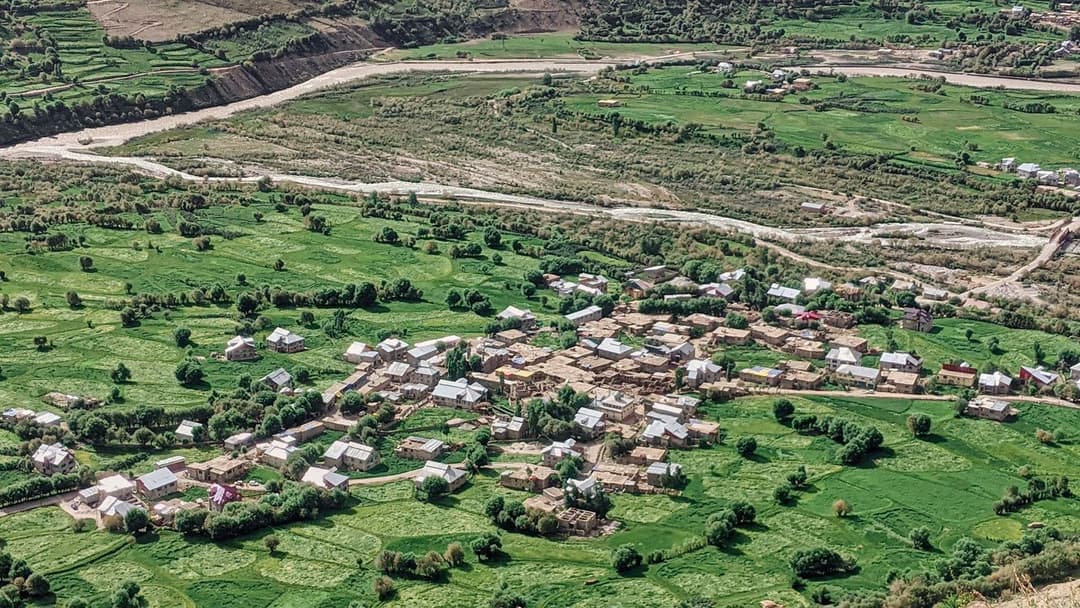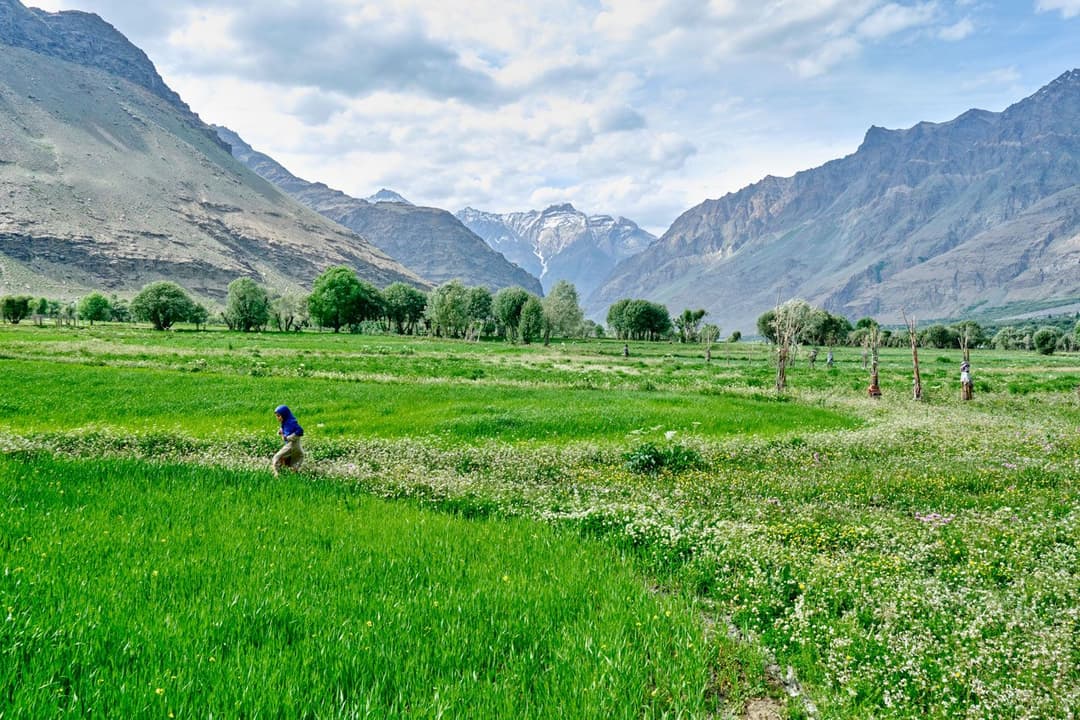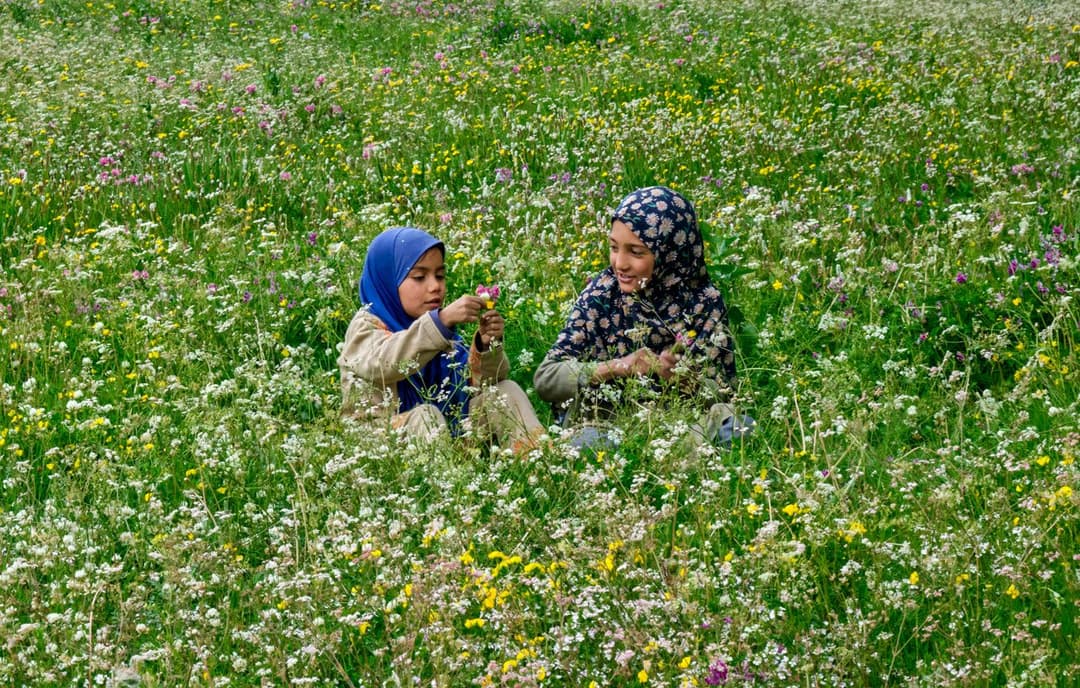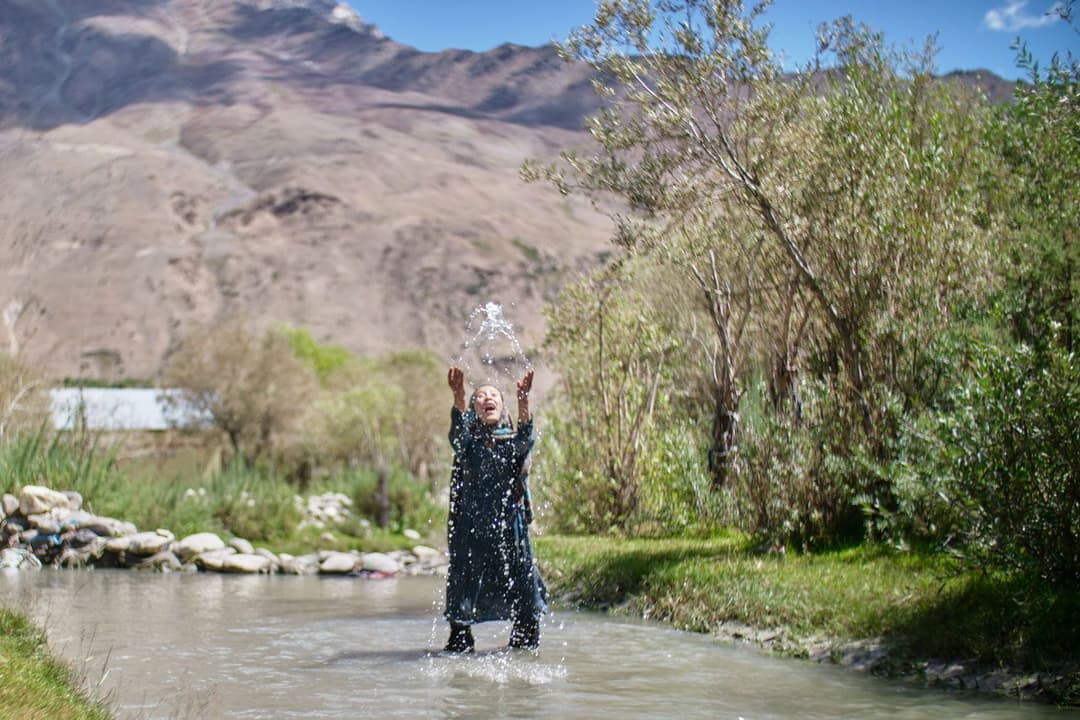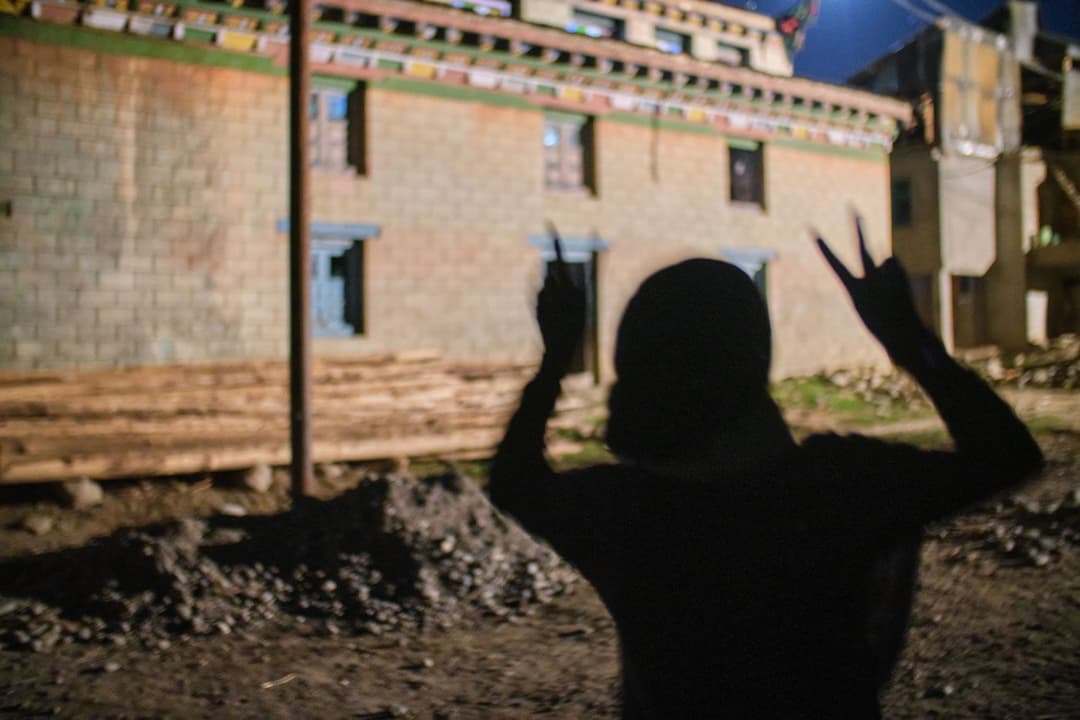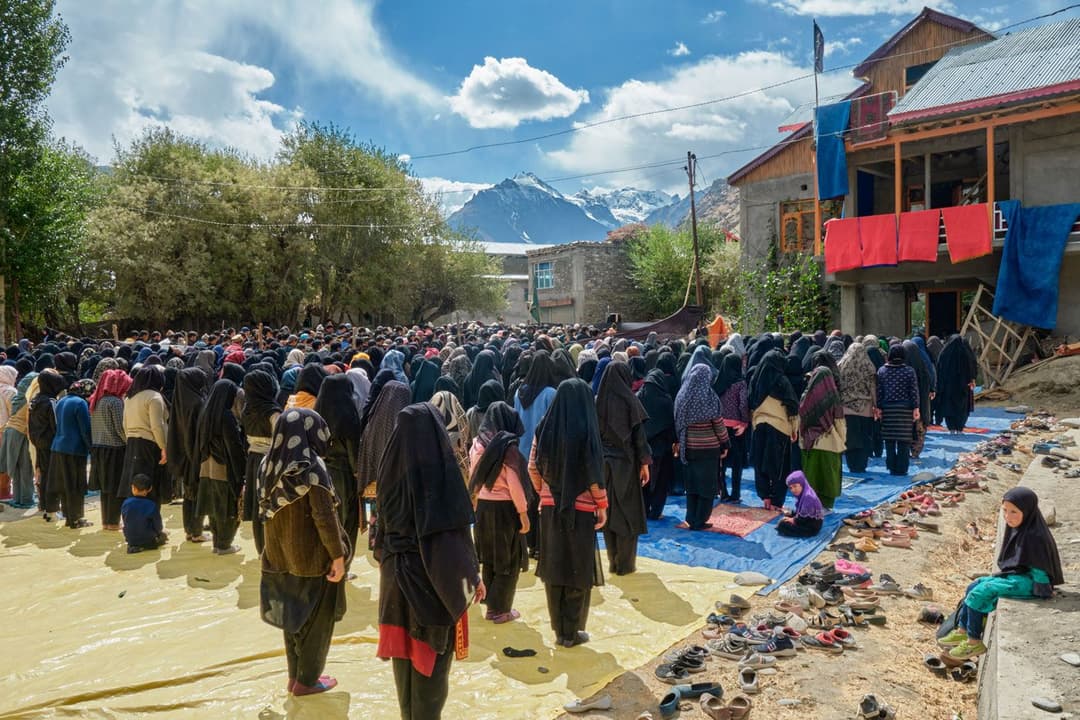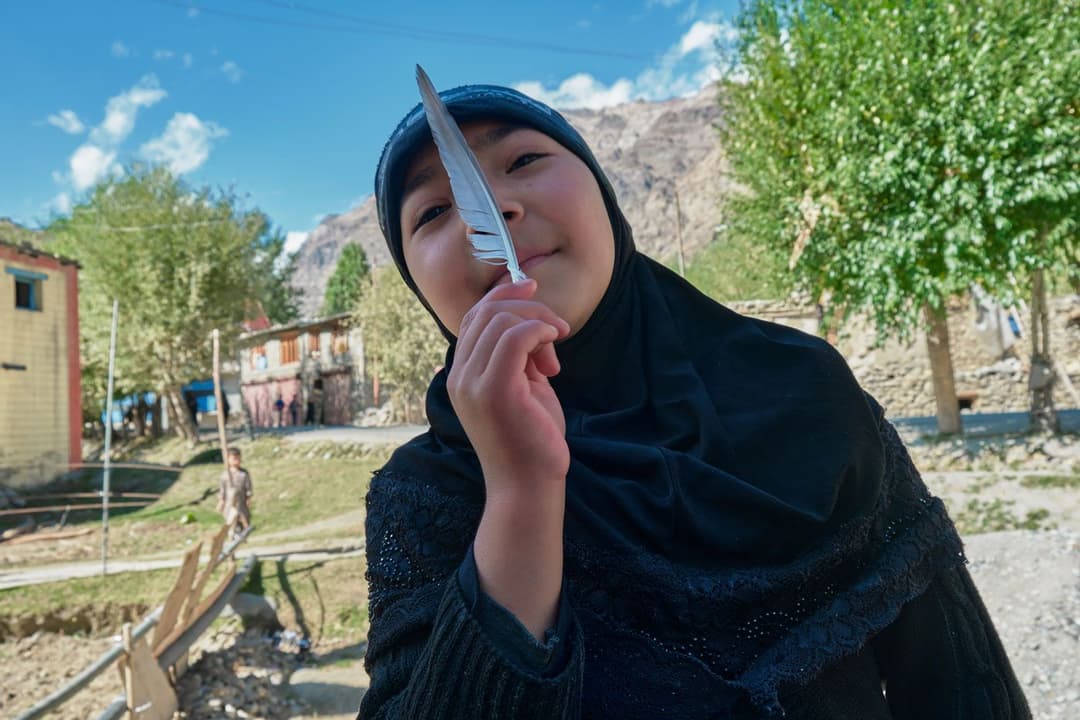
The villages of Ladakh’s Suru valley come alive during the summer months. Streams gurgle through lush green fields, where wildflowers grow with abandon and snow-capped mountains surround. The day sky is a beautiful blue, and you can spot the milky way in the night sky.
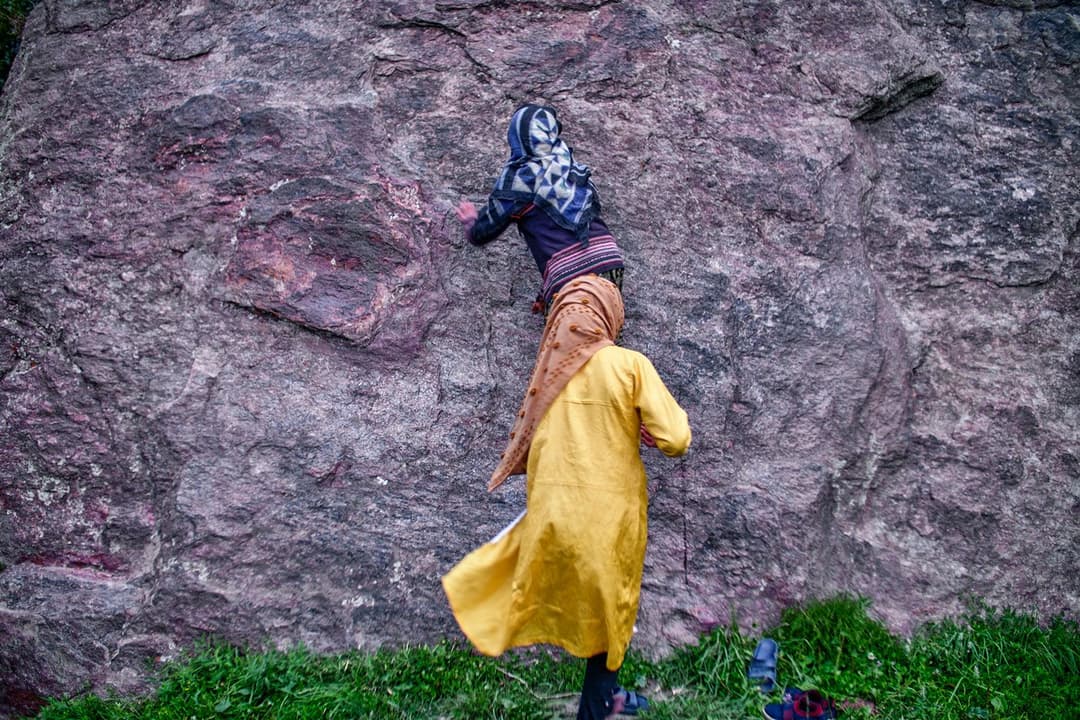
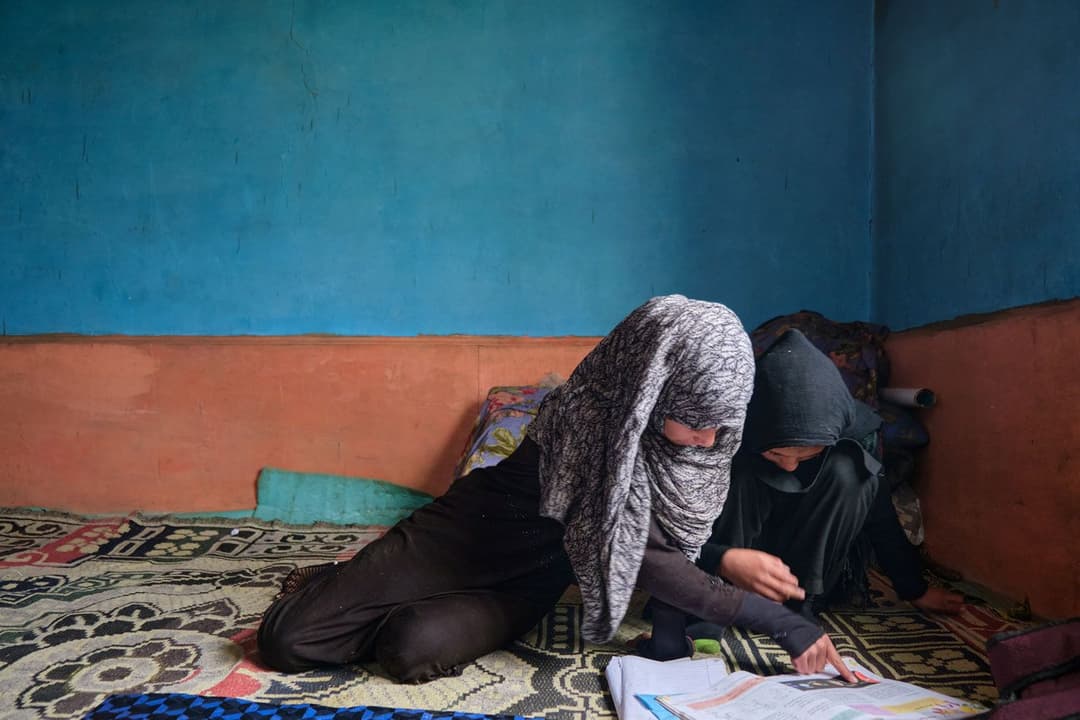
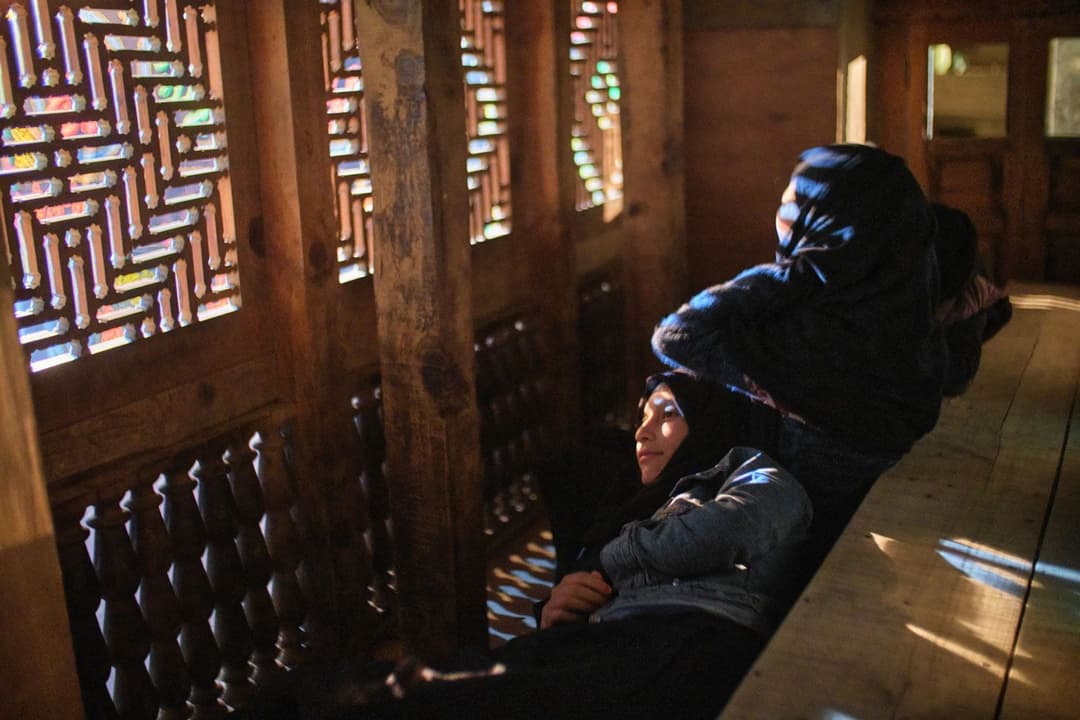
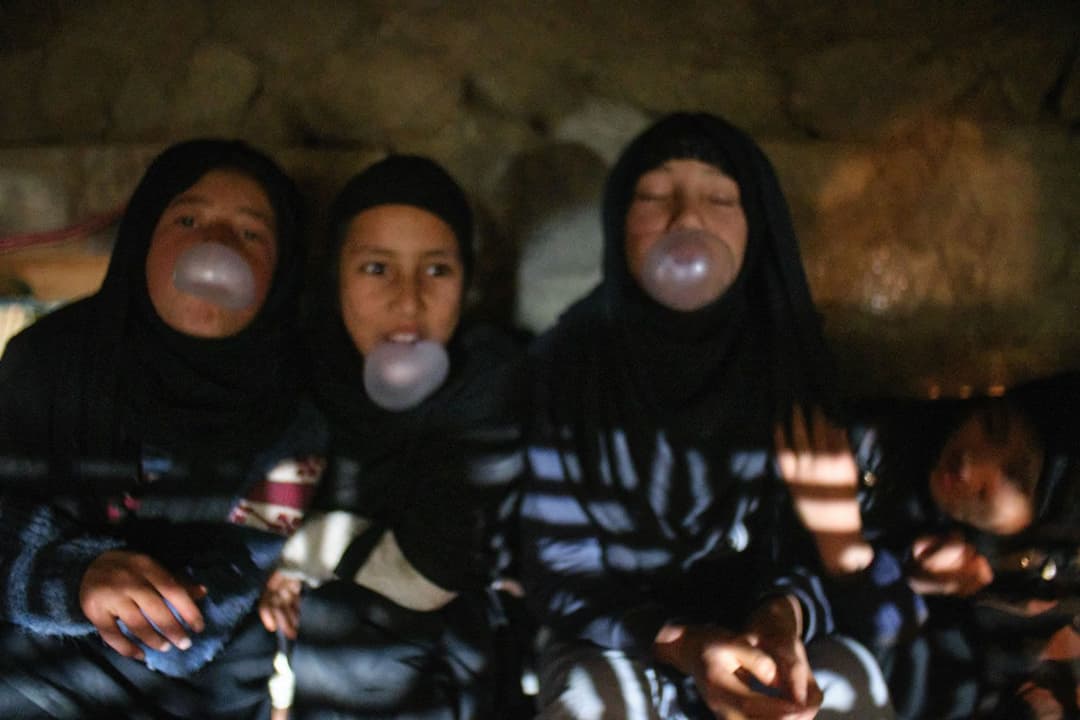
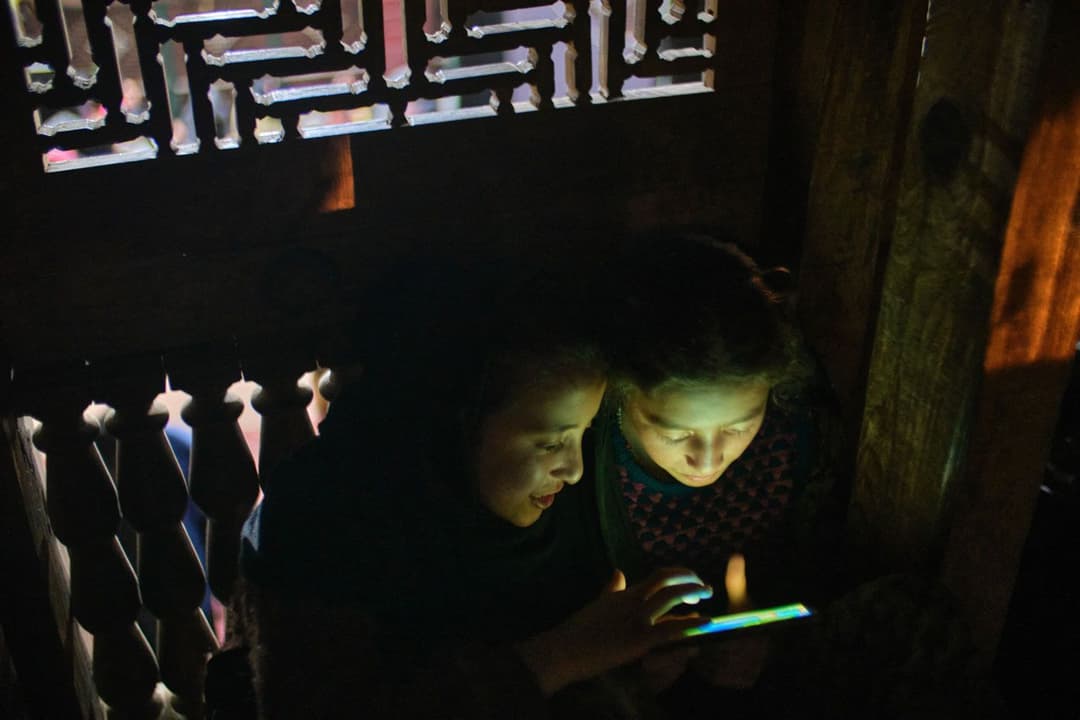
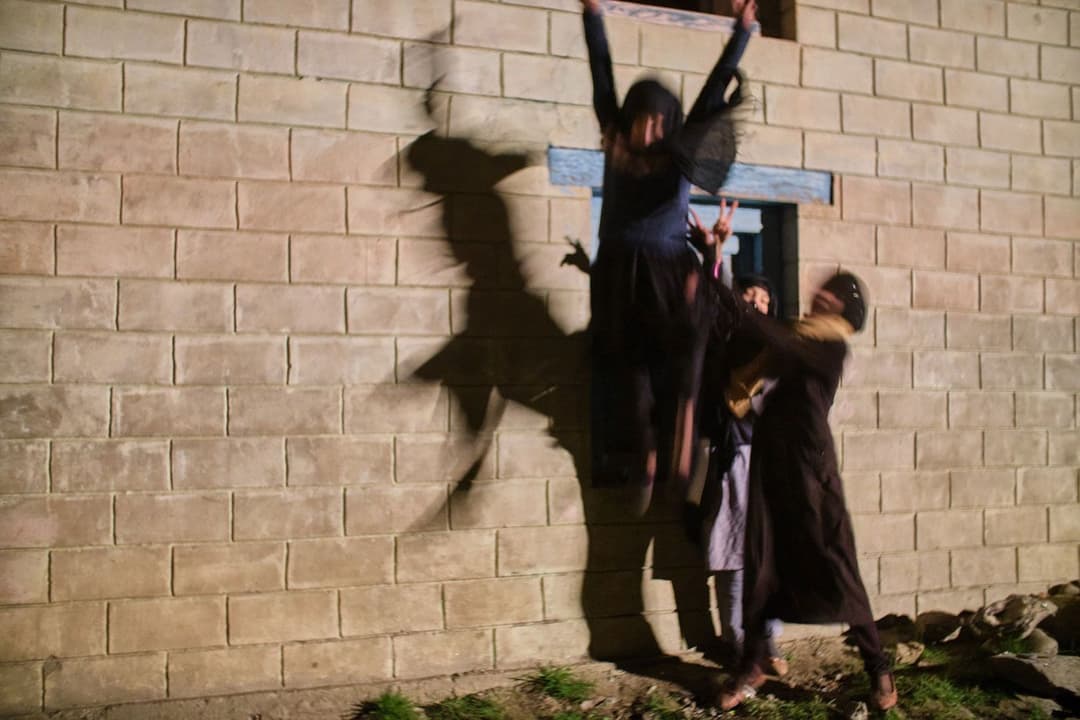
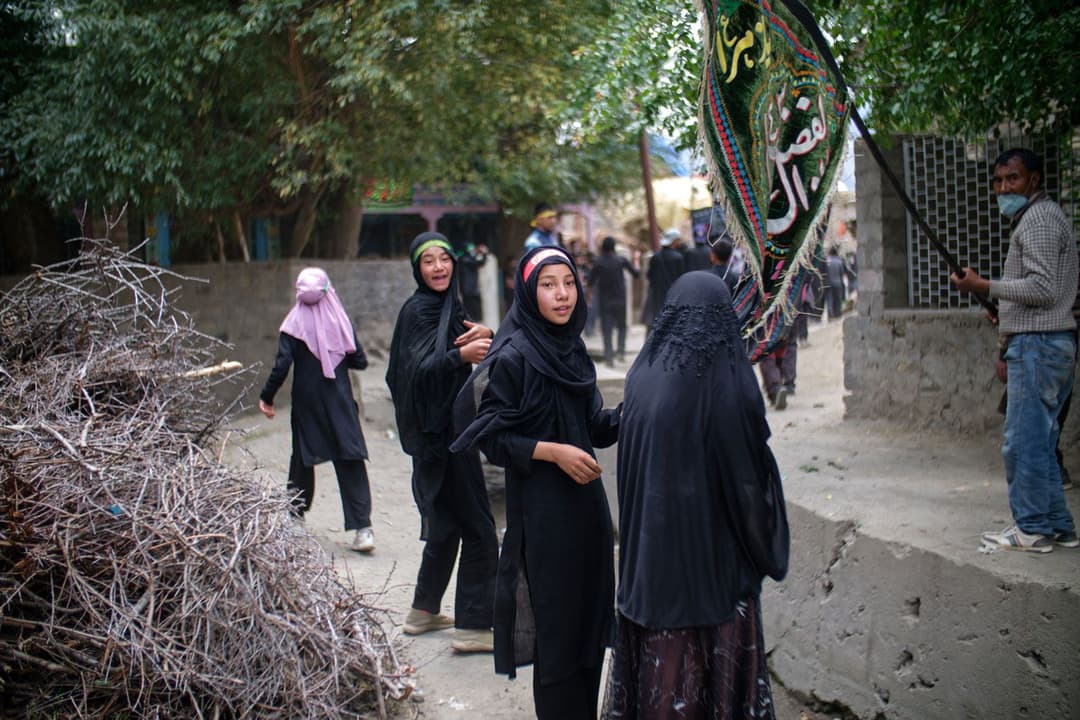
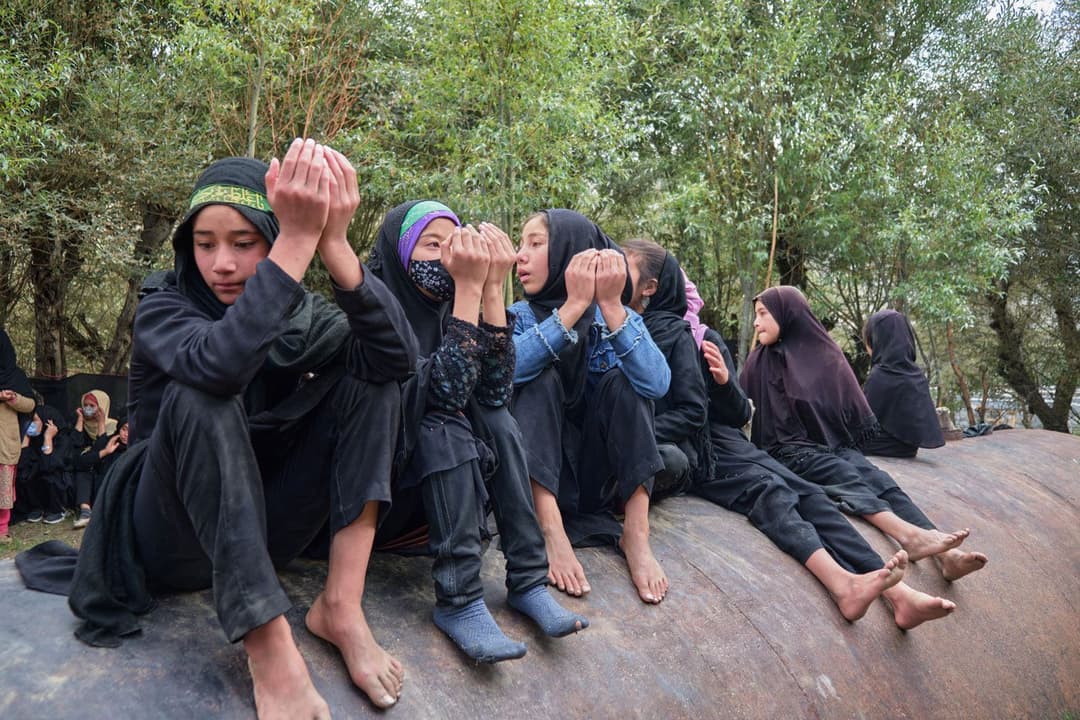
Children in this valley, in Kargil district, share a sensorial relationship with their environment. In Tai Suru village, where these photos were taken in 2021, the girls climb rocks, collect flowers in summer, or snow in winter, and jump in the streams. Playing in the barley fields is a favourite summertime activity.
Kargil is remote, and far removed from the popular tourist destination of Leh, the only other district of the union territory of Ladakh.
Elsewhere, many people confuse Kargil to be in Kashmir valley, but it is crucially not. And unlike in Kashmir where Sunni Muslims are predominant, the faith of the majority of Kargil’s people is Shia Islam.
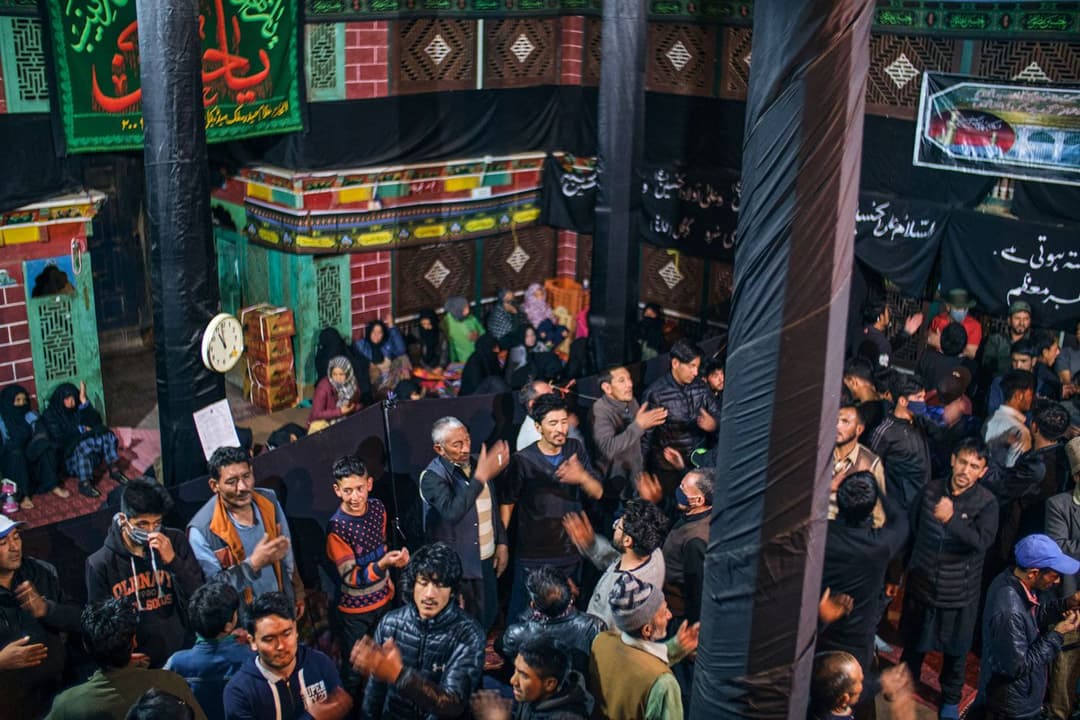
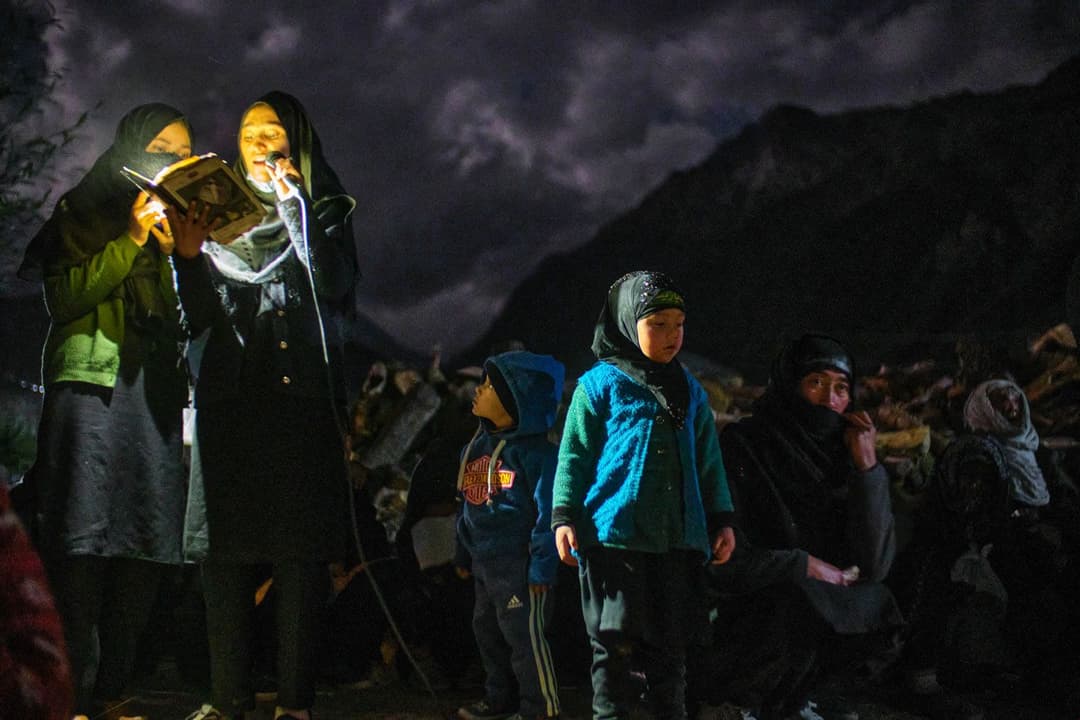
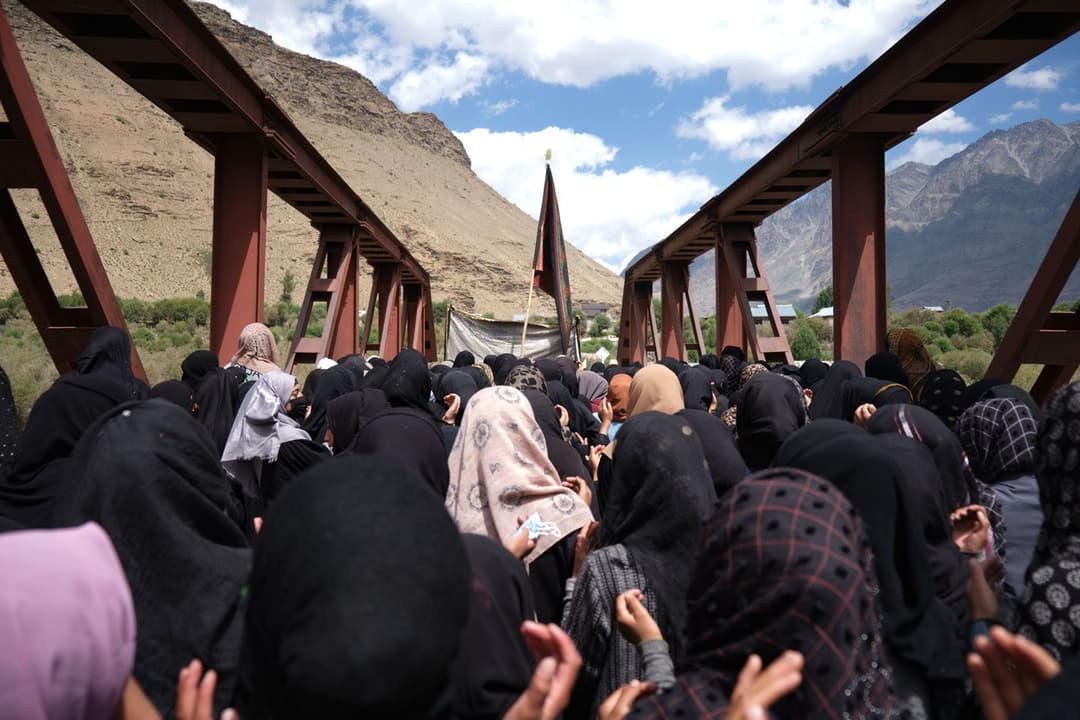
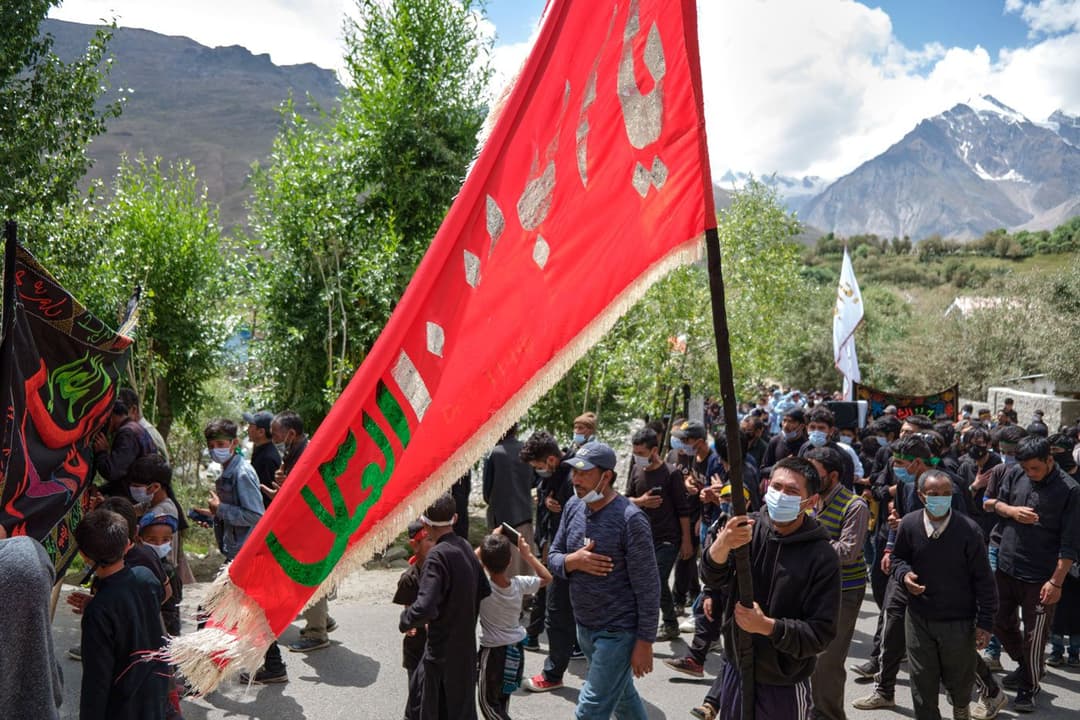
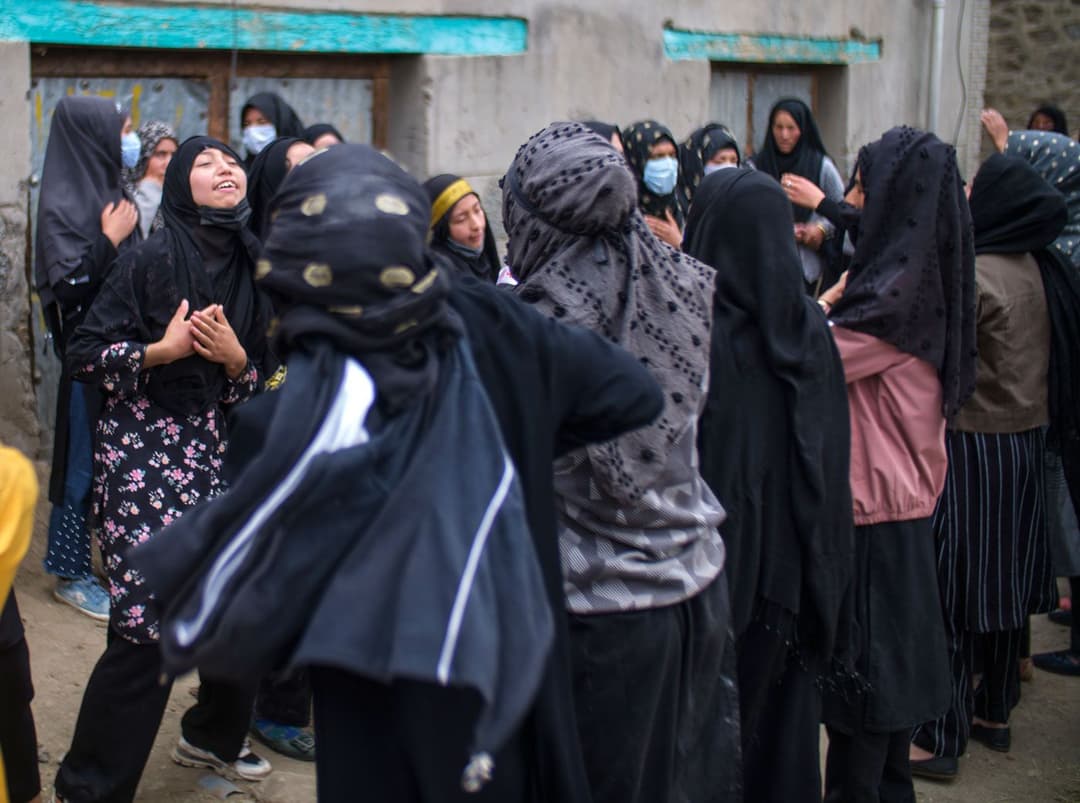
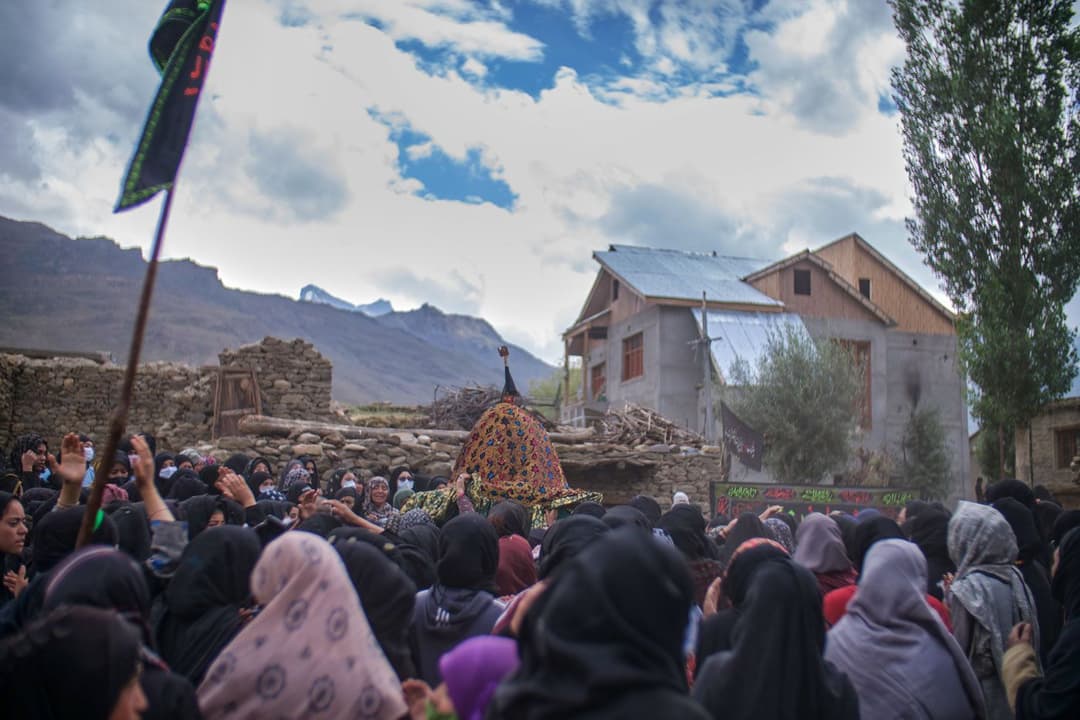
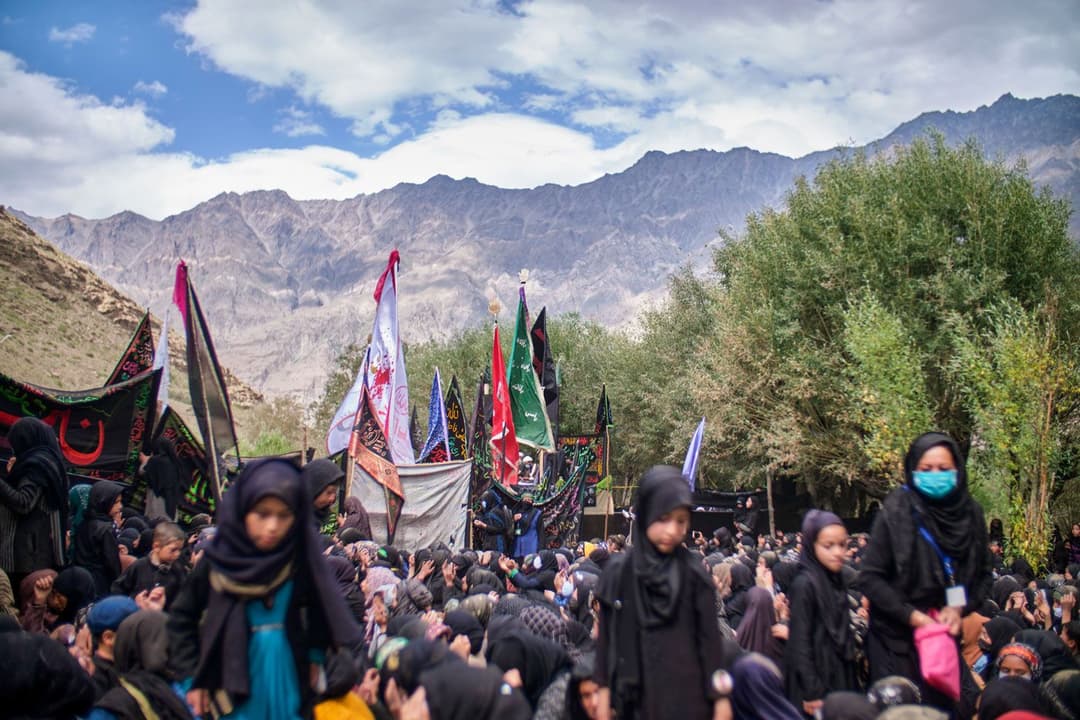
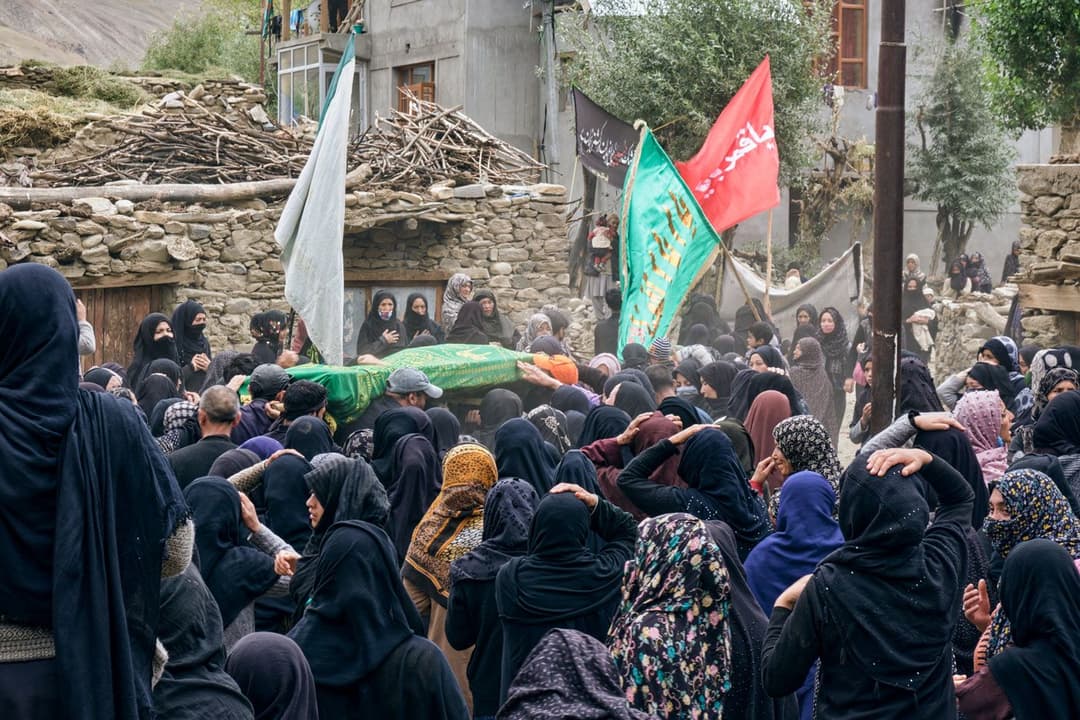
Shia Muslims in Suru valley regard Tai Suru, which is 70 kilometres south of Kargil town, as an important religious centre. For the people here, the first month of the Islamic new year – Muharram – is a period of intense mourning for Imam Hussain, the grandson of Prophet Mohammad. He was killed along with 72 of his companions in the Battle of Karbala (in modern-day Iraq) on October 10, 680 CE.
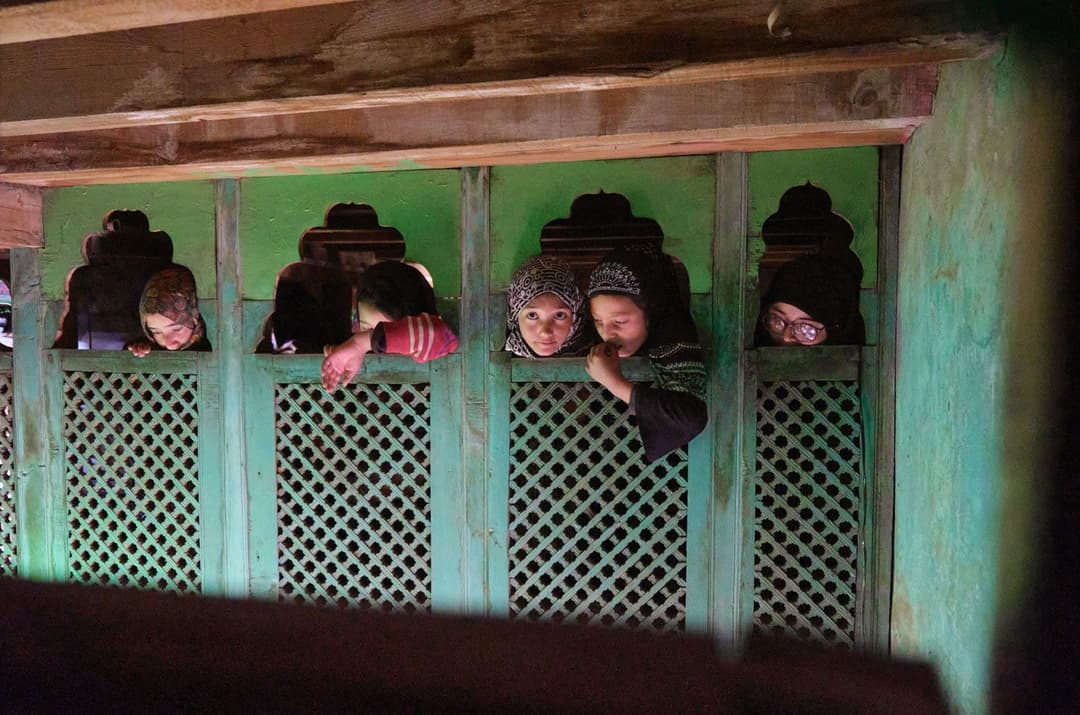
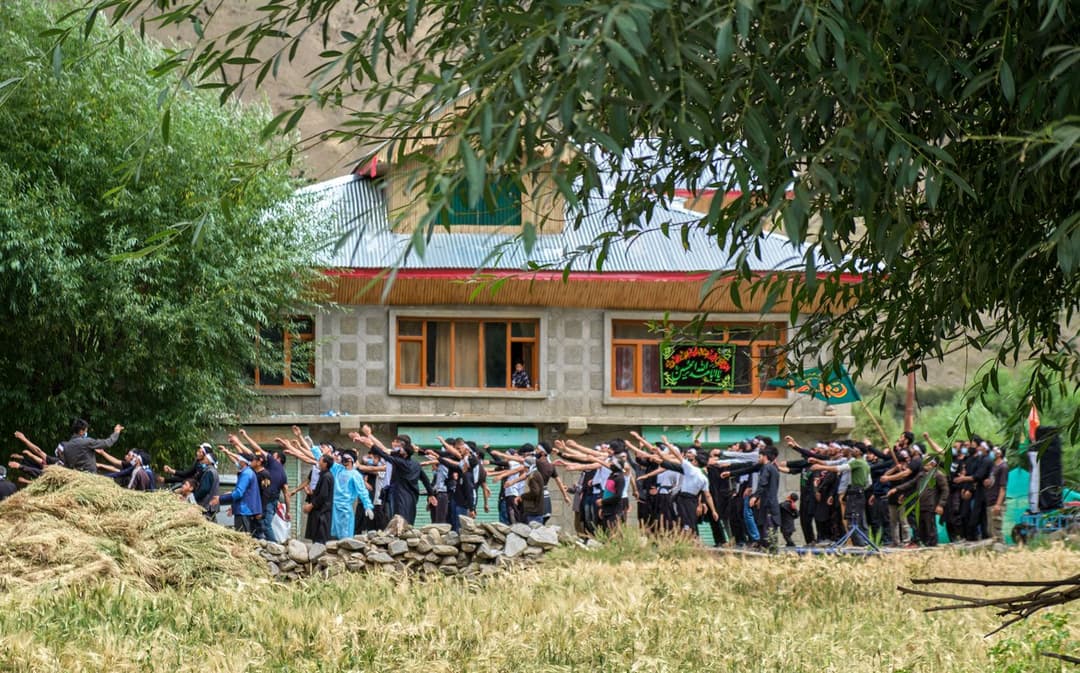
Both men and women take part in the rituals commemorating the event during Muharram. Processions, called juloos or dasta, are taken out on several days. The largest of these happens on Ashura – the tenth day of Muharram – when Hussain and his entourage were massacred in Karbala. Some men practice the ritual of self-flagellation (qama zani) with chains and blades, and everyone beats their chests (seena zani).