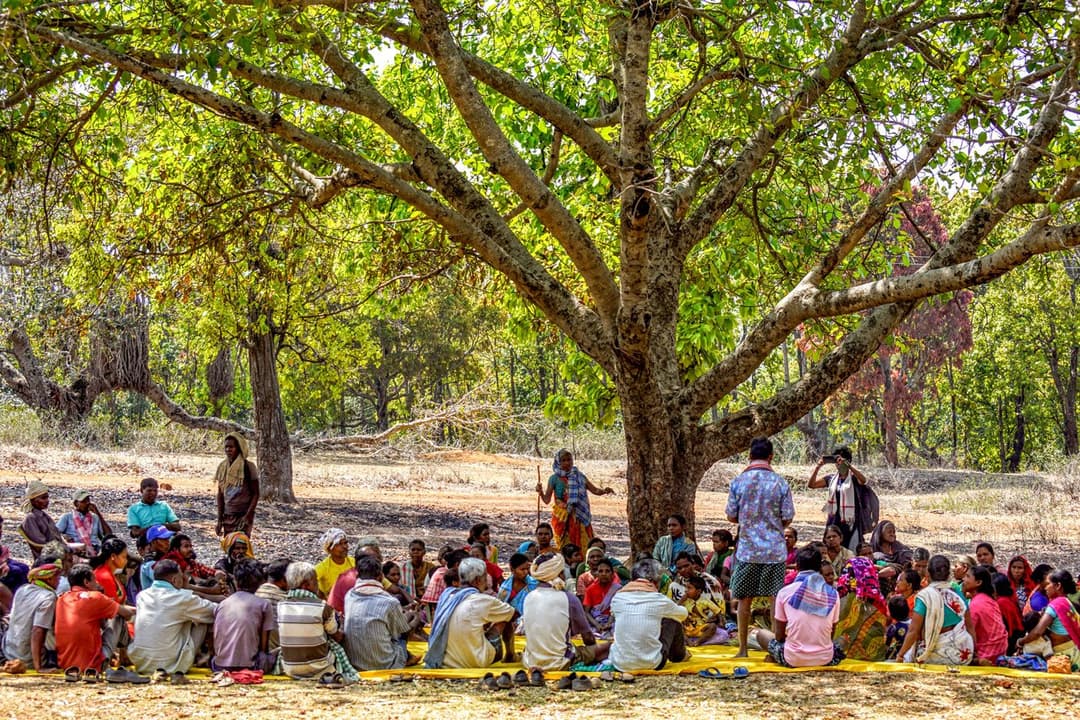
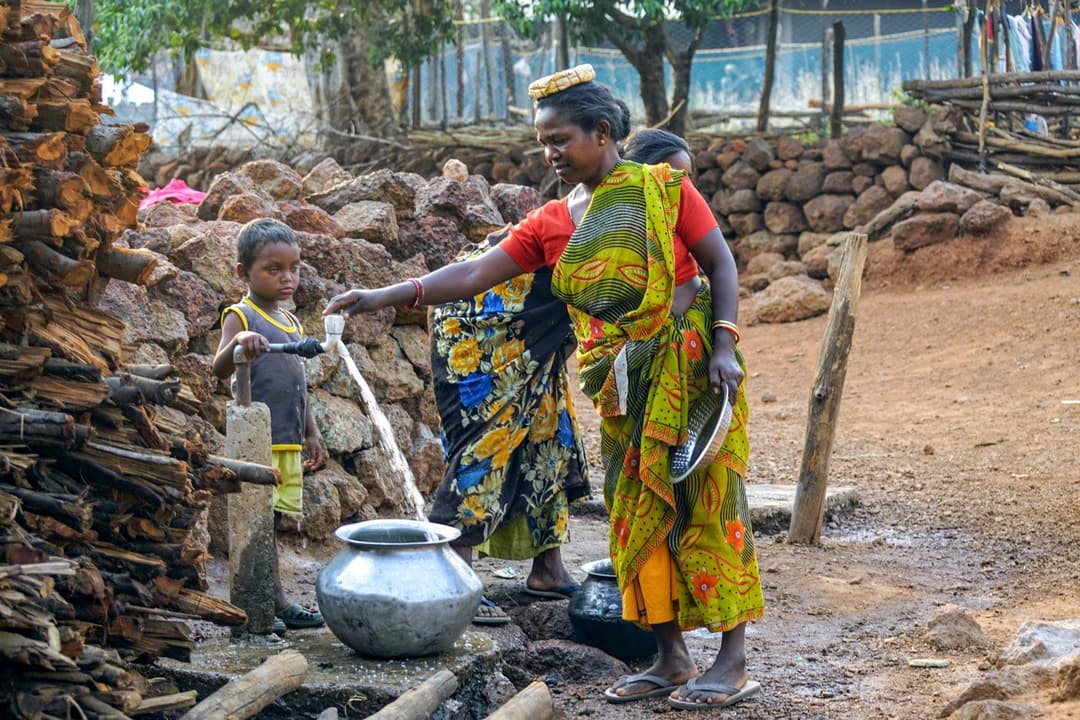
Lupungpat’s active gram sabha in Gumla district is the talking point here in Jharkhand. Over an hour’s drive from the district headquarters, and about 165 km from Ranchi, Jharkhand’s capital, the remote village is not easy to reach. It is located inside the forest, and one needs to climb a hill and then start down a kachha road to get here. Large public transport buses are not easily available, but autos and small vehicles do appear, though not very often.
The village is home to about 100 families of the Asur community – listed as PVTG (Particularly Vulnerable Tribal Group). Besides Gumla, the tribe lives in Lohardaga, Palamu and Latehar districts of Jharkhand, and their total population in the state is 22,459 (Statistical Profile of STs in India, 2013).
Roughly half the village is literate, and yet documentation is carried out for all gram sabha work. “Everything is being documented. The agenda is being set, and [we are taking up] issues that are of people’s concerns,” says Sanchit Asur, a dynamic youth leader and former football player. “The gram sabha belongs to both men and women,” he adds, underlining the general shift in a more gender-equal committee.
Sarita points out that earlier gram sabha meetings were attended only by men. “[We] women were not aware of what was discussed,” says the former national hockey player. Meetings focussed primarily on solving fights between families in the village.
“But now that is not the case. We are participating in the village gram sabha and discussing every issue, and our opinion too matters in the decision making,” Sarita adds happily.