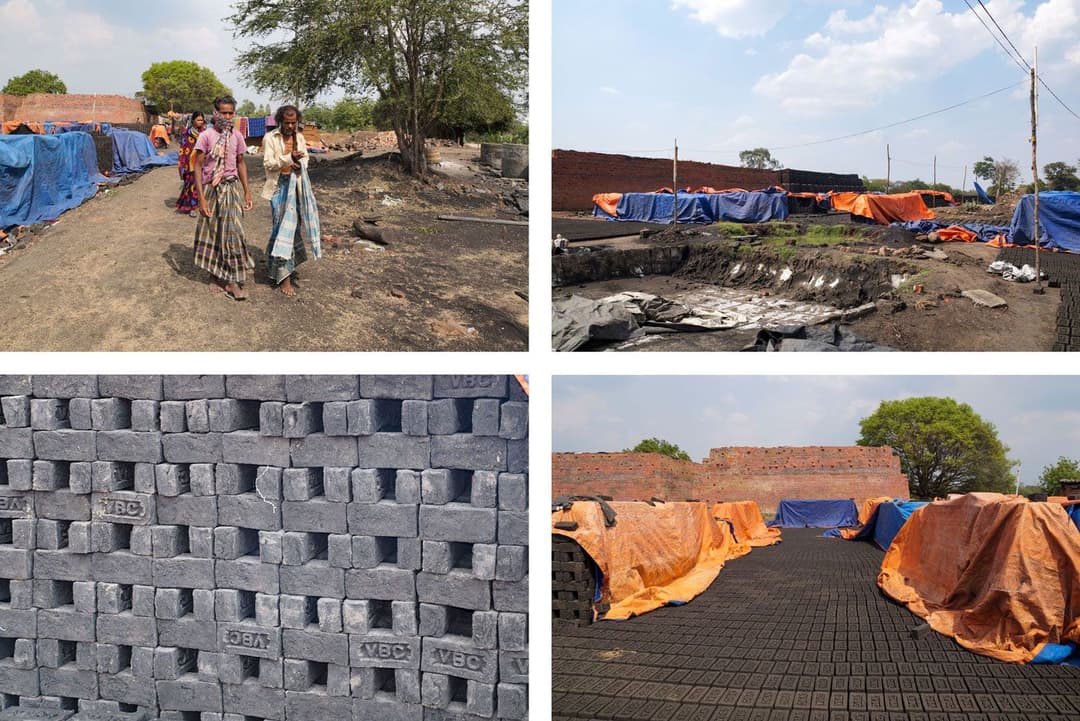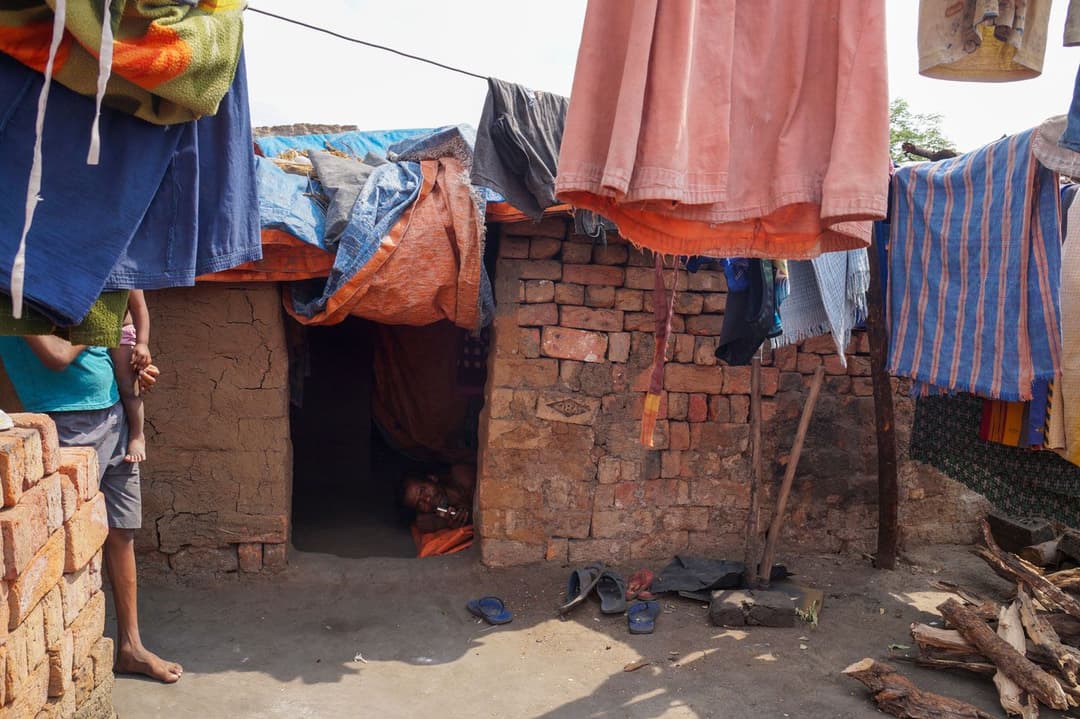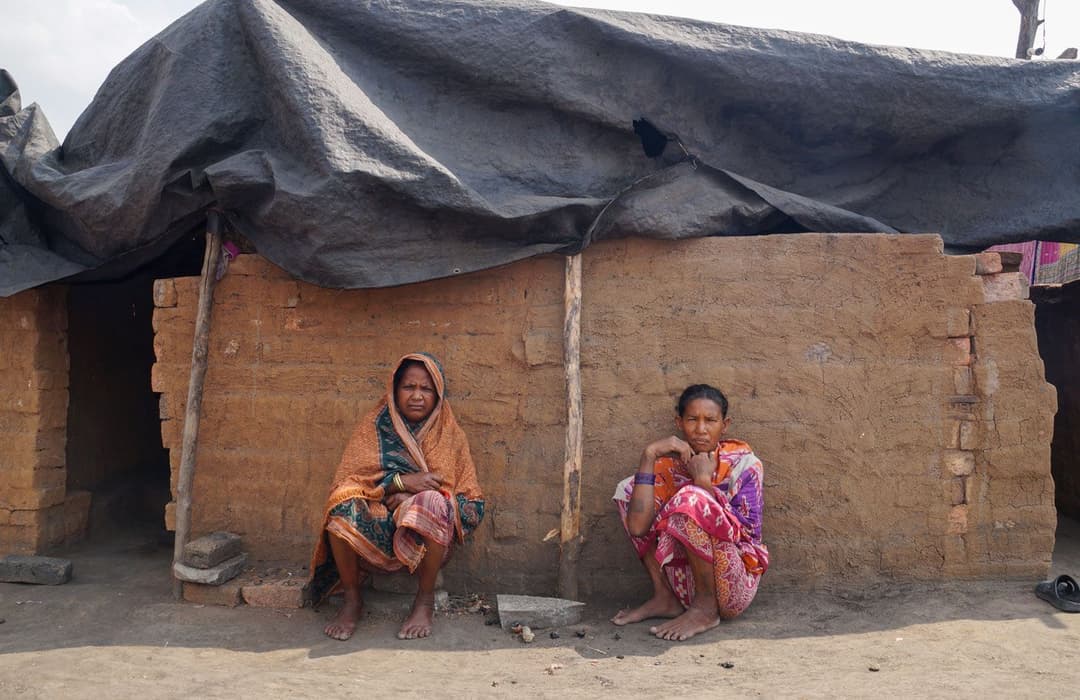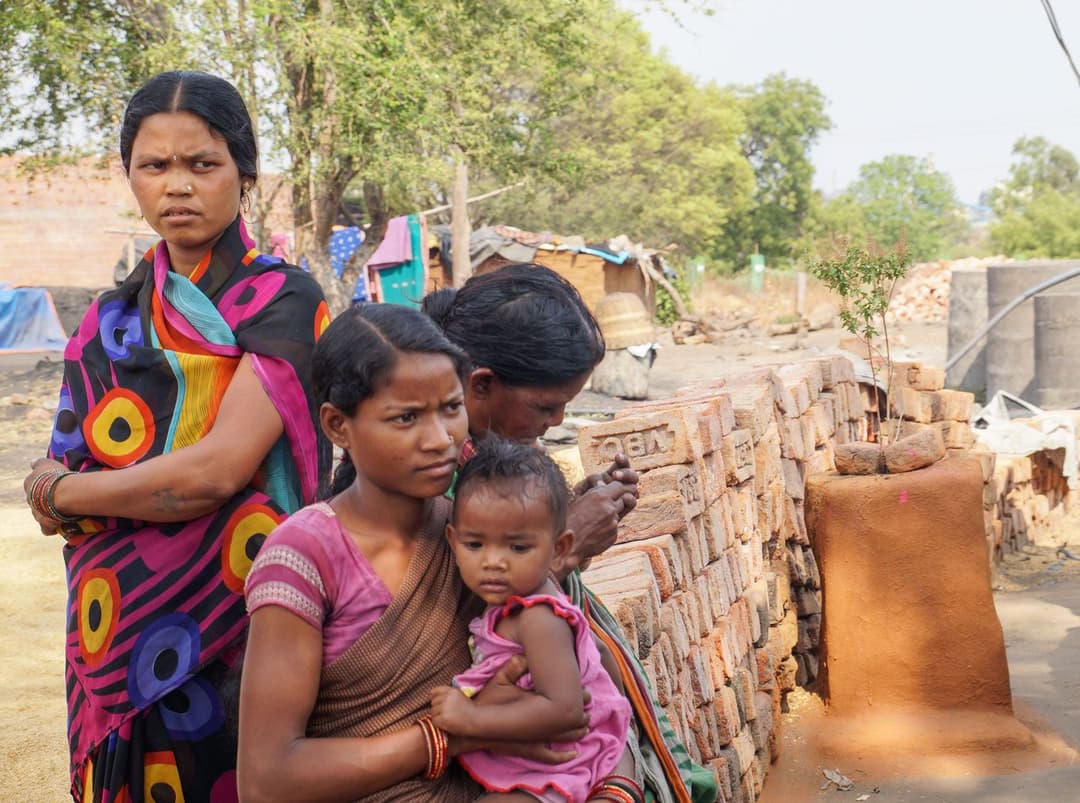

“There is no lockdown inside the brick kiln. We have been working every day as usual,” said Hruday Parabhue, when we met him on April 5. “The only change is the weekly village market is closed, so we are facing difficulties in buying foodgrains and essentials with the weekly allowance we get from our employer.”
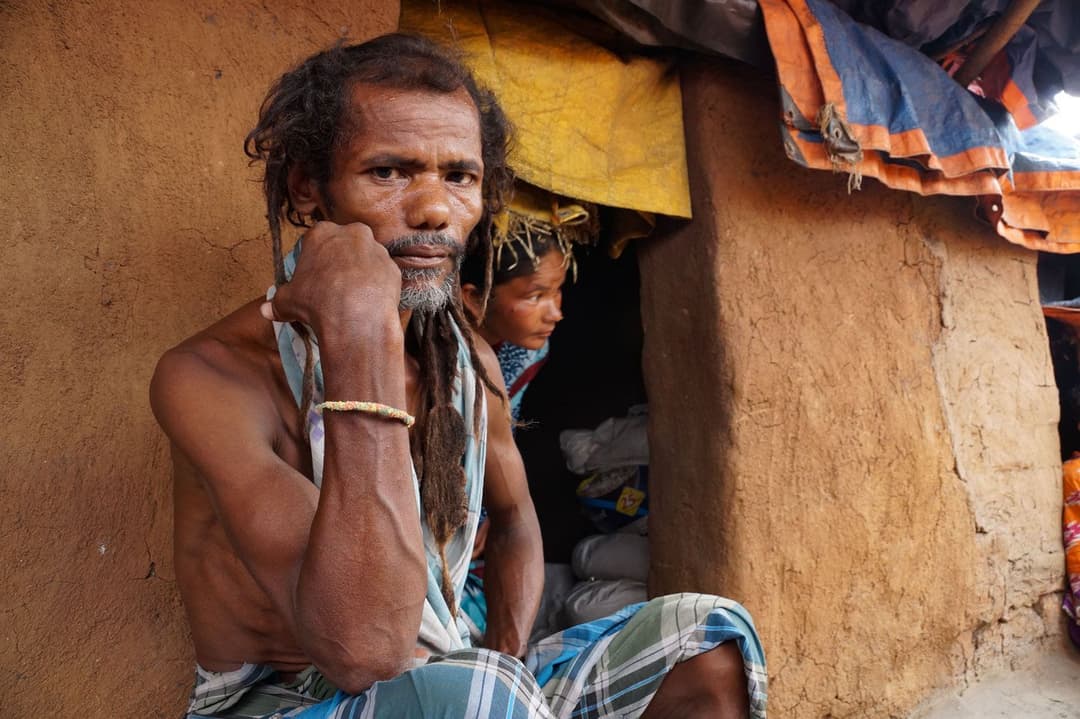
Hruday has been working at a kiln in Telangana for three years now – pushed into this work by debt. Every year, he leaves his wife behind in Khutulumunda, their village in Turekela taluka of Odisha’s Balangir district. “I used to earn well in my village as a lohakaar [blacksmith], but fell into debt after I constructed my house. Then notebandi [demonetisation] followed,” he said, speaking in broken Hindi. “There was very little work in my village, and with my loans mounting I am forced to come here to make bricks. Everyone is in debt here [at the kiln].”
The unexpected lockdown on March 25 created confusion and uncertainty among workers at the kiln Hruday works, in Gaddipotharam village of Jinnaram mandal in Sangareddy district. “Every Friday, we used to go to the village market three kilometres from here, to purchase vegetables and foodgrains with our weekly allowance,” said Joyanti Parabhue, a distant relative of Hruday’s who works at the same kiln. “Some men buy liquor too. Now all that has stopped because the market is closed due to lockdown.”
Although the workers managed to purchase some food items from the Friday market two days after the lockdown began, they were stranded the next Friday because the market was shut by then. “It has become difficult to procure food,” Hruday said. “Police shooed us away when we ventured a bit further into the village looking for shops, as we don’t speak their language [Telugu].”