

Syed Ghani Khan almost collapsed that day. He felt uneasy while tending to the crops on his field. The fumes from the pesticides he was spraying began to make him dizzy. “That’s when I thought: What am I doing? If I can feel this way then surely I’m poisoning the people who eat the paddy, after I spray such pesticides on it. I should stop this,” he says.
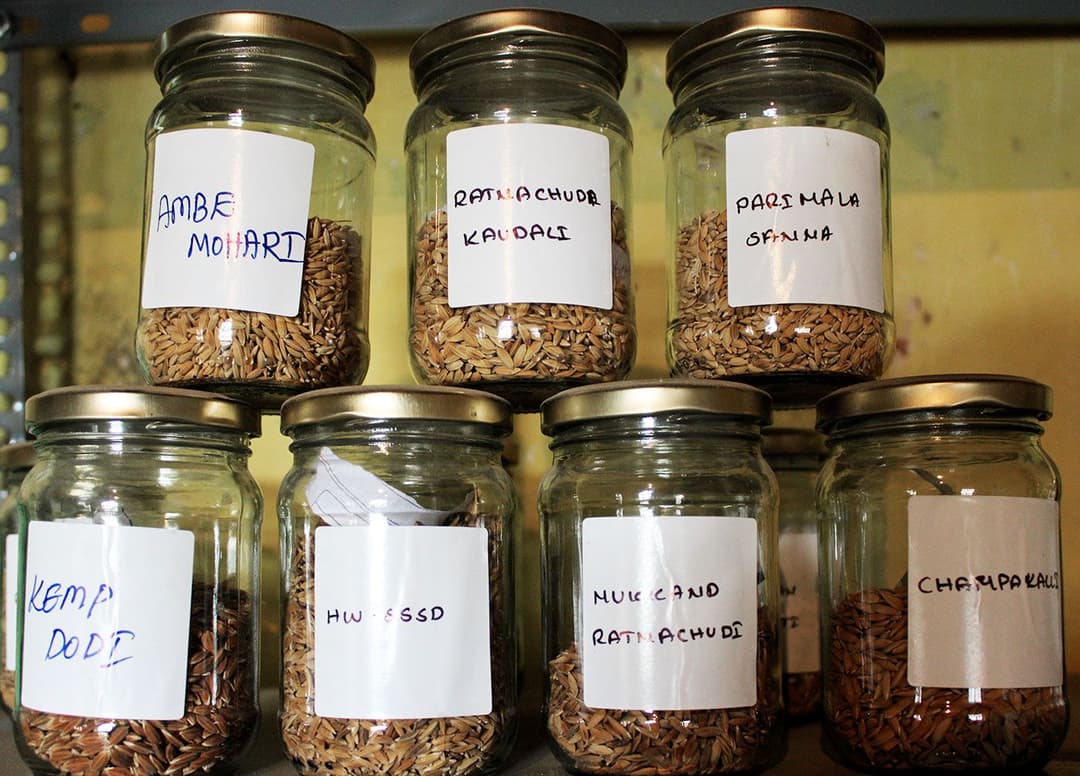
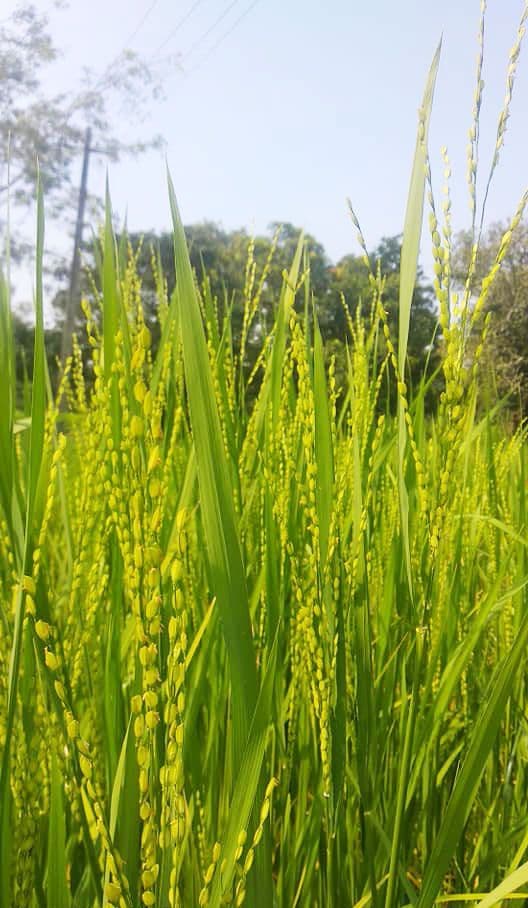
Since that turning point two decades ago, in 1998, Ghani stopped using any chemical pesticides or fertilisers. And he started cultivating only desi paddy. “I used to accompany my father and other elders of the family on their visits to the fields. Among the many crops they cultivated, desi paddy was relatively low,” he recalls.
Less than 10 people in Mandya cultivate desi varieties through organic farming, estimates the 42-year-old farmer from Kirugavalu village in Karnataka’s Mandya district, where paddy is grown on 79,961 hectares. “Indigenous paddy lost its importance because of how long it took to grow, and even after the wait, the yield was [sometimes] low. You would see more weeds than the actual crop,” he adds.